Back to Network











4
Shared Docs
4
Same-Page
4 / 4
Mentions
Document Mentions (4 shared documents)
2 mentions1 same-page
Page ?Same page
ion does not conflict with the First or Second Law. The Zeroth Law: A robot may not harm humanity, or, by inaction, allow humanity to come to harm.” Isaac Asimov, I, Robot HOUSE_OVERSIGHT_015694 Deep Blue York, watching a chess match. It’s no ordinary match. Two men sit opposite each other. One, a neatly s
d on interview, rather than practical tests. Could a computer hold a conversation with me and persuade me it is intelligent? Meet Eliza. Invented by Joseph Weizenbaum of the Massachusetts Institute of Technology, and named after George Bernard Shaw’s character in Pygmalion, Eliza runs an algorithm pretending to be
2 mentions1 same-page
Page ?Same page
tered. This challenge, which sounds like something out of science fiction, is known by technologists by a name that does sound like a short story by Isaac Asimov: “The Confinement Problem”. The computer scientist Butler Lampson named this in 1973 as a sort of task for computer security experts - possibly their
government (or our enemies) behave. We are, ina sense, being engineered by the damn opaque systems we are using. In 1965 the MIT computer scientist Joseph Weizenbaum found himself, somewhat unexpectedly, considering this same problem. 175 Weizenbaum had written a primitive computer program to perform what is now k
2 mentions1 same-page
Page ?Same page
nal aptitude is suppressed in deference to the mediocre lowest common denominator of society. Thought experiments like John Searle’s Chinese Room and Isaac Asimov’s Three Laws of Robotics all appeal to the sorts of intuitions plaguing human brains that Daniel Kahneman, Amos Tversky, and others have demonstrated.
e; the Fair Access to Science and Technology Research Act (FASTR); and the Open Humans Foundation. In his 1976 book Computer Power and Human Reason, Joseph Weizenbaum argued that machines should not replace Homo in situations requiring respect, dignity, or care, while others (author Pamela McCorduck and computer sc
Sponsored
Mutual Connections (405)
Entities connected to both Isaac Asimov and Joseph Weizenbaum
Harvey Weinstein
PERSON9 w/ Isaac·7 w/ Joseph
Marc Rich
PERSON6 w/ Isaac·10 w/ Joseph
Stephen Hawking
PERSON5 w/ Isaac·10 w/ Joseph
Samantha Power
PERSON5 w/ Isaac·10 w/ Joseph
LB
Leon Black
PERSON5 w/ Isaac·7 w/ Joseph
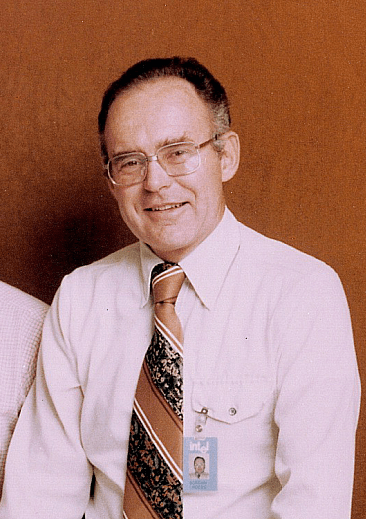
Gordon Moore
PERSON4 w/ Isaac·8 w/ Joseph
Prince Andrew
PERSON5 w/ Isaac·7 w/ Joseph
DB
Doug Band
PERSON4 w/ Isaac·7 w/ Joseph
Alan Dershowitz
PERSON4 w/ Isaac·7 w/ Joseph
Berkeley
LOCATION7 w/ Isaac·4 w/ Joseph
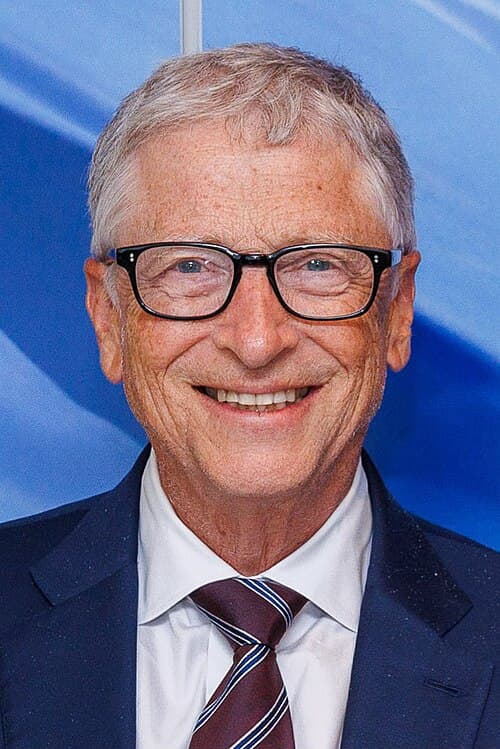
Bill Gates
PERSON3 w/ Isaac·8 w/ Joseph
George W. Bush
PERSON5 w/ Isaac·6 w/ Joseph
Cambridge University
ORGANIZATION3 w/ Isaac·8 w/ Joseph
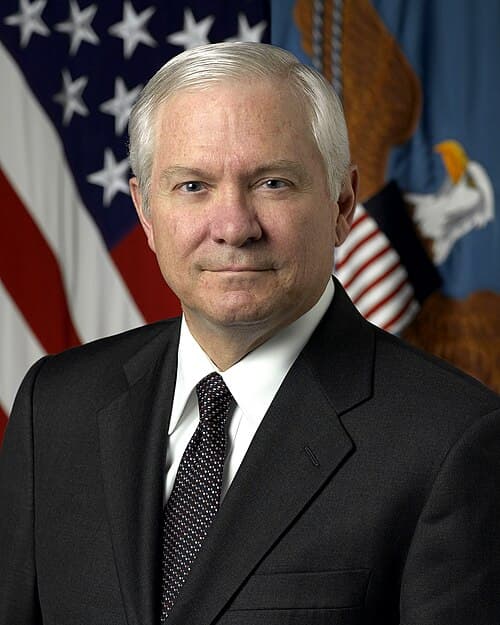
Robert Gates
PERSON3 w/ Isaac·8 w/ Joseph
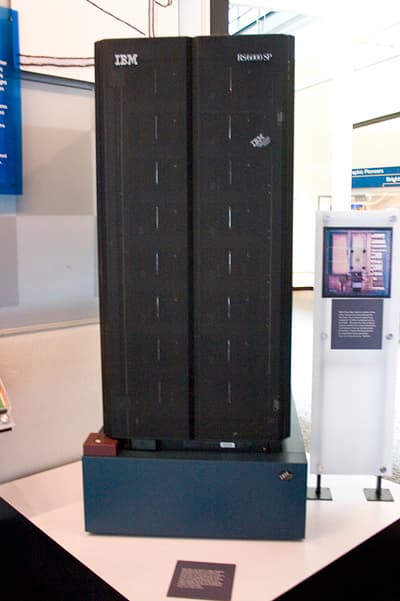
Deep Blue
PERSON4 w/ Isaac·6 w/ Joseph
Silicon Valley
LOCATION3 w/ Isaac·7 w/ Joseph
Julie K. Brown
PERSON5 w/ Isaac·5 w/ Joseph
Earth
LOCATION4 w/ Isaac·6 w/ Joseph
Richard Feynman
PERSON4 w/ Isaac·6 w/ Joseph
Feynman
PERSON4 w/ Isaac·6 w/ Joseph