Back to Network









7
Shared Docs
6
Same-Page
7 / 7
Mentions
Document Mentions (7 shared documents)
2 mentions1 same-page
Page ?Same page
ng decision" (Simon, Snow, & Read, 2004, p. 814; Greenspan & Scurich, 2016). As a result, perceptions and d
mation about the outcome. Hindsight bias refers to the tendency to overestimate how predictable an event is after learning the outcome of the event (Fischhoff, 1975). For example, after a political election, people believe their pre-election estimates of the outcome were closer to the outcome than they ac
Sponsored
2 mentions1 same-page
Page ?Same page
ng decision" (Simon, Snow, & Read, 2004, p. 814; Greenspan & Scurich, 2016). As a result, perceptions and d
mation about the outcome. Hindsight bias refers to the tendency to overestimate how predictable an event is after learning the outcome of the event (Fischhoff, 1975). For example, after a political election, people believe their pre-election estimates of the outcome were closer to the outcome than they ac
Sponsored
2 mentions
Page EFTA00016272
mation about the outcome. Hindsight bias refers to the tendency to overestimate how predictable an event is after learning the outcome of the event (Fischhoff, 1975). For example, after a political election, people believe their pre-election estimates of the outcome were closer to the outcome than they ac
Page: EFTA00016272 →Page EFTA00016273
isions follow from evidence, and evaluations of the evidence shift toward coherence with the emerging decision" (Simon, Snow, & Read, 2004, p. 814; Greenspan & Scurich, 2016). As a result, perceptions and decisions become highly skewed toward one interpretation while alternatives are neglected or dismiss
Page: EFTA00016273 →Sponsored
Mutual Connections (116)
Entities connected to both Alan Greenspan and Fischhoff
Jeffrey Epstein
PERSON38 w/ Alan·7 w/ Fischhoff
Bill Clinton
PERSON37 w/ Alan·7 w/ Fischhoff
Marc Rich
PERSON23 w/ Alan·7 w/ Fischhoff
Ghislaine Maxwell
PERSON20 w/ Alan·7 w/ Fischhoff
Virginia Giuffre
PERSON16 w/ Alan·6 w/ Fischhoff
Prince Andrew
PERSON17 w/ Alan·5 w/ Fischhoff
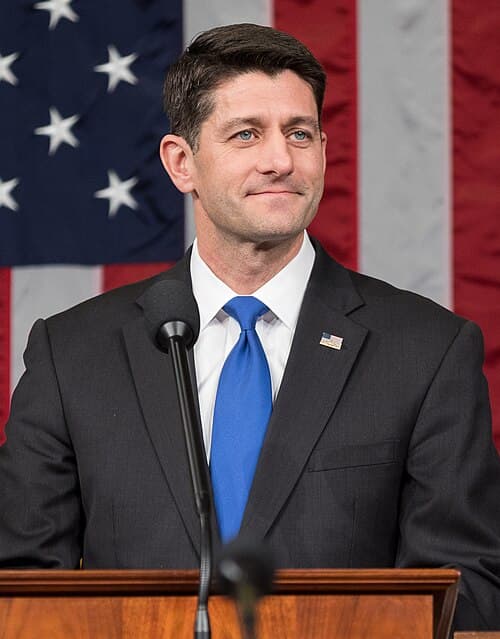
Paul Ryan
PERSON14 w/ Alan·5 w/ Fischhoff
Department of Justice
ORGANIZATION10 w/ Alan·7 w/ Fischhoff
Harvard Medical School
ORGANIZATION10 w/ Alan·7 w/ Fischhoff
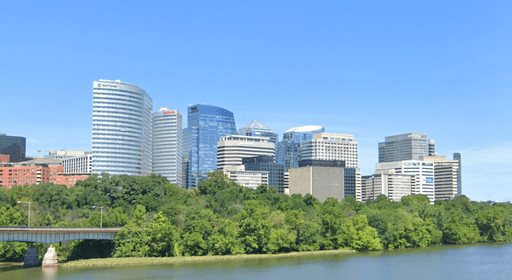
Arlington
LOCATION10 w/ Alan·7 w/ Fischhoff
University of Denver
ORGANIZATION8 w/ Alan·7 w/ Fischhoff
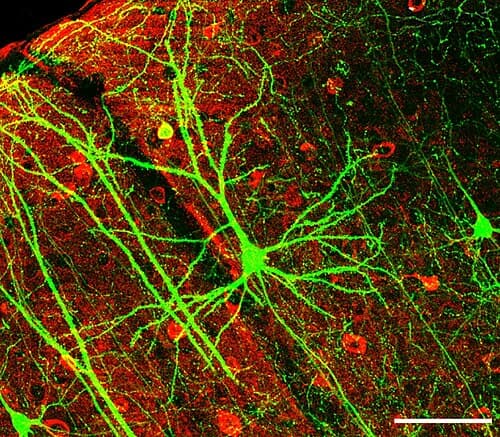
Neurology
PERSON9 w/ Alan·6 w/ Fischhoff
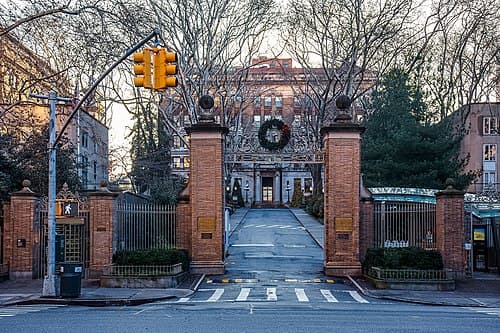
Johns Hopkins
ORGANIZATION9 w/ Alan·6 w/ Fischhoff
Denver
LOCATION9 w/ Alan·6 w/ Fischhoff
Steve Bannon
PERSON8 w/ Alan·7 w/ Fischhoff
Florida International University
ORGANIZATION8 w/ Alan·7 w/ Fischhoff
O'
O'Donohue
PERSON8 w/ Alan·7 w/ Fischhoff
Bernstein
PERSON8 w/ Alan·7 w/ Fischhoff
Oeberst & Goeckenjan
ORGANIZATION7 w/ Alan·7 w/ Fischhoff
Musch & Wagner
ORGANIZATION7 w/ Alan·7 w/ Fischhoff