Back to Network















4
Shared Docs
3
Same-Page
4 / 4
Mentions
Document Mentions (4 shared documents)
2 mentions1 same-page
Page ?Same page
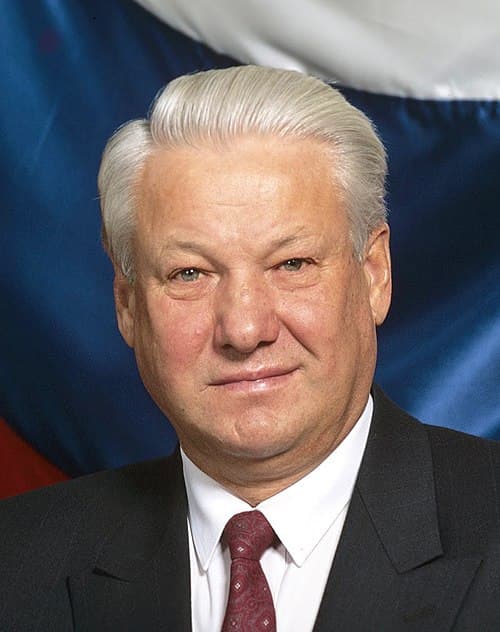
bjective and independent, Russian television and Russian media generally were no- table for their liveliness and diversity during the presidency of Boris Yeltsin. All did not sing out of the same hymnal, and most influential outlets reflected a variety of opinions about government policies, including the Kr
, and ways of doing things that had strengthened democratic governance in some of the more successful post-au- thoritarian societies, especially in Central Europe. More recently, modern authoritarian regimes have turned this concept on its head by sharing their own experiences with laws and tactics that have
2 mentions1 same-page
Page ?Same page
f state James Baker, worked hard to negotiate a peaceful dissolution of the Soviet empire, and it found reluctant partners in Mikhail Gorbachev and Boris Yeltsin. In the following decade, U.S. policy was less wise and balanced, and Russia also provided a less judicious counterpart. No doubt, Russian power a
eakened and disorganized Russia watched first as the Warsaw Pact disintegrated and then as the Soviet Union itself did. In both regions, especially Central Europe, the Kremlin might have responded with military force as it had before, possibly even with tactical nuclear weapons, but happily clearer heads prev
2 mentions1 same-page
Page ?Same page
lagrantly ignored German wishes and interests. This is how we treated Russia in the 1990s. The West provided economic aid to the "Weimar Russia" of Boris Yeltsin much as the Young and the Dawes plans helped Germany relaunch its economy in the 1920s. But in the 1990s as in the 1920s the West was uninterested
would be a smaller and more poorly situated power than the Soviet Union. Germany remains united, Poland is free, and Russia cannot hope to dominate Central Europe as the USSR once did. European fecklessness dragged the Clinton administration kicking and screaming into the morass of the bloody wars of the Yugo
Sponsored
HOUSE_OVERSIGHT_019233 - HOUSE_OVERSIGHT_019296
FH_Authoritarians_Report_2017.indd
2 mentions
Page HOUSE_OVERSIGHT_019250
objective and independent, Russian television and Russian media generally were no- table for their liveliness and diversity during the presidency of Boris Yeltsin. All did not sing out of the same hymnal, and most influential outlets reflected a variety of opinions about government policies, including the Kreml
Page: HOUSE_OVERSIGHT_019250 →Page HOUSE_OVERSIGHT_019261
es, and ways f doing things that had strengthened democratic governance in some of the more successful post-au- thoritarian societies, especially in Central Europe. ore recently, modern authoritarian regimes have turned this concept on its head by sharing their own experiences with laws and tactics that have th
Page: HOUSE_OVERSIGHT_019261 →Sponsored
Mutual Connections (374)
Entities connected to both Boris Yeltsin and Central Europe
United States
LOCATION6 w/ Boris·20 w/ Central
Barack Obama
PERSON8 w/ Boris·15 w/ Central
Vladimir Putin
PERSON7 w/ Boris·15 w/ Central
George W. Bush
PERSON6 w/ Boris·14 w/ Central
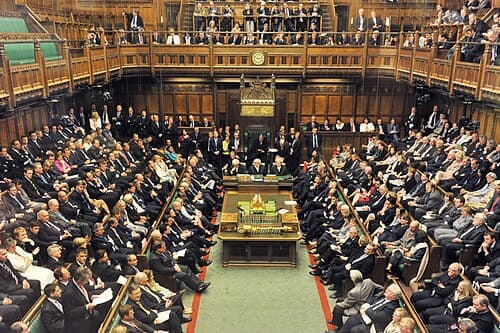
European Parliament
ORGANIZATION6 w/ Boris·13 w/ Central
Kremlin
ORGANIZATION6 w/ Boris·13 w/ Central
Bill Clinton
PERSON7 w/ Boris·11 w/ Central
Benjamin Netanyahu
PERSON3 w/ Boris·14 w/ Central
Middle East
LOCATION5 w/ Boris·11 w/ Central
Bashar al-Assad
PERSON5 w/ Boris·10 w/ Central
Samantha Power
PERSON5 w/ Boris·9 w/ Central
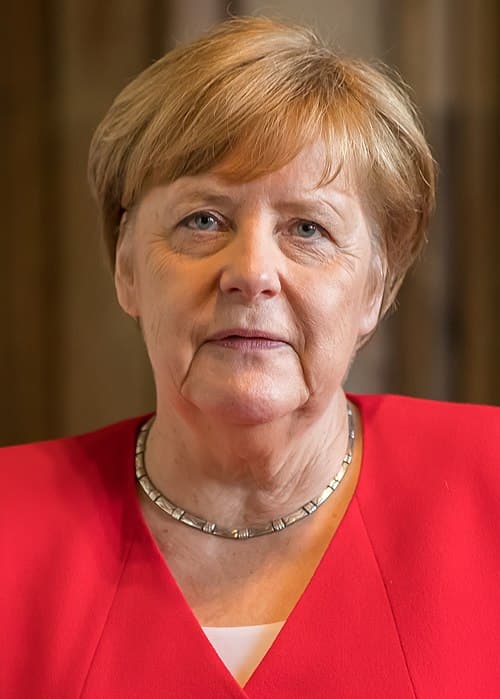
Angela Merkel
PERSON7 w/ Boris·7 w/ Central
European Union
ORGANIZATION4 w/ Boris·10 w/ Central
Cairo
LOCATION4 w/ Boris·10 w/ Central
Department of Justice
ORGANIZATION4 w/ Boris·10 w/ Central
Jeffrey Epstein
PERSON2 w/ Boris·11 w/ Central
North Korea
LOCATION2 w/ Boris·11 w/ Central
Donald Trump
PERSON2 w/ Boris·11 w/ Central
Ronald Reagan
PERSON5 w/ Boris·8 w/ Central
Hillary Clinton
PERSON3 w/ Boris·9 w/ Central