Back to Network







5
Shared Docs
5
Same-Page
5 / 5
Mentions
Document Mentions (5 shared documents)
2 mentions1 same-page
Page ?Same page
reciable deterrence." United States v. Eldred, 933 F.3d 110, 118 (2d Cir. 2019) (quotingHerring v. Un ited States,555 U.S. 135, 141(2009)); see also Herring, 555 U.S. at 144 (concluding that "[t]o trigger the exclusionary rule, police conduct must be sufficiently deliberate that exclusion can meaningful
knowledge of the scheme's existence. A defendant may commit perjury by falsely denying memory or knowledge of an event. See, e.g., United States v. Alberti, 568 F.2d 617, 625 (2d Cir. 1977); United States v. Weiner, 479 F.2d 923, 926, 929 (2d Cir. 1973); Forde, 740 F. Supp. 2d at 410-11. Viewing the qu
2 mentions1 same-page
Page ?Same page
ciable deterrence." United States v. Eldred, 933 F.3d 110, 118 (2d Cir. 2019) (quoting Herring v. United States, 555 U.S. 135, 141 (2009)); see also Herring, 555 U.S. at 144 (concluding that "[t]o trigger the exclusionary rule, police conduct must be sufficiently deliberate that exclusion can meaningful
knowledge of the scheme's existence. A defendant may commit perjury by falsely denying memory or knowledge of an event. See, e.g., United States v. Alberti, 568 F.2d 617, 625 (2d Cir. 1977); United States v. Weiner, 479 F.2d 923, 926, 929 (2d Cir. 1973); Forde, 740 F. Supp. 2d at 410-11. Viewing the qu
Sponsored
2 mentions1 same-page
Page ?Same page
ciable deterrence." United States v. Eldred, 933 F.3d 110, 118 (2d Cir. 2019) (quoting Herring v. United States, 555 U.S. 135, 141 (2009)); see also Herring, 555 U.S. at 144 (concluding that "[t]o trigger the exclusionary rule, police conduct must be sufficiently deliberate that exclusion can meaningful
knowledge of the scheme's existence. A defendant may commit perjury by falsely denying memory or knowledge of an event. See, e.g., United States v. Alberti, 568 F.2d 617, 625 (2d Cir. 1977); United States v. Weiner, 479 F.2d 923, 926, 929 (2d Cir. 1973); Forde, 740 F. Supp. 2d at 410-11. Viewing the qu
Sponsored
Mutual Connections (267)
Entities connected to both Herring and Alberti
Jeffrey Epstein
PERSON15 w/ Herring·14 w/ Alberti
Bradley Edwards
PERSON10 w/ Herring·10 w/ Alberti
Ghislaine Maxwell
PERSON9 w/ Herring·11 w/ Alberti
United States
LOCATION10 w/ Herring·10 w/ Alberti
MF
Maria Farmer
PERSON10 w/ Herring·9 w/ Alberti
JD
Jane Doe
PERSON10 w/ Herring·8 w/ Alberti
George Mitchell
PERSON8 w/ Herring·10 w/ Alberti
Julie K. Brown
PERSON6 w/ Herring·12 w/ Alberti
Oregon
LOCATION7 w/ Herring·10 w/ Alberti
MW
Martin Weinberg
PERSON7 w/ Herring·10 w/ Alberti
Supreme Court
ORGANIZATION6 w/ Herring·11 w/ Alberti
David Boies
PERSON7 w/ Herring·10 w/ Alberti
Chris Tucker
PERSON7 w/ Herring·10 w/ Alberti
SW
Sweet
PERSON6 w/ Herring·10 w/ Alberti
Minnesota
LOCATION6 w/ Herring·10 w/ Alberti
Michigan
LOCATION7 w/ Herring·9 w/ Alberti
the Second Circuit's
ORGANIZATION6 w/ Herring·10 w/ Alberti
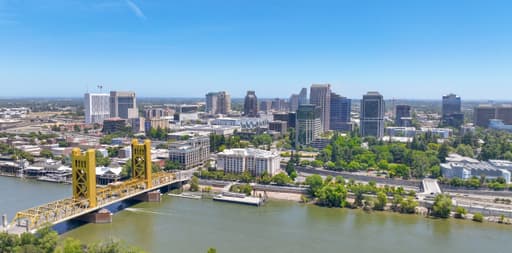
Sacramento
LOCATION6 w/ Herring·10 w/ Alberti
the Southern District
LOCATION6 w/ Herring·10 w/ Alberti
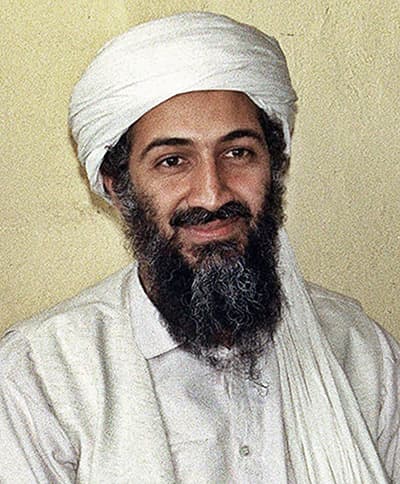
Bin Laden
PERSON5 w/ Herring·11 w/ Alberti