Back to Network












3
Shared Docs
3
Same-Page
7 / 3
Mentions
Document Mentions (3 shared documents)
4 mentions1 same-page
Page ?Same page
directly, it is now engulfing Syria, and Syria is basically their only true ally in the region. And it is our estimation that [President Bashar al- Assad's] days are numbered. It's a matter not of if, but when. Now, can we accelerate that? We're working with the world community to try to do that. It
. But more directly, it is now engulfing Syria, and Syria is basically their only true ally in the region. And it is our estimation that [President Bashar al- Assad's] days are numbered. It's a matter not of if, but when. Now, can we accelerate that? We're working with the world community to try to do
rected toward Syria and its weapons of mass destruction. When the Syrian uprising began more than a year ago, few predicted the regime of President Bashar al-Assad would ever teeter toward collapse. Now, though, the demise of Damascus's current leadership appears inevitable, and Syria's revolution will likely
omprehensive insight came from Barry Chudakov, a Florida- based consultant and a research fellow in the McLuhan Program in Culture and Technology at the University of Toronto. He wrote that by 2020, "Technology will be so seamlessly integrated into our lives that it will effectively disappear. The line between self and t
3 mentions1 same-page
Page ?Same page
W. Bush's expansive doctrine, promoting freedom. Senator John McCain, demanding American air strikes to help rebels topple the Syrian government of Bashar al-Assad, adopts the Bush "freedom agenda" rationale: by halting suffering and helping overthrow tyranny, we earn some leverage with the victors, improving
cs who would not hesitate to use them. Syria, says Nagl, is another good place to think hard about collateral chaos: "The hard part is not toppling Assad, it's what comes afterwards. Everybody raise your hands if you're up for another occupation of an Islamic country." My first caveat is public opin
ntering it in real life; in each case, the same neurological regions are stimulated. Keith Oatley, an emeritus professor of cognitive psychology at the University of Toronto (and a published novelist), has proposed that reading produces a vivid simulation of reality, one that "runs on minds of readers just as computer s
3 mentions1 same-page
Page ?Same page
. Bush's expansive doctrine, promoting freedom. Senator John McCain, demanding American air strikes to help rebels topple the Syrian government of Bashar al-Assad, adopts the Bush "freedom agenda" rationale: by halting suffering and helping overthrow tyranny, we earn some leverage with the victors, improving
cs who would not hesitate to use them. Syria, says Nagl, is another good place to think hard about collateral chaos: "The hard part is not toppling Assad, it's what comes afterwards. Everybody raise your hands if you're up for another occupation of an Islamic country." My first caveat is public opin
tering it in real life; in each case, the same neurological regions are stimulated. Keith Oatley, an emeritus professor of cognitive psychology at the University of Toronto (and a published novelist), has proposed that reading produces a vivid simulation of reality, one that "runs on minds of readers just as computer s
Sponsored
Mutual Connections (123)
Entities connected to both Bashar al-Assad and the University of Toronto
Barack Obama
PERSON235 w/ Bashar·5 w/ the
George W. Bush
PERSON176 w/ Bashar·5 w/ the
United States
LOCATION171 w/ Bashar·4 w/ the
Lebanon
LOCATION166 w/ Bashar·4 w/ the
Benjamin Netanyahu
PERSON154 w/ Bashar·3 w/ the
Tehran
LOCATION149 w/ Bashar·3 w/ the
Damascus
LOCATION137 w/ Bashar·3 w/ the
Terje Rod-Larsen
PERSON122 w/ Bashar·4 w/ the
Tunisia
LOCATION112 w/ Bashar·3 w/ the
Marc Rich
PERSON105 w/ Bashar·5 w/ the
Vladimir Putin
PERSON96 w/ Bashar·2 w/ the
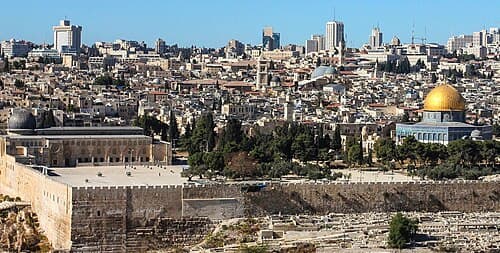
Jerusalem
LOCATION95 w/ Bashar·3 w/ the
Department of Justice
ORGANIZATION76 w/ Bashar·3 w/ the
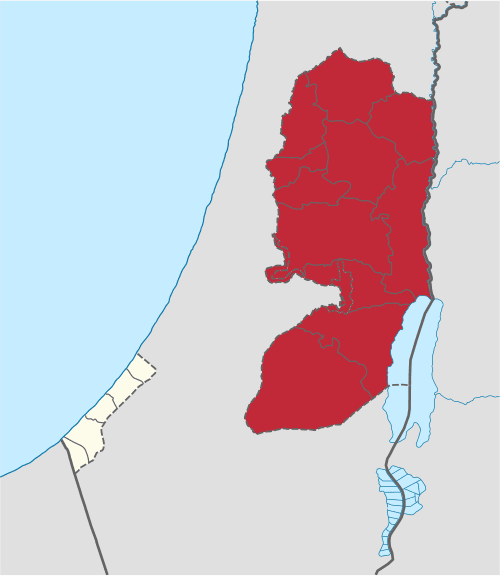
West Bank
LOCATION69 w/ Bashar·3 w/ the
the West Bank
LOCATION65 w/ Bashar·3 w/ the
Kremlin
ORGANIZATION63 w/ Bashar·2 w/ the
Ehud Barak
PERSON57 w/ Bashar·3 w/ the
Morocco
LOCATION57 w/ Bashar·2 w/ the
Vietnam
LOCATION55 w/ Bashar·2 w/ the
LB
Leon Black
PERSON51 w/ Bashar·2 w/ the