Back to Network




5
Shared Docs
5
Same-Page
5 / 5
Mentions
Document Mentions (5 shared documents)
2 mentions1 same-page
Page ?Same page
hat each of the contingencies necessary to the legal discovery of the contested evidence would be resolved in the government's favor."' Id. (quoting Heath, 455 F.3d at 60). As the Supreme Court has explained, if the Government can establish that the evidence inevitably would have been discovered by la
s "are violated only when the challenged conduct invaded his legitimate expectation of privacy rather than that of a third party." United States v. Payner, 447 U.S. 727, 731 (1980) (emphasis in original); see also United States v. Villegas, 899 F.2d 1324, 1333 (2d Cir. 1990). Ultimately, the Fourth Ame
2 mentions1 same-page
Page ?Same page
that each of the contingencies necessary to the legal discovery of the contested evidence would be resolved in the government's favor." Id. (quoting Heath, 455 F.3d at 60). As the Supreme Court has explained, if the Government can establish that the evidence inevitably would have been discovered by la
s "are violated only when the challenged conduct invaded his legitimate expectation of privacy rather than that of a third party." United States v. Payner, 447 U.S. 727, 731 (1980) (emphasis in original); see also United States v. Villegas, 899 F.2d 1324, 1333 (2d Cir. 1990). Ultimately, the Fourth Ame
2 mentions1 same-page
Page ?Same page
that each of the contingencies necessary to the legal discovery of the contested evidence would be resolved in the government's favor." Id. (quoting Heath, 455 F.3d at 60). As the Supreme Court has explained, if the Government can establish that the evidence inevitably would have been discovered by la
s "are violated only when the challenged conduct invaded his legitimate expectation of privacy rather than that of a third party." United States v. Payner, 447 U.S. 727, 731 (1980) (emphasis in original); see also United States v. Villegas, 899 F.2d 1324, 1333 (2d Cir. 1990). Ultimately, the Fourth Ame
Sponsored
2 mentions1 same-page
Page ?Same page
that each of the contingencies necessary to the legal discovery of the contested evidence would be resolved in the government's favor." Id. (quoting Heath, 455 F.3d at 60). As the Supreme Court has explained, if the Government can establish that the evidence inevitably would have been discovered by la
s "are violated only when the challenged conduct invaded his legitimate expectation of privacy rather than that of a third party." United States v. Payner, 447 U.S. 727, 731 (1980) (emphasis in original); see also United States v. Viliegas, 899 F.2d 1324, 1333 (2d Cir. 1990). Ultimately, the Fourth Ame
2 mentions1 same-page
Page ?Same page
that each of the contingencies necessary to the legal discovery of the contested evidence would be resolved in the government's favor." Id. (quoting Heath, 455 F.3d at 60). As the Supreme Court has explained, if the Government can establish that the evidence inevitably would have been discovered by la
s "are violated only when the challenged conduct invaded his legitimate expectation of privacy rather than that of a third party." United States v. Payner, 447 U.S. 727, 731 (1980) (emphasis in original); see also United States v. Villegas, 899 F.2d 1324, 1333 (2d Cir. 1990). Ultimately, the Fourth Ame
Sponsored
Mutual Connections (273)
Entities connected to both Heath and Payner
Jeffrey Epstein
PERSON33 w/ Heath·13 w/ Payner
Ghislaine Maxwell
PERSON23 w/ Heath·13 w/ Payner
Julie K. Brown
PERSON21 w/ Heath·12 w/ Payner
United States
LOCATION21 w/ Heath·11 w/ Payner
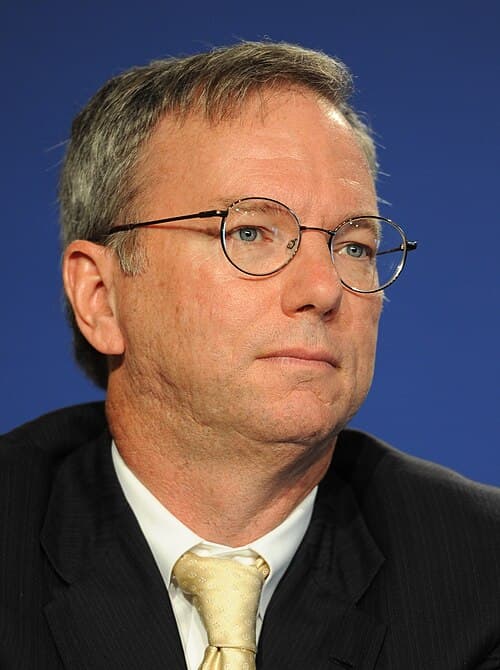
Eric Schmidt
PERSON15 w/ Heath·13 w/ Payner
CM
Colleen McMahon
PERSON14 w/ Heath·13 w/ Payner
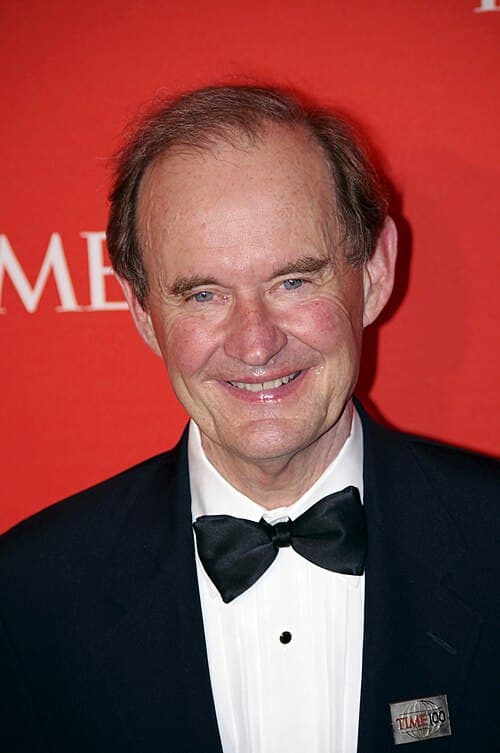
David Boies
PERSON14 w/ Heath·13 w/ Payner
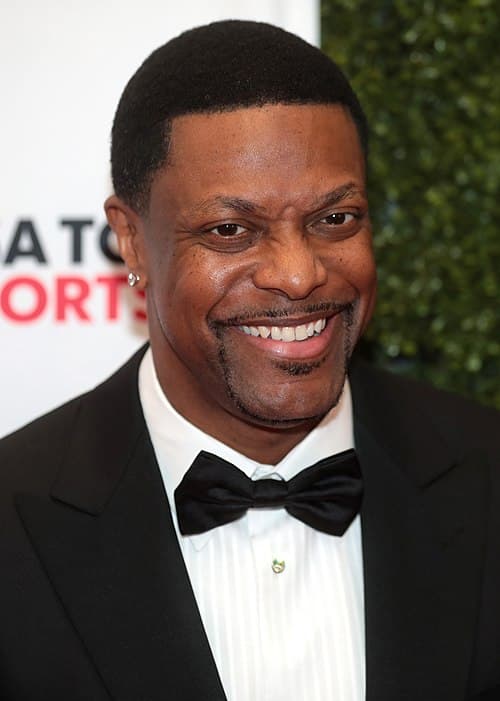
Chris Tucker
PERSON19 w/ Heath·5 w/ Payner
Bradley Edwards
PERSON16 w/ Heath·8 w/ Payner
Carpenter
PERSON14 w/ Heath·10 w/ Payner
the Southern District
LOCATION13 w/ Heath·11 w/ Payner
Supreme Court
ORGANIZATION13 w/ Heath·10 w/ Payner
MA
Martindell
PERSON11 w/ Heath·12 w/ Payner
FI
Fisher
PERSON13 w/ Heath·10 w/ Payner
Michael Jackson
PERSON18 w/ Heath·5 w/ Payner
Scarlett Johansson
PERSON17 w/ Heath·5 w/ Payner
George Mitchell
PERSON17 w/ Heath·5 w/ Payner
SW
Sweet
PERSON14 w/ Heath·7 w/ Payner
Minnesota
LOCATION16 w/ Heath·5 w/ Payner
the Second Circuit's
ORGANIZATION10 w/ Heath·10 w/ Payner