Back to Network


















4
Shared Docs
4
Same-Page
4 / 4
Mentions
Document Mentions (4 shared documents)
2 mentions1 same-page
Page ?Same page
cial Intelligence, 20:197-218, 2008. JM09. Daniel Jurafsky and James Martin. Speech and Language Processing. Pearson Prentice Hall, 2009. Joy00. Bill Joy. Why the future doesn't need us, Wired. April 2000. Kant91. George Kampis. Self-Modifying Systems in Biology and Cognitive Science. Plenum Press, 1
972. Wit07. David C. Witherington. The Dynamic Systems Approach as Metatheory for Developmental Psy- chology, Human Development. 50, 2007. Wol02. Stephen Wolfram. A New Kind of Science. Wolfram Media. 2002. WW06. Matt Williams and Jon Williamson. Combining argumentation and bayesian nets for breast cancer p
2 mentions1 same-page
Page ?Same page
ificial Intelligence, 20:197—218, 2008. JMo9. Daniel Jurafsky and James Martin. Speech and Language Processing. Pearson Prentice Hall, 2009. Joy00. Bill Joy. Why the future doesn’t need us, Wired. April 2000. Kam91. George Kampis. Self-Modifying Systems in Biology and Cognitive Science. Plenum Press, 199
1972. Wit07. David C. Witherington. The Dynamic Systems Approach as Metatheory for Developmental Psy- chology, Human Development. 50, 2007. Wol02. Stephen Wolfram. A New Kind of Science. Wolfram Media, 2002. WwWwoe. Matt Williams and Jon Williamson. Combining argumentation and bayesian nets for breast cancer p
2 mentions1 same-page
Page ?Same page
inal dissident speaking this particular truth. In April 2000, there was a lengthy opinion piece in Wired titled, “Why the Future Doesn’t Need Us,” by Bill Joy, co-founder and chief scientist of Sun Microsystems. He warned: Accustomed to living with almost routine scientific breakthroughs, we have yet to co
rofound engagement with the most important scientific minds who have been thinking about AI—from Alison Gopnik and David Deutsch to Frank Wilczek and Stephen Wolfram— Deep Thinking 1s an ideal introduction to the landscape of crucial issues AI presents. The collision between opposing perspectives is salutary and
Sponsored
2 mentions1 same-page
Page ?Same page
inal dissident speaking this particular truth. In April 2000, there was a lengthy opinion piece in Wired titled, “Why the Future Doesn’t Need Us,” by Bill Joy, co-founder and chief scientist of Sun Microsystems. He warned: Accustomed to living with almost routine scientific breakthroughs, we have yet to co
rofound engagement with the most important scientific minds who have been thinking about AI—from Alison Gopnik and David Deutsch to Frank Wilczek and Stephen Wolfram— Deep Thinking 1s an ideal introduction to the landscape of crucial issues AI presents. The collision between opposing perspectives is salutary and
Sponsored
Mutual Connections (1,007)
Entities connected to both Bill Joy and Stephen Wolfram
Stephen Hawking
PERSON4 w/ Bill·163 w/ Stephen
Jeffrey Epstein
PERSON15 w/ Bill·137 w/ Stephen
Eric Trump
PERSON6 w/ Bill·52 w/ Stephen
Danny Hillis
PERSON8 w/ Bill·46 w/ Stephen
WO
Wolfram
PERSON2 w/ Bill·47 w/ Stephen
Elon Musk
PERSON13 w/ Bill·36 w/ Stephen
Marc Rich
PERSON5 w/ Bill·41 w/ Stephen
Michael Douglas
PERSON5 w/ Bill·39 w/ Stephen
Nathan Myhrvold
PERSON11 w/ Bill·33 w/ Stephen
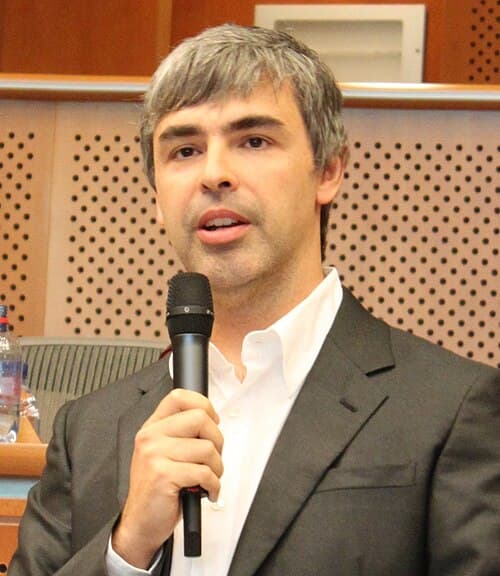
Larry Page
PERSON10 w/ Bill·31 w/ Stephen
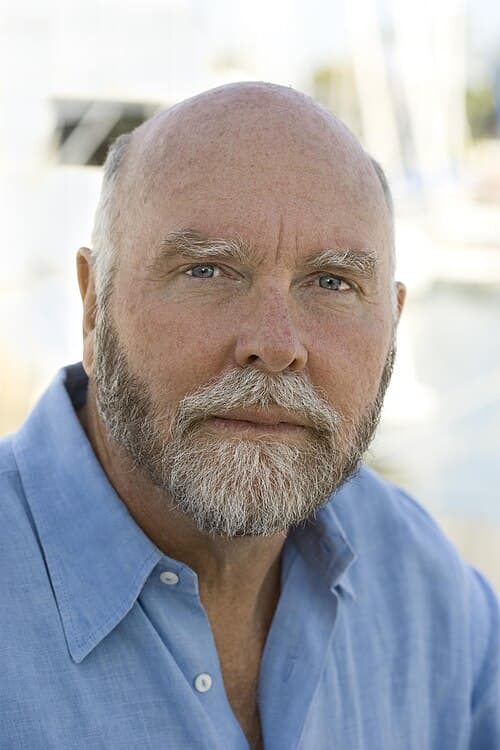
Craig Venter
PERSON6 w/ Bill·32 w/ Stephen
John Brockman
PERSON15 w/ Bill·21 w/ Stephen
Ghislaine Maxwell
PERSON2 w/ Bill·33 w/ Stephen
Martin Nowak
PERSON2 w/ Bill·33 w/ Stephen
Prince Charles
PERSON10 w/ Bill·24 w/ Stephen
Steven Pinker
PERSON8 w/ Bill·16 w/ Stephen
Bill Gates
PERSON12 w/ Bill·10 w/ Stephen
Daniel Dennett
PERSON6 w/ Bill·16 w/ Stephen
George W. Bush
PERSON11 w/ Bill·11 w/ Stephen
Woody Allen
PERSON11 w/ Bill·11 w/ Stephen