Back to Network


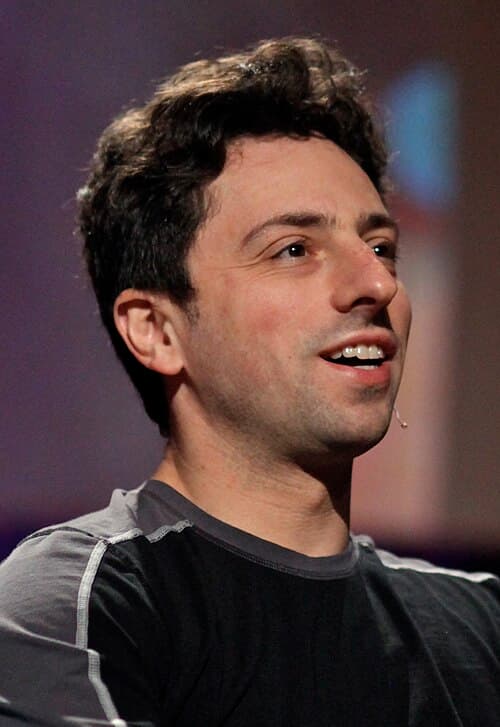
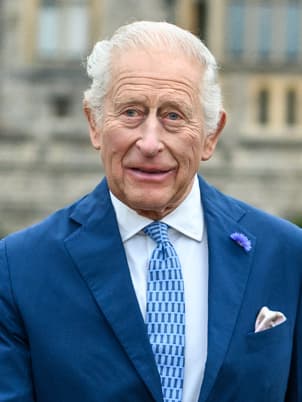
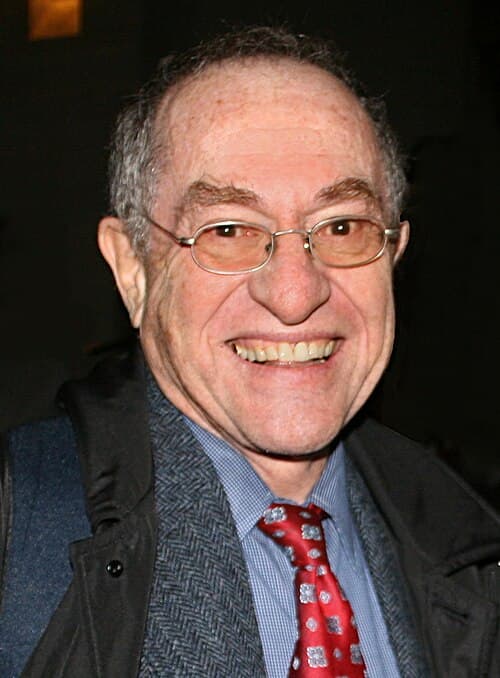

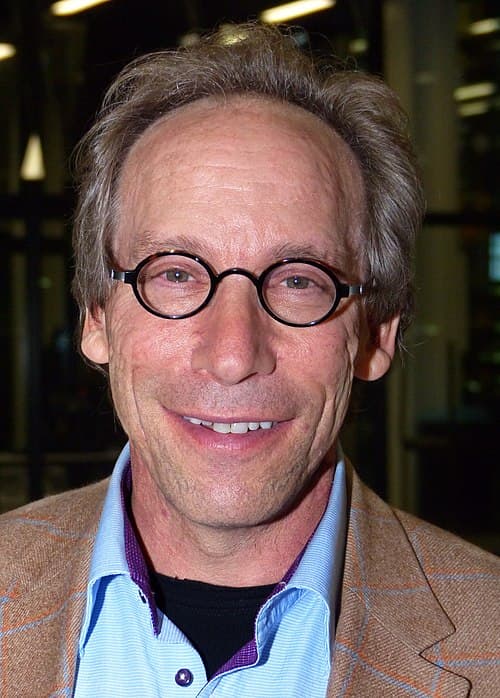

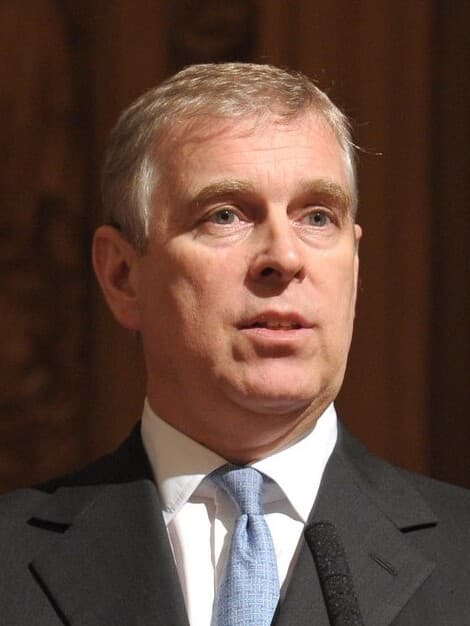
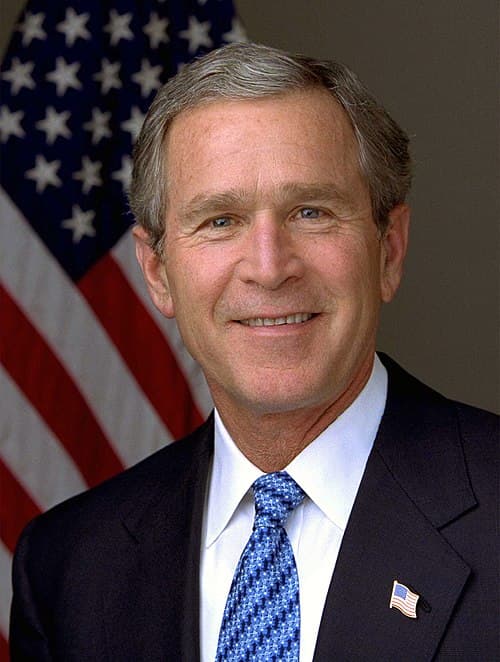
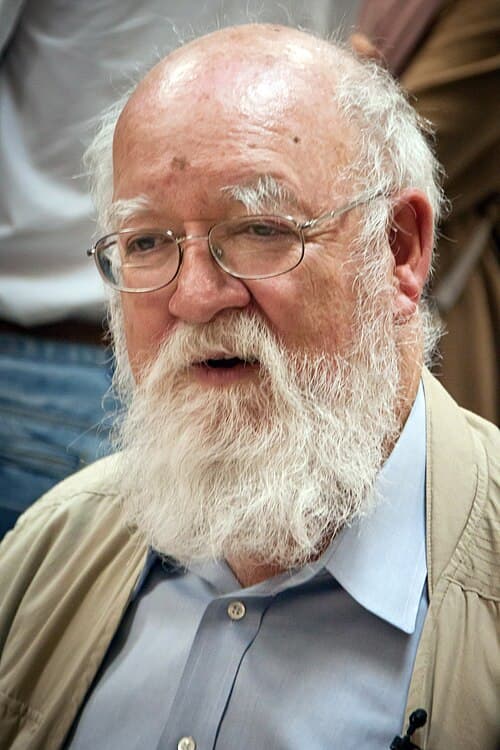
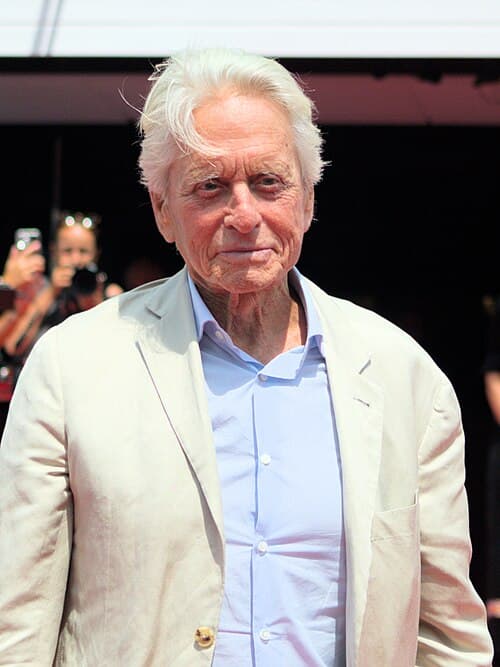
4
Shared Docs
4
Same-Page
5 / 4
Mentions
Document Mentions (4 shared documents)
3 mentions1 same-page
Page ?Same page
ssible to make AGI on digital computers. While we suspect this is correct, we must note that it isn’t proven. It might be that — as Penrose [Pen96], Hameroff [Mam87] and others have argued — we need quantum computers or quantum gravity computers to make AGI. However, there is no evidence of this at this st
sists of the wealthiest nodes and links. Figures 3.3 and 3.4 illustrate the existence and flow of attentional focus in OpenCog. On the other hand, in Hameroff’s recent model of the brain [Ham10], the brain’s moving bubble of attention is achieved through dendro-dendritic connections and the emergent dendrit
een eens 289 16.1 Introduction .......... 0.0000 teen teens 289 16.1.1 Contrast to Standard AI Evaluation Methodologies ................... 290 16.2 Elements of Preschool Design ...........00 0.00 e eee eee eee 291 16.3 Elements of Preschool Curriculum ........0... 00000 c eee eee eee 292 16.3.1 Preschool in the Light of Inte
2 mentions1 same-page
Page ?Same page
sts of the wealthiest nodes and links. Figures 3.3 and 3.4 illustrate the existence and flow of attentional focus in OpenCog. On the other hand, in Hameroff's recent model of the brain 'Hamill], the brain's moving bubble of attention is achieved through dendro-dendritic connections and the emergent dendr
n V A Path to Human-Level AGI 16 AGI Preschool 289 16.1 Introduction 289 16.1.1 Contrast to Standard AI Evaluation Methodologies 290 16.2 Elements of Preschool Design 291 16.3 Elements of Preschool Curriculum 292 16.3.1 Preschool in the Light of Intelligence Theory 293 16.4 Task-Based Assessment in AGI P
2 mentions1 same-page
Page ?Same page
ulation of the human mind. Development and Learning, International Conf. on, 0, 2002. AGBD+08. Derek Abbott, Julio Gea-Banacloche, Paul C W Davies, Stuart Hameroff, Anton Zeilinger, lens Eisert, Howard M. Wiseman, Sergey M. Bezrukov, and Hans Frauenfelder. Plenary debate: quan- tum effects in biologetrivial or
d "transfer learning," where the goal for an AI is to learn one task quicker given another task solved previously 10%117, TM95, EFTA00624066 16.2 Elements of Preschool Design 291 )1C05j. This is one of the capabilities an AI agent will need to simultaneously lear❑ different types of tasks as proposed in the Preschool sc
Sponsored
2 mentions1 same-page
Page ?Same page
mulation of the human mind. Development and Learning, International Conf. on, 0, 2002. AGBDt08. Derek Abbott, Julio Gea-Banacloche, Paul C W Davies, Stuart Hameroff, Anton Zeilinger, Jens Eisert, Howard M. Wiseman, Sergey M. Bezrukov, and Hans Frauenfelder. Plenary debate: quan- tum effects in biology?trivial or
fer learning,” where the goal for an AT is to learn one task quicker given another task solved previously [Car97, TM95, HOUSE_OVERSIGHT_013206 16.2 Elements of Preschool Design 291 BDS03, TSO07, RZDKO5]. This is one of the capabilities an AI agent will need to simultaneously learn different types of tasks as proposed in the
Sponsored
Mutual Connections (803)
Entities connected to both Stuart Hameroff and Elements of Preschool Design
Jeffrey Epstein
PERSON101 w/ Stuart·2 w/ Elements
Gino Yu
PERSON31 w/ Stuart·4 w/ Elements
Roger Penrose
PERSON24 w/ Stuart·2 w/ Elements
Woody Allen
PERSON23 w/ Stuart·2 w/ Elements
Joscha Bach
PERSON16 w/ Stuart·4 w/ Elements
Shanghai
LOCATION18 w/ Stuart·2 w/ Elements
Stephen Hawking
PERSON15 w/ Stuart·4 w/ Elements
Quantum
ORGANIZATION16 w/ Stuart·2 w/ Elements
Sergey Brin
PERSON15 w/ Stuart·2 w/ Elements
Prince Charles
PERSON13 w/ Stuart·4 w/ Elements
Alan Dershowitz
PERSON13 w/ Stuart·4 w/ Elements
Julie K. Brown
PERSON11 w/ Stuart·2 w/ Elements
Lawrence Krauss
PERSON11 w/ Stuart·2 w/ Elements
Penrose
PERSON11 w/ Stuart·2 w/ Elements
Indiana University
ORGANIZATION8 w/ Stuart·4 w/ Elements
Prince Andrew
PERSON8 w/ Stuart·4 w/ Elements
George W. Bush
PERSON7 w/ Stuart·4 w/ Elements
Daniel Dennett
PERSON7 w/ Stuart·4 w/ Elements
Michael Douglas
PERSON7 w/ Stuart·4 w/ Elements
Marc Rich
PERSON7 w/ Stuart·4 w/ Elements