Back to Network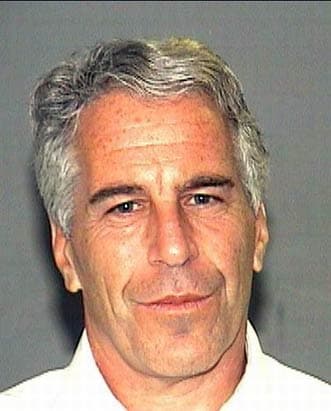










11
Shared Docs
11
Same-Page
11 / 11
Mentions
Document Mentions (11 shared documents)
2 mentions1 same-page
Page ?Same page
t it be accused of unproven coercion. Informal resolution, p952] Congress' preferred course, will therefore become even more difficult. See West v. Gibson, 527 U.S. 212, 218-19, 119 S. Ct. 1906, 144 L. Ed. 2d 196 (1999) (noting Congress's intention that Title VII claims would be resolved informally).
ntiary standard leaves this circuit alone on an island. The Brown I majority suggested that its lenient view of the necessary evidence aligned with the Second Circuit's decision in Caridad v. Metro-North Commuter Railroad, 191 F.3d 283 (2d Cir. 1999). See Brown I, 576 F.3d at 157 (citing Caridad, 191 F.3d at 293).
2 mentions1 same-page
Page ?Same page
Supp. 2d 502 (S.D.N.Y. 2010) 155 United States v. Ghavami, No. 10 Cr. 1217 (KMW), 2012 WL 2878126 (S.D.N.Y. July 13, 2012) 262 United States v. Gibson, 175 F. Supp. 2d 532 (S.D.N.Y. 2001) 268 United States v. Gilbert, 266 F.3d 1180 (9th Cir. 2001) 62 United States v. Gillette, 383 F.2d 843 (2
ircuits have emphasized this distinction in the context of Section 3283. Leo Sure Chief 438 F.3d, at 922-25; Jeffries, 405 F.3d 685. Read together, the Second Circuit's decisions in Weingarten, Vernon, Enterprise, and Falter establish that Congress may retroactively extend the limitations period for still-viable pr
2 mentions1 same-page
Page ?Same page
a discovery device or a means to compel the government to disclose evidence or witnesses to be offered prior to trial."' (quoting United States v. Gibson, 175 F. Supp. 2d 532, 537 (S.D.N.Y. 2001))); United States v. Bellomo, 263 F. Supp. 2d 561, 580 (E.D.N.Y. 2003) ("A bill of particulars is not desig
und the time of the defendant's trial, or some combination thereof. Id. Ultimately, the district court in Rioux found that the teaching of Duren and the Second Circuit's subsequent cases is that "the court must assess representativeness in the context of the systematic defect identified by the defendant." Id. at 156
Sponsored
2 mentions1 same-page
Page ?Same page
Supp. 2d 502 (S.D.N.Y. 2010) 155 United States v. Ghavami, No. 10 Cr. 1217 (KMW), 2012 WL 2878126 (S.D.N.Y. July 13, 2012) 262 United States v. Gibson, 175 F. Supp. 2d 532 (S.D.N.Y. 2001) 268 United States v. Gilbert, 266 F.3d 1180 (9th Cir. 2001) 62 United States v. Gillette, 383 F.2d 843 (2
ircuits have emphasized this distinction in the context of Section 3283. Leo Sure Chief 438 F.3d, at 922-25; Jeffries, 405 F.3d 685. Read together, the Second Circuit's decisions in Weingarten, Vernon, Enterprise, and Faker establish that Congress may retroactively extend the limitations period for still-viable pro
2 mentions1 same-page
Page ?Same page
, a discovery device or a means to compel the government to disclose evidence or witnesses to be offered prior to trial.' (quoting United States v. Gibson, 175 F. Supp. 2d 532, 537 (S.D.N.Y. 2001))); United States v. Bellomo, 263 F. Supp. 2d 561, 580 (E.D.N.Y. 2003) ("A bill of particulars is not desig
und the time of the defendant's trial, or some combination thereof. Id. Ultimately, the district court in Rioux found that the teaching of Duren and the Second Circuit's subsequent cases is that "the court must assess representativeness in the context of the systematic defect identified by the defendant." Id. at 156
2 mentions1 same-page
Page ?Same page
Supp. 2d 502 (S.D.N.Y. 2010) 155 United States v. Ghavami, No. 10 Cr. 1217 (KMW), 2012 WL 2878126 (S.D.N.Y. July 13, 2012) 262 United States v. Gibson, 175 F. Supp. 2d 532 (S.D.N.Y. 2001) 268 United States v. Gilbert, 266 F.3d 1180 (9th Cir. 2001) 62 United States v. Gillette, 383 F.2d 843 (2
ircuits have emphasized this distinction in the context of Section 3283. Leo Sure Chief 438 F.3d, at 922-25; Jeffries, 405 F.3d 685. Read together, the Second Circuit's decisions in Weingarten, Vernon, Enterprise, and Faker establish that Congress may retroactively extend the limitations period for still-viable pro
Sponsored
2 mentions1 same-page
Page ?Same page
, a discovery device or a means to compel the government to disclose evidence or witnesses to be offered prior to trial.' (quoting United States v. Gibson, 175 F. Supp. 2d 532, 537 (S.D.N.Y. 2001))); United States v. Bellomo, 263 F. Supp. 2d 561, 580 (E.D.N.Y. 2003) ("A bill of particulars is not desig
und the time of the defendant's trial, or some combination thereof. Id. Ultimately, the district court in Rioux found that the teaching of Duren and the Second Circuit's subsequent cases is that "the court must assess representativeness in the context of the systematic defect identified by the defendant." Id. at 156
2 mentions1 same-page
Page ?Same page
1 F. Supp. 2d 502 (S.D.N.Y. 2010) 106 United States v. Ghavami, 10 Cr. 1217 (KMW), 2012 WL 2878126 (S.D.N.Y. July 13, 2012) 171 United States v. Gibson, 175 F. Supp. 2d 532 (S.D.N.Y. 2001) 176 United States v. Gilbert, 266 F.3d 1180 (9th Cir. 2001) 43 United States v. Gillette, 383 F.2d 843 (2
nited States v. Leo Sure Chief, 438 F.3d 920, 922-25 (9th Cir. 2006); United States v. Jeffiies, 405 F.3d 682, 685 (8th Cir. 2005). Read together, the Second Circuit's decisions in Weingarten, Vernon, Enterprise, and Falter establish that Congress may retroactively extend the limitations period for still-viable pr
2 mentions1 same-page
Page ?Same page
, a discovery device or a means to compel the government to disclose evidence or witnesses to be offered prior to trial.' (quoting United States v. Gibson, 175 F. Supp. 2d 532, 537 (S.D.N.Y. 2001))); United States v. Bellomo, 263 F. Supp. 2d 561, 580 (E.D.N.Y. 2003) ("A bill of particulars is not desig
und the time of the defendant's trial, or some combination thereof. Id. Ultimately, the district court in Rioux found that the teaching of Duren and the Second Circuit's subsequent cases is that "the court must assess representativeness in the context of the systematic defect identified by the defendant." Id. at 156
Sponsored
2 mentions1 same-page
Page ?Same page
Supp. 2d 502 (S.D.N.Y. 2010) 155 United States v. Ghavami, No. 10 Cr. 1217 (KMW), 2012 WL 2878126 (S.D.N.Y. July 13, 2012) 262 United States v. Gibson, 175 F. Supp. 2d 532 (S.D.N.Y. 2001) 268 United States v. Gilbert, 266 F.3d 1180 (9th Cir. 2001) 62 United States v. Gillette, 383 F.2d 843 (2
rcuits have emphasized this distinction in the context of Section 3283. Leo Sure Chief, 438 F.3d, at 922-25; Jeffries, 405 F.3d 685. Read together, the Second Circuit's decisions in Weingarten, Vernon, Enterprise, and Falter establish that Congress may retroactively extend the limitations period for still-viable pr
Sponsored
Mutual Connections (606)
Entities connected to both Gibson and the Second Circuit's
Jeffrey Epstein
PERSON93 w/ Gibson·47 w/ the
United States
LOCATION64 w/ Gibson·41 w/ the
Julie K. Brown
PERSON47 w/ Gibson·31 w/ the
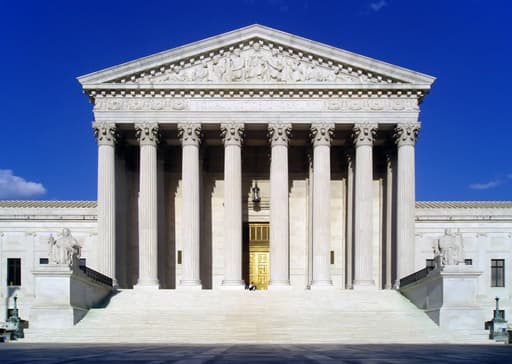
Supreme Court
ORGANIZATION50 w/ Gibson·27 w/ the
LB
Leon Black
PERSON61 w/ Gibson·13 w/ the
Ghislaine Maxwell
PERSON33 w/ Gibson·41 w/ the
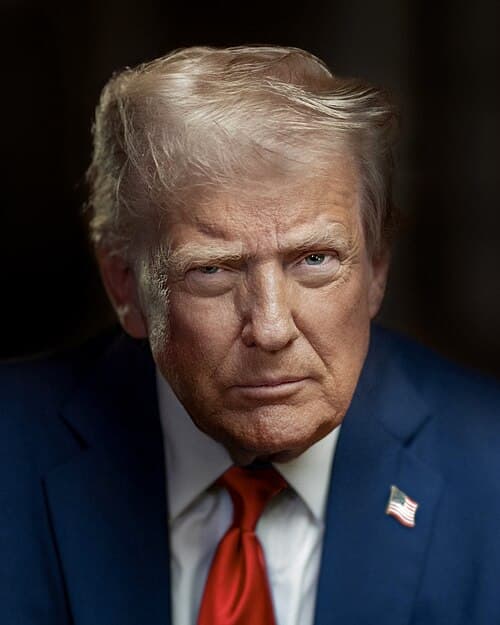
Donald Trump
PERSON67 w/ Gibson·5 w/ the
Scarlett Johansson
PERSON47 w/ Gibson·24 w/ the
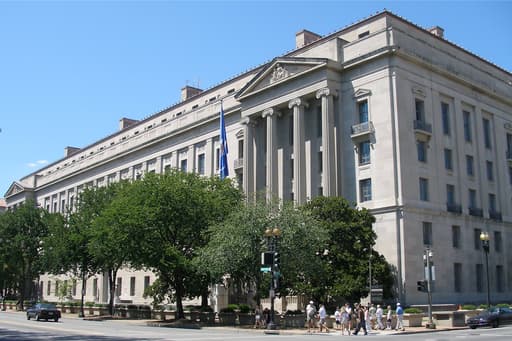
Department of Justice
ORGANIZATION52 w/ Gibson·11 w/ the
George W. Bush
PERSON44 w/ Gibson·17 w/ the
Michigan
LOCATION48 w/ Gibson·9 w/ the
Colorado
LOCATION38 w/ Gibson·18 w/ the
George Mitchell
PERSON44 w/ Gibson·11 w/ the
Prince Andrew
PERSON41 w/ Gibson·13 w/ the
ET
Emmy Taylor
PERSON38 w/ Gibson·15 w/ the
Virginia Giuffre
PERSON39 w/ Gibson·13 w/ the
Michael Jackson
PERSON38 w/ Gibson·13 w/ the
Bloomberg L.P.
ORGANIZATION46 w/ Gibson·4 w/ the
John F. Kennedy
PERSON34 w/ Gibson·12 w/ the
Stephen Hawking
PERSON33 w/ Gibson·11 w/ the