Back to Network


6
Shared Docs
6
Same-Page
6 / 10
Mentions
Document Mentions (6 shared documents)
3 mentions1 same-page
Page ?Same page
,&nbs=;Mruthinti, Muehsam, Vieten, Yijun Liu,Ying-Tung Lin=/p> C21: Artificial Intelligence and Models of R=ality Panov, Beck,=nbsp;Shirtz, Charan, Singh, Ju Lee, Kanta Aror= C22: Consciousness and Models of Reality 3</=pan> Khabeev, Narayanan,=nbsp;Pyari, Jain, Corte!, Kim, Val=ederes C23: Consciou
ain' 3. David Bohm Centennial &nbs=; &nb=p; <=b> (Pylkkanen, Musser, Walleczek) 4. Quantum Brain Biology &nbs=; &n=sp; (Craddock, Tuszynski, Hameroff, Bandyopadhyay)<=span> CONCURRENT TALK PROGRAM Tuesday, June 6, 2017 5:00 to 7:55 pm Cl: Dualism and Panpsychism=/span> 9 EFTA_R1_01416969 EFT
UC Santa Cruz,='The Origin of Life and Consciousness' Alysson R. Muotri, UCSD, 'C=rebral Organoids for Neurodevelopmental and Evolutionary Studie's Stuart Hameroff, U Arizona,='The 'Quantum Pleasure Principle' - Did Life Evolve to Feel Good?' PRE-PLENARY WORKSHOPS (Included in the confe=ence registration) 7
3 mentions1 same-page
Page ?Same page
n Computability and the Turing Machine. John Wiley & Sons, 2008. Sacks, Oliver. Musicophilia: Tales of Music and the Brain. Reprint. Picador, 2008. Singh, Simon. The Code Book: The Secret History of Codes and Code-Breaking. (Reissue). Fourth Estate, 2002. Turing, Alan. “Checking a Large Routine?’ In T
n. Bantam, 2008. Chapter 4 Derren Brown. Tricks of the Mind. Channel 4, 2006. Gurney, Kevin. An Introduction to Neural Networks. CRC Press, 1997. Hameroff, S. R. “Quantum Coherence in Microtubules: A Neural Basis for Emergent Consciousness?” Journal of Consciousness Studies 1, no. 1 (1994): 91-118. Hig
eryday Life. Reprint. The Free Press, 1993. Gregory, Robert J. Psychological Testing: History, Principles, and Applications. 6th ed. Pearson, 2010. Hameroff, $. R. “Quantum Coherence in Microtubules: A Neural Basis for Emergent Consciousness?” Journal of Consciousness Studies 1, no. 1 (1994): 91-118. Ham
3 mentions1 same-page
Page ?Same page
9561 McKusick, Jain,Q Mruthinti, Muehsam, Vieten, Yijun Liu,Ying-Tung Lin C21: Artificial Intelligence and Models of =eality Panov, Beck„ Charan, Singh, Ju Lee, Kanta Ar=ra C22: Consciousness and Models of Reality 3<=span> Khabeev, Narayanan= Pyari, Jain, Cortel, Kim, V=Ilederes C23: Consciousness
ta Cruz= 'The Origin of Life and Consciousness' Alysson R. Muotri, UCSD, &=39;Cerebral Organoids for Neurodevelopmental and Evolutionary Studie's. Stuart Hameroff, U Arizona= 'The 'Quantum Pleasure Principle' - Did Life Evolve to Feel G=od?' PRE-PLENARY WORKSHOPS (Included in the conf=rence registration) MON
l 4> 40 41 (Pylkkanen, Musser, Walleczek) a EFTA_R1_01889219 EFTA02649559 4. Quantum Brain Biology Q 4, =/span> (Craddock, Tuszynski, Hameroff, Bandyopadhyay)=/span> CONCURRENT TALK PROGRAM Tuesday, June 6, 2017 5:00 to 7:55 pm Cl: Dualism and Panpsychism Schriner, Gradowsk=, Liamas, Ga
Sponsored
3 mentions1 same-page
Page ?Same page
es. Push Singh, in his PhD thesis and followup work [SBC05], did the best job so far of creating a concrete AI design based on Minsky’s ideas. While Singh’s system was certainly interesting, it was also noteworthy for its lack of any learning mechanisms, and its exclusive focus on explicit rather than i
ssible to make AGI on digital computers. While we suspect this is correct, we must note that it isn’t proven. It might be that — as Penrose [Pen96], Hameroff [Mam87] and others have argued — we need quantum computers or quantum gravity computers to make AGI. However, there is no evidence of this at this st
sists of the wealthiest nodes and links. Figures 3.3 and 3.4 illustrate the existence and flow of attentional focus in OpenCog. On the other hand, in Hameroff’s recent model of the brain [Ham10], the brain’s moving bubble of attention is achieved through dendro-dendritic connections and the emergent dendrit
2 mentions1 same-page
Page ?Same page
Jain, Mruthinti, Muehsam, Vieten,&=bsp;Yijun Liu,Ying-Tung Lin C21: Artificial Intel=igence and Models of Reality=/p> Panov, Beck, Shirtz, Char=n, Singh, Ju Lee, Kanta Arora C22: Consciousness an= Models of Reality 3 Khabeev, Narayanan, Pyari, Jain,=/b> Cortel, Kim, Vallederes C23: Consciousness an
ly Sheldon Brown<=b> University of Arizona Center for Consciousne=s Studies Transcranial ultrasound ('TUS') program<=p> Chris Chan, Betsy Bigbee, Stuart Hameroff, J=y Sanguinetti =/span> National Institute of=Material Science, Tsukuba, japan Visualizing microtubule i=formation processing Anirban Bandyopadh
2 mentions1 same-page
Page ?Same page
. Push Singh, in his PhD thesis and followup work ISI3C051, did the best job so far of creating a concrete AI design based on Minsky's ideas. While Singh's system was certainly interesting, it was also noteworthy for its lack of any learning mechanisms, and its exclusive focus on explicit rather than
sts of the wealthiest nodes and links. Figures 3.3 and 3.4 illustrate the existence and flow of attentional focus in OpenCog. On the other hand, in Hameroff's recent model of the brain 'Hamill], the brain's moving bubble of attention is achieved through dendro-dendritic connections and the emergent dendr
Sponsored
Mutual Connections (586)
Entities connected to both Singh and Stuart Hameroff
Jeffrey Epstein
PERSON72 w/ Singh·101 w/ Stuart
Julie K. Brown
PERSON50 w/ Singh·11 w/ Stuart
LB
Leon Black
PERSON46 w/ Singh·12 w/ Stuart
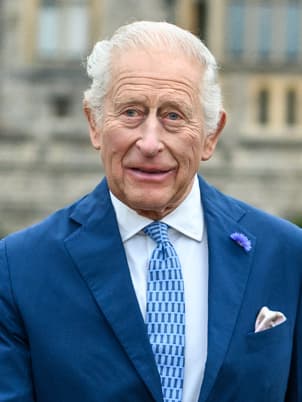
Prince Charles
PERSON45 w/ Singh·13 w/ Stuart
Donald Trump
PERSON49 w/ Singh·6 w/ Stuart
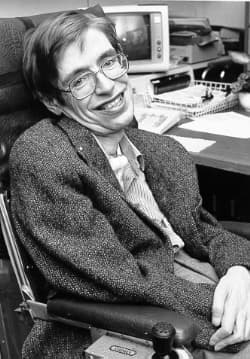
Stephen Hawking
PERSON40 w/ Singh·15 w/ Stuart
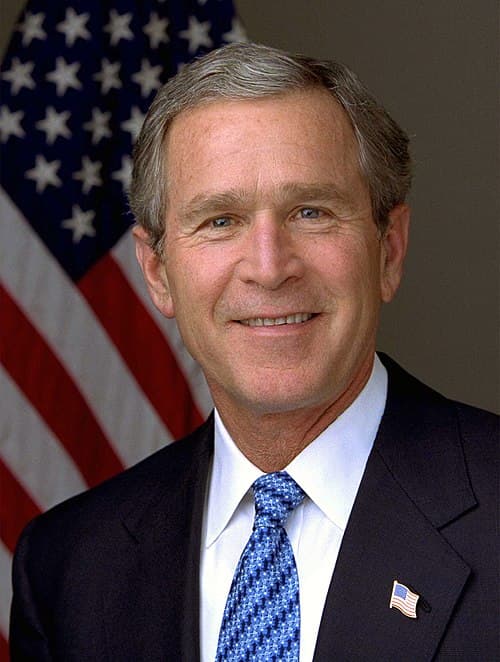
George W. Bush
PERSON45 w/ Singh·7 w/ Stuart
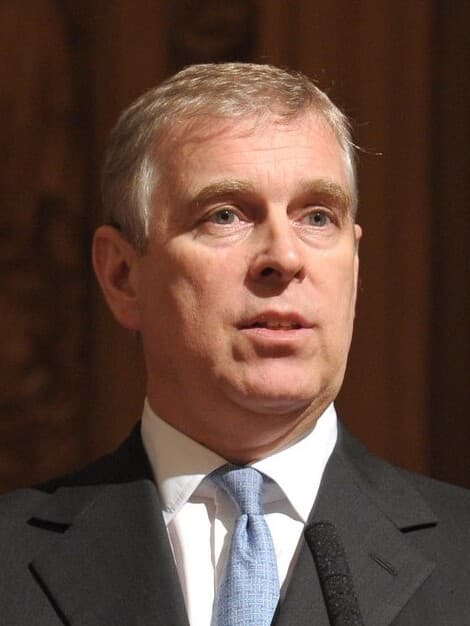
Prince Andrew
PERSON44 w/ Singh·8 w/ Stuart
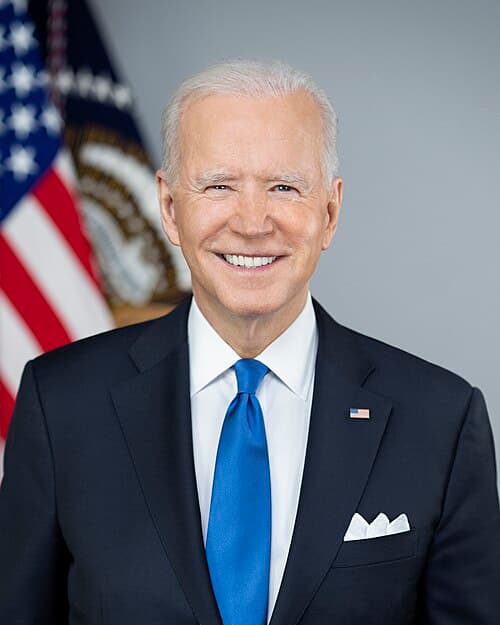
Joe Biden
PERSON45 w/ Singh·3 w/ Stuart
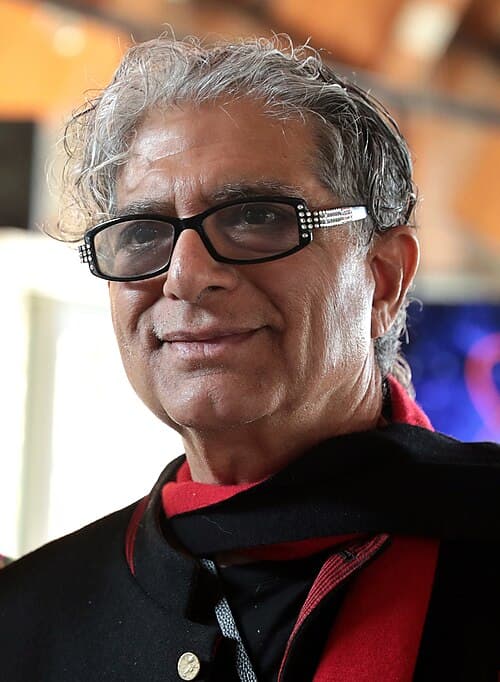
Deepak Chopra
PERSON3 w/ Singh·45 w/ Stuart
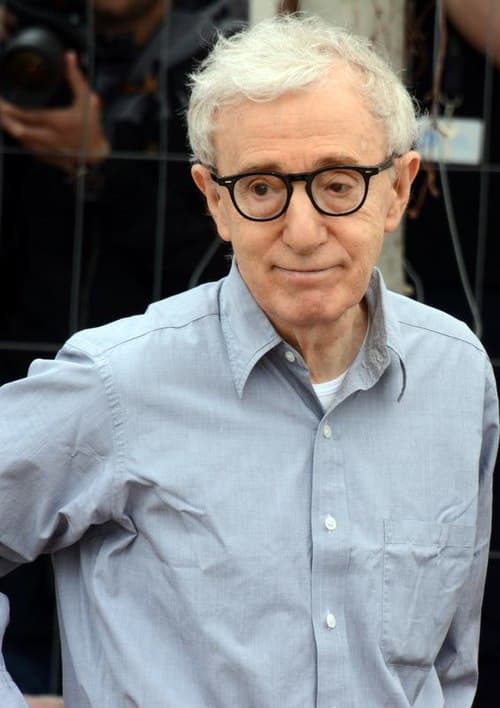
Woody Allen
PERSON23 w/ Singh·23 w/ Stuart
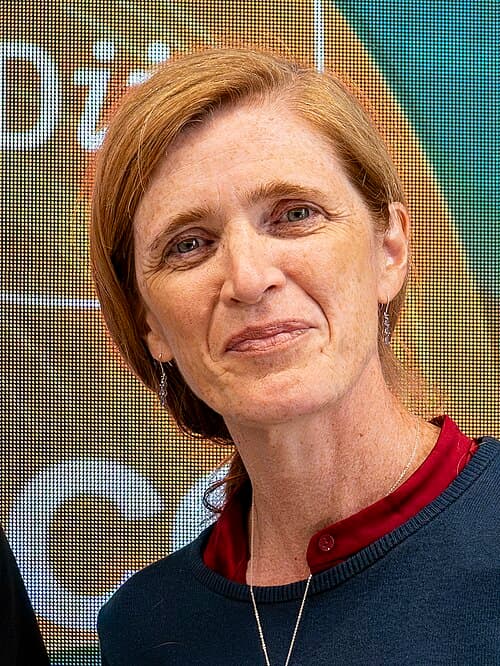
Samantha Power
PERSON22 w/ Singh·23 w/ Stuart
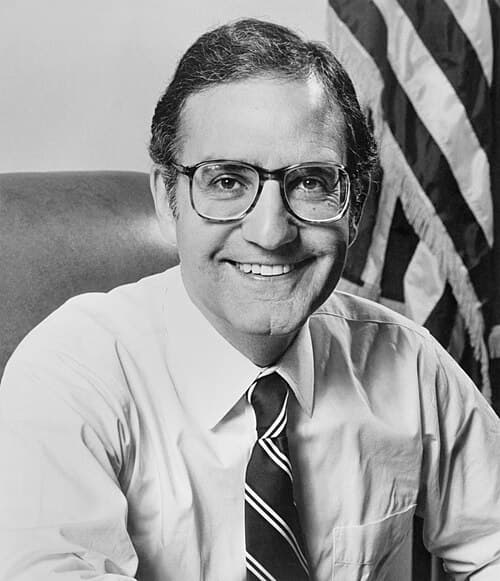
George Mitchell
PERSON38 w/ Singh·7 w/ Stuart
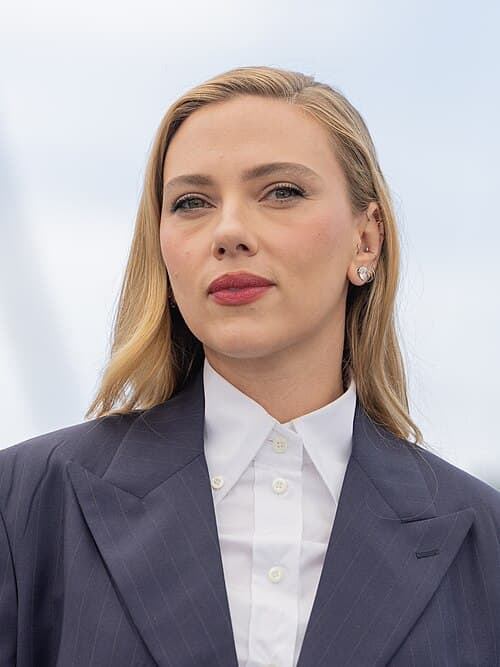
Scarlett Johansson
PERSON38 w/ Singh·5 w/ Stuart
United States
LOCATION40 w/ Singh·2 w/ Stuart
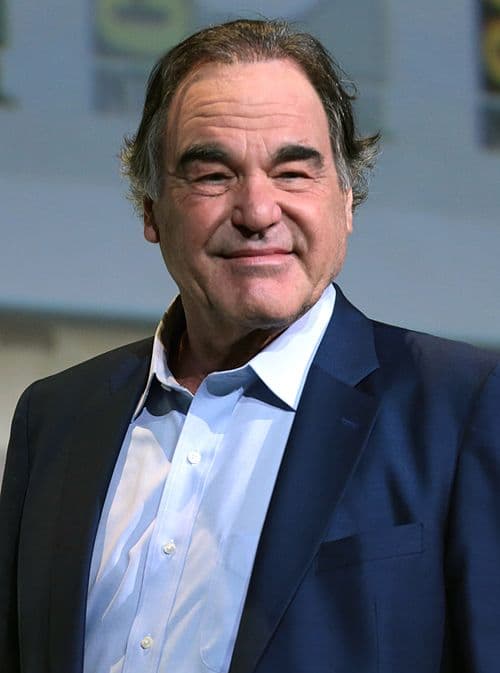
Oliver Stone
PERSON34 w/ Singh·4 w/ Stuart
Michael Cohen
PERSON31 w/ Singh·3 w/ Stuart
Gino Yu
PERSON2 w/ Singh·31 w/ Stuart
MF
Maria Farmer
PERSON28 w/ Singh·5 w/ Stuart
San Diego
LOCATION19 w/ Singh·13 w/ Stuart