Back to Network


9
Shared Docs
9
Same-Page
9 / 11
Mentions
Document Mentions (9 shared documents)
3 mentions1 same-page
Page ?Same page
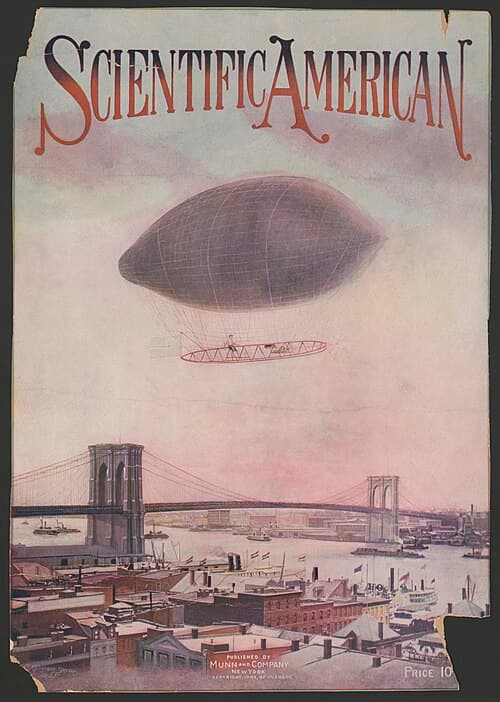
of 1988, I visited Heinz and Seth at the Aspen Center for Physics. Their joint work on the subject of complexity was featured in the current issue of Scientific American; they were ebullient. That was just two weeks before Heinz’s tragic death in a hiking accident while descending Pyramid Peak with Seth. They were tal
s on the steering committee for the Berkeley AI Research (BAIR) Lab and is a co-principal investigator in Berkeley’s Center for Human-Compatible AI. George Dyson is a historian of science and technology and the author of Baidarka: the Kayak, Darwin Among the Machines, Project Orion, and Turing ’s Cathedral. P
ul in all walks of life, and the dangers they incur of the carnal sins of pride and of lust for power.” This jeremiad did not go well for Wiener. As Dyson puts it: These alarms were discounted at the time, not because Wiener was wrong about digital computing but because larger threats were looming as h
3 mentions1 same-page
Page ?Same page
of 1988, I visited Heinz and Seth at the Aspen Center for Physics. Their joint work on the subject of complexity was featured in the current issue of Scientific American; they were ebullient. That was just two weeks before Heinz’s tragic death in a hiking accident while descending Pyramid Peak with Seth. They were tal
s on the steering committee for the Berkeley AI Research (BAIR) Lab and is a co-principal investigator in Berkeley’s Center for Human-Compatible AI. George Dyson is a historian of science and technology and the author of Baidarka: the Kayak, Darwin Among the Machines, Project Orion, and Turing ’s Cathedral. P
ul in all walks of life, and the dangers they incur of the carnal sins of pride and of lust for power.” This jeremiad did not go well for Wiener. As Dyson puts it: These alarms were discounted at the time, not because Wiener was wrong about digital computing but because larger threats were looming as h
2 mentions1 same-page
Page ?Same page
ursday, July 14, 2016 9:36:07 AM To: Deepak Chopra Subject: My chapter on you Hi Deepak, For my next book, Heavens on Earth, I have expanded that Scientific American column into a full-length chapter. Could you do me a big favor and read it and let me know if I have fairly represented your position and that of th
ind-like behavior of subatomic particles as they "choose" and "decide" what state in the wave-particle duality to exist in. Here's a nice quote from Dyson: "It would not be surprising that the origin and destiny of the energy in the universe cannot be completely understood in isolation from the pheno
Sponsored
2 mentions1 same-page
Page ?Same page
y. ... Permalink: http://edge.org/conversation/the-myth-of-ai#25989 EFTA00693756 Michael Shermer Publisher; Skeptic magazine; monthly columnist, Scientific American; Author, THE MORAL ARC, and Presidential Fellow at Chapman University. The latest round of handwringing over the potential for computers, machines,
erry Coyne, Paul Davies, Richard Dawkins, Daniel Dennett, David Deutsch, Peter Diamandis, Jared Diamond, Cory Doctorow, Esther Dyson, Freeman Dyson, George Dyson, Brian Eno, Jeffrey Epstein, Tony Fadell, Bill GateDavid Gelernter, Niel Gershenfeld, Gerd Gigerenzer, Anthony Grayling, Brian Greene, Alan Guth, J
2 mentions1 same-page
Page ?Same page
any detail today. ... Perrnalink: http://edge.org/conversation/the-myth-of-ai#25989 Michael Shermer Publisher Skeptic magazine; monthly columnist, Scientific American; Author THE MORAL ARC, and Presidential Fellow at Chapman University. The latest round of handwringing over the potential for computers, machines,
erry Coyne, Paul Davies, Richard Dawkins, Daniel Dennett, David Deutsch, Peter Diamandis, Jared Diamond, Cory Doctorow, Esther Dyson, Freeman Dyson, George Dyson, Brian Eno, Jeffrey Epstein, Tony Fadell, Bill GateDavid Gelemter, Niel Gershenfeld, Gerd Gigerenzer, Anthony Grayling, Brian Greene, Alan Guth, Jon
2 mentions1 same-page
Page ?Same page
14, 2016 9:36:07 AM To: Deepak Chopra Subject: My chapter on you Hi Deepak, <mailto > For my next book, Heavens on Earth, I have expanded that Scientific American column into a full-length chapter. Could you do me a big favor and read it and let me know if I have fairly represented your position and that of t
ind-like behavior of subatomic particles as they "choose" and "decide" what state in the wave-particle duality to exist in. Here's a nice quote from Dyson: "It would not be surprising that the origin and destiny of the energy in the universe cannot be completely understood in isolation from the pheno
Sponsored
2 mentions1 same-page
Page ?Same page
: Deepak Chopra Subject: My chapter on you 6 EFTA_R1_01561384 EFTA02457525 Hi Deepak, For my next book, Heavens on Earth, I have expanded that Scientific American column into a full-length chapter. Could you do me a big favor and read it and let me know if I have fairly represented your position and that of t
ind-like behavior of subatomic particles as they "choose" and "decide" what state in the wave-particle duality to exist in. Here's a nice quote from Dyson: "It would not be surprising that the origin and destiny of the energy in the universe cannot be completely understood in isolation from the pheno
2 mentions1 same-page
Page ?Same page
any detail today. ... Permalink: http://edge.org/conversation/the-myth-of-ai#25989 Michael Shermer Publisher; Skeptic magazine; monthly columnist, Scientific American; Author; THE MORAL ARC, and Presidential Fellow at Chapman University. The latest round of handwringing over the potential for computers, machines,
erry Coyne, Paul Davies, Richard Dawkins, Daniel Dennett, David Deutsch, Peter Diamandis, Jared Diamond, Cory Doctorow, Esther Dyson, Freeman Dyson, George Dyson, Brian Eno, Jeffrey Epstein, Tony Fadell, Bill GateDavid Gelemter, Niel Gershenfeld, Gerd Gigerenzer, Anthony Grayling, Brian Greene, Alan Guth, Jon
2 mentions1 same-page
Page ?Same page
uld be placed in hotel rooms across America, in the drawer next to the Gideon Bible —Michael Shermer, publisher of Skeptic magazine, columnist for Scientific American, and author of The Moral Arc "Discovering the bedrock nature of physical reality ranks as one of humanity's greatest collective achievements. This
er hope of a world where any dream, no matter how outlandish, is realizable. Other familiar names, Bohr, Schrodinger, Dirac, and later Feynman and Dyson, each made great leaps into the unknown. But they weren't alone. Physics is a collaborative discipline. Too often science stories are written as if
Sponsored
Mutual Connections (577)
Entities connected to both Scientific American and George Dyson
Jeffrey Epstein
PERSON30 w/ Scientific·52 w/ George
John Brockman
PERSON11 w/ Scientific·43 w/ George
Stewart Brand
PERSON7 w/ Scientific·34 w/ George
Martha Stewart
PERSON8 w/ Scientific·32 w/ George
Freeman Dyson
PERSON8 w/ Scientific·27 w/ George
George W. Bush
PERSON14 w/ Scientific·20 w/ George
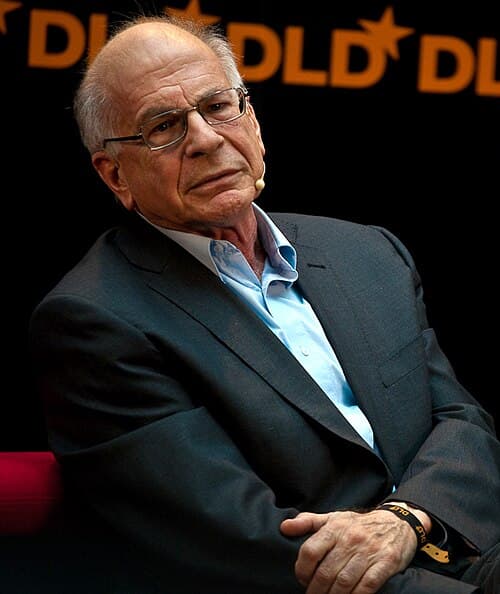
Daniel Kahneman
PERSON7 w/ Scientific·25 w/ George
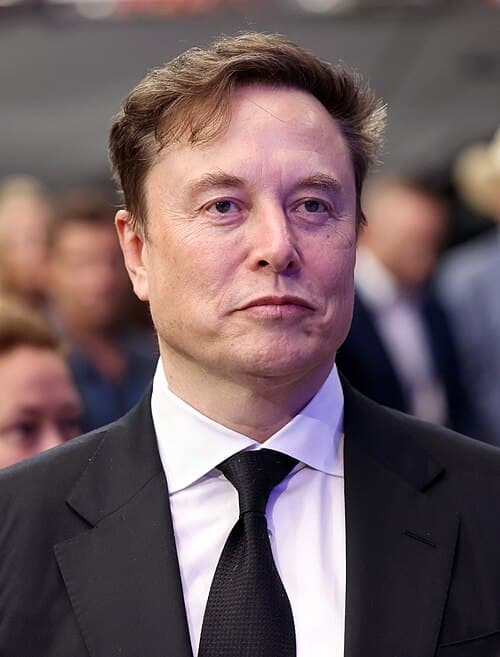
Elon Musk
PERSON6 w/ Scientific·26 w/ George
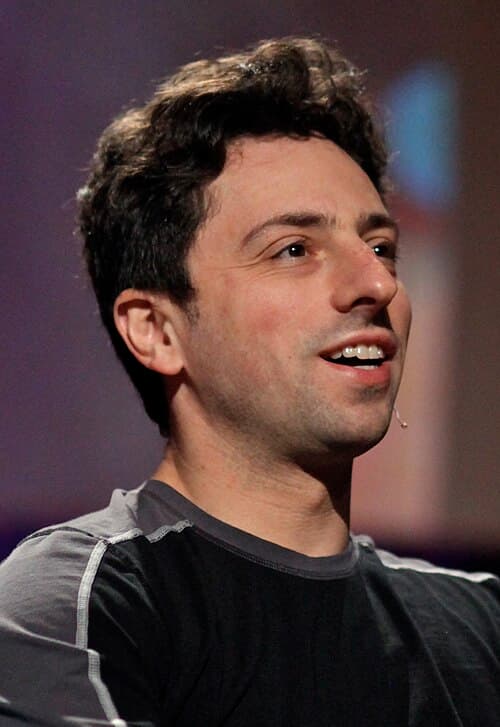
Sergey Brin
PERSON5 w/ Scientific·27 w/ George
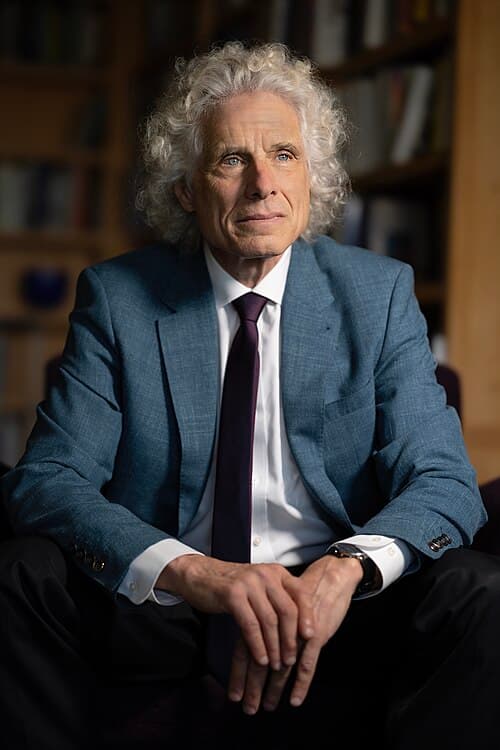
Steven Pinker
PERSON7 w/ Scientific·25 w/ George
Kevin Kelly
PERSON5 w/ Scientific·25 w/ George
Earth
LOCATION16 w/ Scientific·13 w/ George
Larry Page
PERSON3 w/ Scientific·25 w/ George
Tom Pritzker
PERSON2 w/ Scientific·25 w/ George
Evan Williams
PERSON3 w/ Scientific·24 w/ George
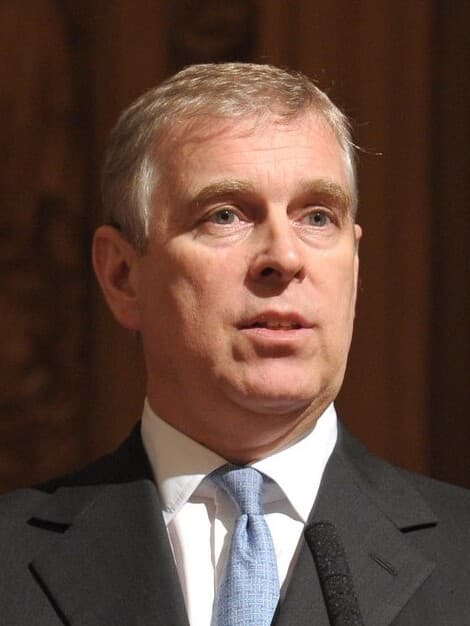
Prince Andrew
PERSON10 w/ Scientific·16 w/ George
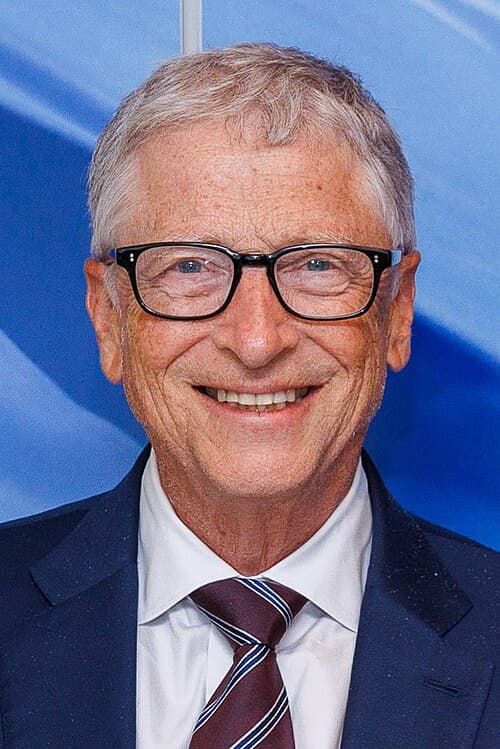
Bill Gates
PERSON7 w/ Scientific·18 w/ George
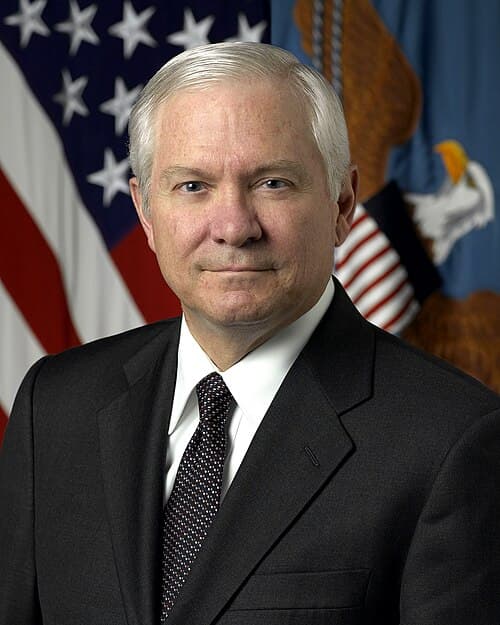
Robert Gates
PERSON7 w/ Scientific·17 w/ George
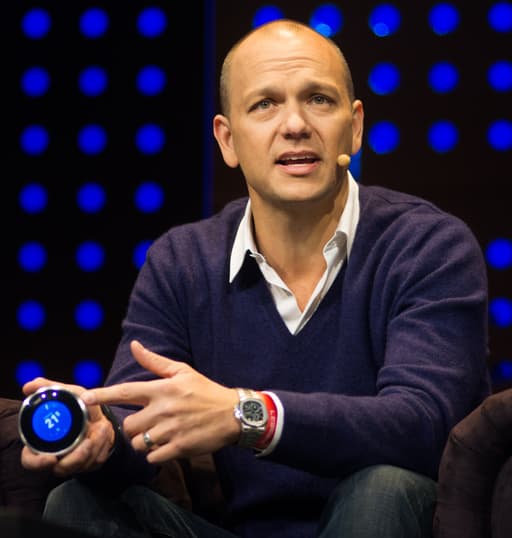
Tony Fadell
PERSON3 w/ Scientific·21 w/ George
Nathan Myhrvold
PERSON3 w/ Scientific·21 w/ George