Back to Network









4
Shared Docs
4
Same-Page
6 / 5
Mentions
Document Mentions (4 shared documents)
3 mentions1 same-page
Page ?Same page
.K., Preston, J., & Wegner, D.M. (2007). Timescale bias in the attribution of mind. Journal of Personality and Social Psychology, 93, 1-11. 12. Haslam, N., & Bain, P. (2007). Humanizing the self: Moderators of the attribution of lesser humanness to others. Personality and Social Psychology Bull
1996). Action recognition in the premotor cortex. Brain, 119 (Pt 2), 593-609. 4. lacoboni, M., Woods, R. P., Brass, M., Bekkering, H., Mazziotta, J. C., & Rizzolatti, G. (1999). Conical mechanisms of human imitation. Science, 286(5449), 2526-2528. 5. Iacoboni, M., Molnar-Szakacs, I., Gallese, V.
Conical mechanisms of human imitation. Science, 286(5449), 2526-2528. 5. Iacoboni, M., Molnar-Szakacs, I., Gallese, V., Buccino, G., Mazziotta, J. C., & Rizzolatti, G. (2005). Grasping the intentions of others with ones own mirror neuron system. PLoS Biology, 3, 529-535. EFTA_R1_01522167 EFTA0
3 mentions1 same-page
Page ?Same page
se, blame and protect them, as well as whether we believe that rehabilitation or punishment is most appropriate after they have done something wrong. Haslam based his study on the idea, supported by the law, science, and our folk intuitions that we blame, praise and punish only those who do bad things on
find less in common. Some in the outer core will not only have less in common, but as noted earlier in this chapter based on work by Gray, Wegner and Haslam, will be perceived as less human, stripped of dimensions of experience and agency that define humanity. Some will appear like objects, others like a
Based Study. Journal of Cognition and Culture, 10, 253-281; Henrich, J., Ensminger, J., McElreath, R., Barr, A., Barrett, C., Bolyantz, A., Cardenas, J. C., Gurven, M., Gwako, E., Henrich, N., Lesorogol, C., Marlowe, F., Tracer, D., Ziker, J. (2010). Markets, religion, community size, and the evolution o
3 mentions1 same-page
Page ?Same page
tion. To unconsciously think that Blacks are more like apes than other racial groups is to strip them of characteristics that are uniquely human. As Haslam notes, when we dehumanize others in this particular way, we no longer see them as human, but as incompetent wild animals or immature children lacking
pes, and thus, an unconsciously dehumanized representation of another human being. Given the animal form of this dehumanization, the implication from Haslam’s work is that Caucasians associate Blacks with less rationality, civility, and self-control, in essence, less uniquely human qualities. These are r
-based model reveals adaptive advantages of overconfidence in war. PLoS ONE, 6(6), e20851, doi:10.1371/journal.pone.0020851.¢004; Lou, H. C., Skewes, J. C., Thomsen, K. R., Overgaard, M., Lau, H. C., Mouridsen, K., & Roepstorff, A. (2011). Dopaminergic stimulation enhances confidence and accuracy in seei
Sponsored
2 mentions1 same-page
Page ?Same page
ge, C.K., Preston, J., & Wegner, D.M. (2007). Timescale bias in the attribution of mind. Journal of Personality and Social Psychology, 93, 1-11. 12. Haslam, N., & Bain, P. (2007). Humanizing the self: Moderators of the attribution of lesser humanness to others. Personality and Social Psychology Bulletin,
(1996). Action recognition in the premotor cortex. Brain, 119 ( Pt 2), 593-609. 4. lacoboni, M., Woods, R. P., Brass, M., Bekkering, H., Mazziotta, J. C., & Rizzolatti, G. (1999). Cortical mechanisms of human imitation. Science, 286(5449), 2526-2528. 5. Iacoboni, M., Molnar-Szakacs, I., Gallese, V., B
Sponsored
Mutual Connections (538)
Entities connected to both Haslam and J. C.
George W. Bush
PERSON5 w/ Haslam·12 w/ J.
Marc Rich
PERSON4 w/ Haslam·9 w/ J.
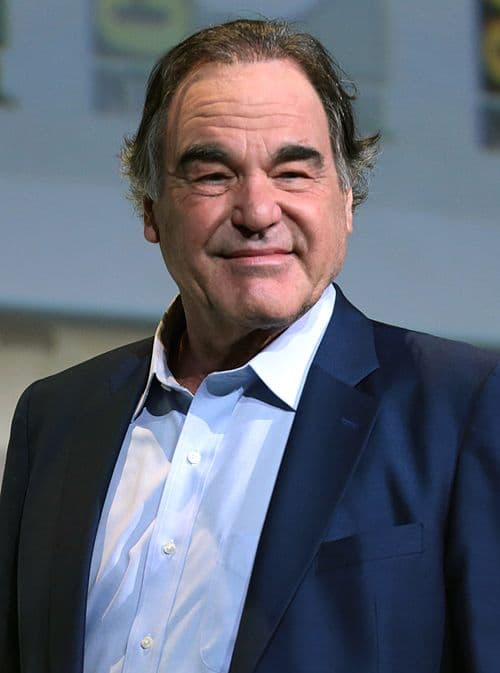
Oliver Stone
PERSON5 w/ Haslam·7 w/ J.
Prince Charles
PERSON5 w/ Haslam·6 w/ J.
D. A.
PERSON4 w/ Haslam·7 w/ J.
LB
Leon Black
PERSON5 w/ Haslam·6 w/ J.
Michael Cohen
PERSON3 w/ Haslam·7 w/ J.
Julie K. Brown
PERSON4 w/ Haslam·6 w/ J.
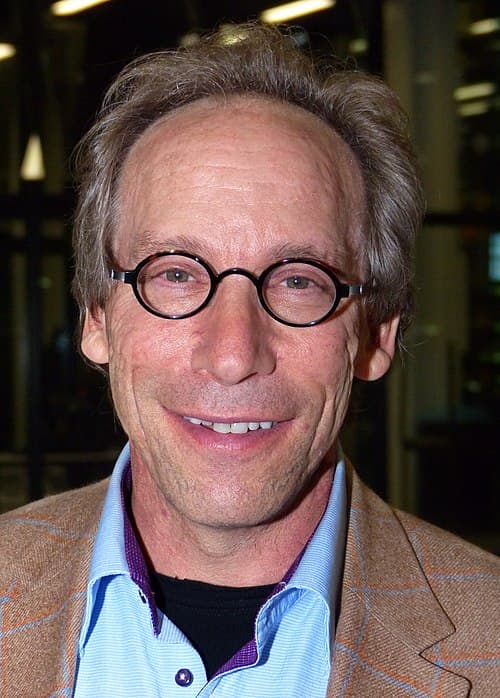
Lawrence Krauss
PERSON4 w/ Haslam·6 w/ J.
Psychological Science
ORGANIZATION4 w/ Haslam·6 w/ J.
University of Oxford
ORGANIZATION4 w/ Haslam·6 w/ J.
RT
Robert Trivers
PERSON4 w/ Haslam·5 w/ J.
ET
Emmy Taylor
PERSON4 w/ Haslam·5 w/ J.
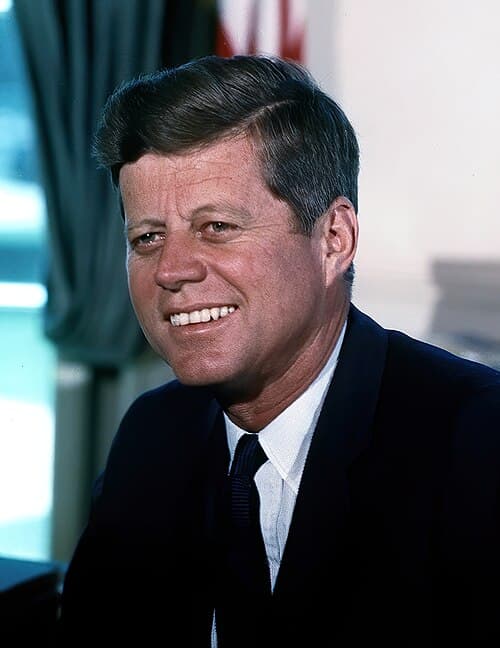
John F. Kennedy
PERSON5 w/ Haslam·4 w/ J.
Harvard University
ORGANIZATION3 w/ Haslam·6 w/ J.
MIT Press
ORGANIZATION4 w/ Haslam·5 w/ J.
John Wiley & Sons
ORGANIZATION3 w/ Haslam·6 w/ J.
Michael Jackson
PERSON5 w/ Haslam·4 w/ J.
AL
A. L.
PERSON3 w/ Haslam·6 w/ J.
J. M.
PERSON3 w/ Haslam·6 w/ J.