Back to Network









4
Shared Docs
4
Same-Page
8 / 4
Mentions
Document Mentions (4 shared documents)
3 mentions1 same-page
Page ?Same page
m JFK. “The great American visionary thinker John Brockman arrives this morning at Grand Hotel Milan. You MU
greeted me as I turned on my phone at the baggage carousel at Malpensa Airport after the long flight from JFK. “The great American visionary thinker John Brockman arrives this morning at Grand Hotel Milan. You MUST, repeat MUST pay him a visit.” It was signed HUO. The prior evening, waiting in the lounge at JF
e; the Fair Access to Science and Technology Research Act (FASTR); and the Open Humans Foundation. In his 1976 book Computer Power and Human Reason, Joseph Weizenbaum argued that machines should not replace Homo in situations requiring respect, dignity, or care, while others (author Pamela McCorduck and computer sc
3 mentions1 same-page
Page ?Same page
Penguin Press National Pub date: February 19, 2019 Title: DEEP THINKING Subtitle: 7wenty-Five Ways of Looking at AI By: John Brockman Length: 90,000 words Headline: Science world luminary John Brockman assembles twenty-five of the most important scientific minds, people who have b
ener’s words again. In Deep Thinking, John Brockman gathers their disparate visions of where AI might be taking us. The fruit of the long history of Brockman’s profound engagement with the most important scientific minds who have been thinking about AI—from Alison Gopnik and David Deutsch to Frank Wilczek
owing it to detect dissent and subversion as it arises and make resistance to state power futile. Orwell’s telescreens are the prototype, and in 1976 Joseph Weizenbaum, one of the gloomiest tech prophets of all time, warned my class of graduate students not to pursue automatic speech recognition because government s
Sponsored
Mutual Connections (724)
Entities connected to both John Brockman and Joseph Weizenbaum
Jeffrey Epstein
PERSON1,555 w/ John·2 w/ Joseph
LB
Leon Black
PERSON118 w/ John·7 w/ Joseph
Woody Allen
PERSON113 w/ John·5 w/ Joseph
Marc Rich
PERSON107 w/ John·10 w/ Joseph
Prince Andrew
PERSON106 w/ John·7 w/ Joseph
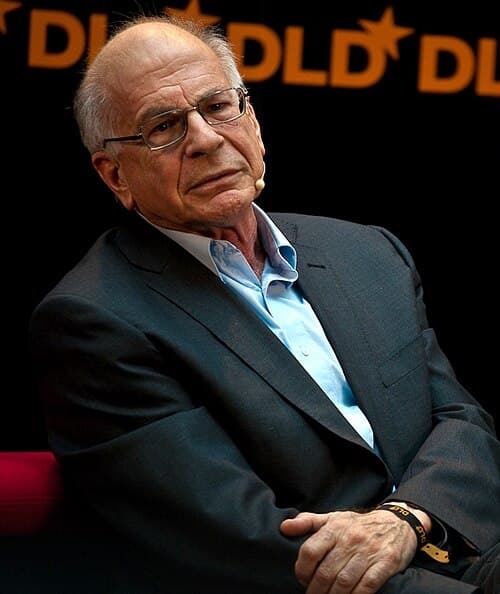
Daniel Kahneman
PERSON89 w/ John·4 w/ Joseph
Joe Biden
PERSON88 w/ John·4 w/ Joseph
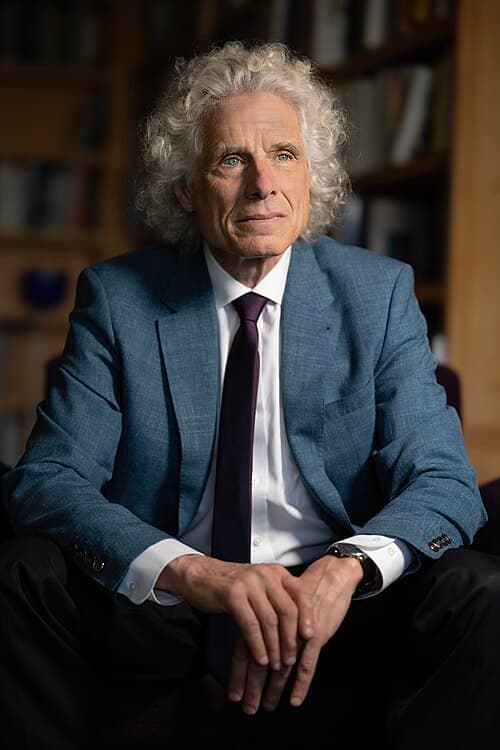
Steven Pinker
PERSON88 w/ John·3 w/ Joseph
Prince Charles
PERSON85 w/ John·6 w/ Joseph
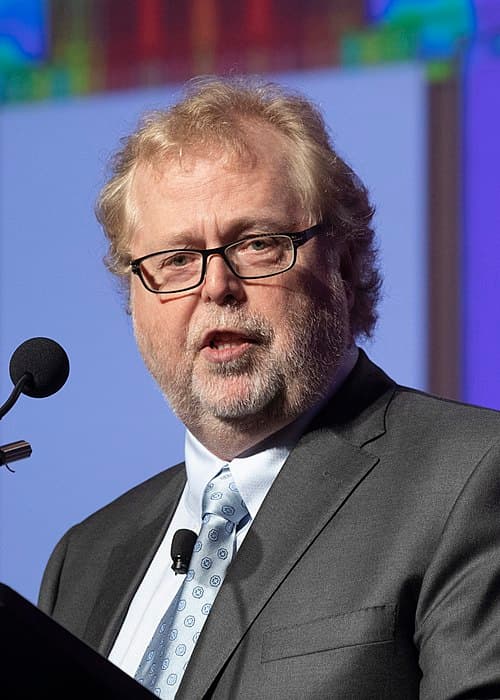
Nathan Myhrvold
PERSON85 w/ John·3 w/ Joseph
Alan Dershowitz
PERSON80 w/ John·7 w/ Joseph
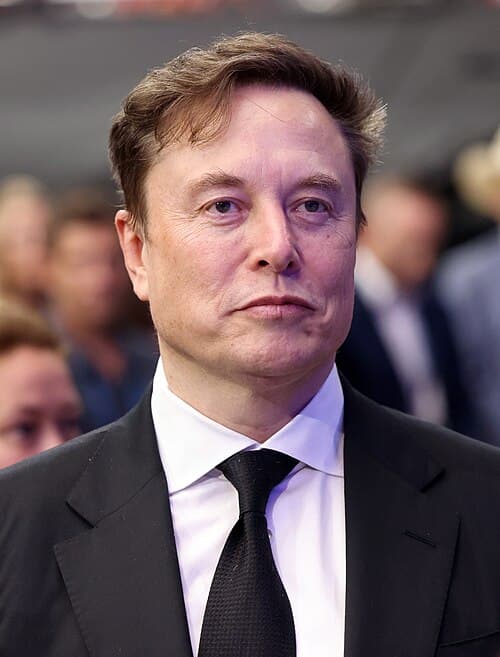
Elon Musk
PERSON82 w/ John·4 w/ Joseph
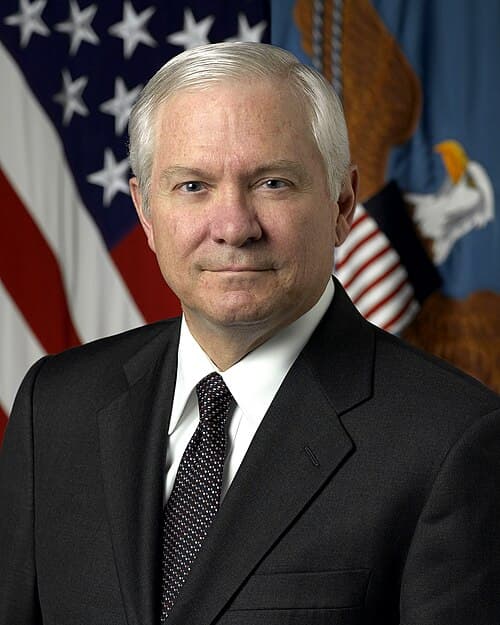
Robert Gates
PERSON78 w/ John·8 w/ Joseph
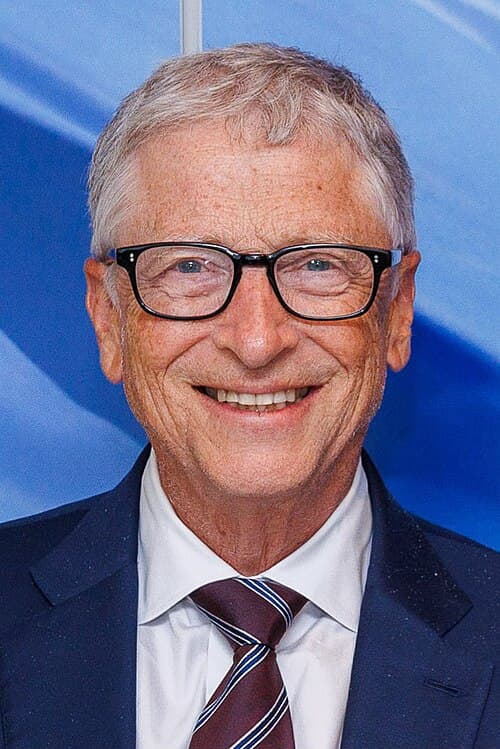
Bill Gates
PERSON75 w/ John·8 w/ Joseph
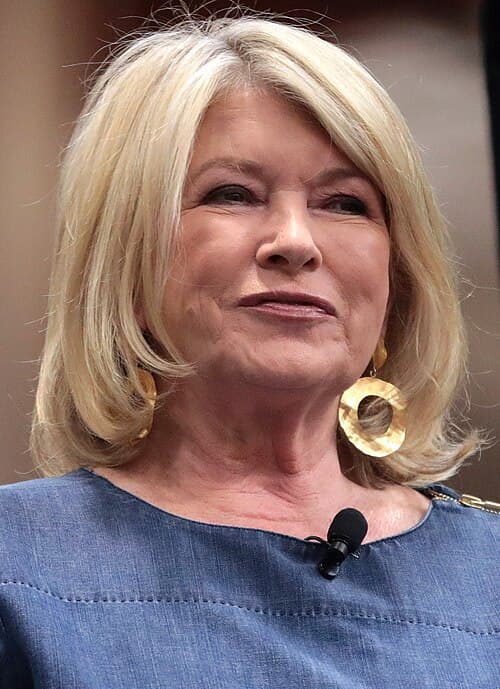
Martha Stewart
PERSON77 w/ John·5 w/ Joseph
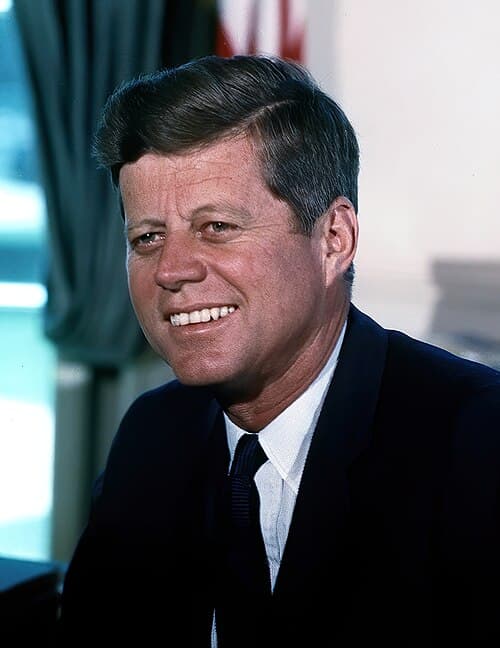
John F. Kennedy
PERSON73 w/ John·3 w/ Joseph
Daniel Dennett
PERSON70 w/ John·5 w/ Joseph
Lawrence Krauss
PERSON73 w/ John·2 w/ Joseph
Eric Trump
PERSON68 w/ John·5 w/ Joseph
George W. Bush
PERSON66 w/ John·6 w/ Joseph