Back to Network




9
Shared Docs
6
Same-Page
9 / 17
Mentions
Document Mentions (9 shared documents)
3 mentions1 same-page
Page ?Same page
d two full terms. John F. Kennedy was assassinated. Lyndon Johnson, overwhelmed by the war in Vietnam, had declined to run for reelection in 1968. Richard Nixon resigned less than seventeen months into his second term. Gerald Ford (who was never elected) and Jimmy Carter were defeated. By the nineteen- eigh
esident Dick Cheney and Defense Secretary Donald Rumsfeld—most associated with extreme views of how to han
of the first four years. During the 2004 campaign, Bush came close to jettisoning the two people—Vice-President Dick Cheney and Defense Secretary Donald Rumsfeld—most associated with extreme views of how to handle post-9/11 foreign affairs. After the election, Cheney saw the influence of his principal ideolo
3 mentions1 same-page
Page ?Same page
very long, and would have left behind a deep, almost ineradicable anti-Americanism. This kind of so-called "realpolitik" is the path U.S. President Richard Nixon's administration took after the Greek military coup in 1967, and nearly a half-century later the Greeks have still not forgiven the United States.
borating a budget-driven defense strategy that is not commensurate with American strategic goals and interests. It is ironic that Obama is adopting Donald Rumsfeld's defense strategy -- high tech, light footprint. We will find, as we did in the Bush years, the Clinton years, and in many previous decades, that dr
ests. It is ironic that Obama is adopting Donald Rumsfeld's defense strategy -- high tech, light footprint
3 mentions1 same-page
Page ?Same page
e 4. The National Interest Foreign-Policy Failure Dimitri K. Simes August 24, 2011 -- PRESIDENT BARACK Obama is in many respects the opposite of Richard Nixon and George H. W. Bush, both foreign-policy presidents who subordinated their domestic ambitions to America's national-security requirements. Moreov
Mr. Bush said he wanted him to stay. But in the Bush administration's second term, Mr. Cheney's influence waned. When Mr. Bush decided to replace Donald H. Rumsfeld as secretary of defense after the 2006 midterm elections, Mr. Cheney said he was not given a chance to object. Mr. Cheney praised Barack Obama's su
aned. When Mr. Bush decided to replace Donald H. Rumsfeld as secretary of defense after the 2006 midterm el
Sponsored
3 mentions1 same-page
Page ?Same page
e 4. The National Interest Foreign-Policy Failure Dimitri K. Simes August 24, 2011 -- PRESIDENT BARACK Obama is in many respects the opposite of Richard Nixon and George H. W. Bush, both foreign-policy presidents who subordinated their domestic ambitions to America's national-security requirements. Moreov
Mr. Bush said he wanted him to stay. But in the Bush administration's second term, Mr. Cheney's influence waned. When Mr. Bush decided to replace Donald H. Rumsfeld as secretary of defense after the 2006 midterm elections, Mr. Cheney said he was not given a chance to object. Mr. Cheney praised Barack Obama's su
aned. When Mr. Bush decided to replace Donald H. Rumsfeld as secretary of defense after the 2006 midterm el
3 mentions1 same-page
Page ?Same page
person to span a huge swath of time in the public eye. He was both the youngest and the oldest serving U.S. Secretary of Defense, serving under both Richard Nixon and George W. Bush. We will shortly discover Rumsfeld’s convoluted view of the world turns out to be closer to the truth than Hilbert’s tidy mathemat
n unknowns; that is to say we know there are some things we do not know. But there are also unknown unknowns - the ones we dont know we don't know.” Donald Rumsfeld United States Secretary of Defense (2001-2006, 1975-1977) HOUSE_OVERSIGHT_015880 Chapter 9 KNOWN UNKNOWNS Donald Rumsfeld HOUSE_OVERSIGHT_015881
was both the youngest and the oldest serving U.S. Secretary of Defense, serving under both Richard Nixon and George W. Bush. We will shortly discover Rumsfeld’s convoluted view of the world turns out to be closer to the truth than Hilbert’s tidy mathematical aspiration. As well as believing there were no u
3 mentions1 same-page
Page ?Same page
—will run. The job has been construed as deputy president, or chief operating officer, or even prime minister. Larger-than-life chiefs have included Richard Nixon’s H. R. Haldeman and Alexander Haig; Gerald Ford’s Donald Rumsfeld and Dick Cheney; Jimmy Carter’s Hamilton Jordan; Ronald Reagan’s James Baker; Geor
Haldeman and Alexander Haig; Gerald Ford’s Donald Rumsfeld and Dick Cheney; Jimmy Carter’s Hamilton Jordan;
ief operating officer, or even prime minister. Larger-than-life chiefs have included Richard Nixon’s H. R. Haldeman and Alexander Haig; Gerald Ford’s Donald Rumsfeld and Dick Cheney; Jimmy Carter’s Hamilton Jordan; Ronald Reagan’s James Baker; George H. W. Bush’s return of James Baker; Bill Clinton’s Leon Panetta,
Sponsored
Page ?
the Saturday Night Massacre which happened under Nixon. I'm talking about the Halloween Massacre of Octo
Page HOUSE_OVERSIGHT_015003
was being done by [President Ford's] Chief of Staff and his assistant who are two names barely known then but quite famous since. Chief of staff was Donald Rumsfeld and the assistant was Dick Cheney. And that was the first real intrusion of the Rumsfeld-Cheney team into American politics. And they became the real
Page: HOUSE_OVERSIGHT_015003 →known then but quite famous since. Chief of staff was Donald Rumsfeld and the assistant was Dick Cheney. And that was the first real intrusion of the Rumsfeld-Cheney team into American politics. And they became the real heart of what | consider the Deep State in the 1980s when they were planning for Continu
Page: HOUSE_OVERSIGHT_015003 →Page ?
the Saturday Night Massacre which happened under Nixon. I'm talking about the Halloween Massacre of Octo
Page HOUSE_OVERSIGHT_015016
was being done by [President Ford's] Chief of Staff and his assistant who are two names barely known then but quite famous since. Chief of staff was Donald Rumsfeld and the assistant was Dick Cheney. And that was the first real intrusion of the Rumsfeld-Cheney team into American politics. And they became the real
Page: HOUSE_OVERSIGHT_015016 →known then but quite famous since. Chief of staff was Donald Rumsfeld and the assistant was Dick Cheney. And that was the first real intrusion of the Rumsfeld-Cheney team into American politics. And they became the real heart of what | consider the Deep State in the 1980s when they were planning for Continu
Page: HOUSE_OVERSIGHT_015016 →Page HOUSE_OVERSIGHT_024609
le 4. The National Interest Foreign-Policy Failure Dimitri K. Simes August 24, 2011 -- PRESIDENT BARACK Obama is in many respects the opposite of Richard Nixon and George H. W. Bush, both foreign-policy presidents who subordinated their domestic ambitions to America’s national-security requirements. Moreover
Page: HOUSE_OVERSIGHT_024609 →Page HOUSE_OVERSIGHT_024617
h said he wanted him to Stay. But in the Bush administration’s second term, Mr. Cheney’s influence waned. When Mr. Bush decided to replace Donald H. Rumsfeld as secretary of defense after the 2006 midterm elections, Mr. Cheney said he was not given a chance to object. Mr. Cheney praised Barack Obama’s sup
Page: HOUSE_OVERSIGHT_024617 →Sponsored
Mutual Connections (842)
Entities connected to both Richard Nixon and Donald Rumsfeld
Cynthia Nixon
PERSON136 w/ Richard·16 w/ Donald
George W. Bush
PERSON92 w/ Richard·47 w/ Donald
Bill Clinton
PERSON95 w/ Richard·37 w/ Donald
Barack Obama
PERSON89 w/ Richard·40 w/ Donald
Jeffrey Epstein
PERSON78 w/ Richard·31 w/ Donald
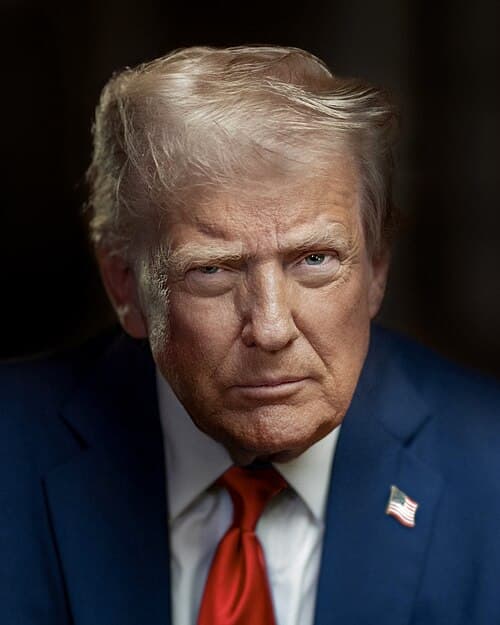
Donald Trump
PERSON67 w/ Richard·32 w/ Donald
United States
LOCATION61 w/ Richard·31 w/ Donald
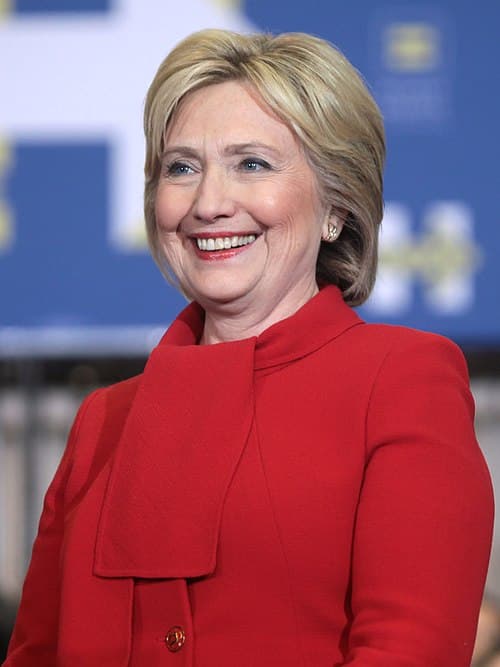
Hillary Clinton
PERSON53 w/ Richard·34 w/ Donald
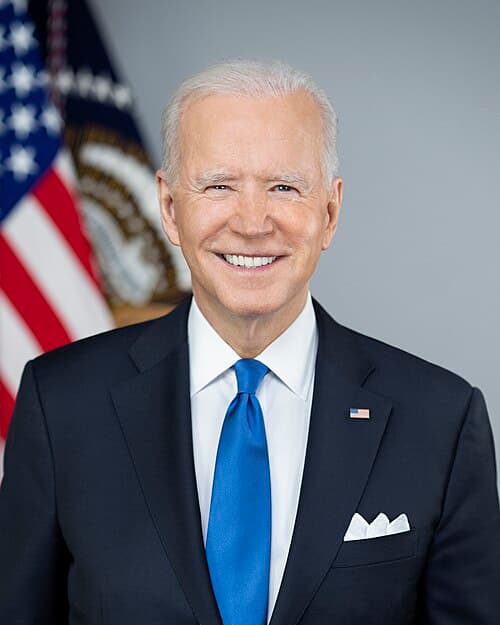
Joe Biden
PERSON59 w/ Richard·21 w/ Donald
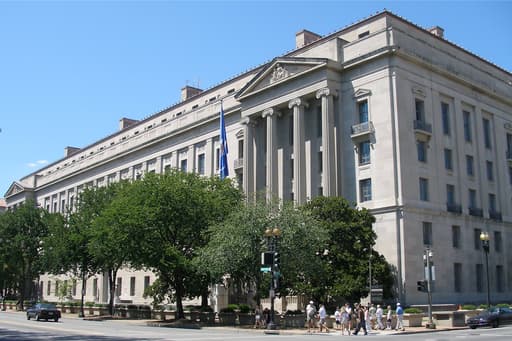
Department of Justice
ORGANIZATION52 w/ Richard·28 w/ Donald
Prince Andrew
PERSON48 w/ Richard·24 w/ Donald
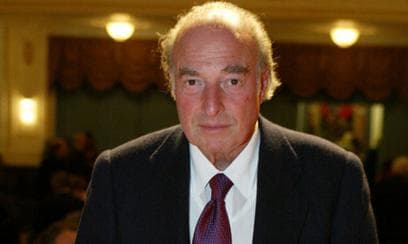
Marc Rich
PERSON48 w/ Richard·18 w/ Donald
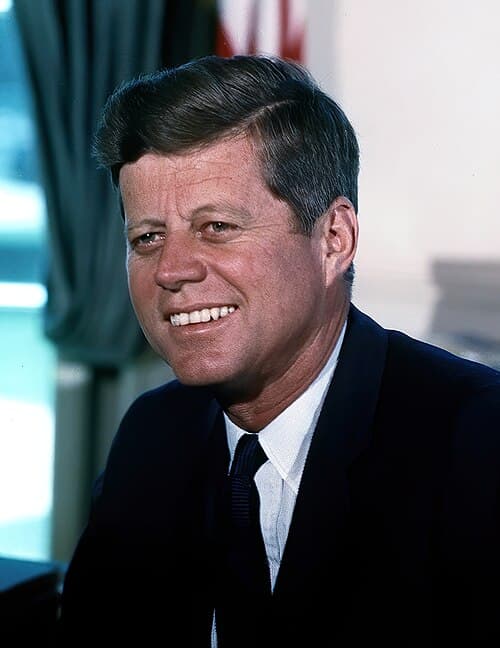
John F. Kennedy
PERSON45 w/ Richard·21 w/ Donald
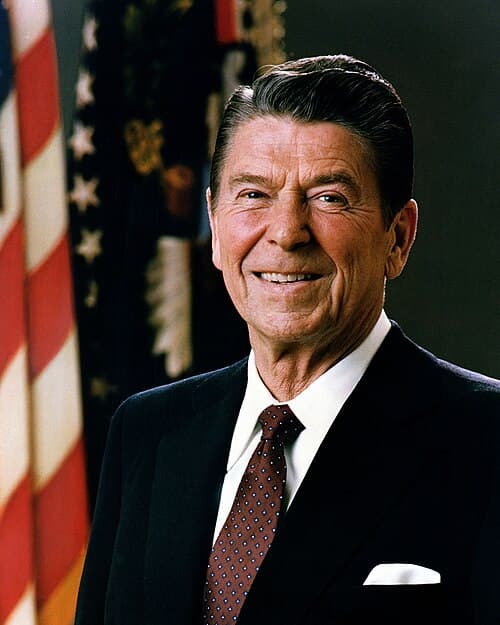
Ronald Reagan
PERSON50 w/ Richard·14 w/ Donald
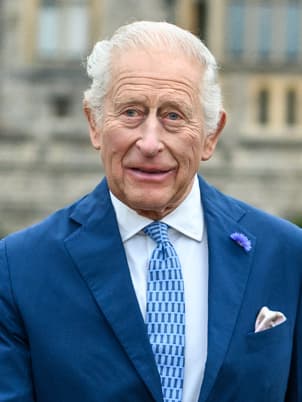
Prince Charles
PERSON37 w/ Richard·24 w/ Donald
Stephen Hawking
PERSON38 w/ Richard·22 w/ Donald
Julie K. Brown
PERSON43 w/ Richard·17 w/ Donald
LB
Leon Black
PERSON42 w/ Richard·15 w/ Donald
Condoleezza Rice
PERSON28 w/ Richard·26 w/ Donald
Michael Jackson
PERSON36 w/ Richard·18 w/ Donald