Back to Network



5
Shared Docs
5
Same-Page
5 / 5
Mentions
Document Mentions (5 shared documents)
2 mentions1 same-page
Page ?Same page
is consent). Especially in view of the courts' well-established deference to the Government's choice of investigatory methods, see United States v. Myers, 692 F.2d 823, 843 (2d Cir. 1982), the burden of establishing outrageous 105 EFTA00100072 investigatory conduct is very heavy, see United States
s "are violated only when the challenged conduct invaded his legitimate expectation of privacy rather than that of a third party." United States v. Payner, 447 U.S. 727, 731 (1980) (emphasis in original); see also United States v. Villegas, 899 F.2d 1324, 1333 (2d Cir. 1990). Ultimately, the Fourth Ame
2 mentions1 same-page
Page ?Same page
is consent). Especially in view of the courts' well-established deference to the Government's choice of investigatory methods, see United States v. Myers, 692 F.2d 823, 843 (2d Cir. 1982), the burden of establishing outrageous 105 EFTA00077737 investigatory conduct is very heavy, see United States
s "are violated only when the challenged conduct invaded his legitimate expectation of privacy rather than that of a third party." United States v. Payner, 447 U.S. 727, 731 (1980) (emphasis in original); see also United States v. Villegas, 899 F.2d 1324, 1333 (2d Cir. 1990). Ultimately, the Fourth Ame
2 mentions1 same-page
Page ?Same page
is consent). Especially in view of the courts' well-established deference to the Government's choice of investigatory methods, see United States v. Myers, 692 F.2d 823, 843 (2d Cir. 1982), the burden of establishing outrageous 105 EFTA00039552 investigatory conduct is very heavy, see United States
s "are violated only when the challenged conduct invaded his legitimate expectation of privacy rather than that of a third party." United States v. Payner, 447 U.S. 727, 731 (1980) (emphasis in original); see also United States v. Villegas, 899 F.2d 1324, 1333 (2d Cir. 1990). Ultimately, the Fourth Ame
Sponsored
2 mentions1 same-page
Page ?Same page
is consent). Especially in view of the courts' well-established deference to the Government's choice of investigatory methods, see United States v. Myers, 692 F.2d 823, 843 (2d Cir. 1982), the burden of establishing outrageous investigatory conduct is very heavy, see United States v. Schmidt, 105 F.
s "are violated only when the challenged conduct invaded his legitimate expectation of privacy rather than that of a third party." United States v. Payner, 447 U.S. 727, 731 (1980) (emphasis in original); see also United States v. Viliegas, 899 F.2d 1324, 1333 (2d Cir. 1990). Ultimately, the Fourth Ame
2 mentions1 same-page
Page ?Same page
is consent). Especially in view of the courts' well-established deference to the Government's choice of investigatory methods, see United States v. Myers, 692 F.2d 823, 843 (2d Cir. 1982), the burden of establishing outrageous 105 EFTA00103130 investigatory conduct is very heavy, see United States
s "are violated only when the challenged conduct invaded his legitimate expectation of privacy rather than that of a third party." United States v. Payner, 447 U.S. 727, 731 (1980) (emphasis in original); see also United States v. Villegas, 899 F.2d 1324, 1333 (2d Cir. 1990). Ultimately, the Fourth Ame
Sponsored
Mutual Connections (272)
Entities connected to both Myers and Payner
Jeffrey Epstein
PERSON126 w/ Myers·13 w/ Payner
Ghislaine Maxwell
PERSON71 w/ Myers·13 w/ Payner
United States
LOCATION72 w/ Myers·11 w/ Payner
Michael Jackson
PERSON61 w/ Myers·5 w/ Payner
Julie K. Brown
PERSON52 w/ Myers·12 w/ Payner
Virginia Giuffre
PERSON54 w/ Myers·3 w/ Payner
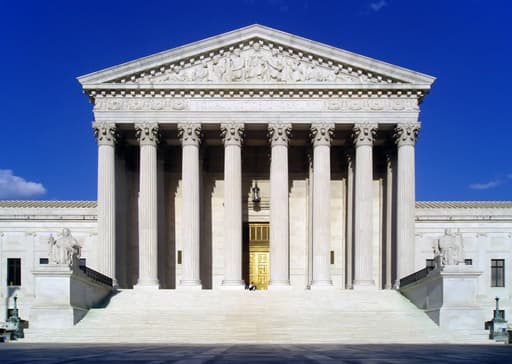
Supreme Court
ORGANIZATION47 w/ Myers·10 w/ Payner
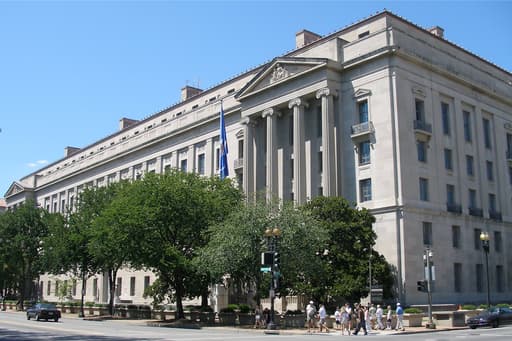
Department of Justice
ORGANIZATION51 w/ Myers·2 w/ Payner
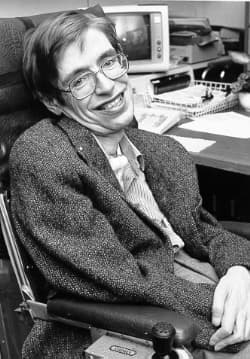
Stephen Hawking
PERSON44 w/ Myers·8 w/ Payner
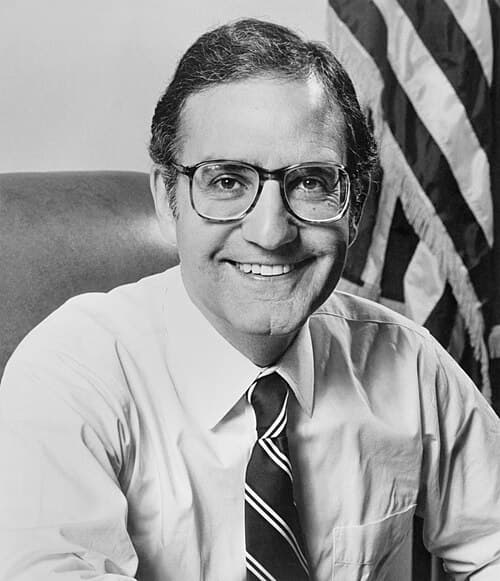
George Mitchell
PERSON46 w/ Myers·5 w/ Payner
Scarlett Johansson
PERSON46 w/ Myers·5 w/ Payner
MF
Maria Farmer
PERSON43 w/ Myers·4 w/ Payner
Colorado
LOCATION41 w/ Myers·5 w/ Payner
Oregon
LOCATION36 w/ Myers·5 w/ Payner
Minnesota
LOCATION34 w/ Myers·5 w/ Payner
the Southern District
LOCATION27 w/ Myers·11 w/ Payner
Michigan
LOCATION33 w/ Myers·4 w/ Payner
Bradley Edwards
PERSON29 w/ Myers·8 w/ Payner
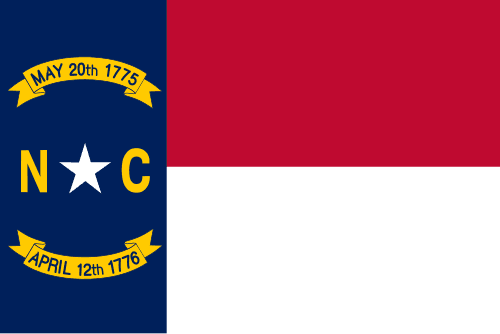
North Carolina
LOCATION31 w/ Myers·5 w/ Payner
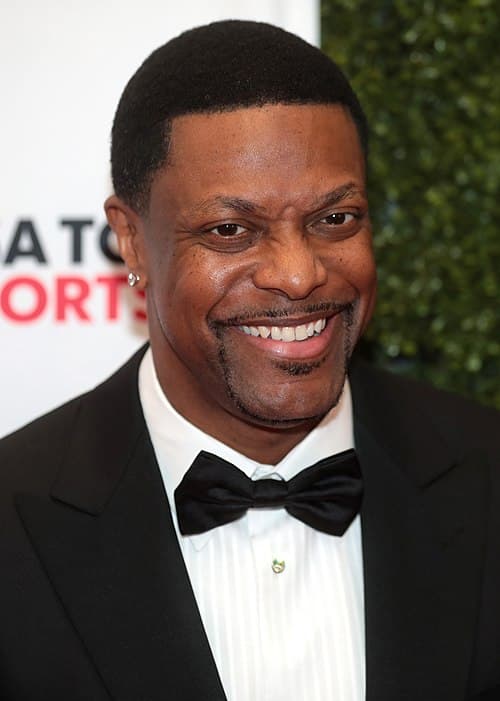
Chris Tucker
PERSON30 w/ Myers·5 w/ Payner