Back to Network













9
Shared Docs
9
Same-Page
9 / 9
Mentions
Document Mentions (9 shared documents)
2 mentions1 same-page
Page ?Same page
3d 698 (S.D.N.Y. 2016) 231, 241, 247 United States v. Muric, No. 10 Cr. 112 (LTS), 2010 WL 2891178 (S.D.N.Y. July 13, 2010) 86 United States v. Myers, 692 F.2d 823 (2d Cir. 1982) 153, 161 United States v. Napolitano, 552 F. Supp. 465 (S.D.N.Y. 1982) 241 United States v. Nejad, No. 18 Cr. 224
Boyd v. United States, 116 U.S. 616 (1886) 145 Branzburg v. Hayes, 408 U.S. 665 (1972) 110 Bridges v. United States, 346 U.S. 209 (1953) 53 Bronston v. United States, 409 U.S. 352 (1973) 181 Bryson v. United States, 396 U.S. 64 (1969) 147 Burgess v. United States, 552 U.S. 124 (2008) 51 C
2 mentions1 same-page
Page ?Same page
is consent). Especially in view of the courts' well-established deference to the Government's choice of investigatory methods, see United States v. Myers, 692 F.2d 823, 843 (2d Cir. 1982), the burden of establishing outrageous 105 EFTA00077737 investigatory conduct is very heavy, see United States
or can a conviction rest on answers that are literally true but unresponsive, and therefore "arguably misleading by negative implication." Id.; see Bronston v. United States, 409 U.S. 352, 362 (1973). But when "the answer is false, the fact that it is unresponsive is immaterial." United States v. Corr, 5
Sponsored
2 mentions1 same-page
Page ?Same page
3d 698 (S.D.N.Y. 2016) 231, 241, 247 United States v. Muric, No. 10 Cr. 112 (LTS), 2010 WL 2891178 (S.D.N.Y. July 13, 2010) 86 United States v. Myers, 692 F.2d 823 (2d Cir. 1982) 153, 161 United States v. Napolitano, 552 F. Supp. 465 (S.D.N.Y. 1982) 241 United States v. Nejad, No. 18 Cr. 224
Boyd v. United States, 116 U.S. 616 (1886) 145 Branzburg v. Hayes, 408 U.S. 665 (1972) 110 Bridges v. United States, 346 U.S. 209 (1953) 53 Bronston v. United States, 409 U.S. 352 (1973) 181 Bryson v. United States, 396 U.S. 64 (1969) 147 Burgess v. United States, 552 U.S. 124 (2008) 51 C
2 mentions1 same-page
Page ?Same page
is consent). Especially in view of the courts' well-established deference to the Government's choice of investigatory methods, see United States v. Myers, 692 F.2d 823, 843 (2d Cir. 1982), the burden of establishing outrageous 105 EFTA00039552 investigatory conduct is very heavy, see United States
or can a conviction rest on answers that are literally true but unresponsive, and therefore "arguably misleading by negative implication." Id.; see Bronston v. United States, 409 U.S. 352, 362 (1973). But when "the answer is false, the fact that it is unresponsive is immaterial." United States v. Corr, 5
2 mentions1 same-page
Page ?Same page
3d 698 (S.D.N.Y. 2016) 152, 159, 162 United States v. Muric, No. 10 Cr. 112 (LTS), 2010 WL 2891178 (S.D.N.Y. July 13, 2010) 59 United States v. Myers, 692 F.2d 823 (2d Cir. 1982) 105, 110 United States v. Napolitano, 552 F. Supp. 465 (S.D.N.Y. 1982) 159 United States v. Nejad, 18 Cr. 224 (AJ
ates, 116 U.S. 616 (1886) 101 iv EFTA00095071 Branzburg v. Hayes, 408 U.S. 665 (1972) 78 Bridges v. United States, 346 U.S. 209 (1953) 38 Bronston v. United States, 409 U.S. 352 (1973) 121 Bryson v. United States, 396 U.S. 64 (1969) 101 Burgess v. United States, 552 U.S. 124 (2008) 37 C
Sponsored
2 mentions1 same-page
Page ?Same page
is consent). Especially in view of the courts' well-established deference to the Government's choice of investigatory methods, see United States v. Myers, 692 F.2d 823, 843 (2d Cir. 1982), the burden of establishing outrageous investigatory conduct is very heavy, see United States v. Schmidt, 105 F.
or can a conviction rest on answers that are literally true but unresponsive, and therefore "arguably misleading by negative implication." Id.; see Bronston v. United States, 409 U.S. 352, 362 (1973). But when "the answer is false, the fact that it is unresponsive is immaterial." United States v. Corr, 5
2 mentions1 same-page
Page ?Same page
3d 698 (S.D.N.Y. 2016) 231, 241, 247 United States v. Muric, No. 10 Cr. 112 (LTS), 2010 WL 2891178 (S.D.N.Y. July 13, 2010) 86 United States v. Myers, 692 F.2d 823 (2d Cir. 1982) 153, 161 United States v. Napolitano, 552 F. Supp. 465 (S.D.N.Y. 1982) 241 United States v. Nejad, No. 18 Cr. 224
Boyd v. United States, 116 U.S. 616 (1886) 145 Branzburg v. Hayes, 408 U.S. 665 (1972) 110 Bridges v. United States, 346 U.S. 209 (1953) 53 Bronston v. United States, 409 U.S. 352 (1973) 181 Bryson v. United States, 396 U.S. 64 (1969) 147 Burgess v. United States, 552 U.S. 124 (2008) 51 C
2 mentions1 same-page
Page ?Same page
is consent). Especially in view of the courts' well-established deference to the Government's choice of investigatory methods, see United States v. Myers, 692 F.2d 823, 843 (2d Cir. 1982), the burden of establishing outrageous 105 EFTA00103130 investigatory conduct is very heavy, see United States
or can a conviction rest on answers that are literally true but unresponsive, and therefore "arguably misleading by negative implication." Id.; see Bronston v. United States, 409 U.S. 352, 362 (1973). But when "the answer is false, the fact that it is unresponsive is immaterial." United States v. Corr, 5
Sponsored
Mutual Connections (584)
Entities connected to both Myers and Boston
Jeffrey Epstein
PERSON126 w/ Myers·61 w/ Boston
George W. Bush
PERSON100 w/ Myers·11 w/ Boston
Joe Biden
PERSON96 w/ Myers·2 w/ Boston
Ghislaine Maxwell
PERSON71 w/ Myers·17 w/ Boston
United States
LOCATION72 w/ Myers·15 w/ Boston
Michael Jackson
PERSON61 w/ Myers·11 w/ Boston
Virginia Giuffre
PERSON54 w/ Myers·10 w/ Boston
Julie K. Brown
PERSON52 w/ Myers·9 w/ Boston
Department of Justice
ORGANIZATION51 w/ Myers·8 w/ Boston
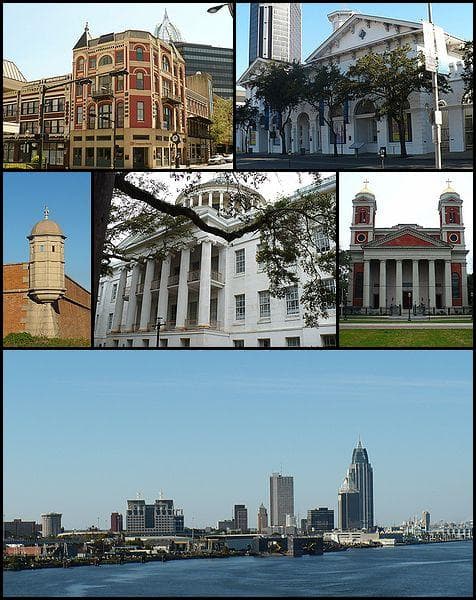
Mobile
LOCATION56 w/ Myers·3 w/ Boston
Scarlett Johansson
PERSON46 w/ Myers·12 w/ Boston
George Mitchell
PERSON46 w/ Myers·10 w/ Boston
Prince Andrew
PERSON46 w/ Myers·10 w/ Boston
Supreme Court
ORGANIZATION47 w/ Myers·9 w/ Boston
MF
Maria Farmer
PERSON43 w/ Myers·11 w/ Boston
Donald Trump
PERSON46 w/ Myers·8 w/ Boston
LB
Leon Black
PERSON44 w/ Myers·10 w/ Boston
ET
Emmy Taylor
PERSON46 w/ Myers·6 w/ Boston
Stephen Hawking
PERSON44 w/ Myers·8 w/ Boston
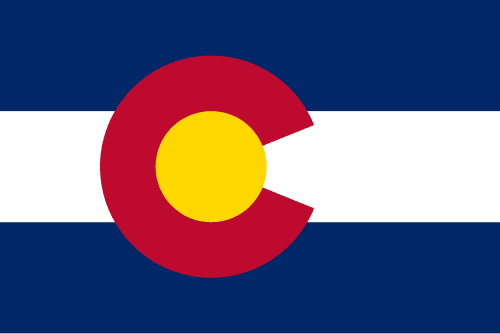
Colorado
LOCATION41 w/ Myers·10 w/ Boston