Back to Network




7
Shared Docs
7
Same-Page
7 / 7
Mentions
Document Mentions (7 shared documents)
2 mentions1 same-page
Page ?Same page
ee - over the most important consideration, the strong public and private interests at stake. The Goodyear Tire analysis is far more consonant with the Supreme Court's teaching in Jaffee than is MTSG. In Baker v. Secretary, U.S. Dept of Transportation, 452 Fed. Appx. 934, 937 (11th Cir. 2012), this Court appeared
rials prepared by an attorney `acting for his client in anticipation of litigation,"' United States v. Nobles, 422 U.S. 225, 237-38 (1975), quoting Hickman v. Taylor, 329 U.S. 495, 508 (1947), which applies in both civil and criminal litigation: Although the work-product doctrine most frequently is asserted as a
2 mentions1 same-page
Page ?Same page
authority to review a grand jury subpoena for reasonableness. See, e.g., United States v. R. Enterprises, Inc., 498 U.S. 292, 300-01 (1991). While the Supreme •Court has held that grand jury subpoenas are presumed reasonable, that presumption may be overcome and a subpoena quashed where, as here, "there is no re
oenas violate the work-product doctrine, as well as Mr. Epstein's Fifth Amendment right to due process and his Sixth Amendment right to counsel. In Hickman v. Taylor,. 329 U.S. 495, 510-11 (1947), the Supreme Court recognized the modem work- product doctrine, holding that: (flu performing his various duties, how
2 mentions1 same-page
Page ?Same page
rgue that the work-product privilege is unavailable for a number of reasons. (DE 265 at 6, 8, 14-16). The work-product doctrine traces its roots to the Supreme Court's recognition that "it is essential that a lawyer work with a certain r 161 degree of privacy, free from unnecessary intrusion by opposing parties an
"it is essential that a lawyer work with a certain r 161 degree of privacy, free from unnecessary intrusion by opposing parties and their counsel." Hickman v. Taylor, 329 U.S. 495, 510, 67 S. Ct. 385, 91 L. Ed. 451 (1947). The privilege is codified at Federal Rule of Civil Procedure 26(b)(3): Ordinarily, a part
Sponsored
2 mentions1 same-page
Page ?Same page
for a party to the subsequent litigation," Underwriters Ins. Co. v. Atlanta Gas Light Co., 248 F.R.D. 663, 668 (N.D. Ga. 2008). These cases rely on the Supreme Court's dicta in Federal Trade Communication v. Grolier, Inc., that "the literal language of [Rule 26(bX3)] protects materials prepared for ae litigation o
that "it is essential that a lawyer work with a certain degree of privacy, free from unnecessary intrusion by opposing parties and their counsel." Hickman v. Taylor, 329 U.S. 495, 510 (1947). The privilege is codified at Federal Rule of Civil Procedure 26(b)(3): Ordinarily, a party may not discover documents an
2 mentions1 same-page
Page ?Same page
for a party to the subsequent litigation," Underwriters Ins. Co. v. Atlanta Gas Light Co., 248 F.R.D. 663, 668 (N.D. Ga. 2008). These cases rely on the Supreme Court's dicta in Federal Trade Communication v. Grolier, Inc., that "the literal language of [Rule 26(b)(3)] protects materials prepared for ay litigation o
that "it is essential that a lawyer work with a certain degree of privacy, free from unnecessary intrusion by opposing parties and their counsel." Hickman v. Taylor, 329 U.S. 495, 510 (1947). The privilege is codified at Federal Rule of Civil Procedure 26(b)(3): Ordinarily, a party may not discover documents an
2 mentions1 same-page
Page ?Same page
r for a party to the subsequent litigation," Underwriters Ins. Co. v. Atlanta Gas Light Co., 248 F.R.D. 663,668 (N.D. Ga. 2008). These cases rely on the Supreme Court's dicta in Federal Trade Communication v. Grolier, Inc., that "the literal language of [Rule 26(b)(3)] protects materials prepared for ars litigation
that "it is essential that a lawyer work with a certain degree of privacy, free from unnecessary intrusion by opposing parties and their counsel." Hickman v. Taylor, 329 U.S. 495, 510 (1947). The privilege is codified at Federal Rule of Civil Procedure 26(b)(3): Ordinarily, a party may not discover documents an
Sponsored
2 mentions1 same-page
Page ?Same page
s will produce information relevant to the, general subject of the grand jury's investigation". R. Enterprises, Inc., 498 U.S. at 301. Normally, as the Supreme Court noted in R. Enterprises, Inc., recipients of a grand jury subpoena have little or no knowledge of the crime the grand jury is investigating and will
oenas violate the work-product doctrine, as well as Mr. Epstein's Fifth Amendment right to due process and his Sixth Amendment right to counsel. In Hickman v. Taylor, 329 U.S. 495, 510-11 (1947), the Supreme Court recognized the modern work- product doctrine, holding that: [lin performing his various duties, how
Sponsored
Mutual Connections (177)
Entities connected to both Supreme Court and Hickman v. Taylor
Jeffrey Epstein
PERSON487 w/ Supreme·12 w/ Hickman
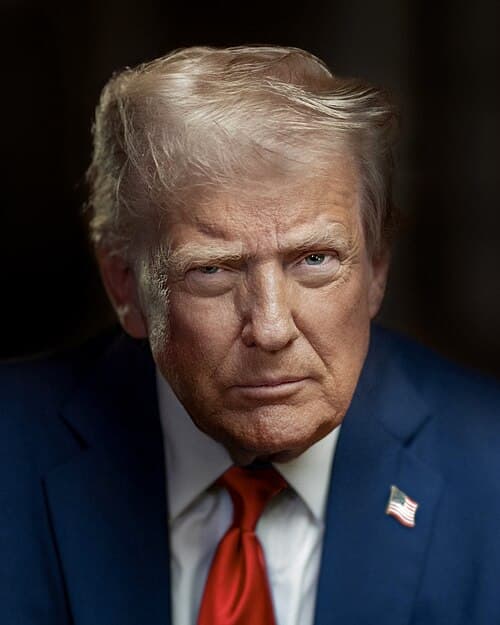
Donald Trump
PERSON356 w/ Supreme·3 w/ Hickman
United States
LOCATION304 w/ Supreme·10 w/ Hickman
LB
Leon Black
PERSON246 w/ Supreme·7 w/ Hickman
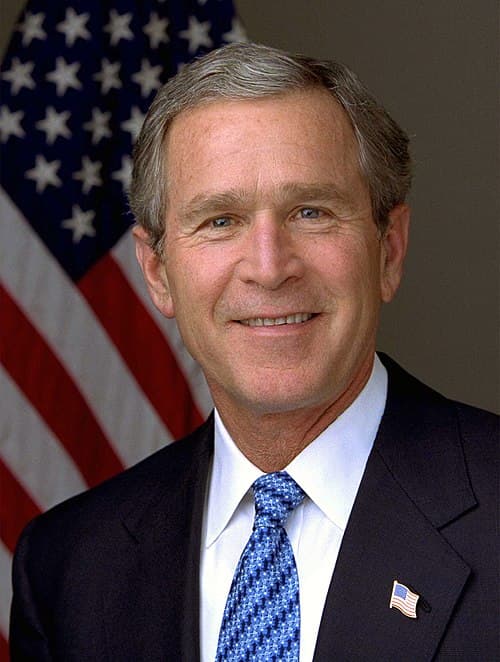
George W. Bush
PERSON238 w/ Supreme·8 w/ Hickman
Julie K. Brown
PERSON235 w/ Supreme·2 w/ Hickman
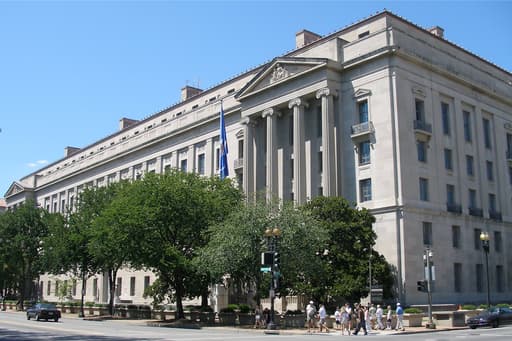
Department of Justice
ORGANIZATION225 w/ Supreme·4 w/ Hickman
Scarlett Johansson
PERSON211 w/ Supreme·3 w/ Hickman
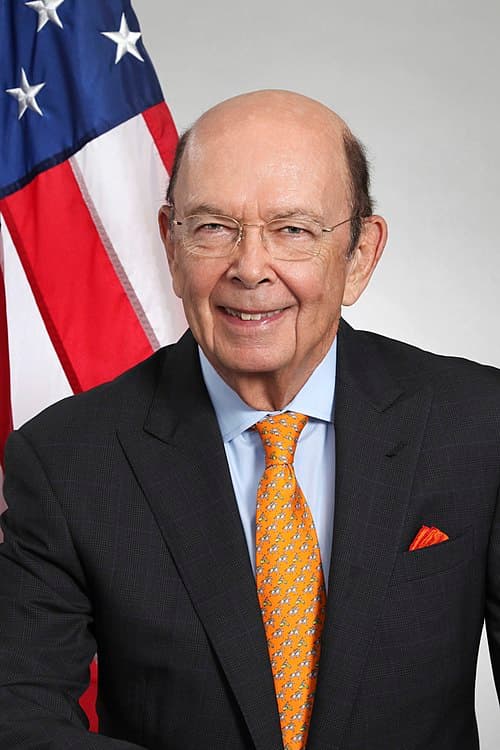
Wilbur Ross
PERSON205 w/ Supreme·2 w/ Hickman
Virginia Giuffre
PERSON180 w/ Supreme·2 w/ Hickman
Joe Biden
PERSON175 w/ Supreme·2 w/ Hickman
Bill Clinton
PERSON174 w/ Supreme·2 w/ Hickman
the Southern District
LOCATION161 w/ Supreme·6 w/ Hickman
MW
Martin Weinberg
PERSON160 w/ Supreme·3 w/ Hickman
ET
Emmy Taylor
PERSON151 w/ Supreme·12 w/ Hickman
Bradley Edwards
PERSON149 w/ Supreme·4 w/ Hickman
George Mitchell
PERSON149 w/ Supreme·2 w/ Hickman
Michael Jackson
PERSON143 w/ Supreme·4 w/ Hickman
Prince Charles
PERSON143 w/ Supreme·2 w/ Hickman
MF
Maria Farmer
PERSON138 w/ Supreme·3 w/ Hickman