Back to Network






8
Shared Docs
7
Same-Page
13 / 8
Mentions
Document Mentions (8 shared documents)
4 mentions1 same-page
Page ?Same page
. Meanor, 442 U.S. 500, 508, 99 S.Ct. 2445, 61 L.Ed2d 80 (1979) (internal quota- tion marks omitted). Our case is not an interlocutory appeal, but the Supreme Court's cases in that field are instructive because they reinforce the narrowness of a defendant's ability to chal- lenge the Government's decision to purs
approved. Even assuming that irreparable harm is a factor that may the Government% authority to proceed with a prosecution, for example, the Su- preme Court has allowed those appeals only in very limited circumstances. For example, the Double if pardy Clause, see U.S. Cont. amend. ("Igor shall any pe
rturn a denial of concurring in part and dissenting in part). such relief. Id. We also keep in mind the In the case before us, the organizations' Supreme Court's admonition that any in- voter education and registration efforts are junction regarding government functions is unquestionably protected from unwar
Adam Augustine Caner, Law Office of Adam A. Carter, Washington, DC, for Appellant. Neil Matthew Corwin, U.S. Attorney's Office, New York, NY, for Appellees. Before: and ROGERS, Circuit Judges, SIIIMnior Circuit Judge. JUDGMENT PER CURIAM. "1 This case was considered on the record from O 2007 Thom
3 mentions1 same-page
Page ?Same page
tions > Prerequisites > Commonality Labor & Employment Law > Discrimination > Disparate Treatment > Proof > General Overview [HN18] Nothing in the Supreme Courts opinion suggests that single, localized operations must be analytically dissected into component departments for purposes of commonality for class
in--depth assessment of the merits of appellants' claim at this stage would be improper." Id. at 156. Such a statement, however, is consistent with the Supreme Court's dictate in Amgen that a court should engage the merits of a claim only to the extent necessary to verify that Rule 23 has been satisfied. Amgen, 133
ns, Jr., WIGGINS, CHILDS, QUINN & PANTAZIS LLC, Birmingham, Alabama, for Appellants. Lisa Schiavo Blatt, ARNOLD & PORTER LLP, Washington, D.C., for Appellees. ON BRIEF: Armand Derfner, D. Peters Wilborn, Jr., DERFNER, ALTMAN & WILBORN. Charleston, South Carolina; Ann K. Wiggins, WIGGINS, CHILDS, QUINN &
3 mentions1 same-page
Page ?Same page
S.Ct. 962, 85 LEd. 4416, and Douglas I. City of Jeannette, supra. 01 We think a more likely explanation of the use of this phrase is that the Su- preme Court had in mind such cases as Hague v. C. I. 0., supra, in which it ap- peared that plaintiffs seeking to hold peace- ful meetings and to distribute lit
ate act. For this he was adjudged by the Circuit Court to be in contempt, and put in custody of the United States marshal. Thereupon he applied to the Supreme Court for leave to file a petition for writs of habeas corpus and certiorari, which the court denied. The act was held to be unconstitutional because, am
taken and now appellants move us to order a stay of the removal pending disposition of the appeals from the orders dismissing the equity suits. Appellees, in response, show that ap- pellants have given bail bonds on remov- al calling for their appearance in the Michigan District to answer the indict-
Sponsored
3 mentions1 same-page
Page ?Same page
mage. This is a fraction of meritorious child pornography cases. The National Center for Missing and Exploited Children testified that, in light of the Supreme Court's affirmation of the Ninth Circuit decision, prosecutors in various parts of the country have expressed concern about the continued viability of previ
ely unreasonable. While undertaking this calculus, we are not limited to considering only the factors expounded upon by the district court; as the Supreme Court has made clear Section 3553(arremains in effect, and sets forth numerous factors that guide sentencing. Those factors in turn will guide appel
porated, Arthur Young & Company, Northwestern National Bank, Hospital Authority No. 1 of Sarpy County, Nebraska and Midlands Com- munity Hospital, Appellees. No. 77-1923. United States Court of Appeals, Eighth Circuit. Submitted April 14, 1978. Decided June 9, 1978. Purchaser of corporate bonds brou
2 mentions1 same-page
Page ?Same page
pposition to Edwards' MSJ revealing relevant information in pretrial discovery." (emphasis added). The Fourth District explained in Brancaccio that the "Supreme Court has disapproved of procedures which require a party to surrender one constitutional right in order to assert another..." 711 So. 2d, at 1210. Thus,
er proper person attesting to their authenticity or correctness. . . . They were received without any foundation other than the representations of Appellees counsel. In short, rule 1.510(e), by its very language, excludes any document from the record on a motion for summary judgment that is not one of t
2 mentions1 same-page
Page ?Same page
S COURT LACKS JURISDICTION TO ENTERTAIN EPSTEIN'S INTERLOCUTORY APPEAL OF THE DISTRICT COURT'S DISCOVERY ORDER DIRECTED TO THE GOVERNMENT. 10 A. The Supreme Court's Recent Decision in Mohawk Makes Clear that Privilege Rulings During Discovery are Not Immediately Appealable But Instead Must be Challenged (If Nec
ane Doe #1 and Jane Doe #2 proceed by way of pseudonym as victims of child sexual assault. /s/ Paul G. Cassell Paul G. Cassell, Esq. Attorney for Appellees C-2 of 2 EFTA00209357 TABLE OF CONTENTS TABLE OF AUTHORITIES ii INTRODUCTION 1 FACTUAL BACKGROUND 3 The Epstein Investigation and the Non-
Sponsored
2 mentions1 same-page
Page ?Same page
S COURT LACKS JURISDICTION TO ENTERTAIN EPSTEIN'S INTERLOCUTORY APPEAL OF THE DISTRICT COURT'S DISCOVERY ORDER DIRECTED TO THE GOVERNMENT. 10 A. The Supreme Court's Recent Decision in Mohawk Makes Clear that Privilege Rulings During Discovery are Not Immediately Appealable But Instead Must be Challenged (If Nec
ane Doe #1 and Jane Doe #2 proceed by way of pseudonym as victims of child sexual assault. /s/ Paul G. Cassell Paul G. Cassell, Esq. Attorney for Appellees C-2 of 2 EFTA00209569 TABLE OF CONTENTS TABLE OF AUTHORITIES ii INTRODUCTION 1 FACTUAL BACKGROUND 3 The Epstein Investigation and the Non-
Page HOUSE_OVERSIGHT_023374
e of personal jurisdiction over them for the claims as pled would not comport with due process. Id. at 93-95. Plaintiffs thereafter sought review by the U.S. Supreme Court of each of these three principal holdings. In response to a request from the Supreme Court, the United States filed an amicus brief on May 29, 2009,
Page: HOUSE_OVERSIGHT_023374 →Page HOUSE_OVERSIGHT_023375
ki), Martin Wachter, Erwin Wachter, Sercor Treuhand Anstalt, and Asat Trust (Asat). Generally, the district court predicated the dismissals of those Appellees on its conclusions that: (1) a defendant’s indirect funding of al- *19 Qaeda through a charitable intermediary “is, under controlling Second Circuit
Page: HOUSE_OVERSIGHT_023375 →Sponsored
Mutual Connections (190)
Entities connected to both Supreme Court and Appellees
Jeffrey Epstein
PERSON487 w/ Supreme·7 w/ Appellees
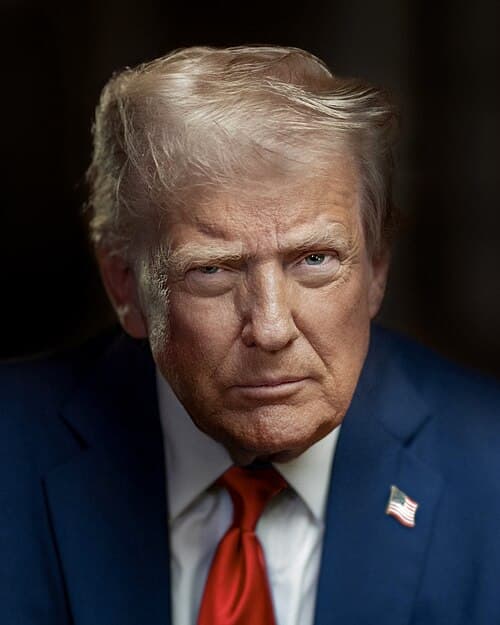
Donald Trump
PERSON356 w/ Supreme·3 w/ Appellees
United States
LOCATION304 w/ Supreme·7 w/ Appellees
LB
Leon Black
PERSON246 w/ Supreme·3 w/ Appellees
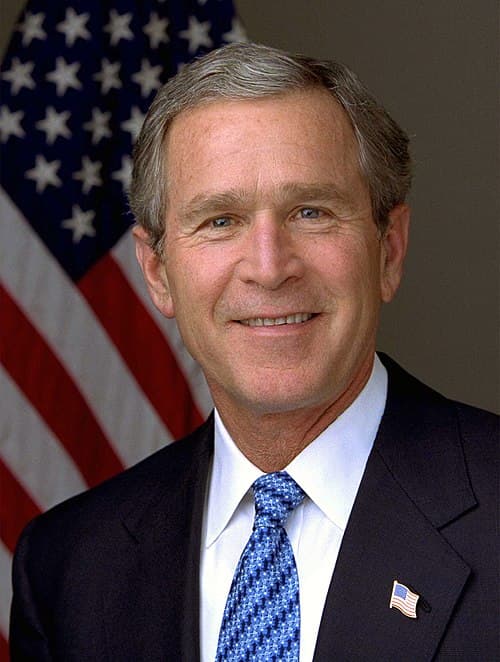
George W. Bush
PERSON238 w/ Supreme·7 w/ Appellees
Julie K. Brown
PERSON235 w/ Supreme·4 w/ Appellees
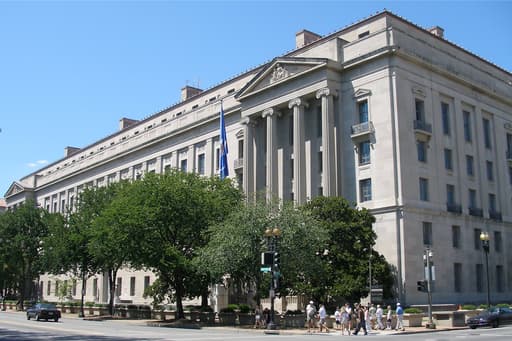
Department of Justice
ORGANIZATION225 w/ Supreme·3 w/ Appellees
Scarlett Johansson
PERSON211 w/ Supreme·6 w/ Appellees
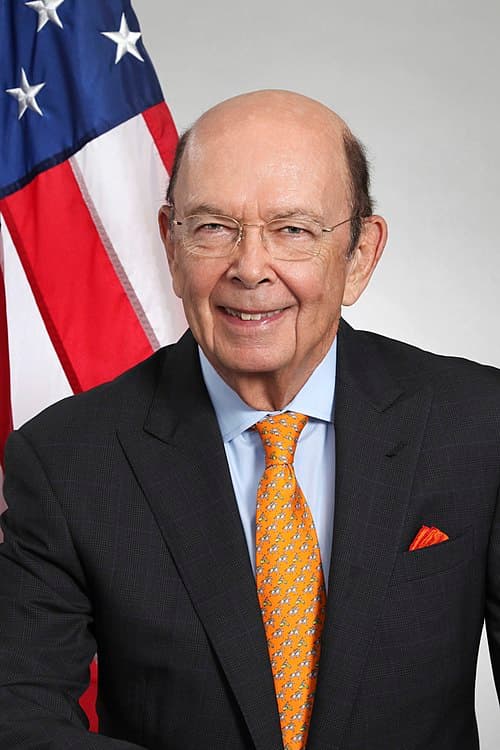
Wilbur Ross
PERSON205 w/ Supreme·4 w/ Appellees
Prince Andrew
PERSON199 w/ Supreme·2 w/ Appellees
Virginia Giuffre
PERSON180 w/ Supreme·2 w/ Appellees
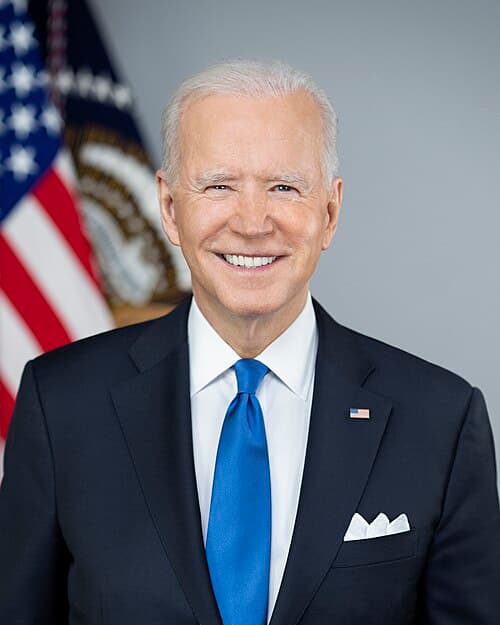
Joe Biden
PERSON175 w/ Supreme·2 w/ Appellees
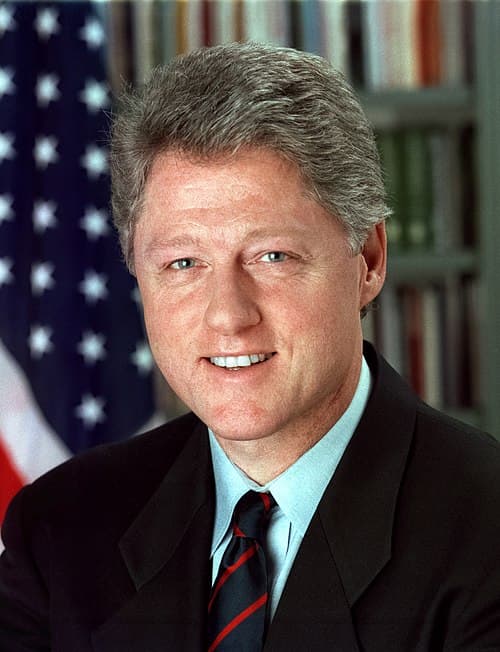
Bill Clinton
PERSON174 w/ Supreme·2 w/ Appellees
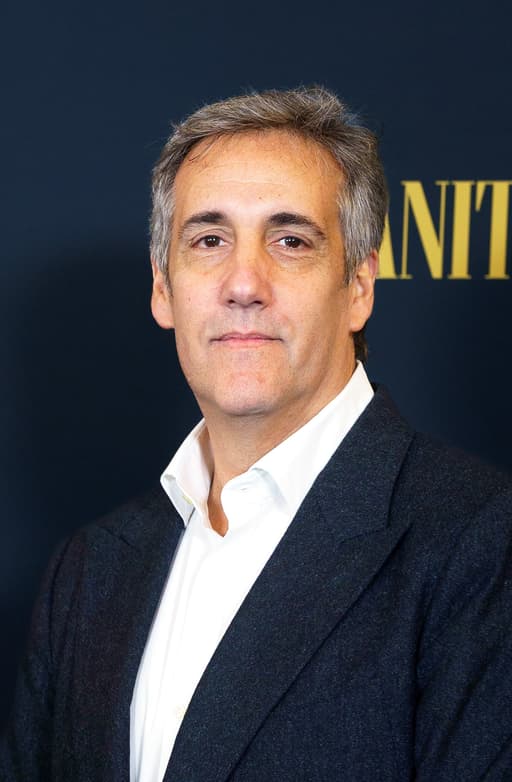
Michael Cohen
PERSON170 w/ Supreme·3 w/ Appellees
Samantha Power
PERSON168 w/ Supreme·4 w/ Appellees
the Southern District
LOCATION161 w/ Supreme·6 w/ Appellees
MW
Martin Weinberg
PERSON160 w/ Supreme·4 w/ Appellees
Stephen Hawking
PERSON153 w/ Supreme·2 w/ Appellees
George Mitchell
PERSON149 w/ Supreme·5 w/ Appellees
ET
Emmy Taylor
PERSON151 w/ Supreme·3 w/ Appellees