Back to Network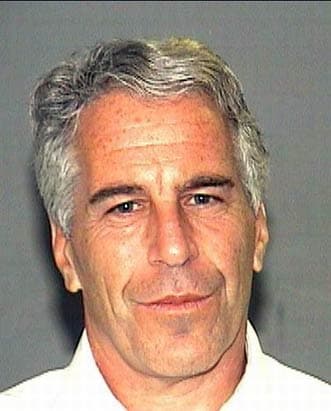








5
Shared Docs
2
Same-Page
10 / 5
Mentions
Document Mentions (5 shared documents)
4 mentions1 same-page
Page ?Same page
jury beyond a reasonable doubt." Ring, 536 U.S. at 602, 122 S.Ct. 2428 (citing Apprendl, 530 U.S. at 482-83, 120 S.Ct. 2348). Two years later, in Ring the Supreme Court held that an aggravating factor rendering a defendant death-eligible "operate[s] as the functional equivalent of an element of a greater of- fense
. FN26. Currently, the circuit courts are split as to whether duplicative aggravating factors are unconstitu- tional and as to the meaning of the Supreme Court's decision in Jones. The Fourth and Ninth Circuits have aligned with the Tenth Circuit and adopted their own variations of tke rule in McCullah. Se
light of Jones, see United States D. 1?obin- son, 367 F.3d 278, 292-93 (5th Cir.2004) ("Although our case law once [supported the theory], the Su- preme Court recently admonished that it does not support that theory of review.") O 2011 Thomson Reuters. No Claim to Orig. US Gov. Works. https://web2.westl
based on the fact that the govern- ment presented evidence that de- fendant was a member of a gang that had committed violen and un- lawful acts); Wainwright . Lock- hart, 80 F.3d 1226, 1 4 (8th Cir.1996) (ruling that questioning of defendant on involvement in street gang "did not serve any prop- er reb
2 mentions1 same-page
Page ?Same page
roper purpose." The 5th Circuit was ordered to further investigate Panetti's mental state based on this new "rational understanding" standard. But the Supreme Court's attempt to codify and expand upon the vague guidelines it set out in the Ford case has made little difference in practice. Judges often ignore the n
the moral ground on which America's legal system rests. That's essentially what the United States Supreme Court ruled in the 1986 case of Ford v. Wainwright. Citing centuries of English common-law precedent, the court pronounced that a civilized society cannot condone the execution of a person with so we
HOUSE_OVERSIGHT_016509 - HOUSE_OVERSIGHT_016551
Article: Criminal Enforcement Redundancy: Oversight of Decisions Not to Prosecute
3 mentions
Page HOUSE_OVERSIGHT_016511
83, 86 (1963) (holding prosecution's withholding of the confession of defendant's confederate violated defendant's due process rights). 7 Gideon v. Wainwright, 372 U.S. 335, 342 (1963) (extending Sixth Amendment right to assistance of counsel to indigent state criminal defendants); Powell v. Alabama, 287 U.
Page: HOUSE_OVERSIGHT_016511 →Page HOUSE_OVERSIGHT_016534
e citizens with "honest services" 1°? 160 - wrongdoing for which the public harm is sometimes hard to identify. [#894] By some accounts, including the U.S. Supreme Court's on occasion, 1°! this enforcement agenda has been overly aggressive. '°? But Congress has generally encouraged far-reaching federal enforcement, not
Page: HOUSE_OVERSIGHT_016534 →Page HOUSE_OVERSIGHT_016542
People Priority Goal"). 46 See Lichtblau, supra note 141. 47 See Paul G. Cassell & James R. Marsh, Full Restitution for Child Pornography Victims: The Supreme Court's Paroline Decision and the Need for a Congressional Response, /3 Ohio St. J. Crim. L. 1, 7 (2015). 48 See U.S. Dep't of Justice, supra note 145, at I
Page: HOUSE_OVERSIGHT_016542 →Sponsored
HOUSE_OVERSIGHT_017635 - HOUSE_OVERSIGHT_017713
ARTICLE: Treating Crime Victims Fairly: Integrating Victims into the Federal Rules of Criminal Procedure
3 mentions
Page HOUSE_OVERSIGHT_017656
in opposition to a plea. The prosecutor refused to convey that information to the court and the trial judge accepted the plea. When the issue reached the Utah Supreme Court, the court concluded that the prosecutor had an ethical obligation as an officer of the court to convey that information to the judge: Prosecutors m
Page: HOUSE_OVERSIGHT_017656 →Page HOUSE_OVERSIGHT_017661
n handedly to both prosecution and the defense. Neither side is required to disclose the address or telephone number of a victim, thus complying with the Supreme Court's instruction that "in the absence of a strong showing of state interests to the contrary, discovery must be a two- 204 See infra notes 528-539 and ac
Page: HOUSE_OVERSIGHT_017661 →Page HOUSE_OVERSIGHT_017692
ermits the court in both civil and criminal cases to "request an attorney to represent any person unable to afford counsel." 49° And before Gideon v. Wainwright, *°° courts could request 45 Td. 46 Td. 47 Tn possible response to such concerns as I raise here, the Advisory Committee modified the Advisory Comm
Page: HOUSE_OVERSIGHT_017692 →HOUSE_OVERSIGHT_017714 - HOUSE_OVERSIGHT_017766
ARTICLE: Recognizing Victims in the Federal Rules of Criminal Procedure: Proposed Amendments in Light of the Crime Victims' Rights Act
3 mentions
Page HOUSE_OVERSIGHT_017735
--- Page 21 of 52 2005 B.Y.U.L. Rev. 835, *870 court, and the trial judge accepted the plea. The victim then obtained legal counsel and appealed to the Utah Supreme Court, urging that under the Utah Victims’ Rights Amendment, her right to be heard regarding a plea had been violated. The State responded that the victim
Page: HOUSE_OVERSIGHT_017735 →Page HOUSE_OVERSIGHT_017741
also resided in that state would be incidental. An understanding of the Article II] provision as protecting the community's interest is bolstered by the Supreme Court's decisions on right of public access to trials. In cases such as Richmond Newspapers, Inc. v. Virginia, 7°4 the Court has held that a guarantee of the
Page: HOUSE_OVERSIGHT_017741 →Page HOUSE_OVERSIGHT_017759
nd criminal cases. 3!! While these cases do not directly involve [*913] appointment of counsel for crime victims, their principles 309 Cf. Gideon v. Wainwright, 372 U.S. 335, 344 (1963) (discussing "fairness" to the defendant as a reason for recognizing a right to appointed counsel). 310 150 Cong. Rec. S426
Page: HOUSE_OVERSIGHT_017759 →Sponsored
Mutual Connections (174)
Entities connected to both Supreme Court and Wainwright
Jeffrey Epstein
PERSON487 w/ Supreme·3 w/ Wainwright
Donald Trump
PERSON356 w/ Supreme·4 w/ Wainwright
United States
LOCATION304 w/ Supreme·6 w/ Wainwright
LB
Leon Black
PERSON246 w/ Supreme·2 w/ Wainwright
George W. Bush
PERSON238 w/ Supreme·3 w/ Wainwright
Julie K. Brown
PERSON235 w/ Supreme·3 w/ Wainwright
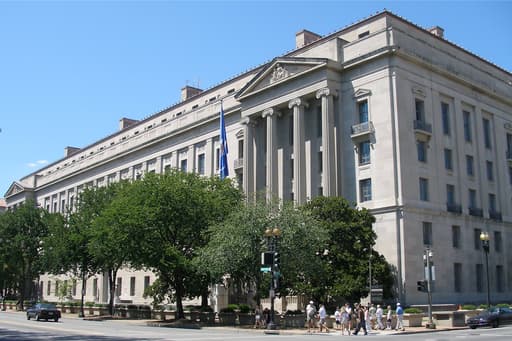
Department of Justice
ORGANIZATION225 w/ Supreme·3 w/ Wainwright
Colorado
LOCATION179 w/ Supreme·3 w/ Wainwright
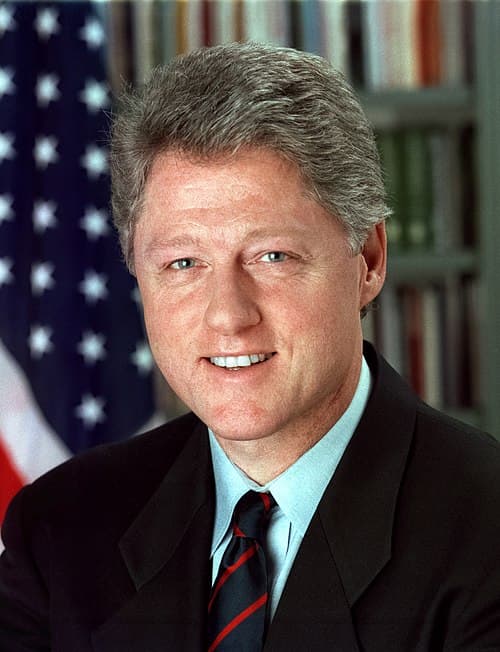
Bill Clinton
PERSON174 w/ Supreme·3 w/ Wainwright
Samantha Power
PERSON168 w/ Supreme·2 w/ Wainwright
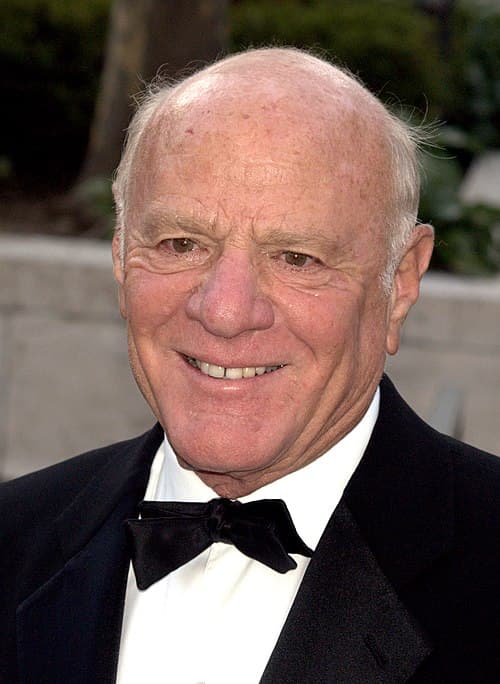
Barry Diller
PERSON163 w/ Supreme·3 w/ Wainwright
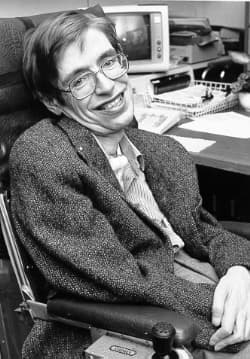
Stephen Hawking
PERSON153 w/ Supreme·2 w/ Wainwright
ET
Emmy Taylor
PERSON151 w/ Supreme·2 w/ Wainwright
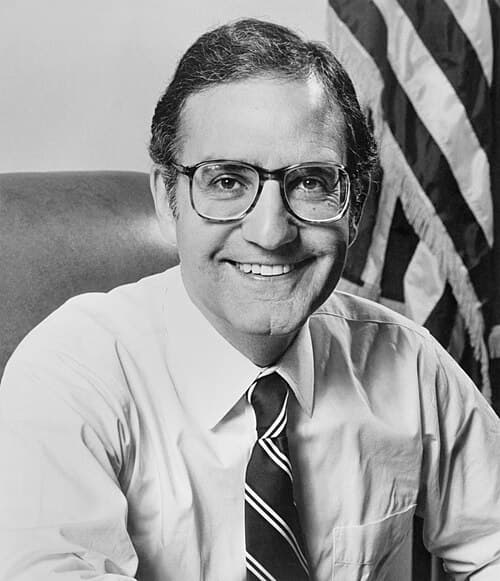
George Mitchell
PERSON149 w/ Supreme·2 w/ Wainwright
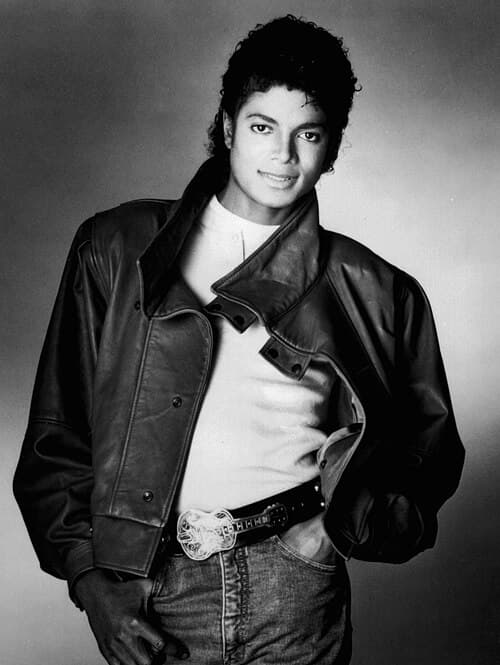
Michael Jackson
PERSON143 w/ Supreme·2 w/ Wainwright
FBI
ORGANIZATION132 w/ Supreme·2 w/ Wainwright
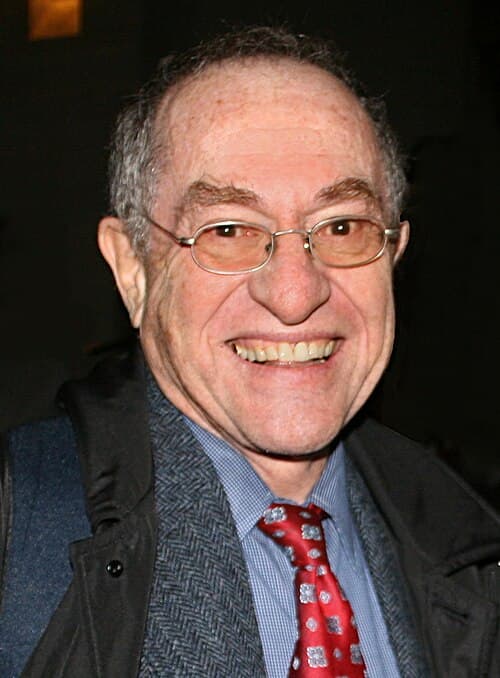
Alan Dershowitz
PERSON123 w/ Supreme·2 w/ Wainwright
New York
LOCATION123 w/ Supreme·2 w/ Wainwright
Marc Rich
PERSON114 w/ Supreme·2 w/ Wainwright
John F. Kennedy
PERSON98 w/ Supreme·2 w/ Wainwright