Back to Network



















5
Shared Docs
3
Same-Page
5 / 5
Mentions
Document Mentions (5 shared documents)
2 mentions1 same-page
Page ?Same page
state isn't what it used to be. Frightening problems still flourish. There's always the danger of being sucked into hellholes like Iran, Syria, and North Korea. The Middle East seems more explosive than ever. China now looms as the challenging superpower. At seminal moments in American history, the secreta
depended to help protect its interests. They were constant, if not always agreeable, companions. Egypt's Mubarak, Jordan's King Hussein, Tunisia's Ben Ali, Yemen's Ali Saleh, Morocco's King Hassan II, Saudi Arabia's kings Fand and Abdullah. The PLO's Yasir Arafat rounded out the group photo. America'
2 mentions1 same-page
Page ?Same page
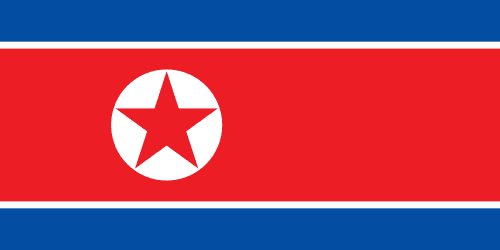
China Precision is also subject to sanctions from the United States =or selling technologies that the United States says could help Iran, Syria=and North Korea develop unconventional weapons. A State Department spokesw=man said this month that American officials had expressed to the Turkish g=vernment "ser
y a desire for an Islamist system. In Egypt a=d Tunisia, Islamist movements capitalised on the fall of presidents Hosni =ubarak and Zine al- Abidine Ben Ali. However, even in these countries (espe=ially Egypt), their popularity declined rapidly. As the impact of the Arab uprisings reverberated through th
2 mentions1 same-page
Page ?Same page
to isolate regimes that defy the international community in specific ways. Along with most of the world, the E.U. has imposed sanctions on Iran and North Korea to prevent the proliferation of nuclear weapons. On the other hand, it has been standard practice to maintain diplomatic and trading relations wit
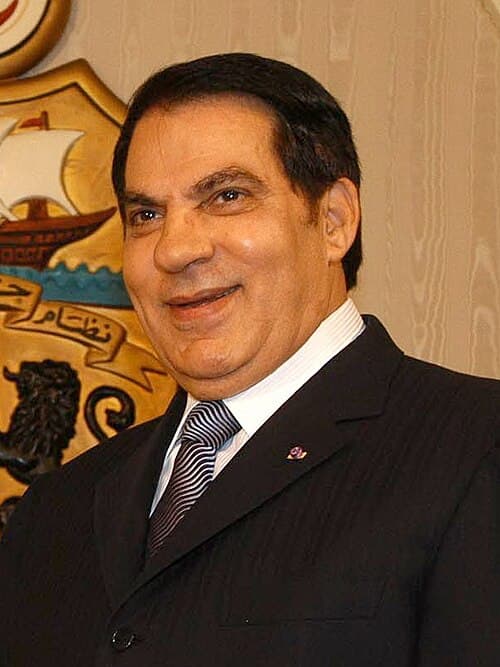
nt was authoritarian but also determinedly secular and pro- Western. The cracks, however, were larger than anyone thought: President Zine el-Abidine Ben Ali had carefully hidden the extent to which illness had weakened his control of the government; his ties with other centers of power, such as the mili
Sponsored
Page HOUSE_OVERSIGHT_030038
9 Right now, nobody has a successful formula for helping Pakistan — with its 100-plus nuclear weapons - arrest its systemic decline; or for coercing North Korea to slow its growing nuclear weapons and missile capabilities. So the administration gets the benefit of the doubt on those two perplexing problems. O
Page: HOUSE_OVERSIGHT_030038 →Page HOUSE_OVERSIGHT_030051
st. It's over: Enough of the nameless graves that whisper of horror, enough of the 20th-century police states in the 21st-century. Yes, it's over for Ben Ali and for Mubarak. It's over for Qaddafi, yes it is. How far it's over for the other Arab despots and autocrats, whether of the oxymoronic "republics"
Page: HOUSE_OVERSIGHT_030051 →Page ?
gether. To be sure, Egypt's Mubarak and Tunisia's Ben Ali neither ran police states on the terrifying scale
Page HOUSE_OVERSIGHT_032195
ble to hard ones, even if the process takes some time. A moral argument can be made that monsters like Muammar el-Qaddafi in Libya and Kim Jong-il in North Korea should be overthrown any way they can, as fast as we can, regardless of the risk of short-term chaos. But that reasoning quickly loses its appeal whe
Page: HOUSE_OVERSIGHT_032195 →Sponsored
Mutual Connections (182)
Entities connected to both North Korea and Ben Ali
Jeffrey Epstein
PERSON184 w/ North·3 w/ Ben
Donald Trump
PERSON142 w/ North·2 w/ Ben
Barack Obama
PERSON125 w/ North·19 w/ Ben
George W. Bush
PERSON107 w/ North·14 w/ Ben
United States
LOCATION104 w/ North·10 w/ Ben
Joe Biden
PERSON104 w/ North·2 w/ Ben
Department of Justice
ORGANIZATION95 w/ North·2 w/ Ben
Marc Rich
PERSON82 w/ North·9 w/ Ben
Bill Clinton
PERSON80 w/ North·11 w/ Ben
Tehran
LOCATION74 w/ North·12 w/ Ben
Samantha Power
PERSON76 w/ North·4 w/ Ben
Bashar al-Assad
PERSON58 w/ North·20 w/ Ben
Benjamin Netanyahu
PERSON68 w/ North·10 w/ Ben
Julie K. Brown
PERSON68 w/ North·2 w/ Ben
Michael Cohen
PERSON63 w/ North·5 w/ Ben
Vladimir Putin
PERSON62 w/ North·4 w/ Ben
Hillary Clinton
PERSON58 w/ North·8 w/ Ben
Middle East
LOCATION53 w/ North·12 w/ Ben
George Mitchell
PERSON60 w/ North·3 w/ Ben
John F. Kennedy
PERSON57 w/ North·4 w/ Ben