EFTA00033486 - EFTA00033519
Document EFTA00033486 is a program statement from the U.S. Department of Justice, Federal Bureau of Prisons, titled "Standards of Employee Conduct."
This document, issued on December 6, 2013, outlines the policies and procedures complementing the Office of Government Ethics' standards regarding employee conduct, ethics, conflicts of interest, post-employment restrictions, procurement integrity, attorney ethics, and outside employment. It applies to all Bureau of Prisons employees, including those from the Public Health Service and the National Institute of Corrections, as well as contractors and volunteers. The program statement addresses situations specific to Bureau of Prisons employment and details changes from the previous directive, including specifying prohibited illegal drugs and eliminating the moving traffic violations reporting requirement.
Key Highlights
- •The document provides standards of conduct for employees of the Federal Bureau of Prisons.
- •It complements ethics standards issued by the Office of Government Ethics and the Department of Justice.
- •The standards apply to employees of the Bureau of Prisons, the Public Health Service, and the National Institute of Corrections.
Frequently Asked Questions
Books for Further Reading
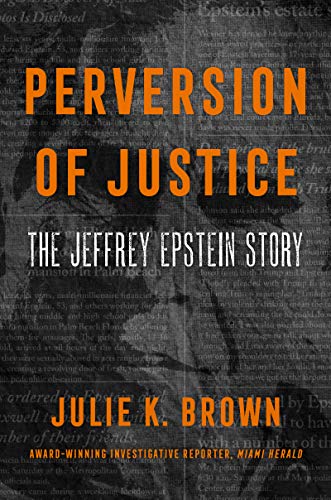
Perversion of Justice: The Jeffrey Epstein Story
Julie K. Brown
Investigative journalism that broke the Epstein case open

Filthy Rich: The Jeffrey Epstein Story
James Patterson
Bestselling account of Epstein's crimes and network

Relentless Pursuit: My Fight for the Victims of Jeffrey Epstein
Bradley J. Edwards
Victims' attorney's firsthand account
Document Information
Bates Range
EFTA00033486 - EFTA00033519
Pages
34
Document Content
Page 1 - EFTA00033486
@ U.S. Department of Justice Federal Bureau of Prisons PROGRAM STATEMENT OPI: OGC/ELE NUMBER: 3420.11 DATE: 12/6/2013 Standards of Employee Conduct Is/ Approved: Charles E. Samuels, Jr. Director, Federal Bureau of Prisons 1. PURPOSE AND SCOPE To provide policies and procedures, referred to as the "Standards of Conduct," to complement those issued by the Office of Government Ethics on: ■ Employee conduct and responsibility. ■ Ethics in matters involving conflicts of interest. ■ Post-employment restrictions. ■ Procurement integrity issues. ■ Attorney ethics. ■ Outside employment. These standards apply to all employees of the Bureau of Prisons (Bureau), including employees of the Public Health Service and the National Institute of Corrections, and to any person detailed to any of those agencies under the Intergovernmental Personnel Act. Such employees are subject to certain standards and prohibitions — some statutory, some regulatory, and some a matter of good ethical principles that are essential to the efficiency of the organization. Contractors and volunteers working in Bureau facilities also are expected to conduct themselves by these standards, where applicable. SDNY_00008394 EFTA00033486
Page 2 - EFTA00033487
While issuances from the Office of Government Ethics and the Department of Justice address the basic standards and prohibitions applicable to Bureau employees, this Program Statement more specifically addresses situations that especially apply to Bureau employment. It cannot, however, attempt to detail every incident that could violate the Standards of Conduct. a. Summary of Changes Directive Rescinded P3420.09 Standards of Employee Conduct (2105/99) Changes in this issuance include: ■ Specifying illegal drugs prohibited under Section 5, Personal Conduct. ■ Eliminating the moving traffic violations reporting requirement under Section 7, Illegal Activities. Greater changes include those found under the Introduction of Contraband, Government Property, and Outside Employment sections. b. Program Objectives. The expected results of this program are: ■ Employees will conduct themselves in a manner that fosters respect for the Bureau of Prisons, the Department of Justice, and the U.S. Government. ■ Employees will avoid situations that involve conflicts of interest with their employment. ■ Employees will comply with restrictions on employment outside the Bureau and after employment with the Bureau. ■ Employees will conform to procurement integrity regulations. ■ Employees will uphold the ethical rules governing their professions. ■ Employees will immediately report any violation, or apparent violation, of standards of conduct to their Chief Executive Officer (CEO) or another appropriate authority. ■ Employees who fail to conduct themselves in accordance with these standards will be subject to appropriate sanctions. 2. DEFINITIONS For the purposes of this Program Statement, the following definitions apply: a. Chief Executive Officer (CEO). The Warden at institutions, the Director at staff training centers, the Residential Reentry Manager at residential reentry field offices, the Regional P3420.11 12/6/2013 SDNY_00008395 EFTA00033487
Page 3 - EFTA00033488
Director at regional offices, and the Assistant Director of each division at the Central Office. The CEO ensures that staff are made aware of updates and revisions that affect employee conduct. b. Conflict of Interest. A conflict of interest exists where responsibilities as a public servant affect, or are affected by, the employee's private interests. c. During the Conduct of a Procurement. The time between the beginning and end of a procurement. The conduct of a procurement begins on the earliest date an authorized official directs that a specific action be taken to initiate a procurement. These actions include: ■ Drafting a specification or a statement of work. ■ Reviewing and approving a specification. ■ Computing requirements or a purchase request. ■ Preparing or issuing a solicitation. ■ Evaluating bids or proposals. ■ Selecting sources. ■ Conducting negotiations. ■ Reviewing and approving the award of a contract or contract modification. The conduct of a procurement ends with the award or modification of a contract or the cancellation of the procurement. d. Employment. Any form of employment or business relationship involving the provision of personal services by the employee, whether undertaken at the same time as or subsequent to current Federal employment. It includes, but is not limited to, personal services as an officer, director, employee, agent, attorney, consultant, contractor, general partner, or trustee. e. Former Inmate. An inmate for whom less than one year has elapsed since his/her release from Bureau custody or supervision of a Federal court (see definition of "inmate" in Section 2.g.), whichever is later. f. Illegal Drugs. Controlled substances acquired in violation of Federal law. g. Inmate. Persons in the custody of the Federal Bureau of Prisons or Bureau contract facilities, including persons charged with or convicted of offenses against the United States, D.C. Code felony offenders, and persons held as witnesses, detainees, or otherwise. P3420.11 12/6/2013 SDNY_00008396 EFTA00033488
Sponsored
Page 4 - EFTA00033489
h. Law Enforcement Agency. Any local, state, or Federal entity established to carry out and enforce the criminal law. I. Negotiations. Discussion or communication with another person, or a person's agent or intermediary, mutually conducted with a view toward reaching an agreement regarding possible employment with that person. j. Official Investigation. Includes, but is not limited to, investigations conducted by the Federal Bureau of Investigation, Office of the Inspector General, Office of Professional Responsibility, Office of Internal Affairs, Office of Personnel Management, Special Investigative Agent, Special Investigative Supervisor, Equal Employment Opportunity Investigator, or any other official investigation authorized by the CEO. k. Participate. To take action as an employee through decision, approval, disapproval, recommendation, rendering of advice, or investigation (applies to Sections 14 through 19 of this Program Statement). I. Particular Matter. Matters that involve deliberation, decision, or action that is focused upon the interests of specific persons, or a discrete and identifiable class of persons. The particular matters covered by this subpart include a judicial or other proceeding, application, request for a ruling or other determination, contract, claim, controversy, charge, accusation, or arrest. m. Procurement Official. Any officer or employee of an agency who has participated personally and substantially in any activities involved "during the conduct of a procurement." This definition extends to contractors, subcontractors, consultants, experts, and advisors acting on behalf of, or providing advice to, an agency with respect to procurement (see Section 2.c.). 3. PUBLICATION AND INTERPRETATION The CEO of each facility has the primary responsibility for ensuring that the Standards of Employee Conduct are provided and made known to each employee, contractor, and volunteer. The CEO must ensure that staff are made aware of updates and revisions that affect employee conduct and receive annual training on their responsibilities under this policy. Per 5 CFR §2635.107, only actions made in reliance upon advice concerning ethical issues, received from the Ethics Office, will be protected from disciplinary action. No other authority may provide the employee this protection. P3420.11 12/6/2013 4 SDNY_00008397 EFTA00033489
Page 5 - EFTA00033490
Where the employee's conduct violates a criminal statute, reliance on the advice of an ethics official cannot ensure he/she will not be prosecuted. Each new employee, contractor, and volunteer must receive and sign for this Program Statement at the time of appointment. Employees, contractors, and volunteers receive and sign for updated versions of this Program Statement when issued. The form Acknowledgement of Receipt of Standards of Employee Conduct (BP-A0165) is filed on the left side of the Official Personnel Folder. Employee Development Managers, Volunteer Coordinators, or other designated staff ensure that supervisors and employees receive annual training on their responsibilities under this policy. 4. GENERAL POLICY Bureau employees are governed by regulations in 5 CFR Part 2635. While this Program Statement clarifies the applications of those regulations in the Bureau, it does not and cannot specify every incident that would violate the Standards of Conduct. In general, the Bureau expects its employees to conduct themselves in such a manner that their activities both on and off duty do not discredit the agency. Employees must: ■ Conduct themselves in a manner that fosters respect for the Bureau of Prisons, the Department of Justice, and the U.S. Government. ■ Only arrest in their official capacity as permitted by 18 U.S.C. § 3050 and other relevant provisions of the United States Code, the Program Statements Searching, Detaining, or Arresting Visitors to Bureau Grounds and Facilities and Staff Entrance and Search Procedures, or other authority officially granted to them. ■ Endeavor to avoid any actions creating the appearance that they are violating the law or the ethical standards promulgated in this policy and the statutes. ■ Avoid conflicts of interest in matters that affect their financial interests. ■ Comply with post-employment restrictions. ■ Conform to procurement integrity regulations. ■ Uphold the ethical rules governing their professions, including complying with applicable licensing authority rules, except when they conflict with Federal law. ■ Follow special rules to avoid conflicts of interest when seeking employment outside the Bureau. ■ As soon as practicable (but no later than 24 hours) report to their CEO (or other appropriate authority such as the Office of Internal Affairs or the Office of the Inspector General) any P3420.11 12/6/2013 5 SDNY_00008398 EFTA00033490
Page 6 - EFTA00033491
violation, appearance of a violation, or attempted violation of these Standards or of any law, rule, or regulation. Every employee is required to immediately report to management any act or omission by any person that could result in a breach of institution security. Failure by employees to follow these regulations and policy or any other Bureau policy or relevant regulation(s) could result in disciplinary action, up to and including removal (see Attachment A). 5. PERSONAL CONDUCT Employees are expected to conduct themselves in a manner that contributes to the orderly running of Bureau facilities. Some types of behavior cannot be tolerated in the Bureau: a. Alcohol/Illegal Drugs. The use of illegal drugs or the abuse of any drug, including prescription-controlled substances, is strictly prohibited. Illegal drugs include, but are not limited to: ■ Marijuana. ■ Cocaine. ■ Ecstasy. ■ Heroin. ■ Amphetamines ("speed" or "crank"). ■ Lysergic Acid Diethylamide (LSD). Use of alcoholic beverages or being under the influence of alcohol while on duty or immediately before reporting for duty are prohibited. Employees are subject to disciplinary action if found to possess a .02 or greater blood alcohol content while on duty. b. Sexual Relationships/Contact With Inmates. Employees may not allow themselves to show partiality toward, or become emotionally, physically, sexually, or financially involved with inmates, former inmates, or persons known (or who should have been known based on circumstances) to the employee as a family member or close friend of inmates or former inmates. Chaplains, psychologists, and psychiatrists may continue a previously established therapeutic relationship with a former inmate in accordance with their codes of professional conduct and responsibility. P3420.11 12/6/2013 6 SDNY_00008399 EFTA00033491
Sponsored
Page 7 - EFTA00033492
Bureau staff may not serve as program volunteers in religious services and educational programs. Under no circumstances are staff volunteers authorized to participate in inmate programs on a regular or occasional basis. An employee may not engage in, or allow another person to engage in, sexual behavior with an inmate. There is never any such thing as consensual sex between staff and inmates. Title 18, U.S. Code Chapter 109A provides penalties of up to life imprisonment for sexual abuse of inmates where the force is used or threatened. Sexual contact is defined as the intentional touching of the genitalia, anus, groin, breast, inner thigh, or buttocks with the intent to abuse, humiliate, harass, degrade, arouse, or gratify the sexual desire of any person. Penetration is not required to support a conviction for sexual contact. All allegations of sexual abuse will be thoroughly investigated and, when appropriate, referred to authorities for prosecution. Employees are subject to administrative action, up to and including removal, for any inappropriate contact, sexual behavior, or relationship with inmates, regardless of whether such contact constitutes a prosecutable crime. Physical contact is not required to subject an employee to sanctions for misconduct of a sexual nature. c. Additional Conduct Issues. An employee may not offer or give to an inmate or a former inmate or any member of his/her family, or to any person known to be associated with an inmate or former inmate, any article, favor, or service that is not authorized in the performance of the employee's duties. Neither shall an employee accept any gift, personal service, or favor from an inmate or former inmate, or from anyone known to be associated with or related to an inmate or former inmate. This prohibition includes becoming involved with families or associates of inmates. An employee may not show favoritism or give preferential treatment to one inmate, or a group of inmates, over another. Consistent with policies and regulations: ■ An employee may not use brutality, physical violence, or intimidation toward inmates, or use any force beyond what is reasonably necessary to subdue an inmate. P3420.11 12/6/2013 7 SDNY_00008400 EFTA00033492
Page 8 - EFTA00033493
■ An employee may not use physical violence, threats, or intimidation toward any person visiting a Bureau work site or toward fellow employees. In their official capacity, employees may not use profane, obscene, or abusive language when communicating with inmates, fellow employees, or others. Employees shall conduct themselves in a manner that will not be demeaning to inmates, fellow employees, or others. The above requirements also apply to situations where there is a nexus between the employee's conduct and his/her position. An employee who becomes involved in circumstances as described in this section, Section 9 (or any situation that might give the appearance of improper involvement with inmates or former inmates or their families, including employees whose relatives are inmates or former inmates) must report the contact in writing to the CEO as soon as practicable. (This includes, but is not limited to, telephone calls or written communications with such persons outside the normal scope of employment.) The employee will then be instructed as to the appropriate course of action. Exempted program officials must obtain prior approval to communicate with former inmates, their family members, or associates. All communications must occur from an institution setting. Employees must avoid situations that give rise to a conflict of interest or the appearance of a conflict of interest (see Section 2, Definitions). Employees shall not participate in conduct that would lead a reasonable person to question their impartiality. 6. RESPONSIVENESS Inattention to duty in a correctional environment can result in escapes, assaults, and other incidents. Employees are required to remain fully alert and attentive during duty hours. Because failure to respond to an emergency may jeopardize the security of the institution, as well as the lives of staff or inmates, it is mandatory that employees respond immediately, effectively, and appropriately during all emergency situations. Employees are to obey the orders of their superiors at all times. In an emergency situation, carrying out the orders of those in command is imperative to ensure the security of the institution. P3420.11 12/6/2013 S SDNY_00008401 EFTA00033493
Page 9 - EFTA00033494
7. ILLEGAL ACTIVITIES Illegal activities on the part of any employee, in addition to being unlawful, reflect on the integrity of the Bureau and betray the trust and confidence placed in it by the public. It is expected that employees obey not only the letter of the law, but also the spirit of the law while engaged in personal or official activities. Should an employee be charged with, arrested for, or convicted of any felony or misdemeanor, that employee must immediately inform and provide a written report to the CEO. 8. INTRODUCTION OF CONTRABAND Per 28 CFR § 500.1(h), contraband is defined as "material prohibited by law, or by regulation, or material which can reasonably be expected to cause physical injury or adversely affect the security, safety, or good order of the institution." Introducing or attempting to introduce contraband into or upon the grounds of any Federal correctional institution, or taking or attempting to take contraband out of it, without the CEO's knowledge and consent, is prohibited. Staff may bring personal items into or upon the grounds of an institution, unless otherwise prohibited by the Warden. Such items must remain in the possession of the employee, and /or be secured away from inmates, and disposed of properly when no longer needed. Consult the Program Statement Staff Entrance and Search Procedures for additional requirements. 9. OFFICIAL INVESTIGATION It is not the policy of the Bureau to routinely search employees or their property; however, the Bureau retains the right to conduct searches of employees when such a search is believed necessary to ensure institution security and good order. Searches are conducted in accordance with the Program Statement Staff Entrance and Search Procedures. Representation will be afforded to staff in accordance with the Master Agreement and Title 5. During the course of an official investigation, employees are to cooperate fully by providing all pertinent information they may have. Full cooperation requires truthfully responding to questions and providing a signed affidavit if requested. Any employee who fails to cooperate fully or who hinders an investigation is subject to disciplinary action, up to and including removal. P3420.11 12/6/2013 9 SDNY_00008402 EFTA00033494
Sponsored
Page 10 - EFTA00033495
In official investigations conducted by the Bureau of Prisons, an employee will be provided a copy of his/her signed affidavit upon request, absent rare or exigent circumstances. If this occurs, staff will be given the opportunity to review prior affidavits before giving another affidavit. Employees must respond truthfully and in a timely manner to requests for information related to their background security investigation. Failure to do so may result in disciplinary action up to and including removal. Form BP-A0194, Warning and Assurance to Employee Required to Provide Information, will be provided upon request to the employee who is the subject of the investigation. 10. JUST DEBTS Failure on the part of any employee, without good reason and in a timely manner, to honor debts acknowledged by him/her to be valid or reduced to judgment by a court, or to adhere to satisfactory arrangements for the settlement of the debts, may be cause for disciplinary action. Depending on the circumstances, an employee who receives a legally valid garnishment order may be subject to disciplinary action. II. CONFIDENTIALITY Employees of the Bureau have access to official information ranging from personal data concerning staff and inmates to information involving security. Because of the varying degrees of sensitivity, such information may be disclosed or released only as required in the performance of an employee's duties or upon specific authorization from someone who has the authority to release official information. The only persons so authorized are: ■ In the Central Office, the Director or designee. ■ In a Regional Office, the Regional Director or designee. ■ In other locations, the CEO or designee. The above shall not be construed as a reason to deny authorized persons access to official records and files. The Bureau has an obligation to supply official information in response to requests from organizations or individuals who have been properly identified and are acting in an official capacity. To ensure the proper use of official information, the following rules of conduct are established: P3420.11 12/6/2013 1O SDNY_00008403 EFTA00033495
Page 11 - EFTA00033496
■ Employees must verify the identification and authority of individuals requesting access to information before giving or discussing records, personnel files, or other official information. ■ Employees may not deny authorized persons access to official information. ■ Employees may not use, or release for use, official information for private purposes unless that information is available to the general public. ■ Employees may not remove information from files or make copies of records or documents, except in accordance with established procedures or upon proper authorization. ■ Employees may not make statements or release official information that could breach the security of the institution or endanger any person. ■ Employees must guard against providing or disclosing official information to persons without a valid need to know. ■ Former employees may be granted access only to information available to the general public and have no greater standing than the general public, irrespective of their past employment and any associations developed during it. 12. GOVERNMENT PROPERTY Government property is to be used for authorized purposes only. Authorized purposes include personal use of Government office equipment such as computers, printers, fax machines, telephones, copiers, calculators, and Government-issued cellular phones, provided there is only a negligible cost to the Government. Personal use of office equipment may take place before or after official working hours or during non-paid meal breaks. Negligible costs are those which have no adverse impact to the Government and include, but are not limited to, the cost of electricity, ink, and ordinary wear and tear. Employees must provide their own paper. Personal use of office equipment will not take place during official working hours, with the following exceptions: a. Office and Cellular Telephones. Employees may place a personal call on a Government telephone during official working hours if the call: ■ Does not adversely affect the performance of official duties by the employee or the Bureau. ■ Is of reasonable duration and frequency. ■ Could not reasonably have been made at another time. P3420.11 12/6/2013 11 SDNY_00008400 EFTA00033496
Page 12 - EFTA00033497
■ Is within the employee's local commuting area (not applicable to cellular telephones). b. Fitness Equipment. Employees may use Government-owned fitness equipment during breaks if such equipment is intended exclusively for employee use. This policy does not prevent the establishment of additional rules or restrictions, for business reasons, on the use of Government property. 13. CREDENTIALS Bureau identification cards or credentials may always be used by staff to verify Bureau employment to any entity. Employees may not obtain or use identification cards or badges from sources other than the Bureau that give the appearance of being an official Bureau credential or badge. Employees may never use Agency-issued identification cards or credentials to represent that it is a Bureau requirement to carry a personal firearm on or off duty. Employees may use credentials to prove Government employment for purposes of permissible discounts offered to a broad class of Government employees. 14. OUTSIDE EMPLOYMENT a. Definitions (for purposes of this section) (1) Criminal Matters. Involvement with Federal, state, or local law enforcement agencies, matters carried out under 18 U.S.C., involvement with Federal, state, or local inmates. (2) Outside Employment. Any form of employment, business relationship, or activity involving the provision of personal services, whether or not for compensation, other than when discharging official duties. It includes, but is not limited to, services as a lawyer, officer, director, trustee, employee, agent consultant, contractor, or general partner (see 5 C.F.R. § 3801.106). Employment may also include speaking, writing, and teaching (see 5 C.F.R. § 2635.807). b. General Limitations. An employee may not engage in outside employment, as defined above, that conflicts with his/her official duties. In addition, employees may not engage in: P3420.11 12/6/2013 12 SDNY_00008405 EFTA00033497
Sponsored
Page 13 - EFTA00033498
■ Any outside employment or activity that involves criminal matters or habeas corpus matters, be it Federal, state, or local. ■ The practice of law, unless it is uncompensated and in the nature of community service, or unless it is on behalf of the employee or his/her parents, spouse, or children. ■ Litigation, investigations, grants, or other matters in which the Department of Justice is or represents a party, witness, litigant, investigator, or grant-maker (see 5 C.F.R. § 3801.106). c. Approval. (1) Prior Approval. An employee must obtain written approval before engaging in outside employment (as defined above) which involves: ■ The practice of law (see Section 15, Rules for Attorneys). ■ A subject matter, policy, or program that is in the Bureau's area of responsibility (see 5 C.F.R. § 3801.106(c)). This includes, but is not limited to, architects, attorneys, chaplains, physicians, psychologists, security guard positions that are armed or have police powers, work in a law enforcement environment (firearms instructors, translators, administrative positions, etc.), court-appointed advocates, private investigators, judgement recovery, and auxiliary law enforcement, to include state militia, sheriffs, search and rescue, and fish and game wardens. (2) Notification. All other employees engaging in outside employment in accordance with this section must provide written notification to the CEO, using the appropriate form (see Section I4.c.(5)), within 30 days from the date outside employment begins. The CEO will indicate receipt of notification and may provide any comments to the employee. (3) Exceptions. Employees who perform voluntary service, involving religious activity, employee's club, credit union, or union activities, which do not conflict with their official duties or with the Bureau's mission, are exempt from the requirement to request approval for these activities. (4) Other Requirements. ■ Any approval granted for outside employment or activity applies only to the particular position or activity referenced in the application and approval. ■ Any employee whose outside employment status changes due to accepting a different position with the same company, beginning work for a different company, a change of BOP P3420.11 12/6/2013 13 SDNYSI0008406 EFTA00033498
Page 14 - EFTA00033499
duty station, etc., must submit a new request form, and receive approval for the outside employment per Section 14.c.(1) or c.(2), above. ■ Any employee who wishes to serve as an officer or director of any organization, whether compensated or uncompensated, must complete an outside employment request form. Certain high-level officials who wish to serve as an officer or director of an organization must submit the request through the Director to the Deputy Attorney General. (5) Forms. Employees seeking outside employment within their profession must complete Form BP-A0543, Request for Approval for Outside Employment Within One's Profession. This must be completed with all signatures before the employee may engage in the outside practice of his/her profession. Employees seeking all other types of outside employment must complete Form BP-A0166, Request for Approval for Outside Employment, or BP-A0927, Notification of Outside Employment. The employee is responsible for supplying all relevant information required on the forms. Failing to do this could result in processing delays or a denial of the request. (6) Waiver. Employees whose request for approval has been denied in accordance with the General Limitations in Section 14.b. may request a waiver per 5 CFR 3801.106(6)(2). d. Outside Employment Within One's Profession. Employees serving in the professions listed below and wishing to engage in outside employment within that profession must have the approval of their immediate supervisor, CEO, Regional Director, and the Director: ■ Architect. ■ Attorney. ■ Chaplain. ■ Physician. ■ Psychologist. Attorneys who seek to practice law outside the Bureau must also refer to Section 15, Rules for Attorneys. Note: For the purpose of this subsection, teaching, writing, and speaking are not considered practicing within one's profession. P3420.11 12/6/2013 14 SONY_00008407 EFTA00033499
Page 15 - EFTA00033500
e. Expert Witness. An employee may not serve, other than on behalf of the United States, as an expert witness (with or without compensation) in any proceeding before a court or agency of the United States in which the United States is a party unless his/her participation is authorized by the Bureau. Authorization may be provided by the Bureau Ethics Officer, per 5 C.F.R. § 2635.805(c). f. Other Government Employment. With limited exceptions, Bureau employees may not be employed by or contract for employment with any other Federal or law enforcement agency while employed by the Bureau. This prohibition does not apply to Federal military service, including reserve duty and National Guard service. g. Guidance. Employees should contact the Ethics Office for guidance concerning outside employment. 15. RULES FOR ATTORNEYS a. Approval of Exceptions. Attorneys for the Bureau may not practice law for compensation on behalf of any other person or entity without the written approval of the Deputy Attorney General. However, Bureau attorneys may perform uncompensated legal practice outside the Bureau if: ■ The work does not violate 18 U.S.C. §§ 203 and 205. ■ The General Counsel has approved the request. ■ The work does not involve criminal matters. b. Confidentiality. Only under limited circumstances does the attorney/client privilege of confidentiality apply to communications with a Bureau employee. c. Successive Government and Private Employment. A former Bureau attorney may not represent a private client in connection with a matter in which the attorney participated personally and substantially as a public officer. In such a case, the attorney's firm may have obligations to screen the former employee under applicable bar rules from any participation in the matter in which he/she participated in personally, and is awarded no part of the fee. Like any Bureau employee, an attorney may not negotiate for private employment with any party involved in a Bureau matter in which he/she is participating personally and substantially. d. Other Duties. In addition to the ethical rules attorneys must follow, the duties of a Bureau attorney are further defined by Federal regulations and Bureau policy. P3420.11 12/6/2013 15 SDNY_00008408 EFTA00033500
Sponsored
Page 16 - EFTA00033501
16. CONFLICTS OF INTEREST Bureau employees, acting in their official capacities, must avoid situations that affect or appear to affect their private interests, financial or non-financial. An employee may not engage in outside activities that conflict with his/her official duties. a. Prohibitions. Employees are prohibited from taking official action, on behalf of the Government, on matters that affect the financial interests of: ■ The employee, spouse, minor child, or a general partner of an employee. ■ An organization where the employee is an officer, director, trustee, partner, or employee. ■ An organization the employee is negotiating with for future employment (18 U.S.C. § 208). b. Waivers. The Director may grant an individual waiver if the interest is found not to be so substantial as to affect the employee's service to the Bureau. An employee with a conflict of interest may ask to have himself or herself recused from the matter, sell the asset, or resign. An employee must seek written authorization before participating in a matter that could lead a reasonable person to question the his/her impartiality, even if there is no statutory conflict of interest (5 C.F.R. § 2635.502). Procurement officials: see Section 19, Procurement Integrity. 17. SEEKING OTHER EMPLOYMENT A Bureau employee who wishes to seek employment with persons who would be affected by the performance or nonperformance of the employee's official duties is required to disqualify himself or herself from participation in any matter that will have a direct and predictable effect on the financial interests of the person with whom he/she is negotiating. When an employee is not actually negotiating for employment, but lacks impartiality in dealing with a prospective employer, the employee should disqualify himself or herself. A Bureau employee who is or should be aware of the need to disqualify himself or herself from participation in a particular matter must contact his/her supervisor and request in writing to be removed from the matter. P3420.11 12/6/2013 16 SDNY_00008409 EFTA00033501
Page 17 - EFTA00033502
18. POST-EMPLOYMENT The Office of Government Ethics, in accordance with statutes, has issued post-employment restrictions for Federal employees who leave Federal service. There is a general restriction on the representation of parties in matters related to their Federal employment. This regulation is not designed to bar an individual from accepting employment with any private or public employer after his/her service at the Bureau, but does prohibit certain acts that are detrimental to public confidence in Government. a. Lifetime Prohibition. Former Bureau employees are prohibited from representing another party before the Government on a particular matter involving specific parties in which they participated personally and substantially while working for the Government. This prohibition does not apply to: ■ An appearance or communication involving purely social contacts. ■ A request for publicly available documents. ■ A request for purely factual information or the supplying of such information (18 U.S.C. § 207(a)(1)). b. Two-Year Prohibition. After leaving the Bureau, a former employee is restricted from acting as a representative on a particular matter for which the employee had official responsibility, rather than personal participation. The restriction applies if the former employee knew, or reasonably should have known, that the matter was pending under his/her official responsibility during his/her last year of Government service (18 U.S.C. § 207(a)(2)). c. One-Year Prohibition. Former senior-level employees who meet a certain compensation threshold (please consult with the Ethics Office for the current threshold) are prohibited from representing any party before or making any communications with the intent to influence to any Government agency for one year (18 U.S.C. § 207(c)). 19. PROCUREMENT INTEGRITY During the conduct of a procurement, a procurement official is prohibited from knowingly, directly or indirectly, soliciting or accepting any promise of future employment or business from an officer, employee, representative, agent, or consultant of a competing contractor. This prohibition includes engaging in any discussion of future employment or business opportunity. See the Procurement Integrity Act, 41 U.S.C. § 423. P3420.11 12/6/2013 17 SDNY_00008410 EFTA00033502
Page 18 - EFTA00033503
a. Recusal To Discuss Employment. In certain instances, a procurement official may obtain permission to withdraw from further participation in a procurement to discuss future employment with a competing contractor. An eligible procurement official may, in accordance with specific procedures in the regulations, request to be recused from participation in the procurement. A procurement official is not eligible for recusal if, during the period beginning with the issuance of a procurement solicitation and ending with the award of a contract, he/she has participated personally and substantially in the evaluation of bids or proposals, the selection of sources, or the conduct of negotiations. An individual may not commence discussions with a competing contractor until he/she has received written approval of the recusal request from his/her supervisor. Rejection of a recusal request is not an adverse personnel action. b. Post-Employment Restrictions For Procurement Officials. The Procurement Integrity Act places restrictions on employees involved in procurement who leave Federal service. A former procurement official cannot, for one year after his/her last personal and substantial involvement in a procurement in excess of $10,000,000, accept compensation from such contractor as an employee, officer, director, or consultant. This does not prohibit former procurement officials from accepting compensation from any division or affiliate of a contractor that does not produce the same or similar products or services for which the employee contracted while a Government employee. 20. AGENCY ACA ACCREDITATION PROVISIONS ■ American Correctional Association, 4th Edition, Standards for Adult Correctional Institutions: 4-4048, 3-4063 and 4-4069. ■ American Correctional Association, 3rd Edition, Standards for Adult Local Detention Facilities: 3-ALDF-1C-01 and 3ALDF-1C-15, 3-ALDF-1C-23. ■ American Correctional Association, 2nd Edition, Standards for Administration of Correctional Agencies: 2-CO-1C-01, 2-CO-1C-04, 2-CO-1C-20, 2-CO-1C-24. P3420.11 12/6/2013 18 SDNY_00008411 EFTA00033503
Sponsored
Page 19 - EFTA00033504
REFERENCES Program Statements P1237.13 Information Security Programs (3/31/06) P3730.05 Workplace Violence Prevention, Staff (3/23/04) P3735.04 Drug Free Workplace Program (6/30/97) P3740.01 Staff Entrance and Search Procedures (7/17/13) P5300.20 Volunteers and Citizen Participation Programs (6/01/99) P5500.11 Correctional Services Manual (10/10/03) P5510.15 Searching, Detaining, or Arresting Visitors to Bureau Grounds and Facilities (7/7/13) P5840.04 Staff Correspondence About Inmates (9/01/99) Federal Regulations P.L. 108-277 Law Enforcement Officers Safety Act of 2004 18 U.S.C. § 201 18 U.S.C. § 203 18 U.S.C. § 205 18 U.S.C. § 207 18 U.S.C. § 208 18 U.S.C. § 2241-45 41 U.S.C. § 423 5 CFR § 2635 5 CFR § 2637 5 CFR § 2641 5 CFR § 3801 28 CFR § 50.15 28 CFR § 500.1 Executive Orders 12674 and 12731 DOJ Order 1735.1 Bribery; Illegal Gratuities Representational Issues Representational Issues Post-Employment Statute Conflict of Interest Statute Sexual Abuse Procurement Integrity Act Standards of Ethical Conduct for Employees of the Executive Branch (8P/92) Post-Employment (12/30/93) Post-Employment (1/28/92) Supplemental Standards of Ethical Conduct for Employees of the Department of Justice (5/02/97) Representation of Federal Employees Sued, Subpoenaed or Charged in Their Individual Capacities (4/9/90) Contraband Prescribing Standards of Ethical Conduct Procedures for Complying with Uniform Standards and Other Ethics Requirements (8/25/98) P3420.11 12/6/2013 19 SDNY_00008412 EFTA00033504
Page 20 - EFTA00033505
Other Standards ABA Model Rule 1.11 ABA Model Rule 1.6 BOP Fonns BP-A0165 BP-A0166 BP-A0194 BP-A0543 BP-A0927 Successive Government and Private Employment Rules for Lawyers (2/07/87) Confidentiality of Information (8/2/83) Acknowledgement of Receipt of Standards of Employee Conduct Request for Approval for Outside Employment Warning and Assurance to Employee Required to Provide Information Request for Approval for Outside Employment Within One's Own Profession Notification of Outside Employment Records Retention Requirements Requirements and retention guidance for records and information applicable to this program are available in the Records and Information Disposition Schedule (RIDS) system on Sallyport. P3420.11 12/6/2013 20 SONY_00008413 EFTA00033505
Page 21 - EFTA00033506
Attachment A. Standard Schedule of Disciplinary Offenses and Penalties I. This table is intended to be used as a guide in determining appropriate discipline to propose according to the type of offense committed. The offenses listed are not inclusive of all offenses. 2. Ordinarily, penalties proposed should be within the range of penalties provided for an offense. In aggravated cases, a penalty outside the range of penalties may be imposed. For example, supervisors, because of their responsibility to demonstrate exemplary behavior, may be subject to a greater penalty than is provided in the range of penalties. When a more severe penalty than provided for in the range of penalties is proposed, the notice of proposed action must provide a justification. 3. The deciding official considers relevant circumstances, including mitigating and aggravating factors, when determining the appropriate penalty. The range of penalties provided for most offenses is intentionally broad, ranging from official reprimand to removal. While the principles of progressive discipline are normally applied, it is understood that there are offenses so egregious as to warrant severe sanctions for the first offense, up to and including removal. For example, if an incident is of a sexual nature or includes sexual harassment or is a criminal matter, the penalty must be more severe. This is especially true in cases where there is no indication that the employee would be corrected by a lesser penalty, or if the offense is of such a nature that reoccurrence could jeopardize security or bring disrepute on the Bureau of Prisons. For example, if an employee failed to respond to an emergency, even if that emergency turned out to be a false alarm, removal would be appropriate if the deciding official was not convinced that the employee would respond promptly to any future emergency. 4. Where appropriate, consideration may be given to a demotion or other action in lieu of removal. 5. Suspension penalties on this schedule refer to calendar days. Except for emergency suspensions and indefinite suspensions, all disciplinary suspensions begin on the first workday of the employee's next regularly scheduled work week. 6. The reckoning period is defined as that period of time following the date management becomes aware of the offense, during which that offense can be used to determine the sanction for a subsequent offense. 7. Offenses falling within the reckoning period, even though unrelated, should be considered when determining the appropriate action. 8. Where the deciding official substitutes a letter of reprimand in lieu of a greater proposed sanction, the letter of reprimand itself is to be separate from the decision letter and is not to refer to the greater sanction proposed. P3420.11 12/6/2013 21 SONY_00008414 EFTA00033506
Sponsored
Page 22 - EFTA00033507
NATURE OF OFFENSE EXPLANATION FIRST OFFENSE SECOND OFFENSE THIRD OFFENSE RECKONING PERIOD I. Unexcused or unauthorized absence of 8 hours or less. Unauthorized absence of 8 hours or less, tardiness, leaving the job without permission. Official reprimand to 1-day suspension. Official reprimand to 5-day suspension. Official reprimand to removal. 6 months. 2. Unexcused or unauthorized absence of between I and 5 consecutive workdays. Unauthorized absence of 8 to 40 hours. 1-day to 5-day suspension. 5-day to 14-day suspension. 14-day suspension to removal. 1 year. 3. Excessive unauthorized absence. Unauthorized absence of more than 5 consecutive workdays. 5-day suspension to removal. 14-day suspension to removal. Removal. 2 years. 4. Careless workmanship or negligence resulting in spoilage or waste of materials or delay in work production. Official reprimand to removal. 14-day suspension to removal. Removal. 2 years. 5. Failure or delay in carrying out work assignments, or instructions of superiors. Includes anyone with authority to give such assignments or functions. Official reprimand to removal. 14-day suspension to removal. Removal. 2 years. 6. Failure or delay in carrying out a direct order. Includes anyone with authority to give such orders. 3-day suspension to removal. 14-day suspension to removal. Removal. 2 years. P3420.11 12/6/2013 11 SDNY__00008415 EFTA00033507
Page 23 - EFTA00033508
NATURE OF OFFENSE EXPLANATION FIRST OFFENSE SECOND OFFENSE THIRD OFFENSE RECKONING PERIOD 7. Inattention to duty. Potential danger to safety of persons and/or actual damage to property is considered in determining severity of the penalty, as is potential or actual adverse impact on Government operation. Includes, but is not limited to, loafing, wasting time, idleness, or unproductive activities. Official reprimand to removal. 14-day suspension to removal. Removal. 2 years. 8. Insubordi- nation. Disobedience to constituted authorities, or refusal to cany out a proper order from any supervisor or other official having respon- sibility for the work of the employee. 14-day suspension to removal. 15-day suspension to removal. Removal. 2 years. 9. Disorderly conduct, fighting, threatening, or attempting to inflict bodily injury to another, engaging in dangerous horseplay. Workplace violence implications are a primary consideration when considering the penalty. Official reprimand to removal. 14-day suspension to removal. Removal. 2 years. P3420.11 12/6/2013 13 SDNY_00008416 EFTA00033508
Page 24 - EFTA00033509
NATURE OF OFFENSE EXPLANATION FIRST OFFENSE SECOND OFFENSE THIRD OFFENSE RECKONING PERIOD 10. Disrespectful conduct, use of insulting, abusive, or obscene language to or about others. Includes verbal abuse of inmates, former inmates, their families, or friends (known or who should be known). Official reprimand to removal. 14-day suspension to removal. Removal. 2 years. 11. Reporting for duty or being under the in- fluence of intoxicants or other drugs; unauthorized possession of intoxicants or drugs on Government or leased premises. Includes, but is not limited to, any substance(s) that impairs and/or interferes with an employee's ability to perform his/her duties. 5-day suspension to removal. 14-day suspension to removal. 30-day suspension to removal. 2 years. 12. Failure to follow orders during an emergency situation. Includes anyone with authority to give such orders. Potential danger to safety and/or damage to property is a primary consideration in determining severity of the penalty. 15-day suspension to removal. Removal. Removal. 2 years. P3420.11 12/6/2013 14 SDNY_00008417 EFTA00033509
Sponsored
Page 25 - EFTA00033510
NATURE OF OFFENSE EXPLANATION FIRST OFFENSE SECOND OFFENSE THIRD OFFENSE RECKONING PERIOD 13. Failure to respond immediately to an emergency situation. Potential danger to safety of persons and/or damage to property is a primary consideration in determining severity of the penalty. Official reprimand to removal. 14-day suspension to removal. Removal. 2 years. 14. Failure to observe safety precautions. Includes: (1) Precautions for personal safety. (2) Posted rules. (3) Signs. (4) Written or oral safety instructions. (5) Failure to use protective clothing and equipment. Official reprimand to removal. 14-day suspension to removal. Removal. 2 years. 15. Endangering the safety of or causing injury to staff, inmates, or others through carelessness or failure to follow instructions. 7-day suspension to removal. 14-day suspension to removal. Removal. 2 years. 16. Giving an inmate an order that could be hazardous to health and safety. Potential danger to safety of persons and/or actual damage to property is a primary consideration in determining severity of the penalty. Official reprimand to removal. 14-day suspension to removal. Removal. 2 years. P3420.11 12/6/2013 15 SDNY_00008418 EFTA00033510
Page 26 - EFTA00033511
NATURE OF OFFENSE EXPLANATION FIRST OFFENSE SECOND OFFENSE THIRD OFFENSE RECKONING PERIOD 17. Unauthor- ized possession or use of, or loss of, Government property or property of others. Official reprimand to removal. 14-day suspension to removal. Removal. 2 years. IS. Willful use or authorization of use of a U.S. Government- owned or -leased motor vehicle or aircraft for other than an official purpose. 31 U.S.C. Section 1349 provides for a minimum 30-day suspension. 30-day suspension to removal. 45-day suspension to removal. Removal. 2 years. 19. Theft or attempted theft or misappro- priation of Government property or the property of others. Official reprimand to removal. 14-day suspension to removal. Removal. 2 years. 20. Conversion of Government funds or funds in Government custody to personal use. Includes, but is not limited to, travel advances, imprest funds, amounts received as collections, and inmate funds. Removal. Removal. Removal. 2 years. 21. Unauthor- ized possession or use of a Government credit card. Official reprimand to removal. 14-day suspension to removal. Removal. 2 years. P3420.11 12/6/2013 26 SDNY_00008419 EFTA00033511
Page 27 - EFTA00033512
NATURE OF OFFENSE EXPLANATION FIRST OFFENSE SECOND OFFENSE THIRD OFFENSE RECKONING PERIOD 22. Damage to Government property or the property of others. 5 day suspension to removal. 14-day suspension to removal. Removal. 2 years. 23. Gambling or unlawful betting on Government- owned or -leased premises. Official reprimand to 10-day suspension. 10-day suspension to removal. 14-day suspension to removal. 2 years. 24. Promotion of gambling on Government- owned or -leased premises. Official reprimand to removal. 14-day suspension to removal. Removal. 2 years. 25. Physical abuse of an inmate. In determining the severity of the penalty, the circumstances of the incident (were the employee's actions totally unwarranted?) should be given more consideration than the presence or absence of physical injury. Official reprimand to removal. 14-day suspension to removal. Removal. 2 years. 26. Soliciting gifts, favors, or bribes in connection with official duties. 7 day suspension to removal. 14-day suspension to removal. Removal. 2 years. P3420.11 12/6/2013 27 SDNYSI0008420 EFTA00033512
Sponsored
Page 28 - EFTA00033513
NATURE OF OFFENSE EXPLANATION FIRST OFFENSE SECOND OFFENSE THIRD OFFENSE RECKONING PERIOD 27. Receiving gifts, favors, or bribes in connection with official duties. Official reprimand to removal. 14-day suspension to removal. Removal. 2 years. 28. Acceptance of any gift or favor from an inmate or former inmate. Value of gift or favor and the reasons for accepting are primary considerations in determining severity of penalty. 5-day suspension to removal. 14-day suspension to removal. Removal. 2 years. 29. Giving or offering an unauthorized article or favor to any inmate, their families, or friends. Value of article or favor and the reasons for giving are primary considerations in determining severity of penalty. Official reprimand to removal. 14-day suspension to removal. Removal. 2 years. 30. Preferential treatment of inmates. Potential or actual negative reaction of other inmates is a primary consideration in determining severity of penalty. 5-day suspension to removal. 14-day suspension to removal. Removal. 2 years. 31. Improper relationship with inmates, former inmates, their families, or associates. Degree of involvement is a primary consideration in determining severity of penalty. 15-day suspension to removal. 30-day suspension to removal. Removal. 2 years. P3420.11 12/6/2013 114 SDNY_00008421 EFTA00033513
Page 29 - EFTA00033514
NATURE OF OFFENSE EXPLANATION FIRST OFFENSE SECOND OFFENSE THIRD OFFENSE RECKONING PERIOD 32. Aiding or abetting inmate violation or attempted violation of any law, rule, or regulation or commission of any prohibited act. Degree of aid and seriousness of violation is a primary consideration in determining severity of penalty. 30-day suspension to removal. 45-day suspension to removal. Removal. 2 years. 33. Failure to report to management any violation or attempted violation of contacts with inmates, former inmates, their families, or associates, not in the performance of their duties. I-day suspension to removal. 7-day suspension to removal. 15-day suspension to removal. 2 years. 34. Falsification, misstatement, exaggeration, or concealment of material fact in connection with employment, promotion, travel voucher. any record, investigation, or other proper proceeding. Includes, but is not limited to, the destruction of records to conceal facts, and a concealed conflict of interest in the performance of official duties. 30-day suspension to removal. 45-day suspension to removal. Removal. 2 years. P3420.11 12/6/2013 SDNY_00008422 EFTA00033514
Page 30 - EFTA00033515
NATURE OF OFFENSE EXPLANATION FIRST OFFENSE SECOND OFFENSE THIRD OFFENSE RECKONING PERIOD 35. Refusal to cooperate in any official U.S. Government inquiry or investigation. including a refusal to answer work-related questions or attempting to influence others involved in the inquiry. Includes administrative or criminal investigation, grievance inquiry, EEO investigation, and any other administrative inquiry. Removal. Removal. Removal. 2 years. 36. Refusal to undergo a search of person or property. Removal. Removal. Removal. 2 years. 37. Criminal, dishonest, infamous, or notoriously disgraceful conduct. Includes conduct on or off duty. Official reprimand to removal. 14-day suspension to removal. Removal. 2 years. 38. Conduct that could lead others to question an employee's impartiality. Includes, but is not limited to, a financial, sexual, or emotional relationship with a subordinate in a supervisor's chain of command. Official reprimand to removal. 14-day suspension to removal. Removal. 2 years. P3420.11 12/6/2013 30 SDNY_00008423 EFTA00033515
Sponsored
Page 31 - EFTA00033516
NATURE OF OFFENSE EXPLANATION FIRST OFFENSE SECOND OFFENSE THIRD OFFENSE RECKONING PERIOD 39. Discrimina- tion in official action against an employee or applicant because of race, religion, sex, national origin, age, handicap. or sexual orientation, or any reprisal action taken against an employee for filing a discrimination complaint. Official reprimand to removal. 14-day suspension to removal. Removal. 2 years. 40. Use of Department of Justice identification for other than authorized purposes. Example: Use to coerce, intimidate, or deceive (includes ID cards, badges, and other Bureau credentials). Official reprimand to removal. 14-day suspension to removal. Removal. 2 years. 41. Intentional violations of rules governing searches and seizures. 7-day suspension to removal. 15-day suspension to removal. Removal. 2 years. 42. Reckless disregard of rules governing searches and seizures. 3-day suspension to removal. 14-day suspension to removal. Removal. 1 year. P3420.11 12/6/2013 31 SDNY_00008424 EFTA00033516
Page 32 - EFTA00033517
NATURE OF OFFENSE EXPLANATION FIRST OFFENSE SECOND OFFENSE THIRD OFFENSE RECKONING PERIOD 43. Negligent violations of rules governing searches and seizures. 1-day to 5-day suspension. 7-day to 14-day suspension. Official reprimand to removal. 1 year. 44. Unauthor- ized dissemin- ation of official information. Official reprimand to 5-day suspension. 5-day to 14-day suspension. 14-day suspension to removal. 2 years. 45. Use of official infor- mation for private purposes. Potential personal gain is a primary consideration in determining severity of the penalty. Official reprimand to removal. 14-day suspension to removal. Removal. 2 years. 46. Unauthor- ized removal of records or documents. Consequences of loss or breach of security is a primary consid- eration in determining severity of the penalty. Official reprimand to removal. 5-day suspension to removal. 14-day suspension to removal. 2 years. 47. Release of information that could breach the security of the institution. Consequences or potential consequences is a primary consideration in determining severity of the penalty. 3-day suspension to removal. 5-day suspension to removal. 14-day suspension to removal. 2 years. P3420.11 12/6/2013 32 SDNY_00008425 EFTA00033517
Page 33 - EFTA00033518
NATURE OF OFFENSE EXPLANATION FIRST OFFENSE SECOND OFFENSE THIRD OFFENSE RECKONING PERIOD 48. Improper denial of official information to an authorized official. Official reprimand to 5-day suspension. 5-day to 14-day suspension. 14-day suspension to removal. 2 years. 49. Breach of facility security. Official reprimand to removal. 14-day suspension to removal. Removal. 2 years. 50. Failure to report any breach or possible breach of facility security. 1-day suspension to removal. 5-day suspension to removal. 14-day suspension to removal. 2 years. 51. Introduction of contraband. Nature of article and degree of involvement are primary considerations in determining severity of the penalty. 10-day suspension to removal. 15-day suspension to removal. Removal. 2 years. 52. Engaging in outside employment without approval. Official reprimand. 5-day suspension to removal. 14-day suspension to removal. 2 years. 53. Failure to honor just debts without good cause. A just financial obligation is one acknowledged by the employee, reduced to judgment by a court, or arranged by settlement. Official reprimand to 5-day suspension. 5-day to 14-day suspension. 14-day suspension to removal. 2 years. P3420.11 12/6/2013 33 SDNY_00008426 EFTA00033518
Sponsored
Page 34 - EFTA00033519
NATURE OF OFFENSE EXPLANATION FIRST OFFENSE SECOND OFFENSE THIRD OFFENSE RECKONING PERIOD 54. Failure to report arrest. Official reprimand. 5-day suspension to removal. 14-day suspension to removal. 2 years. 55. Misconduct off the job. Official reprimand to removal. 5-day suspension to removal. 14-day suspension to removal. 2 years. 56. Failure to report a violation of the Standards of Conduct, or retaliation or discrimination against those who make such a report. Offense includes failure to report violation of Program Statement, Government ethics regulations, EEO laws, and criminal laws. In particular, supervisors or managers must report sexual harassment observed by or reported to them. No retaliation can be taken against staff or inmates who report any such violations. Official reprimand to removal. 14-day suspension to removal. Removal. 2 years. P3420.11 12/6/2013 34 SDNY_00008427 EFTA00033519
Entities Mentioned
CS
Charles E. Samuels
PERSON
Person referenced in documents
American Correctional Association
ORGANIZATION
Organization referenced in documents
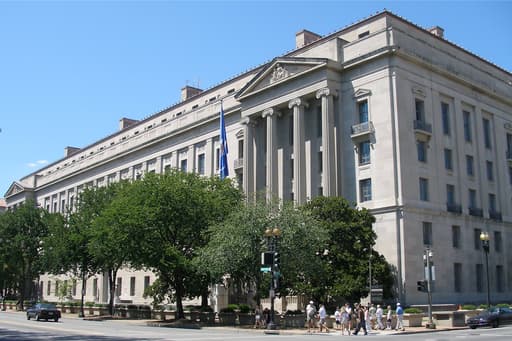
Department of Justice
ORGANIZATION • 2 mentions
United States Department of Justice, federal executive department responsible for law enforcement
FBI
ORGANIZATION
Federal Bureau of Investigation, domestic intelligence and security service of the United States
Federal Bureau of Prisons
ORGANIZATION • 2 mentions
U.S. federal agency responsible for incarceration of federal inmates
Law Enforcement Agency
ORGANIZATION
Organization referenced in documents

National Guard
ORGANIZATION
Organization referenced in documents
Office of Personnel Management
ORGANIZATION
Organization referenced in documents

Office of Professional Responsibility
ORGANIZATION
American Department of Justice office
Sallyport
ORGANIZATION
Organization referenced in documents
the Central Office
ORGANIZATION
Organization referenced in documents
the Ethics Office
ORGANIZATION
Organization referenced in documents
the National Institute of Corrections
ORGANIZATION
Organization referenced in documents
the Office of Government Ethics
ORGANIZATION
Organization referenced in documents
the Office of Internal Affairs
ORGANIZATION
Organization referenced in documents

the Office of the Inspector General
ORGANIZATION
Organization referenced in documents
the Public Health Service
ORGANIZATION
Organization referenced in documents

the United States Government
ORGANIZATION
United States federal government

United States
LOCATION
Country located primarily in North America
Statistics
Pages:34
Entities:19
Avg. OCR:0.9%
Sponsored