HOUSE_OVERSIGHT_026134 - HOUSE_OVERSIGHT_026158
Ukraine Opportunity in Banking
Document HOUSE_OVERSIGHT_026134 is a record from the House Oversight Committee consisting of a letter and presentation regarding banking opportunities in Ukraine, dated June 12, 2017.
The document outlines the prospect of establishing a banking presence in Ukraine through acquisition, citing an improving economy, political conditions, EU-Ukraine relations, and commitments from supranational institutions as positive drivers. It mentions the restructuring efforts in the banking sector, including the nationalization of Privatbank, and anticipates privatization of state-owned banks. The document also includes macroeconomic projections for Ukraine through 2021.
Key Highlights
- •The document discusses the potential acquisition of a bank in Ukraine in 2017.
- •Privatbank's nationalization is mentioned as part of the banking sector restructuring efforts.
- •The document projects real GDP growth for Ukraine to reach 4% in 2020.
Frequently Asked Questions
Related Links



Document Information
Bates Range
HOUSE_OVERSIGHT_026134 - HOUSE_OVERSIGHT_026158
Pages
25
Source
House Oversight Committee
Original Filename
1497936871573374.pdf
File Size
681.66 KB
Document Content
Page 1 - HOUSE_OVERSIGHT_026134
Kiev, 12 June 2017 Dear George, Re: Ukrainian Banking Opportunity Further to our discussion, I am sending a brief presentation on the prospect of establishing a banking footprint in Ukraine through the acquisition of a bank. Currently the central bank in Ukraine, the National Bank of Ukraine (NBU) is not keen to issue new banking licenses but urge prospective investors to acquire an existing license. The main drivers for my positive stance on investing in the banking sector in Ukraine are: « the improving economy following the IMF program with demanding but required structural reforms, with real GDP growth expected to reach 4% in 2020; = the improving political conditions in terms of the conflict with Russia with the support of NATO; = the recent developments in the EU-Ukraine relationship with the abolition of visa and the prospect of concluding the Association Agreement in July; = the investment and commitments from supranational institutions so far (EBRD: c. US$6 billion being the third largest exposure of the bank after Turkey and Russia, World Bank: c. US$5 billion); « the significant restructuring efforts in ensuring a healthier banking sector following AQR that resulted to the nationalization of the biggest bank Privatbank and the closing of half of the banks (over 90 banks), and the preparation of the state sector banks (52% share of assets) for privatization in the next 2 to 3 years; and « the current landscape of the banking sector that allows organic expansion because of very few notable foreign banks that have the ability to develop business or, even more, to exploit the potential for consolidating the banking sector where government owns 52% in a market with increasing trend in loans and deposits and high commission income. HOUSE_OVERSIGHT_026134
Page 2 - HOUSE_OVERSIGHT_026135
Economy Macroeconomic Framework (Percent change, unless otherwise indicated) 2016 2017 2018 2019 2020 2021 Actual = Proj. — Proj. Proj. Proj. Proj. Review SR Review SR Real GDP 23 2.9 2.0 32 3.2 3.5 4.0 4.0 Inflation (eop) 12.4 10.0 10.0 7.0 7.0 6.0 5.0 5.0 General government balance 7 -2.2 -3.1 -3.0 -2.6 -2.5 -2.3 -2.1 -2.0 Public Debt ” 81.2 91.4 89.8 86.2 85.3 78.1 71.6 65.6 External current account -3.6 -3.0 -3.7 -2.6 -3.0 -2.4 -2.3 -2.9 GIR (eop, billions of U.S. dollars) 15:5 22.3 21.8 30.2 29.5 30.1 30.8 32.0 Months of next year's imports 3.4 47 4.6 5.9 5.8 5.4 5.2 5.0 Percent of IMF composite measures 61.9 83.9 82.0 105.3 102.4 101.3 101.8 102.4 Sources: Ukrainian authorities; and IMF staff estimates. 1/ Percent of GDP. Following a severe crisis in 2014-15, the economy is growing again-by 2.3 percent in 2016-and the flexible exchange rate and tight fiscal and monetary policies have greatly reduced internal and external imbalances. GDP, which declined from its peak of US$183 billion in 2013 to US$90 billion in 2015, is now recovering at a growth above 2% and is expected to grow at 3.2% in 2018. Growth is projected at 3.5%-4% in the medium term (IMF). The current account deficit fell sharply, from over 9% of GDP in 2013 to 3.6% of GDP in 2016 and reserves-while still low-have more than doubled to US$17.6 billion (end of 2017 target at US$21.3 billion). The overall fiscal deficit-including the energy sector’s quasi-fiscal losses, which had increased to 10 percent of GDP in 2014, declined to 2.3% of GDP in 2016, supported by strong spending control and the decision to raise energy tariffs to market levels. Inflation has fallen steadily from its peak of 61% in April 2015 to 12.4% by end- 2016, well within the target range of the NBU. It is projected to reach 9% in 2017 and 5% in the medium term. Ukraine has entered into a 4-year Extended Fund Facility (EFF) with IMF in March 2015 for US$17.5 billion. Following the third review by IMF the fourth tranche of US$1 billion was approved which would bring total disbursements under the arrangement to about US$8.38 billion. The EFF aims to put the economy on the path to recovery, restore external sustainability, strengthen public finances, maintain financial stability, and support economic growth by advancing structural and governance reforms, while protecting the most vulnerable. The Ukrainian administration showed commitment to reforms by nationalising the largest private bank, Privatbank, and liquidating over 100 banks within 3 years. HOUSE_OVERSIGHT_026135
Page 3 - HOUSE_OVERSIGHT_026136
Also, collection of taxes has increased significantly (34% increase in 2 years) and spending has been contained while at the same time energy/utility tariffs have increased dramatically at full cost recovery basis. The main reforms agreed with the IMF include the privatisation of large state enterprises such as the Odessa Portside Plant and Centrenergo, the lifting of the embargo on the sale of agricultural land to foreigners, the raising of the pension age, the restructuring of the health system and the increase in efforts combating corruption. Most of these reforms, although not expected to be completed in the immediate term, they are expected to be implemented in a gradual process. For example, land reform may be initiated partially by privatising state agricultural land (1 billion hectares). 25% of world’s black-earth soil is in Ukraine, considered the most fertile and productive agricultural land. Over 70% of Ukraine is agricultural land valued at US$100 billion. Ukraine is the biggest exporter in sunflower oil globally, 2°4 in world grain exporter after the US and 3 in corn exports globally. The land reform is expected to elevate the country’s performance with significant FDIs from international investors. On the pension front, the Cabinet of Ministers approved the draft of the pension reform-IMF and World Bank already supported the draft- and will discuss it at the National Reform Council, to be then submitted to the Rada (parliament). The pension reform was long overdue, given that the Pension Fund deficit reached UAH 140 billion or 6.3% of GDP in 2016. Pension reform is considered to be one of the most socially sensitive reforms the government is planning to implement under the current IMF Extended Arrangement. However, it seems that the government has managed to avoid the most unpopular measure of increasing the statutory pension age while increasing the effective pension age. The proposed reform will assist in reducing the deficit starting from mid-2018. The implementation of the reforms should assist the government in managing the debt profile of the country presented below. While there is no imminent need for IMF disbursements, 2019 (presidential and parliamentary) elections coincide with a US$7 billion peak of public sector FX needs, while US$12 billion is due in total in 2017-19. The authorities need to secure sufficient FX funding in advance, while the alternative funding sources are limited. The FX reserves increased to US$17 billion, but cover 3.8 months of imports only. As already described in the recent IMF review, Ukraine is expected to re-access the international capital market as early as the second part of 2017 supported by the improved debt profile resulting from the recent debt operation (perimeter of the debt operation included sovereign and sovereign guaranteed Eurobonds, City of Kyiv Eurobonds, Guaranteed Commercial Loans and SOE debt) for a total nominal 3 HOUSE_OVERSIGHT_026136
Sponsored
Page 4 - HOUSE_OVERSIGHT_026137
value of USD 19.3 billion). The debt profile has become more favorable with the increase of the share of official debt, a decline in the foreign currency debt share and the very low share of short term debt. This should effectively make easier the refinancing of the debt in 2019 and 2020. The synthesis of the current parliament allows the government to push for reforms in 2017 and early 2018 before they turn to populist measures just before elections. Leading the country off-track with the IMF program will surely limit even further the funding resources of the country. 7,000 US$ million 6,000 - 5,000 4,000 3,000 a — 2,000 - Sm i | | =H litte 2017 2018 2019 2020 2021 2022 2023 2024 2025 2026 2027 m= SOE principal and interest payments IMF budget repayments” ™ Sovereign interest payments = Principal - AID bonds m@ Principal - UKRAIN bonds Source: Bloomberg, Morgan Stanley Research; See Ukraine Economics and Strategy: Kyiv Trip Takeaways, April 7, 2017. Politics EU has verified its support by (1) lifting its visa requirements to Ukrainian citizens for traveling, a long awaited move that embeds symbolism of support and (11) following the vote by the Dutch parliament to support Ukraine’s Association Agreement, it is expected that the ratification of the Association Agreement, including the Deep and Comprehensive Free Trade Area component will be ratified in the Ukraine-EU Summit on July 13. NATO has also shown strong support to Ukraine by providing various forms of assistance through advice and training to strengthen its defence by building stronger security structures. The Ukrainian defence industry may also get permission to participate in tenders for the supply of goods and services for NATO. HOUSE_OVERSIGHT_026137
Page 5 - HOUSE_OVERSIGHT_026138
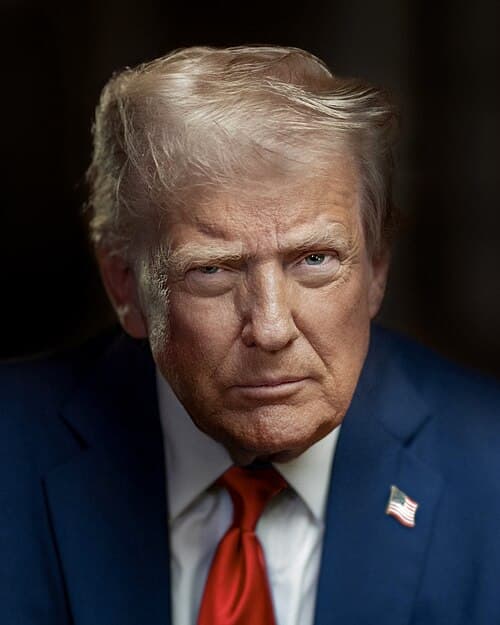
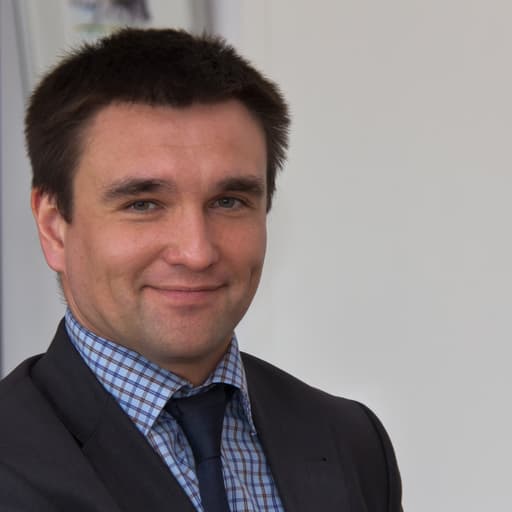
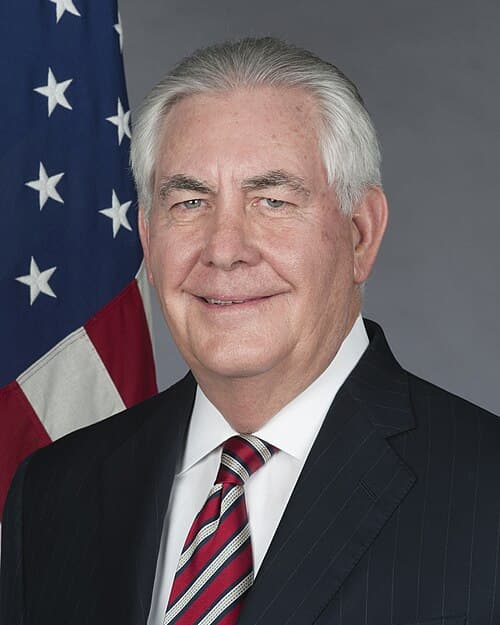
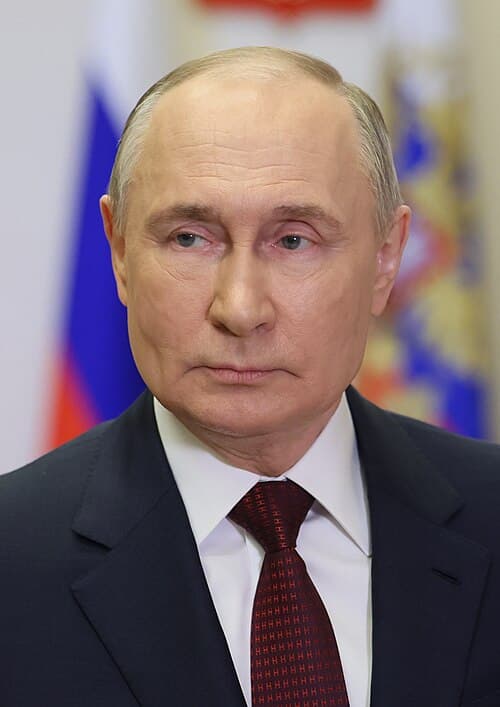
Last week Ukraine’s Foreign Minister Pavlo Klimkin stated that he expects an expanded partnership between Ukraine and NATO will lead Ukraine to a membership in the Alliance following a path similar to that of Montenegro. With regard to the United States, for now President Trump’s ambiguous positioning in Russian affairs seems to have little impact on the U.S. Administration's Ukraine policy. The Administration is expected to continue its support for the actions of NATO, the IMF and Secretary of State Tillerson has reaffirmed in April 2017 that the U.S. will not lift sanctions against Russia as long President Putin does not hand Crimea back to Kiev. In internal politics, we would expect Mr Poroshenko, the President of Ukraine, to sign the Association Agreement, thus improving his diminishing ratings and to win the presidential elections in 2019. In my opinion, Mr Poroshenko is also delaying the elections in the conflict zone of Donbass, a major requirement featured in the Minsk Agreement, in order to avoid the negation of his good performance on the European prospect, and then, assessing the Russian conflict situation at that point in time, to progress with the Minsk Agreement and effectively resolve a major part of the conflict. I do not think that Crimea will ever find its way back to Ukraine but if all other matters are resolved, a financial settlement would be considered. Therefore the status of “frozen conflict” in the Donbass area would remain in the short to medium term but the economy of Ukraine has been operating for a number of years now without the Donbass and the annexed to Russia Crimea. All growth estimates published by various international institutes incorporate similar assumptions. Banking Sector In the past 3 years there has been a clean-up by the National bank of Ukraine (NBU) with the support of IMF mainly as well as of EBRD and IFC. The number of banks has been reduced from 192 to 92 and there are still banks that will be liquidated. The most drastic action was the nationalisation of Privatbank, the biggest bank in the country (market share 17.7% by assets, 36% of deposits of physical persons), owned by an oligarch that was posing a systemic risk to the country’s economy and which was found to be insolvent mainly because of bad lending practices with loans extended to related parties. However, Privatbank is servicing 20 million customers providing to them state-of-the-art digital banking 5 HOUSE_OVERSIGHT_026138
Page 6 - HOUSE_OVERSIGHT_026139
and other electronic services. IMF has demanded that the resolution of this issue as well as the recapitalisation of other banks, as it resulted from the AQRs performed by NBU, is a prerequisite for the disbursement of its 4th tranche which in fact was executed successfully by the Ukrainian administration. As a result the banking sector presented record losses in 2016 of US$6.2 billion (Privatbank US$5.2 billion). 1Q17 is already in profit (US$220 million) and is expected to continue increasing throughout the year. The current landscape is that 40 banks make up the 98% of the assets, the top 20 the 90.2%, the top 10 the 74% and of which 10 the top 4 banks are state owned and make up the 52% of the assets. Top 20 banks in Ukraine Bark Net assets, Market share by mn assets, % {.Prvatbank = | 7,742 17.7 statoownedbanks 518% 2. Oschadbank 7,411 16.9 banks with foreign capital 30 4», 3. Ukreximbank 5,642 129 | of which 4. Raiffeisen Bank Aval 1,970 45 Russian government owned 84% 5. Ukrgasbank 1,897 43 | Ukrainian banks 6. Sberbank 1,698 39 7. Ukrsibbank 1,596 37 8.FAIUB 1,568 36 9. Alfa Bank 1,371 34 10. Ukrsotsbank 1,305 3.1 11. Prominvestbank 1,169 28 12. Credit Agricole Bank 1,052 24 13. OTP bank 874 2 14. Pivdennyi 727 1.7 15. VTB bank 706 17 16. Citibank 685 16 17. ING bank Ukraine 611 14 18. ProCreditBank 426 1 19. Kredobank 390 09 20. Megabank 317 07 For the State Owned Banks, namely Privatbank, Oschadbank, Ukrexim and Ukrgas, the plan is that they prepare them for sale in the medium term, in around 2-3 years. To this purpose EBRD mostly and IFC to a lesser extent has been assisting the Government by placing directors in the Supervising Boards of these banks, so that corporate governance is implemented. HOUSE_OVERSIGHT_026139
Sponsored
Page 7 - HOUSE_OVERSIGHT_026140
The Russian government owned banks, making up the 8.4% of the banking assets, are heavily undercapitalised being below the required norms because of underprovided problematic loan portfolios with NBU imposing certain sanctions. Moreover, there have been many aggressive actions from Ukrainian activists because of the war conflict and all of them, namely Sberbank, VTB (controls two banks in Ukraine, VTB and BM Bank) and Prominvestbank, have announced their departure by selling the banks. So far the sale of Sberbank has been agreed to Norvik bank of Latvia that belongs to individuals of Russian origin, pending the approval from the NBU. The banks with Ukrainian capital in the top 20 banks share 6% of assets with the most notable being FUIB of Mr Akhmetov. Proposal I would propose the acquisition of a profitable bank with lower than the average NPL portfolio, operated by a West European shareholder, with a reasonable market share and of a digestible acquisition price in order to capture the projected 4-year economic growth trend in Ukraine (base scenario by IMF and EBRD) in a market with: = Small competition Analysing the current landscape of the top 20 banks that command around 90% market share of assets, there are very few banks that would be competent to pursue business development given their specific circumstances. The state owned banks that command the 52% are obviously bothered with trapped legacy and corporate governance issues. All four banks are also preparing for their potential privatisation, however, the task of transforming the mentality of the staff of these banks to that similar of a private one should be close to impossible, at least for a period of 3 years. I would have thought that their liquidity would be most probably invested in government titles rather than pursuing loans aggressively by competing at low interest rates. The Russian government owned banks that command 8.4% are already at the “sales process” stage and I believe that there will be no European investors that would invest in such banks that are undercapitalised as officially NBU has confirmed, with most of their loans being NPEs. HOUSE_OVERSIGHT_026140
Page 8 - HOUSE_OVERSIGHT_026141
Effectively the banks that could compete and have the size and access to cheaper foreign exchange funding as well as trade finance capabilities are Raiffeisen, Ukrsib, Credit Agricole and OTP accounting for 12.6% collectively. Raiffeisen is engaged in dealing with the retail business and the work out of their NPLs. However, its long-serving CEO Mr Lavrenchuk is rumoured to become the Governor of NBU and the management team will be replaced with expatriates from Raiffeisen’s head office. This move will create a major upset in the bank’s structure and may result to a major change in strategy with a considerable time to be needed for bringing the bank back to smooth operation. Alfa who have bought over Unicredito’s Ukrsots bank (6.5% combined) and who have historically being engaged in retail lending and large corporates should continue to pursue this business and should devote resources to the merger with Ukrsots and manage the business lending that should take some time to grasp. Rumours say that they will initiate the merger process in not less than a year and already they have discontinued new business lending servicing existing customers only. FUIB have been given a plan to recapitalise the bank or decrease their assets and therefore they are out of the business for the time being. ING and Citi are providing large corporate and investment banking services only. = Improving quality of borrowers Following the improvement in collecting taxes and the enactment of new legislation, and therefore decreasing the non-declared income, as well as the significant increase in commodity prices and the increase in disposable income, credit affordability has increased among business and individuals. = Increasing loans and deposits that suffice for the credit growth Evolution of loans and deposits 2015-2021 Dec Dec. Mar. Jun. Sep Dec. Re 3rd Ri Act. Sed Review. Act. Proj. Proj Proj bese aht Proj Proj Proj Proj. Proj 2015 2016 2017 2018 2019 2020 2021 SR SR Foreign currency 548 494 494 493 485 507 508 506 558 596 634 657 Credit to the economy 1,013 1,003 1,003 987 1,023 1,081 1,077 1,081 1,172 1,286 1407 1,554 ti (In billions of U.S. dollars) 22.9 184 18.2 17.9 17.3 175 17.5 16.9 18.3 19.3 20.5 212 | Banks' liabilities 711 788 788 783 802 845 875 872 1,070 1,252 1459 1,641 | The European prospect of Ukraine that is supported not only politically but also from the international financial institutions along with the effort of the 8 HOUSE_OVERSIGHT_026141
Page 9 - HOUSE_OVERSIGHT_026142
government to execute the structural reforms and hence achieve the economic growth projected, should allow the access of the Ukrainian enterprises to the European market and lead to further consolidation in the banking market. In particular the loans market should increase and is projected by IMF at US$17.5 billion in the period 2018-2021 (9.9% CAGR). It is anticipated that there will be a significant demand for investment loans so that SMEs and large corporates invest in infrastructure in order to produce products and services at standards accepted in the EU countries. Deposits are increasing (1Q17: 1.3% comprising increase in UAH deposits of 3.8% and decrease in FC of 1.9% mainly due to the repayment of foreign currency guaranteed deposits of liquidated banks back in hryvnia). The trend is expected to increase because of the return of trust to the public (estimated money “under the mattresses” US$6-10 billion). = Potential for high commission income Commission income in 2016 amounted to US$922 million representing 34% of the total banking revenue (25% for banks with foreign capital) exceeding the average of the European banks. The most significant types of commission are related to foreign exchange and money transfers. The difference in the share of commissions in the banking revenue between the banks with foreign capital and the banking sector average is mainly due to the fact that state owned banks are the exclusive banking providers for the government organisations. There are actions from the Banks’ Association to change to ratings criteria to introduce fair competition. In 2016 total commissions returned 2.8% on assets. Considering that the sector’s balance comprises 37% cash and securities, this return is deemed high. In general Ukrainians are accustomed to high commissions and in paying for services. Commission income is expected to grow even further as exports and disposable income would be growing. = Consolidation prospect Opportunity to participate in the forthcoming consolidation of the sector, ripping the benefits of acquiring customers from state owned banks at least and grow organically. HOUSE_OVERSIGHT_026142
Sponsored
Page 10 - HOUSE_OVERSIGHT_026143
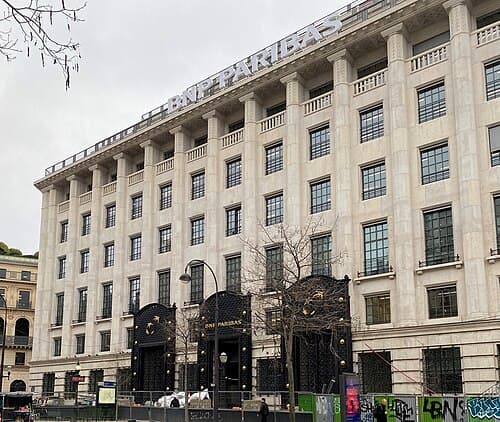
Ukrsib bank I have considered a number of banks (Appendix I) and given my experience in the country, Ukrsib is my top choice for the following reasons: «= Image of a European reliable, ethical, healthy bank with good electronic banking solutions (Top 5 in 2017) servicing first class corporate customers and their employees. The shareholders comprise BNP Paribas (60%) and EBRD (40%). = Good coverage ratio of problematic loans, a practice of French banks we have observed in many occasions with recent experience in Greece with Credit Agricole and Soc Gen. The NPL ratio is 31% (EUR 301 million), less than the 36.4% average for banks with foreign capital, and coverage of around 80%. From the 2016 audited annual accounts, the remaining 20% net of reserves NPL portfolio is covered 4 times by collateral. The most problematic loans population has been that of mortgages in foreign currency and it seems that Ukrsib has provisioned this part adequately. Mortgage Other Consumer Overdraf Other Total s mortgages loans ts loans Neither past due nor impaired High grade 0.2 5 0.1 508 513. 3 Medium grade 0 Low grade 4 4 Without ranking (up to 1 1 3 21 7 13.3 45.3 year) Without ranking (1-10 20 3 20 0.1 3 46.1 years) Without ranking (more 45 5 50 than 10 years) Total neither past due 66.2 15 41 7.2 529.3 658. nor impaired 7 Past due but not impaired 10 HOUSE_OVERSIGHT_026143
Page 11 - HOUSE_OVERSIGHT_026144
less than 10 days 2 0.2 0.5 0.1 2.8 overdue 11-30 days overdue 1 0.1 0.2 1.3 31-90 days overdue 0.5 0.5 91-180 days overdue 181-360 days overdue over 360 days overdue Total past due but not 3 0.3 1.2 0.1 0 4.6 impaired Loans to be impaired not yet past due 5 13 0.7 27 «45.7 less than 10 days 0.3 0.3 0.6 overdue 11-30 days overdue 0.1 0.1 31-90 days overdue 3 6 9 91-180 days overdue 4 11 0.4 15.4 181-360 days overdue 8 22 0.3 30.3 over 360 days overdue 149 20 2.5 0.6 28 200. Total loans to be 169.4 66 3.9 0.6 61.3 301. impaired 2 Total loans before 240 82 46 8 591 967 provisions Provisions -140 -38 =) “1 -55 -239 Net loans 100 44 41 7 536 728 11 HOUSE_OVERSIGHT_026144
Page 12 - HOUSE_OVERSIGHT_026145
31th of December 2016 31th of December 2015 Assets Fair value of Assets Fair value balance collaterals balance value of value collateral s Mortgages Neither past due nor impaired 65 213 109 393 Past due but not impaired 3 12 10 27 Loans determined to be 31 168 104 242 impaired Other mortgages Neither past due nor impaired 15 62 78 192 Past due but not impaired 0.3 4 9 7 Loans determined to be 28 97 31 109 impaired Consumer loans Neither past due nor impaired 41 5 30 8 Past due but not impaired 1 0.2 1 0.3 Loans determined to be 0.1 2 0.3 2 impaired Overdrafts Neither past due nor impaired 7 2 6 4 Past due but not impaired 0.1 0.2 Loans determined to be impaired Other loans Neither past due nor impaired 519 150 419 98 Past due but not impaired 0.1 0.1 0.1 0.3 Loans determined to be 17.4 33 3 10 impaired Total 728 748.3 800.6 1092.6 Total loans net of 76.5 300 138.3 363 impairment Collateral coverage 392% 262% 12 HOUSE_OVERSIGHT_026145
Sponsored
Page 13 - HOUSE_OVERSIGHT_026146
« Large clientele of about 2 million customers (including 150,000 business customers) serviced out of 378 branches with excellent retail product offering, for which, however, the know-how contribution of Paris must have been significant. They are also offering private banking and asset management services in cooperation with their Swiss subsidiaries. « They are leaders in trade finance, assisted by their operations in Switzerland. They have corporate relations with the best local enterprises and they cross sell their retail services to their customers and their partners. 31th of December 2016 31th of December 2015 €mn % €mn % Individuals 319 33.0 374 39.6 Trade and finance 251 25.9 196 20.8 Agriculture and food industry 231 23.9 190 20.1 Telecommunication services 61 6.3 107 11.3 Transport services 47 4.9 2 0.2 Manufacturing 26 2.7 11 1.2 Chemical undustry 11 1.1 13 1.4 Construction 9 0.9 13 1.4 Transport vehicles trade 4 0.4 18 1.9 Gas and oil 4 0.4 12 1.3 Minning and metallurgy 3 0.3 3 0.3 Other 1 0.2 5 0.5 Total loans (before 967 100.0 944 100.0 provisions) The product mix in the loans portfolio that is not in delay is 81% business and 19% retail lending with business lending focusing in the agricultural sector. = Excellent funding mix with the majority being current accounts at low cost. 13 HOUSE_OVERSIGHT_026146
Page 14 - HOUSE_OVERSIGHT_026147
31th of 31th of December December 2016 2015 Current accounts legal entities 301 303 individuals 624 489 Total current accounts 925 792 Term deposits legal entities 276 349 individuals 80 129 Total term deposits 356 478 Total customer accounts 1281 1270 31th of December 2016 31th of December 2015 €mn % €mn % Individuals 406 32 417 33 Manufacturing 219 17 213 17 Trade 446 35 437 34 Financial services 96 8 91 7 Transport and connection 87 7 83 7 Culture and education services 17 1 17 1 Other 10 1 12 1 Total customer accounts 1281 101 1270 100 «= High commissions covering their staff costs (2016: 112%). Net commissions make up the 32% of their Net Banking Revenue and yielding 3% on Assets. 14 HOUSE_OVERSIGHT_026147
Page 15 - HOUSE_OVERSIGHT_026148
NCI/NII,% NCI/Staff costs, % 75 HI 70 67 65 62 59 59 52 45 45 43 36 29 » 20 14 TELELEDE Daas: 97 97 914 85 84 81 30 > \ — 119 115 114 112 10g 104 104 103 up” balances such as accruals of NPLs and therefore present a better base to project 2017 financial results. NCI per branch, 2mn = The published financial statements for 1Q17 are “cleaner” in terms of “grossed Net Fees over Assets,% 15 HOUSE_OVERSIGHT_026148
Sponsored
Page 16 - HOUSE_OVERSIGHT_026149
Ukrsibbank Q1 2017 Q1 2016 Interest income 29 38 Interest expense -6 -14 Net interest income 23 24 Net commission income 12 10 Trading & other income 3 7 Employee costs -10 9 Depreciation -1 “1 Administrative and other -6 -6 operating costs Other provisions 0 0 General & Admin. -18 -16 Expenses Pre Provision Income 20 25 Provision for loan 9 -56 impairment Profit before tax 11 -31 Income tax expense -2 -0 Net profit 8 -31 Please see summary of 2016 audited financial statements for Ukrsib, Ukrgas and Raiffeisen as well as their 1Q17 statements in Appendix I. The bank is overcapitalised at 21.37% CAD mainly due to subordinated debt provided by EBRD in USD during the years of crisis. About EUR 135 million were outstanding at 1.5% (1Q17: EUR 104 million) with their contribution to regulatory capital being EUR 73 million which is equivalent to 7.51% CAD ratio. The minimum CAD required by NBU is 10%. 71% of the subordinated is due to be repaid in 2019. 16 HOUSE_OVERSIGHT_026149
Page 17 - HOUSE_OVERSIGHT_026150
31 December 2016 Tier 1 146,079 Additional Capital-Sub Debt 72,515 Deductions -12,167 Total Regulatory Capital 206,427 CAD Ratio 21.37% Implied RWA 965,965 Regulatory Capital excluding Additional 133,912 CAD Ratio Adjusted 13.86% Due to the large interest margins and the high commissions, the capital to be created from profits is growing faster than the reduction of the capital contributed by the subordinated debt. Hie 2k 3s 2k sie 2k ie 2k ke 2k 2s 2k 2s 2c 2s 2k ok ie 2k 2 ok 2 2k is 2k ie 2k is 2s ois 2k ois 2k ois fs 2k ie 2s 2s ois ois 2k ais 2 is 2 2k ake ok ake ok ke 2 2s 2 2g 2 it 2k ok 2 ok 2 ok ok Although Raiffeisen has already undergone a sales process twice, the last being 3 years ago, without success, I still consider the amount of its equity at EUR 350 million a very large amount to invest for gaining 0.8% more market share than that of Ukrsib. This information is as much I could gather but I will meet with EBRD for other reasons and will try to extract more information mostly on the intentions of BNP in dealing with their Ukrainian presence. From what I know EBRD’s 40% is considered exceptionally high as equity participation percentage comparing to their usual 10-15% and most probably they would be willing to listen to exit scenarios, possibly remaining as shareholders at a lower percentage. I think it is too early to discuss potential price but having EBRD inside already I would assume that 1x less due diligence adjustments should be the maximum, 17 HOUSE_OVERSIGHT_026150
Page 18 - HOUSE_OVERSIGHT_026151
possibly around 0.8, with 0.5x being the floor. An indicative amount for buying the 90% of the shares with EBRD holding the remaining 10% should be in the region of EUR 110 million. I expect that an IRR greater than 25% can be achieved considering the profitability of the current assets at c. EUR 50 million excluding trading gains, the additional profitability from organic expansion in lending at the levels assumed by IMF for the banking market and assuming that the exit from the investment will be achieved at the same multiple as that of the entry level (0.8x). I am available at any time to discuss the above. Should your investors be interested in the project I would be more than happy to meet them and arrange their meeting with EBRD. The next step following our meeting with EBRD would be to meet BNP and, in case they accept a bilateral process, to arrange and manage the deal process. As discussed my main objective is to lead manage the bank with a competent management team, to be compensated by “sweat equity”, and looking forward to be a major participant in the consolidation of the industry. I will also send to you the latest benchmarking review of the banking sector we are preparing for your perusal. Best regards, Yannis 18 HOUSE_OVERSIGHT_026151
Sponsored
Page 19 - HOUSE_OVERSIGHT_026152
Appendix 1 -2016 Balance Sheet € mn Ukrsibbank Ukrgasbank Raiffeisen Bank Aval Assets 31/ 31/ 31/ 31/ 31/ 31/ 12/16 12/15 12/16 12/15 12/16 12/15 Cash and cash 68 475 88 152 362 480 equivalents, banking metals Accounts in NBU and 561 9 229 353 358 244 other banks Derivatives 0 0 0 1 0 0 Loans and advances to 728 799 716 535 985 964 customers Trading securities 0 0 14 0 28 9 Investment securities 136 252 704 318 0 0 available-for-sale Investment securities 0 0 35 115 0 0 held-to-maturity Securities at fair value 0 0 0 0 74 77 through profit or loss Fixed and intangible 45 45 53 44 83 98 assets Investment property 1 0 2 2 4 6 Investments in 0 13 0 0 2 8 subsidiaries Assets held-for-sale 0 0 40 37 2 0 Deferred income tax 38 43 3 3 39 50 assets and current income tax prepayment Other financial and 20 19 13 11 33 20 non-financial assets Total assets 1,596 1,656 1,897 1,585 1,970 1,954 Liabilities Due to NBU and other 1 0 59 354 22 88 banks Derivatives 2 0 1 1 0 0 Customer accounts 1,282 1,270 1,625 1,049 1,561 1,523 Provisions for liabilities 33 26 26 17 33 24 and other liabilities Subordinated debt 135 291 0 0 0 80 Total liabilities 1,452 1,587 1,710 1,421 1,616 1,715 19 HOUSE_OVERSIGHT_026152
Page 20 - HOUSE_OVERSIGHT_026153
Equity Share capital 178 68 487 528 217 235 Acquired property 0 0 -18 -20 0 0 rights on shares Result of operations 0 0 -39 -42 0 0 with shareholders Emission differences 29 31 0 0 0 0 Additional paid-in 0 0 5 5 107 116 capital Other provisions 0 0 21 5 44 50 Retained profit/losses -63 -30 -269 -303 -13 -162 Net equity 144 69 186 164 354 239 Total liabilities and 1,596 1,656 1,897 1,585 1,970 1,954 equity Appendix 1 -2016 Profit & Loss € mn 20 HOUSE_OVERSIGHT_026153
Page 21 - HOUSE_OVERSIGHT_026154
Ukrsibbank Ukrgasbank Raiffeisen Bank Aval 2016 2015 2016 2015 2016 2015 Interest income 142 157 193 134 232 237 Interest expence -44 -65 -167 -106 -58 -86 Net interest income 98 93 25 28 174 151 Net commission 46 61 12 8 67 65 income Trading&other income 20 12 -0 -1 30 25 Employee costs -38 -40 -20 -16 -53 -50 Depreciation -6 -8 -4 -2 -12 -13 Administrative and -23 -29 -22 -18 -50 -50 other operating costs Other provisions 0 0 -1 +5 9 0 General & Admin. -67 -76 -48 -41 -124 -113 Expenses Pre Provision Income 98 90 -11 -5 147 129 Provision for loan -127 -93 20 17 1 -191 impairment Profit before tax -33 1 9 12 147 -62 Income tax expense -2 -0 1 -2 -13 7 Net profit -35 1 10 10 134 -55 21 HOUSE_OVERSIGHT_026154
Sponsored
Page 22 - HOUSE_OVERSIGHT_026155
Appendix 1 -1Q17 Balance Sheet € mn Ukrsibbank Ukrgasbank Raiffeisen Bank Aval 31/3/1 31/3/16 31/3/1 31/3/16 31/3/1 31/3/16 7 7 7 Assets Cash and cash 73 68 124 88 466 362 equivalents, banking metals Accounts in NBU and 471 561 260 229 253 358 other banks Derivatives 0 0 0 0 0 0 Loans and advances to 663 128 727 716} 1,005 985 customers Trading securities 0 0 13 14 36 28 Investment securities 137 136 972 704 0 0 available-for-sale Investment securities 0 0 0 35 0 0 held-to-maturity Securities at fair value 0 0 0 0 93 74 through profit or loss Fixed and intangible 45 45 52 53 82 83 assets Investment property 1 1 2 2 4 4 Investments in 0 0 0 0 2 2 subsidiaries Assets held-for-sale 0 0 38 40 2 2 DTA and inc. tax prepay. 35 38 2 3 28 39 Other financial and non- 16 20 11 13 20 33 financial assets Total Assets 1,440 1,596| 2,201 1,897| 1,992 1,970 Liabilities Due to NBU and other 0 1 54 59 18 22 banks Derivatives 0 2 0 1 0 0 Customer accounts 1,162 1,282 1,956 1,625) 1,547 1,561 22 HOUSE_OVERSIGHT_026155
Page 23 - HOUSE_OVERSIGHT_026156
Provisions for liabilities 24 33 17 26 29 33 and other liabilities Subordinated debt 104 135 0 0 0 0 Total Liabilities 1,290 1,452) 2,027 1,710) 1,594 1,616 Equity Share capital 175 178 478 487 213 217 Acquired rights on 0 0 -18 -18 0 0 shares Result of operations with 0 0 -38 -39 0 0 shareholders Emission differences 28 29 0 0 0 0 Additional paid-in 0 0 5 5 105 107 capital Other provisions 0 0 11 21 43 44 Retained profit/losses -53 -63 -263 -269 38 -13 Total Equity 150 144 174 186 398 354 Total Liabilities and 1,440 1,596; 2,201 1,897) 1,992 1,970 Equity 23 HOUSE_OVERSIGHT_026156
Page 24 - HOUSE_OVERSIGHT_026157
Appendix 1 -1Q17 P&L € mn HOUSE_OVERSIGHT_026157 Ukrsibbank Ukrgasbank Raiffeisen Bank Aval Q1 2017 | Q1 2016 | Q1 2017 Q1 2016 | Q1 2017 | Q1 2016 | Interest income 29 38 51 43 57 55 Interest expense -6 -14 -36 -37 -10 -17 Net interest 23 24 15 5 46 39 income | Net commission 12 10 4 2 17 13 income Trading & other 3 7 4 -17 7 10 income | Employee costs -10 9 -6 -4 -14 -12 Depreciation -1 -1 -1 -1 -4 3 24
Sponsored
Page 25 - HOUSE_OVERSIGHT_026158
Administrative and -6 -6 -6 -4 -12 -11 other operating costs Other provisions 0 0 -4 -0 1 -0 General & Admin. -18 -16 -17 -9 -31 -27 Expenses Pre Provision 20 25 6 -19 39 35 Income Provision for loan -9 -56 -5 20 22 -10 impairment Profit before tax 11 -31 1 1 61 25 Income tax expense -2 -0 -1 -0 -11 -2 Net profit 8 -31 1 1 50 23 25 HOUSE_OVERSIGHT_026158
Entities Mentioned
AK
Akhmetov
PERSON
Name reference in documents
Donald Trump
PERSON • 2 mentions
President of the United States (2017–2021, 2025–present)
LA
Lavrenchuk
PERSON
Name reference in documents
Michael Bloomberg
PERSON
American businessman and politician; 108th Mayor of New York City
Pavlo Klimkin
PERSON
Ukrainian diplomat and politician
Poroshenko
PERSON
First Lady of Ukraine
Rex Tillerson
PERSON
69th United States Secretary of State
Vladimir Putin
PERSON • 2 mentions
2nd and 4th President of Russia (2000-2008, 2012-present), 7th and 11th Prime Minister of Russia (1999-2000, 2008-2012), Director of the Federal Security Service (1998-1999) and Deputy Mayor of Saint Petersburg (1994-1996)
YA
Yannis
PERSON
Name reference in documents
Administrations
ORGANIZATION
Organization referenced in documents
Agricole
ORGANIZATION
Organization referenced in documents
Alfa Bank
ORGANIZATION
Russian bank
Alliance
ORGANIZATION
Syntaxonomic rank in phytosociology
BM Bank
ORGANIZATION
Organization referenced in documents
BNP Paribas
ORGANIZATION
French bank and financial services company
Centrenergo
ORGANIZATION
Organization referenced in documents
CNNPolitics
ORGANIZATION
Organization referenced in documents
Credit Agricole Bank
ORGANIZATION
Organization referenced in documents
ING bank
ORGANIZATION
Organization referenced in documents
Kredobank
ORGANIZATION
Organization referenced in documents
Megabank
ORGANIZATION
Organization referenced in documents
Morgan Stanley Research
ORGANIZATION
Organization referenced in documents
Norvik bank
ORGANIZATION
Organization referenced in documents
Oschadbank
ORGANIZATION
Organization referenced in documents
OTP bank
ORGANIZATION
Organization referenced in documents
Pension Fund
ORGANIZATION
Organization referenced in documents
Pivdennyi
ORGANIZATION
Organization referenced in documents
Privatbank
ORGANIZATION
The largest commercial bank in Ukraine
Prominvestbank
ORGANIZATION
Organization referenced in documents
Raiffeisen
ORGANIZATION
Organization referenced in documents
Raiffeisen Bank
ORGANIZATION
Organization referenced in documents

Sberbank
ORGANIZATION
Russian banking and financial services company
The National Research Council
ORGANIZATION
Organization referenced in documents
Ukrexim
ORGANIZATION
Organization referenced in documents
Ukreximbank
ORGANIZATION
Organization referenced in documents
Ukrgas
ORGANIZATION
Organization referenced in documents
Ukrgasbank
ORGANIZATION
Organization referenced in documents
Ukrsib
ORGANIZATION
Organization referenced in documents
Ukrsibbank
ORGANIZATION
Organization referenced in documents
Ukrsots
ORGANIZATION
Organization referenced in documents
Ukrsotsbank
ORGANIZATION
Organization referenced in documents
Unicredito
ORGANIZATION
Organization referenced in documents
VTB bank
ORGANIZATION
Organization referenced in documents
Crimea
LOCATION
Eastern European peninsula, in the Black Sea and Sea of Azov, disputed between Ukraine (de jure) and Russia (de facto)
Donbass
LOCATION
Industrial region in southeastern Ukraine and southwestern Russia

Latvia
LOCATION
Sovereign state in northeastern Europe
Montenegro
LOCATION
Country in southeastern Europe
Statistics
Pages:25
Entities:47
Avg. OCR:93.2%
Sponsored