EFTA00027410 - EFTA00027412
Internal notes from a February 2021 interview vetting Dr. Lisa Rocchio, a forensic psychologist being considered as an expert witness on child sexual abuse grooming for the prosecution in the Ghislaine Maxwell trial.
This document contains interview notes dated February 1, 2021, summarizing Dr. Lisa Rocchio's qualifications as a clinical and forensic psychologist. The notes detail her 20+ years of experience in psychotherapy and forensic evaluations, expertise in trauma and child sexual abuse cases, and her credentials including a doctorate from URI, clinical internship at Yale, and teaching position at Brown University. Dr. Rocchio was subsequently selected as an expert witness and testified at the Ghislaine Maxwell trial in November-December 2021, where her testimony on 'grooming' behavior was pivotal to the prosecution's case.
Key Highlights
- •Dr. Rocchio explicitly states she 'has not treated any victims of JE or been involved in any JE litigation' and 'has not spoken publicly regarding JE' - establishing her impartiality
- •Details her expertise in explaining 'grooming' - how 'perpetrators target someone with prior vulnerabilities and exploit slowly overtime to build trust and attachment'
- •Notes her experience testifying in both civil and criminal matters, including battered women homicide cases and Title IX college cases
- •Documents her academic credentials: Brown University clinical supervisor, Yale internship, URI doctorate
Frequently Asked Questions
Books for Further Reading
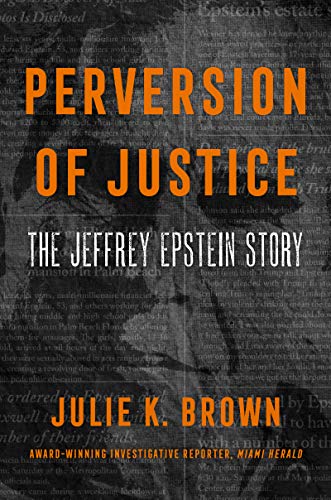
Perversion of Justice: The Jeffrey Epstein Story
Julie K. Brown
Investigative journalism that broke the Epstein case open

Filthy Rich: The Jeffrey Epstein Story
James Patterson
Bestselling account of Epstein's crimes and network
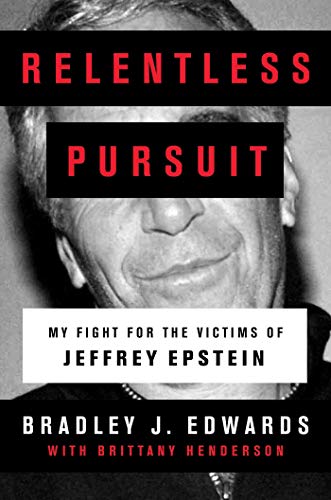
Relentless Pursuit: My Fight for the Victims of Jeffrey Epstein
Bradley J. Edwards
Victims' attorney's firsthand account
Document Information
Bates Range
EFTA00027410 - EFTA00027412
Pages
3
Document Content
Page 1 - EFTA00027410
From: To: Subject Date: IVOtes from Or. LISa ROC Monday, February 1, 2021 1:40:40 PM 2 1 21 • Dr. Rocchio has not treated any victims of JE or been involved in any JE litigation • Has not spoken publicly regardingJE or anything related to his case • Forensic and clinical psychologist • Independent group psychotherapy practice for over 20 years; in addition to providing psychotherapy, also has done legal consultation; forensic evaluations; expert testimony in both civil and criminal matters • Most legal work involved some type of traumatic stress; in criminal arena, done battered women homicide cases; sometimes asked to opine on ways that violence in relationship might have impacted someone's behavior at time of crime (e.g., coercion) • In civil space, have evaluated numerous victims of sex abuse, typically by people in authority positions; both plaintiff and defense • Has done some Title IX work for colleges consulting with both college attorneys and defense attorneys • Involved in American Psychological Association and Rhode Island Psychological Association • Treat clients for anxiety, depression, grief; also treats adults abused as kids; do work for PTSD first responders; workers comp cases • Doctorate at URI; clinical internship at Yale; post-doctorally worked in RI; • Clinical supervisor and instructor at Brown University school of medicine providing training for psychology residents • Recently testified in criminal trial in Massachusetts last year; only testified twice (only transcript for Mass. case; prior one was in rural courtroom that was not transcribed, about 20 years ago); has also been deposed • Child sexual abuse — grooming: expertise with victims; in many forensic reports, particularly in civil arena, explain and describe grooming and offer examples of grooming process and how perpetrators target someone with prior vulnerabilities and exploit slowly overtime to build trust and attachment; someone could have a lot of prior vulnerabilities and might draw conclusion that current difficulties as adult are substantially related to child sex abuse; nature of betrayal and attachments • Delayed reporting: often common for number of reasons; sometimes people don't conceptualize relationship as abusive, may feel loved, may not understand being abused or exploited, may be shame or guilt; especially now, people aware that reporting is fraught with pain and hassle for victim; afraid won't be believed and personal life will be on display; sometimes too traumatized and think can't go through with it; number of factors that contribute to when report; if someone has had multiple experiences of not being supported by people who are supposed to take care of them, then why would they believe that reaching out to someone would be helpful for them if they even realize that they are in need of help 3502.001 Page I of 3 EFTA00027410
Page 2 - EFTA00027411
• Trauma bonding: not phrase Dr. Rocchio uses; use the word attachment instead of bonding but is same concept o In case testified about intimate partner violence, explained that intimate partner violence is relationship where primary dynamic is one of coercive control and power maintained by acts of sexual, physical, psychological abuse; abusive interactions interspersed with neutral and positive interactions, which function to maintain the connection and increase dependency and increase power and control of perpetrator o in intimate partner violence and child sexual abuse, great deal of dependency, even love and affection; use psychological tools (e.g., disassociation, denial) to try to block it/push away o to develop and grow kids need physical attention and contact, someone to think they are special; if perpetrator exploits that and gives child what need, children are resilient; creates trauma bond and interdependency • When someone is underage, child sexual abuse; can involve forcible rape but more typically one of coercion and attachment; have worked with rape survivors who are victims of more forcible attack as well as ongoing abuse • Complex trauma is repeated exploitation/abuse/violence/acts of omission and commission during developmentally vulnerable period of child's life; separate from PTSD (e.g., single incident rape); has experience in both • Incremental disclosure is very common; know memory is not video tape; whatever details are most salient and relevant to victim tend to be ones that get encoded, and then what gets moved into storage; details may blur together, but basic concept of what happened in most cases is remembered o Extraneous details often are not; would not expect traumatic memory to always be presented in same way with same detail each time; look for generally consistent detail o Incremental disclosure as start to reveal memories; sometimes become more comfortable and sometimes sparks more memories; psychological and memory process; know from research on memory of cases where people can have entire episodes of life and childhood that don't recall; people can have memories of things that did not happen but much less common • Experience with teenage child sexual abuse in forensic space; both boy and girl victims • Clinically have worked with people whose mothers were sexually abusive either independently or in conjunction with fathers; don't think has worked on forensic case where there has been a woman perpetrator of sexual abuse; literature is clear that women can be perpetrators of abuse • In clinical realm, if father sexually abused kid, mom who is not participating is non-offending parent; if both involved, they are both perpetrators; involvement in facilitating is still perpetrating behavior • Dr. Rocchio will let AUSAs know if lE victims reach out to Dr. Rocchio to assist in civil litigation • Will try to find out if judge was asked to rule if testified as expert for any of her depositions Assistant United States Attorney 3502.00 I Page 2 of 3 EFTA00027411
Page 3 - EFTA00027412
United States Attorney's Office Southern District of New York One St. Andrew's Plaza New York New York 10007 Tel: 3502.001 Page 3 of 3 EFTA00027412
Entities Mentioned
LR
LISa ROC
PERSON
Name reference in documents
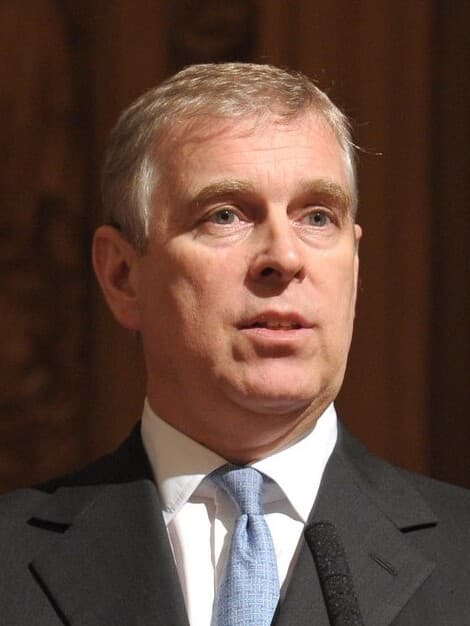
Prince Andrew
PERSON
Third child of Queen Elizabeth II and Prince Philip, Duke of Edinburgh (born 1960)
RO
Rocchio
PERSON
Surname reference in Epstein-related documents
American Psychological Association
ORGANIZATION
Organization referenced in documents

Brown University
ORGANIZATION
Private university in Providence, Rhode Island, United States
Rhode Island Psychological Association
ORGANIZATION
Organization referenced in documents
Statistics
Pages:3
Entities:6
Avg. OCR:0.9%
Sponsored