EFTA00016763 - EFTA00016764
This document is an email containing a news article from the Wall Street Journal (WSJ) regarding Jeffrey Epstein's jail conditions in July 2019.
The email forwards a WSJ article describing Jeffrey Epstein's experience in the Metropolitan Correctional Center (MCC) in Manhattan following his arrest on sex-trafficking charges. It details his cell conditions, including complaints about the facility and his initial cellmate, Nicholas Tartaglione, who was later convicted of murder. The article also mentions Epstein being placed on suicide watch after being found unconscious.
Key Highlights
- •Jeffrey Epstein was held in a windowless 8-by-8-foot cell in the Metropolitan Correctional Center (MCC).
- •His cellmate was Nicholas Tartaglione, a retired police officer accused of murder.
- •The jail cell was described as dark and disgusting, with inmate complaints about infestations and standing water.
- •Epstein was moved to suicide watch after being found unconscious in his cell.
Frequently Asked Questions
Books for Further Reading

Perversion of Justice: The Jeffrey Epstein Story
Julie K. Brown
Investigative journalism that broke the Epstein case open

Filthy Rich: The Jeffrey Epstein Story
James Patterson
Bestselling account of Epstein's crimes and network

Relentless Pursuit: My Fight for the Victims of Jeffrey Epstein
Bradley J. Edwards
Victims' attorney's firsthand account
Document Information
Bates Range
EFTA00016763 - EFTA00016764
Pages
2
Document Content
Page 1 - EFTA00016763
From: "1 To:1 Cc: "II (1 Subject: WSJ Date: Sun, 28 Jul 2019 14:11:48 +0000 What Jail Is Like for Jeffrey Epstein Now sleeping in the bottom bunk of a windowless 8-by-8-foot cell, the financier earlier was denied house arrest at his sprawling Manhattan townhouse Since his arrest on sex-trafficking charges, financier Jeffrey Epstein has spent much of his time in the bottom bunk of a windowless 8-by-8-foot cell, according to the lawyer of his former cellmate. The cell is in a wing of a federal jail in downtown Manhattan that is known as "the box" and has been the subject of inmate complaints about mice and insect infestations, as well as standing water on the floor, according to lawyers of inmates. Mr. Epstein's roommate until Tuesday was Nicholas Tartaglione, a retired police officer accused of killing four people, according to Mr. Tartaglione's lawyer, Bruce Barket. "It is dark and it's disgusting," Mr. Barket said of the jail cell Messrs. Epstein and Tartaglione shared. Mr. Epstein, 66 years old, was arrested July 6 and was later denied bail when a judge rejected his lawyers' request that he be placed on house arrest in his sprawling Manhattan townhouse, which is valued at $77 million. Mr. Epstein had built a fortune of more than half a billion dollars by cultivating his ties to rich and powerful individuals. Prosecutors this month said they found a "piles of cash" and dozens of diamonds in a locked safe at his New York mansion. The financier has pleaded not guilty to sex-trafficking charges stemming from what prosecutors allege was a yearslong scheme from 2002 to 2005 to recruit and sexually abuse dozens of girls. Following his arrest, he has mostly been at the Manhattan jail, which is known as the Metropolitan Correctional Center. He was moved to a suicide-watch unit after being found unconscious in his cell Tuesdaymorning, according to people familiar with the matter. EFTA00016763
Page 2 - EFTA00016764
A lawyer for Mr. Epstein declined to comment. Mr. Tartaglione was interviewed in connection with Mr. Epstein's injuries but had no part in them, Mr. Barket said. The jail houses 774 inmates, most of them awaiting trial. It has been home to such high-profile inmates as Mexican drug lord Joaquin "El Chapo" Guzman, who was sentenced earlier this month to life in prison. Federal records show that the current occupants include Cesar Sayoc, who pleaded guilty to sending bombs to prominent Democrats and is awaiting sentencing, and Sayfullo Saipov, accused of killing eight people by driving a truck on to a Manhattan bike path. Mr. Saipov has pleaded not guilty. Mr. Epstein and other inmates are allowed to leave their cells for an hour of recreation each day, as well as meetings with lawyers, according to a correction officer. Mr. Barket said that Messrs. Tartaglione and Epstein were friendly and frequently spoke while they were bunkmates. Mr. Tartaglione was arrested in 2016 for killing four people in Chester, N.Y. He has pleaded not guilty. Mr. Tartaglione's lawyer has been a vocal critic of the conditions in the jail, filing complaints to correction officials about rodents and bugs. Lawyers for Mr. Guzman blamed frigid temperatures, lack of clean blankets and contaminated water at the jail as reasons for their client's failing health. Serene Gregg, a case worker at the Metropolitan Correctional Center and president of the correction workers' union chapter, said there are mice and broken toilets and sinks. Representatives for the Federal Bureau of Prisons, which manages the Metropolitan Correctional Center, didn't respond to questions about the conditions there. "There is no worse place you can find yourself," Mr. Barket said. Sent from my iPhone EFTA00016764
Entities Mentioned
BA
Barket
PERSON
Footballer
BB
Bruce Barket
PERSON
Epstein attorney, Bruce Barket, referenced in legal proceedings
CS
Cesar Sayoc
PERSON
Person referenced in documents
GU
Guzman
PERSON
Surname reference in Epstein documents

Jeffrey Epstein
PERSON • 4 mentions
American sex offender and financier (1953–2019)
JG
Joaquin "El Chapo" Guzman
PERSON
Name reference in documents
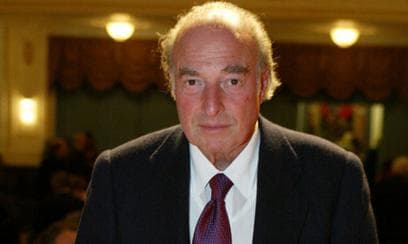
Marc Rich
PERSON
American commodities trader (1934–2013)
NT
Nicholas Tartaglione
PERSON • 2 mentions
Former New York City police officer convicted of quadruple murder, was Epstein cellmate at MCC before Epstein death
SA
Saipov
PERSON
Name reference in documents
SS
Sayfullo Saipov
PERSON
Name reference in documents
SG
Serene Gregg
PERSON
Person referenced in documents
Federal Bureau of Prisons
ORGANIZATION
U.S. federal agency responsible for incarceration of federal inmates
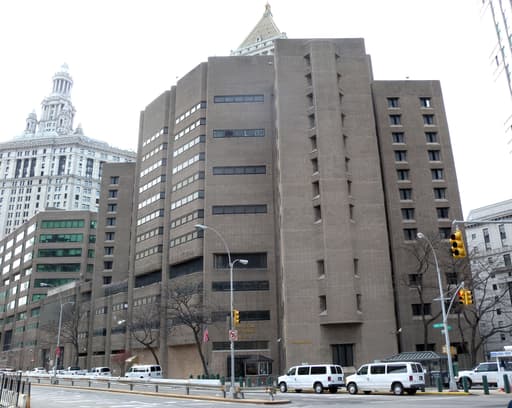
Metropolitan Correctional Center
ORGANIZATION
Metropolitan Correctional Center, New York, federal detention facility where Jeffrey Epstein died on August 10, 2019
Chester
LOCATION
City in New Jersey
Statistics
Pages:2
Entities:14
Avg. OCR:0.9%
Sponsored