EFTA00013698 - EFTA00013700
This is a legal letter from attorney Jay Lefkowitz at Kirkland & Ellis LLP to prosecutors, dated November 8, 2007, defending Jeffrey Epstein's compliance with his Non-Prosecution Agreement and asserting his legal team's right to contact potential witnesses and claimants.
The letter addresses concerns raised by prosecutors about Epstein's agents contacting individuals related to his case. Lefkowitz argues that the Non-Prosecution Agreement does not prohibit such contact, and that it is standard legal practice for a defendant's representatives to speak with potential claimants before they retain formal representation. The letter emphasizes Epstein's intent to honor the agreement while defending his legal rights to investigate civil claims against him.
Key Highlights
- •Letter from Jay Lefkowitz (Kirkland & Ellis) dated November 8, 2007, responding to prosecutor concerns about witness contact
- •Asserts Jeffrey Epstein is fully complying with his Non-Prosecution Agreement despite disagreements over its interpretation
- •Defends the legal right of Epstein's agents to contact potential witnesses and civil claimants before formal representation
- •References 18 U.S.C. § 2255, the federal statute allowing victims of child sex offenses to sue perpetrators
- •Reveals Epstein was facing "significant potential civil exposure" from multiple claims during this period
Frequently Asked Questions
Books for Further Reading

Perversion of Justice
Julie K. Brown
Investigative journalism that broke the case open
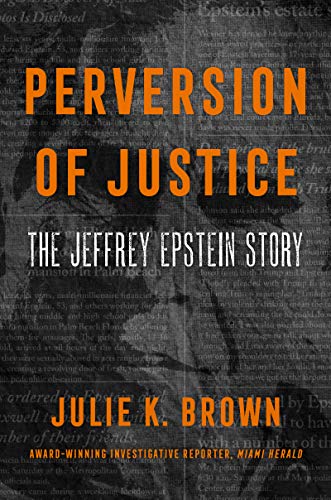
Perversion of Justice: The Jeffrey Epstein Story
Julie K. Brown
Investigative journalism that broke the Epstein case open

Filthy Rich: The Jeffrey Epstein Story
James Patterson
Bestselling account of Epstein's crimes and network
Document Information
Bates Range
EFTA00013698 - EFTA00013700
Pages
3
Document Content
Page 1 - EFTA00013698
KIRKLAND & ELLIS LLP AND AFFILIATED PARTNERSHIPS Jay P. Lefkowitz, P.C. To Call Writer Directly: (212)446-4970 [email protected] VIA E-MAIL Da =group Center 159 East 53rd Street New York, New York 10022-4611 (212) 446.4800 wvny.kirkland.com November 8, 2007 Re: Jeffrey Epstein Facsimile: (212) 4464900 I write in response to your recent letter, dated November 5, 2007. I want to make clear at the outset that Mr. Epstein is complying fully with the Non Prosecution Agreement (the "Agreement") and that he has every intention of continuing to honor its terms in good faith. Any disagreement the parties have regarding the terms of the Agreement should be resolved through open dialogue and should not be construed as a repudiation of the Agreement. I do, however, want to address each of the points you raise in your letter. First, we do not believe Mr. Epstein's agents are precluded from speaking to any individuals at this point in time. We carefully reviewed the Agreement and the laws governing contact with witnesses and proceeded under the belief that Mr. Epstein's agents could properly contact potential witnesses in this matter. We believe that nothing in the Agreement precludes contact by Mr. Epstein's agents with any individuals. Paragraph 7 of the Agreement states that "Epstein's counsel may contact the identified individuals through [the attorney representative]," but it in no way restricts any other contacts that are both lawful and appropriate. Furthermore, your Office has not yet identified the alleged victims under 18 U.S.C. § 2255 nor has an attorney representative been selected. Indeed, it is quite common for a party's agents, and even his attorneys, to speak with potential claimants prior to their retaining formal representation. And in this situation — where Mr. Epstein faces significant potential civil exposure, and he has a right to test the veracity of these claims — it is appropriate that his agents would seek to obtain as much information about potential claims as possible. Nevertheless, because we want to cooperate with your Office and since you object to such communications, we will cease all contact with these individuals until the date of Mr. Epstein's plea. We request, however, that your Office provide a basis for precluding Mr. Epstein or his agents from speaking to any individuals at this time. Chicago Hong Kong London Los Angeles Munich San Francisco Washington. D.C. EFTA00013698
Page 2 - EFTA00013699
KIRKLAND & ELLIS LLP Jeffrey Sloman November 8, 2007 Page 2 Second, I am a little surprised by your insistence that we request that the state court conduct the plea and sentence in November. You may recall that we previously discussed, and you agreed, that because the state judge will not stagger the plea and sentencing as we contemplated in the Agreement, Mr. Epstein could plea and be sentenced at any point before January 4, 2008. As you know, the judge's refusal to stagger the plea and sentencing actually harms Mr. Epstein because this delays the timing under which he can receive the names of the individuals identified by the United States as "victims" under § 2255. But we believe we must defer to the judge's decision in this matter. To clear up any misunderstanding, however, the judge has set this case "for trial" on January 7 only as a formal matter. The judge has invited the parties to appear for the plea and sentencing on January 4, and we do not anticipate any delay beyond that date. Third, I want to clear up any confusion regarding the many inaccurate media reports about Mr. Epstein. With the hope of maintaining some semblance of privacy for Mr. Epstein, we have avoided interacting with the media regarding this matter. Indeed, the only recent comment was Howard Rubenstein's confirmation to the Palm Beach Daily News that this matter had been resolved and would not proceed to a trial. That comment was authorized only out of concern that you might read an inaccurate story and believe, mistakenly, that Mr. Epstein had decided not to proceed under the Agreement. Fourth, regarding the sentence to be imposed by the court, the Agreement, and all of the discussions we have had about it, are very clear: Mr. Epstein is to be sentenced to an 18-month term in accordance with the same rules and regulations (and the same rights and privileges) that apply to everyone in the state of Florida. That Mr. Epstein would be treated no better and no worse than anyone else was a material term of the Agreement. If your Office now believes he is not entitled to equal treatment, I would very much appreciate an explanation of the basis of such view. I am sufficiently concerned about comments in your letter to seek clarification on this point, especially because the lawyers in your Office have made clear on numerous occasions to me that as long as Mr. Epstein received an I8-month sentence, your Office would not seek to interfere with the implementation of the state sentence. Fifth, pursuant to the Agreement, Mr. Epstein, through his counsel, agrees to provide the agreements made with the State Attorney's Office. Finally, I must tell you that I am troubled by the manner in which your Office has dealt with the § 2255 issues that are encompassed in the Agreement. As you already know, one of the lawyers initially recommended by your Office contacted Judge Davis to lobby for the assignment of attorney representative even before Judge Davis was formally selected to appoint an attorney representative. Moreover, I find it highly unusual that your Office has continued to insist that a EFTA00013699
Page 3 - EFTA00013700
KIRKLAND & ELLIS LLP November 8, 2007 Page 3 primary criteria for the appointment of the attorney representative should be the ability to take on contingency fee cases directed at Mr. Epstein. I trust you understand that I raise these concerns with you out of respect for your Office. However, despite Mr. Epstein's full intention to abide by all of the terms of the Agreement, we must reserve our right to object to certain aspects of the § 2255 provisions of the Agreement. I look forward to continuing to work with your Office to resolve any outstanding issues, and I sincerely anticipate a conclusion of this matter in the very near future. Sincerely, EFTA00013700
Entities Mentioned
HR
Howard Rubenstein
PERSON
New York publicist and socialite, referenced in Epstein social network documents
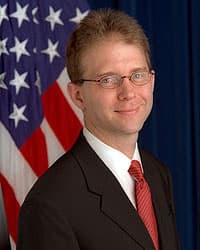
Jay Lefkowitz
PERSON • 2 mentions
American lawyer
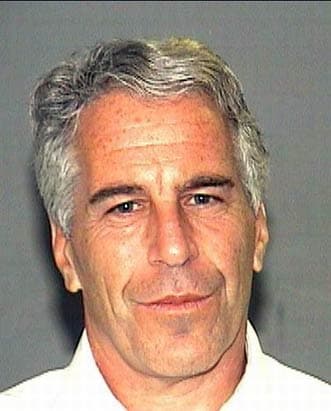
Jeffrey Epstein
PERSON • 4 mentions
American sex offender and financier (1953–2019)
Jeffrey Sloman
PERSON
Federal prosecutor, referenced in Epstein case legal proceedings
Kirkland & Ellis LLP
ORGANIZATION
Large law firm in the United States, based in Chicago, Illinois
State Attorney's Office
ORGANIZATION
State Attorney's Office
the Palm Beach Daily News
ORGANIZATION
Organization referenced in documents

Munich
LOCATION
Capital and most populous city of Bavaria, Germany
Statistics
Pages:3
Entities:8
Avg. OCR:0.9%
Sponsored