HOUSE_OVERSIGHT_023638 - HOUSE_OVERSIGHT_023643
Bystander_#4 JAN 17.indd
Document HOUSE_OVERSIGHT_023638 is a collection of government records from the House Oversight Committee, consisting of 6 pages, and is titled 'Bystander_#4 JAN 17.indd'.
The document appears to be an interview between Ethan Persoff and Paul Krassner, focusing on Krassner's work with the satirical magazine *The Realist*, his views on American comedy, and his opinions on Donald Trump. The document also references the Realist Archive Project, a collaboration between Krassner and Persoff to digitize and preserve the magazine's complete run.
Key Highlights
- •The document is an interview with Paul Krassner, the editor of the satirical magazine *The Realist*.
- •Donald Trump's election is discussed within the context of Paul Krassner's views.
- •The Realist Archive Project, a free online repository of the magazine, is mentioned.
Frequently Asked Questions
Document Information
Bates Range
HOUSE_OVERSIGHT_023638 - HOUSE_OVERSIGHT_023643
Pages
6
Source
House Oversight Committee
Date
March 3, 2017
Original Filename
93-98 to Ethan 2.pdf
File Size
4.43 MB
Document Content
Page 1 - HOUSE_OVERSIGHT_023638
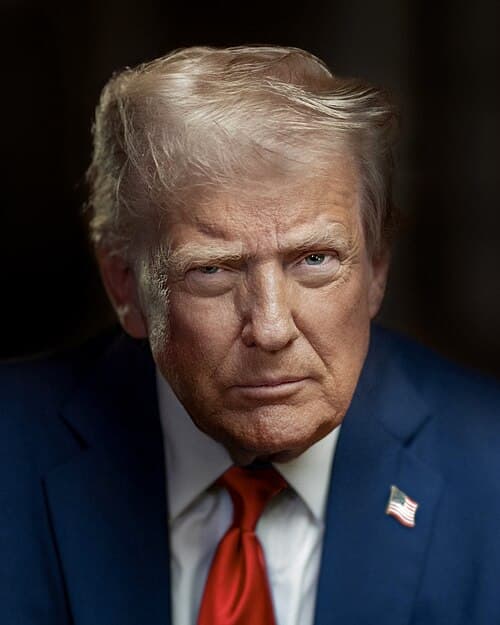
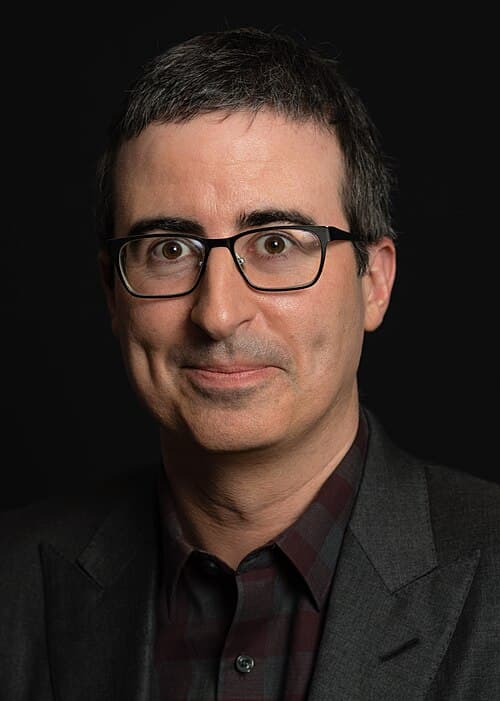
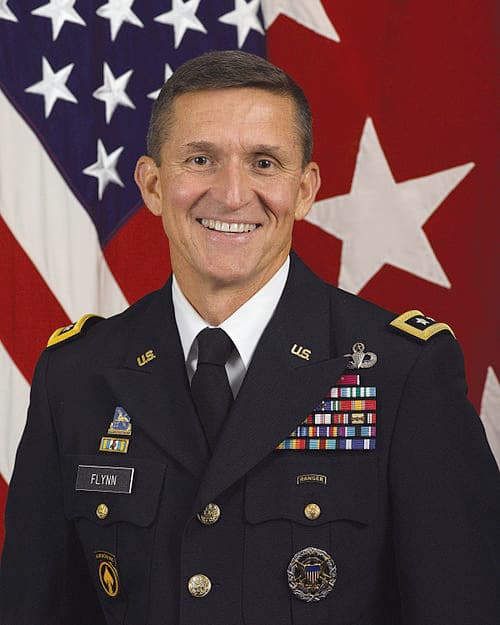
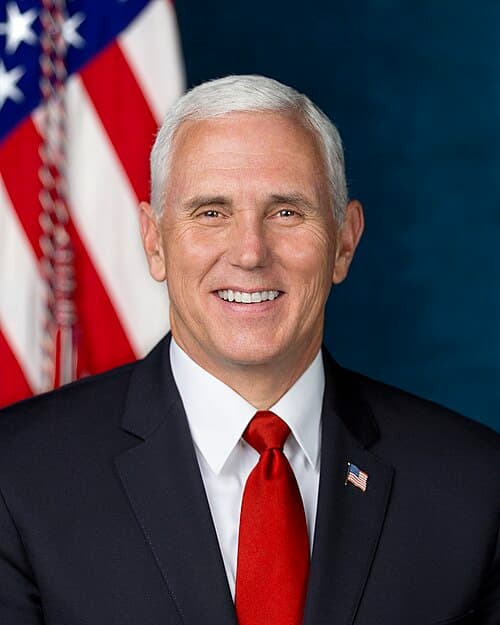
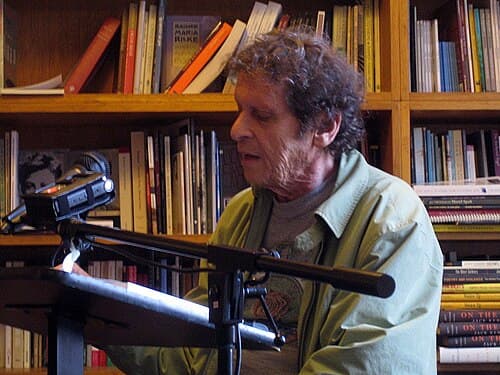
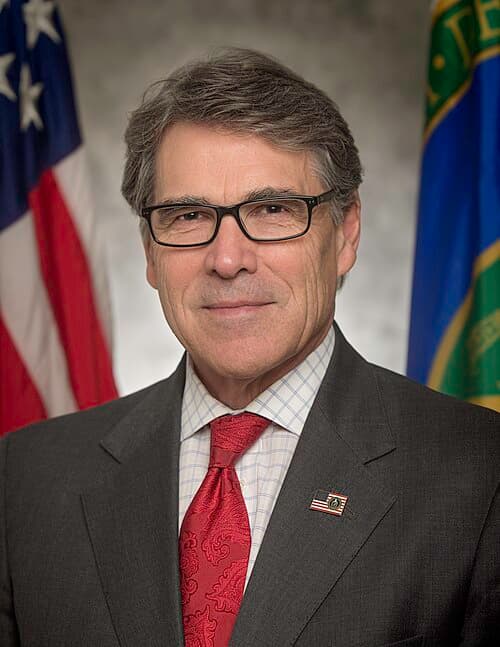
A POLITE INTERVIEW = Skin So Thin, It’s Inside Out” Ethan Persoff talks with Paul Krassner about running The Realist, hacking The New York Times Bestseller list, and that “true, extraordinary liar,” Donald Trump. of American comedy: Lenny Bruce, The Second City, and The Realist. From its first issue in the Spring of 1958, Paul Krassner’s iconoclastic “journal of freethought and satire” created a comedic template that is still being followed today; its mix of fact and intelligent opinion delivered with a mordant, knowing skepticism, is as current as John Oliver and as omnipresent as the entire internet. But you don’t hear much about The Realist these days — it’s the fate of truly seminal sources to seem inevitable, when in fact they reshaped the world in their own image. Fortunately, in 2006 Krassner teamed with archivist/comic artist Ethan Persoff on The Realist Archive Project (http:// www.ep.tc/realist/), a free online repository of every issue of the magazine from its 43-year run. They recently collaborated again on a deluxe coffee table book, The Realist Cartoons, published by Fantagraphics. The election of Donald Trump seemed to be a particularly Krassnerian moment, so I asked Ethan to call Paul and ask afew leading questions. —MG [: the late Fifties, three things radically changed the course ETHAN PERSOFF: Paul, what’s your opinion of Trump? PAUL KRASSNER: Where to begin? Personally, for me, it goes back to when George Bush won the presidency in 2000. That was due to the electoral college, even though Al Gore had won the popular vote. That same time, Hillary Clinton was elected Senator. She announced, publicly, the first thing she was going to do was get rid of the electoral college. Years later, I was doing a column for The New York Press, and I sent Clinton a letter asking her about the status of her promise. She didn’t reply. During the campaign, Trump called Clinton a crook — EP: Right, “Lock her up”. PK: —he called her a crooked businessperson. But that’s what he was. Everything he says about anybody is really about him. He’s a true, extraordinary liar. EP: What's your opinion of his “fake news” media scolding? PK: Another example of projection. He calls the newspapers dishonest, because he is, in fact, the most dishonest. Trump became an insanely narcissistic dictator once he won, bragging about his electoral numbers as proof. But prior to that, he endlessly insisted the electoral college was a sham. That, to me, wins the prize for irony. EP: | have to wonder, what if Clinton had won the electoral count, but lost the popular vote? PK: Oh, then he would have said it was rigged. EP: Lock her up! PK: When I wrote the letter to her, it was partly because I’'d heard the electoral college was based on slavery. EP: And there’s gerrymandering, which is also racist. PK: Yes. You know, the thing with Trump, is there’s talk of anything from impeachment, assassination, treason ... But that leads to more irony, because that would leave President Pence. Pence has just as much an interest in turning evolution around, and going back to barbaric times, but has the ability to pass as sane. Trump can’t do that. EP: Do you think Trump’s madness is an asset to his opposition? He’s such an easily identifiable lunatic, does that provide for a sense of protection, as opposed to Pence, who is so much more canny and quiet? PK: There’s fear of Trump, and then there’s dictatorship in action. The things he’s been doing are disgusting -- these ap- pointments! Like Rick Perry for Dept of Energy. It’s so insane. And then, Betsy DeVos. No education experience ... I think even starting in kindergarten. (Laughter) EP: Yes. Everyone has their own personal thing that they’re seared about with Trump. Me, it’s the environment. I can’t believe his appointment of Scott Pruitt with the EPA. PK: They’re all horrible. Then there’s Michael Flynn. He is the core of the hypocrisy of the relationship between Trumpo the Elephant and Putin. (continued) i= Ww HOUSE_OVERSIGHT_023638
Page 2 - HOUSE_OVERSIGHT_023639
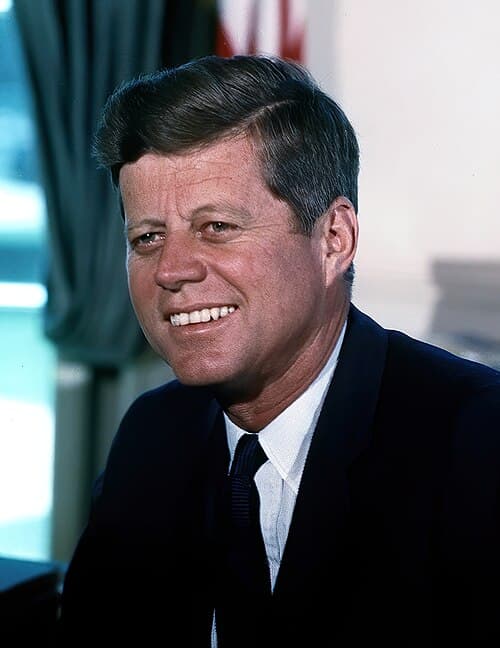
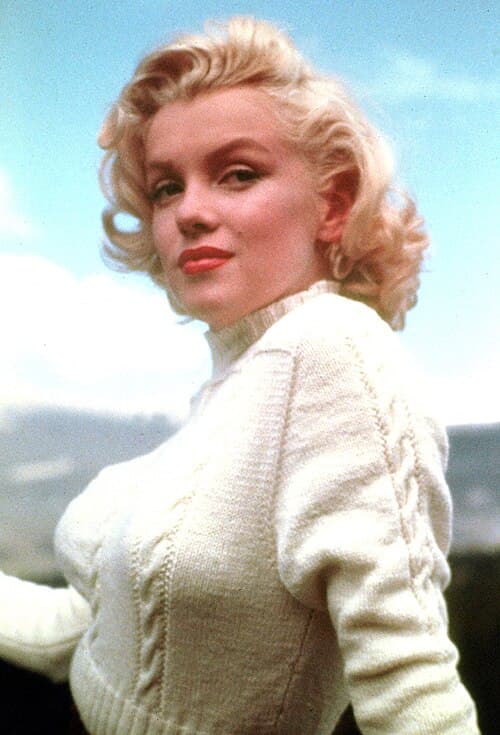
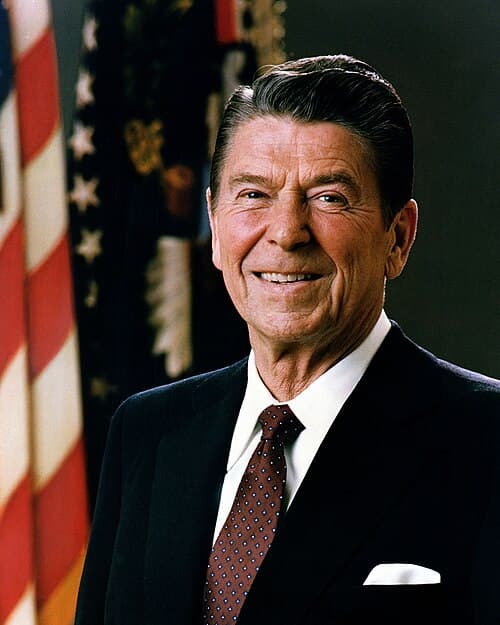
EP: What’s your take on Trump and Russia? PK: I read one article where an uniden- tified Russian official used the phrase “useful idiot”. That’s really what it is. It’s like J. Edgar Hoover; he stayed around for decades [via] blackmail. I think it’s the same thing, You don’t have to say it, you know. Hoover would just go to JFK and say, “We found some photo of you in bed with Marilyn Monroe. But don’t you worry, we'll keep it in our safe.” EP: You've lived through some Red scares; can you imagine any other time where this Russia stuff would be forgiven? PK: | think foreign countries may have influenced previous elections. I don’t know, but it was mostly before the technology of the Internet. So, if there’s no In- ternet, there ain’t no hackin’. It’s like there ain’t no divorce if you don’t have no marriage! Whatever deal was made, or hacked, I think Trump decided to run the night of the 2011 Washington Correspondent’s Dinner. Obama had such Sood jokes that night. But the camera was on Trump, and you could see that he was foaming. EP: That shot of him is amazing. The video of Trump’s boiling back head. It’s really gorgeous. PK: Humiliation makes a differ- ence. You know, years before any of this, Trump developed his modus operandi for media/ political success: You cheat. What pushed him into public profile was the stated success of his book, The Art of the Deal. But what I found out that is that he bought 20,000 copies of his own book from Random House, and that made it a New York Times Best Seller. Similarly, L Ron Hubbard had his book Dianetics. He had a Scientologist working at The New York Times who had access to the details of their best sellers lists. Back then, there was a list of cities that the Times measured sales at particular book stores. So, Hubbard didn’t have to buy 20,000 copies, he just had his spy tell him where to buy several copies at those locations, and the Church of Scientology had an instant “Best Seller”. EP: Earlier you mentioned two interesting words: “assassination” and “impeach- ment”. You have the benefit of having lived through Kennedy and Nixon. PK: My earliest remembrance of a Presi- dent was Franklin D Roosevelt. EP: Do you remember him on the radio? PK: Yes. He was famous for having his Fireside Chats. Which, through these decades, has evolved into tweets. EP: Here’s a very pointed question: When Kennedy got shot — what's your memory of that? PK: Several memories. One was my first wife was out shopping, heard it on some- body’s radio, and immediately bought a TV set. That’s one thing I remember, just being glued to the television...And I was getting calls, maybe not that day, but from Cartoon by Wende, from The Realist #37, Sept. 1962. people wanting to write an article about the conspiracy aspect of it. You know of Jean Shepherd, right? EP: Of course. PK: He was a big influence on me. He said, “This will change the whole country.” He thought it was a coup. And it turned out that the CIA had the Mafia do it. After all of my studying about it, that’s what it was. The Mafia were the puppets of the puppeteer in that. I would listen to Jean Shepherd every night, and he said — he predicted — that America would have a dictator who won the presidency because he came out of show business. And it happened. You know, [Trump’s] not like Ronald Reagan, who came out of Hollywood, of course. But in Reagan’s case, he couldn’t make the distinction between reality and his movie roles. But he did say he was willing to take a senility test! Of course, the sug- gestion that he’d take a senility test is a suggestion that you already are senile. EP: Right. That’s very funny. PK: Jumping back to Trump. Along the same lines of the buying the 20,000 copies of his book, the first day of his presidential campaign, he came down the Trump Tower elevator. There were people with placards, saying “TRUMP 2016” — but they were all hired actors. Fifty of ‘em. EP: You know, the success of that red hat really disturbs me. It’s so idiotic — but it really seemed to work. PK: I agree. No other presiden- tial candidate had a cap like that. And a slogan. I’ve seen people on TV asked, “What do you think about the election?” One elderly woman said, “Oh it’s wonderful! We're going to Make America Great Again!” EP: How could they win on a campaign of awful messages? Maybe Steve Bannon is some AD&D wizard, casting a spell that everything negative becomes positive. “Trust me Trump: kick babies instead of kiss them. It ll work!” PK: I agree that’s possible. But it’s narcissism that made Trump do this. Narcissism with skin so thin, it’s inside out. That’s what he was doing, too, during the cam- paign. If your skin is inside out, then it’s projecting. Hillary “was a crook,” but he was. He called Bernie Sanders “crazy” and he was. “Lyin’ Ted Cruz”... EP: Why do you think those nicknames were so effective? It seemed, once you were labelled by him, you were done. PK: Bush had his nicknames, but they were favorable. He called Karl Rove his — EP: “Turd Blossom”! PK: Right, “Turd Blossom” ...and he was. EP: The prettiest turd. PK: Regarding Trump’s narcissism, here’s my favorite joke: Trump was in the eleva- tor of Trump Tower. It stopped on one floor and a woman got in. She said, “Oh! You're Donald Trump! Oh my, I would love to give you a blow job. I really would. I have a great reputation. I will make it that you will never forget this blow job. I really am good. I practice a lot. And I Ww HOUSE_OVERSIGHT_023639
Page 3 - HOUSE_OVERSIGHT_023640
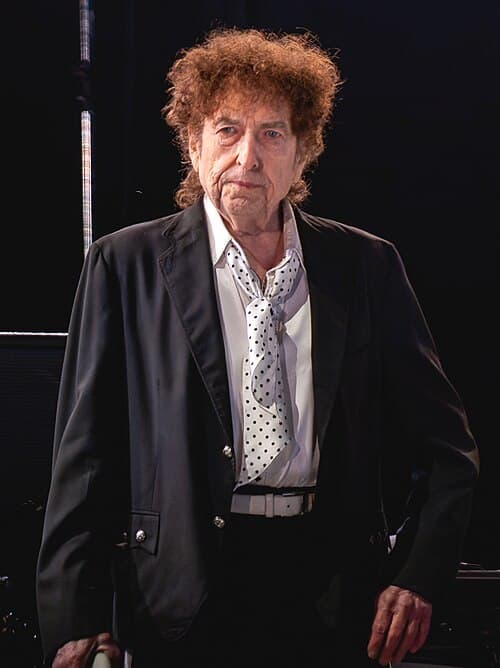
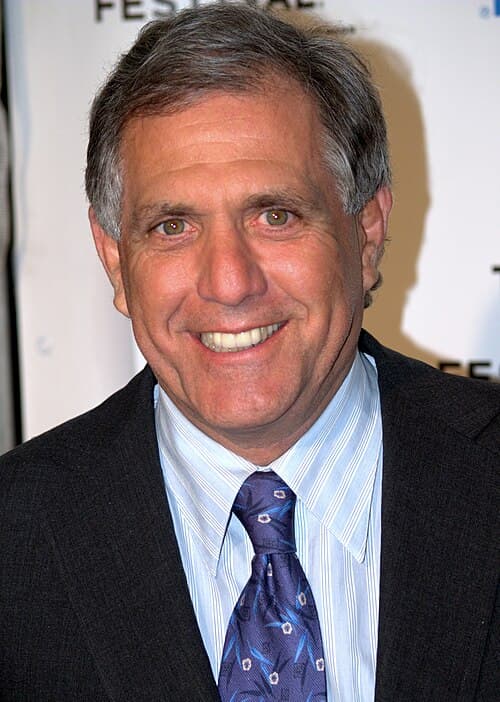
want to give you a blow job so much.” And Trump says, “Yeah, but what’s in it for me?” (laughter) There’s an old saying in psychology. In order to deceive people, you have to deceive yourself. Here’s the thing: Trump has instant belief. He just be- lieves whatever he says. With Obama’s birth certificate controversy, he would believe it, even though he had to know it wasn’t true. Then, he said he’d hired investigators to $0 to Hawaii. EP: (embarrassed for history) | remem- ber that. PK: I think that was a lie, too! I don’t think he ever sent them. Or, if he did PK: The epitome of it, regarding coverage of Trump, was CEO Leslie Moonves, who said “It may not be good for America, but it’s damn good for CBS!” EP: You know, the week Trump won, to deal with shock, my mind started re- membering things that made me laugh. One of your stories showed up: The one when you met Bob Dylan and asked for his opinion about the Holocaust. PK: | was at a radio show. And he was watching in the room. It was me, Abbie Hoffman, a rabbi, and some others. During the panel, the Holocaust was integrated into the dialogue. Dylan was there watching, sitting in a dark corner in ternative facts”? It was such a bizarre oxymoron, he couldn't stop laughing. EP: My favorite one of her’s is the Bowling Green Massacre. The Internet was hilari- ous on that. For the Holocaust, of course, it’s “Never Forget”; so, for the Bowling Green Massacre, people were posting pictures of green bowling balls, with the phrase “Never Remember”. PK: Oh, that’s good. It’s like what I was mentioning about optimism. The answer is what we saw right after the inaugura- tion, with the march and the rallies. Trump is essentially the monster we’ve created. Whereas Frankenstein was made from corpses, Trump was made from fringe subcultures: First send them, and they didn’t find any “evidence,” then he lied by omission...of facts. EP: | wonder if these lies are going to have consequences — if impeachment will happen. Getting Congress to do it will be nearly impossible. PE: There’s little hints that the Republicans — their con- science is gettin ‘em. Those are my hopes. EP: The fear I have is we're going to lose this country through this motherfucker. That we're going to have a police state — that we won't have a free press. Do you think these are real fears? PK: Oh, yeah. Well, you know, a police state has a bad reputa- el from the white supremacists .. Trump was on the radio with some insane conspiracy theorist, and the host said, “My listeners, they really love you.” Trump then went to the Evan- gelists, ‘cause that was another subculture. He couldn’t think of anything, the first time, from the Bible. Next time, though, he brought a Bible with him. He was smart enough to take the cellophane off it. EP: | think for the most part, you've always been on the right side of history, actions you've taken and _ political/ moral positions — everything from civil rights, to women’s rights, to drug freedom. But I tion. I mean, cops love it! The thing is — ever since I took a lot of acid — I have become an over-doer of being optimistic. You can pick your metaphor, but I think Trump’s a blessing in disguise. With these scares, he’s the monster — The Frankenstein — that we’ve created. It’s from the country’s dumbing-down of the media. Especially with the com- mercials. You know, when they first had TV news, they didn’t have commercials. EP: I’ve been trying to get more into the habit of watching PBS News Hour. It’s amazing to have a full hour of commer- cial-free news, and not looping news, like CNN. What’s sad is I find I have to build up the stamina for it. I actually find myself wanting commercial breaks. PBS had less coverage of Trump’s campaign, too. Probably because there were no ads to sell. ‘artoon by Mort Gerberg, from The Realist #50, May 1964. the back of the room. When the program was over, he walked up and said to me, “You didn’t say much.” And I thought that was funny, because he was such a minimalist. Then I held up my fist, like a micro- phone, and asked, “So, what do you think about the Holocaust?” He offered his minimalistic reply: “I resent it.” EP: That’s just too good a joke. PK: I remember that, more than the radio panel, because it had such an essence of itself. EP: That’s the benefit of minimalism, right? It’s like these insane Trump tweets. In some way, they’re stronger because they’re just 140 characters. PK: By the way, did you see Anderson Cooper laugh for five minutes when Kellyanne Conway used the phrase “al- don’t know how you decided to do some of this shit. For example, you ran an abortion referral service inside The Realist. No reward beyond a moral victory. PK: Back then, when it was illegal, people thought doctors who performed abortions should be arrested and convicted. EP: Let’s discuss the development of your ethics. What’s your internal compass? Have you always had these instincts? PK: It happens organically. I remember when LOOK Magazine said about abor- tion, “There are no humane doctors ... all of them are just in it for the money.” And I knew of one: Doctor Spencer in Ashland, Pennsylvania. He had a reputa- tion. It turned out, to be, also, that he was a subscriber. So, I wrote him a letter, asking for an interview, because I wanted to point out that LOOR’s statement was a lie. And I Ww HOUSE_OVERSIGHT_023640
Sponsored
Page 4 - HOUSE_OVERSIGHT_023641
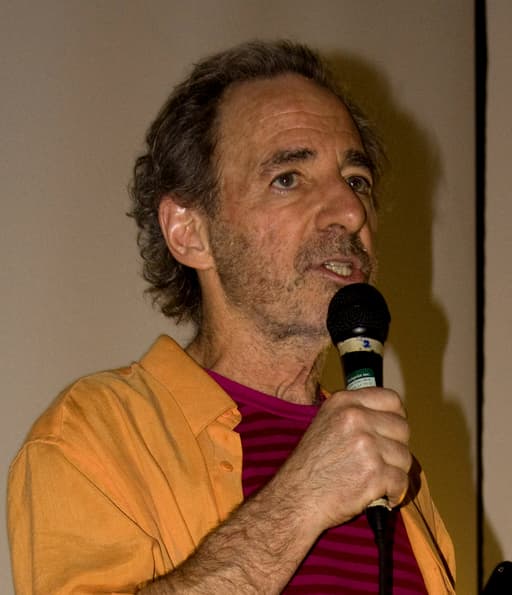
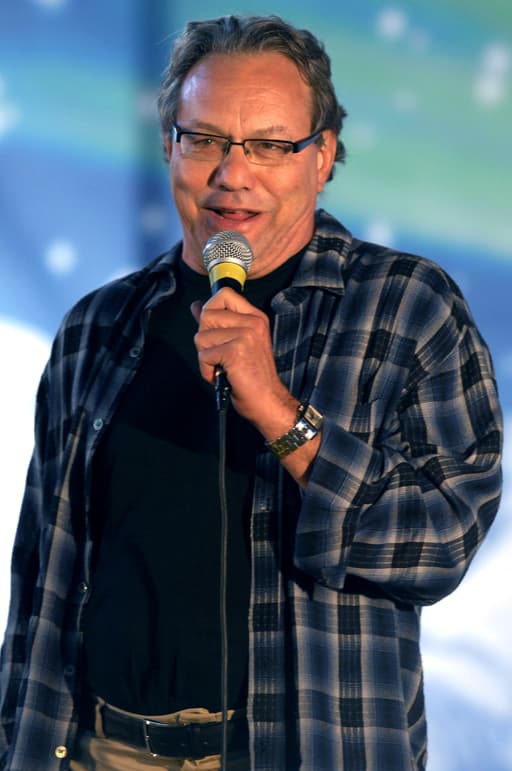
eae —A)) V The Disneyland Memorial Orgy, by Paul Krassner and Wallace Wood, published in the May, 1967 issue of The Realist. Readers with annoying bare patches on their wall can buy a copy at www.paulkrassner.com for $35.00 plus shipping and handling. promised him that I would go to prison sooner than identify him. EP: Was that a concern of his? PK: | just volunteered it. So that he would know. And he allowed me to interview him, albeit anonymously.' When I published the interview, I started to get calls. Women who were pregnant that didn’t want to be, and didn’t know where to go. These were differ- ent ages, different classes. I remember one that really had the most force to it: A nurse called. And she couldn’t get a doctor to help her. From a hospital, or even privately. So, I referred her to Dr. Spencer. And she sent me a gift. She knew I had a little daughter. And she sent me a doll. A lion. Holly, my daughter, named it Lenny the Lion, after Lenny Bruce. EP: Oh, that’s great. PK: | began to get more and more calls, and I couldn’t say no. You know this is not an abstract placard saying “Peace Now”, this was somebody that I could help. I couldn’t say no -- ‘cause there are so many things going on in the world that you can‘ help. I never thought ’'d become an under- éround abortion referral service. But, you know, it became my calling, in a way. EP: How long did you continue to help people out? PK: I stopped when I moved to San Fran- cisco [in 1971]. By that time there were others doing referrals -- Protestant min- isters. So, I left my practice behind me. EP: The Realist was one of the first, if not the first, news sources to talk about Enovid [the first birth control pill]. PK: In the first few issues! And the pill was just a rumor. This guy, a journalist -- | didn’t pay him much — he did a two- part article, I think I paid him $100 for each. He went to Puerto Rico, where they were testing women. I had mixed feelings about this, because they were testing them like guinea pigs. But it worked, and it became known as “the Pill.” EP: Since we’re referring to a lot of issues of The Realist, we should prob- ably mention the online archive. I recall, with some humor and business sense, you only asked one thing: That we edit the image to the Disneyland Orgy to include a link to your site, saying a poster was available for sale on your website. PK: Oh yeah, that was a pure ad. 1“An Impolite Interview With An Abortionist,” The Realist #35, June 1962. EP: The first ad to run in The Realist, probably? PE: Well, sure. (laughs) It was letting people know the poster existed. EP: In the ten years that the archive’s been up, it’s enjoyed a lot of regular traffic and is now referenced in many dissertations. By the way, did you see the Washington Post article linking to the archive, specifi- cally the LBJ story?” PK: Oh, yeah. I heard about that from Harry Shearer. He sent me the link to the article, where they refer to me as an “obscure 1960s figure.” The subject line of Harry’s email was “It’s official!” and then in the message, a link to the article and the words “youre obscure!” I laughed hysterically. I think the LBJ piece (“The Parts Left Out of the Kennedy Book,” The Realist #74, May 1967) is still the most notorious article; people remember it. Lewis Black said he was fifteen when he read it and said he was shocked! You know, because the article was written as a seduction, in a way. To the culmination, to the... what do they call it in sex? The climax! And then I published the anagram for Nixon’s veep’s name, Spiro Agnew. EP: “Grow a penis.” Do you remember Ww HOUSE_OVERSIGHT_023641
Page 5 - HOUSE_OVERSIGHT_023642
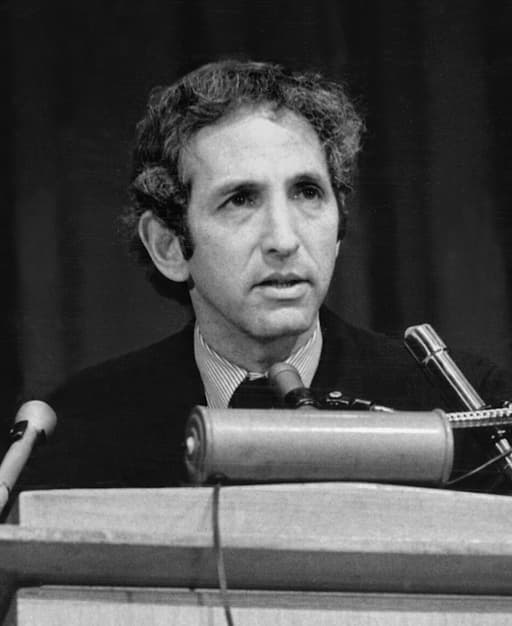
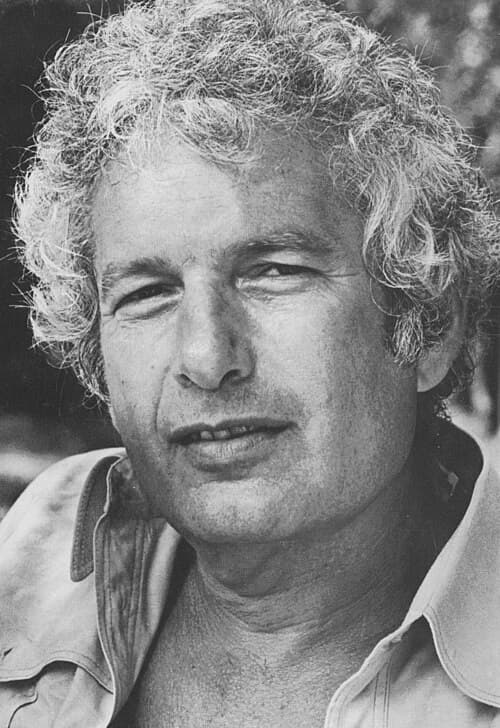
how that got published? PK: It was originally a guy from LIFE. He’d interviewed me, and mentioned some of the staffers had seen Rosemary's Baby, where there’s an anagram moment with Scrabble pieces, something to do with witcheraft — EP: “Steven Marcato”. PK: Yeah. Staffers had discovered this joke about the Vice President’s name, based on that scene. They couldn’t use it in LIFE, but it had to 0 somewhere. So, I ran it in the four-page comic that Richard Guindon and I did together. EP: Both the LBJ piece and Rosemerica comic clearly bend into surrealism. The response of readers, delighted and infuri- ated, had to be one of the best moments of yout life. PK: Many many people believed [the LBJ piece], even for just a moment. It was something I’d learned from Joseph Heller, when I interviewed him (Realist #39). I asked about one of the patients in Catch- 22, who is in a veteran’s hospital. The patient was wrapped up like a mummy, fed through IV's, excreting through tubes — he was just a middleman for digestion. I asked Heller, and he said, “Well you know, it’s possible, but not probable.” EP: “Possible but not probable” explains these last fifteen months on Earth. PK: Regarding the LBJ piece, there were people who claimed to remember a pho- tograph! (laughs) People who said they believed the article, if only for a moment, included Daniel Ellsberg, who released The Pen- 2“Trump’s Presidency is Doomed,” The Washington Post, January 16, 2017. tagon Papers. He said the reason he be- lieved it, was because he just so much wanted it to be true. EP: Speaking of Ellsberg, and now Trump, how do you feel about leaking? PK: Well, I leak several times a day. (Shared laughter) EP: It’s very good for you. PK: That’s bladder control. EP: It’s funny that the Russian sex black- mail was Trump having a urine party with a bunch of hookers. PK: That was a fake. But it became a perfect image for comedians worldwide. EP: But it’s like the LBJ issue — maybe it will stick. People also remember The Dis- neyland Orgy from the magazine. And the wonderful FUCK COMMUNISM poster. PK: You know, I use a walker, but I go to the gym three times a week, to use the treadmill. I had my FUCK GOMMUNISM t-shirt on, you know, the red white and blue. As I was walking out, there was a policeman who held the door open for me. And he saw the t-shirt. EP: Oh, god — PK: He said, “Hey, that’s a great t-shirt!” He took it literally! EP: | know the poster was said to be the perfect confluence of two banned terms. PK: Kurt Vonnegut praised it for that. EP: “Fuck” has kind of won, right? You can say “Fuck” anything now, and it’s fine. That is one experience I don’t have, growing up when that word was so ver- boten. I understand how saying “Fire” in a crowded theater is illegal, but I don’t have an understanding of a world where 1“Roseamerica’s Baby,” The Realist #93, August 1972. saying “Fuck” could get your arrested. How did Lenny Bruce work around it? PK: He had to use a euphemism. He’d have to say “frig.” The first time I met Lenny, he came to New York, and he called — because The Realist was his favorite magazine. EP: That had to feel great. PE: It did. Steve Allen was the first sub- scriber. He would give subscription gifts to several friends, and Lenny was one of them. Lenny then sent a lot of subscriptions to his friends. That’s how it started, and how it grew — word of mouth — which is better than advertising, because it’s free and you're getting it from someone you know, an individual. When I met Lenny for the first time, I gave him an advance copy of an inter- view with Dr Albert Ellis, a psychologist. Lenny was reading and said “He used the word [‘fuck’]!” I explained to him that Ellis had a campaign that “fucking was good” therefore, if you wanted to say something unfriendly, you should say “unfuck you”... Lenny asked, “How does he get away with this?” I told him, “The Supreme Court said use of the word wasn’t obscene in a magazine if it was a redeeming social value, and no prurient interest.” Lenny asked, “What’s that? Prurient?” He went to his suitcase on his bed in the hotel room. Inside was a huge unabridged dictionary. At first, it said something like “itching” — and Lenny asked, “Is this something like a novelty store?” EP: Where they sell the powder! PK: Or the dribble glasses. But the second Created in 1963 by Paul Krassner and John Francis Putnam, this poster was a staple of dorm rooms for decades. Kurt Vonnegut called it “a miracle of compressed intelligence nearly as admirable for potent simplicity, in my opinion, as Einstein's e=mc?.” Lh ft COMMUNISM! ADDITIONAL COPIES AVAILABLE FROM THE MOTHERS OF THE AMERICAN REVOLUTION, WASHINGTON, D.C. Ww HOUSE_OVERSIGHT_023642
Page 6 - HOUSE_OVERSIGHT_023643
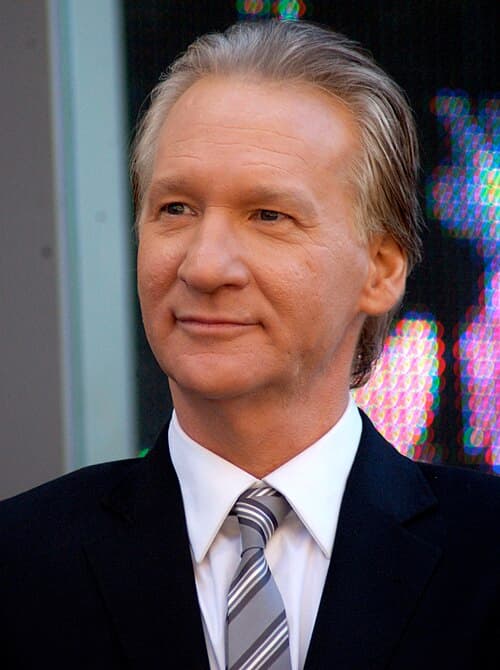
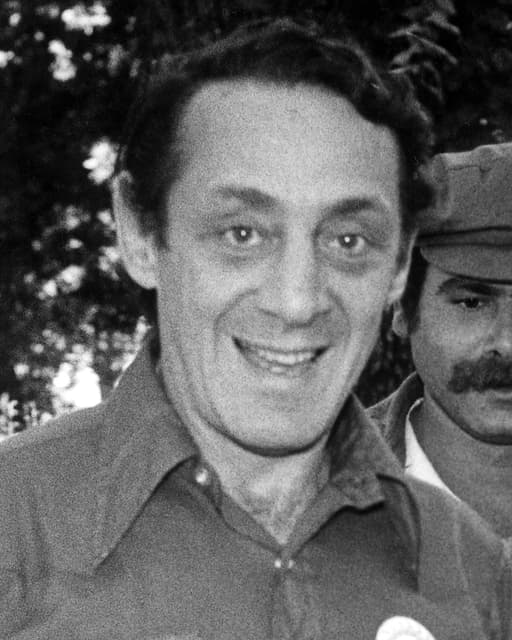
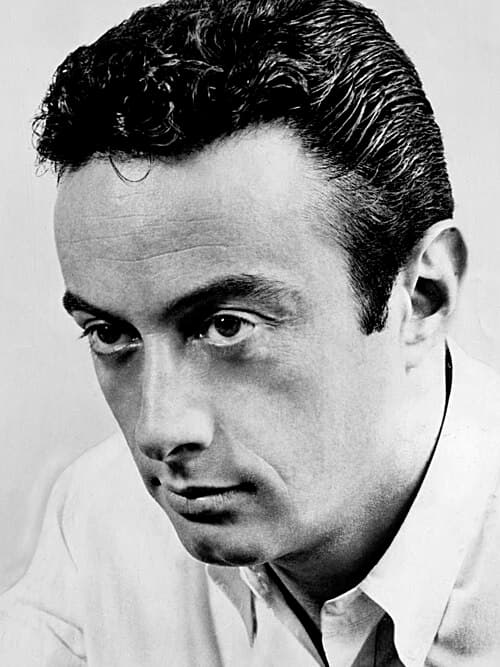
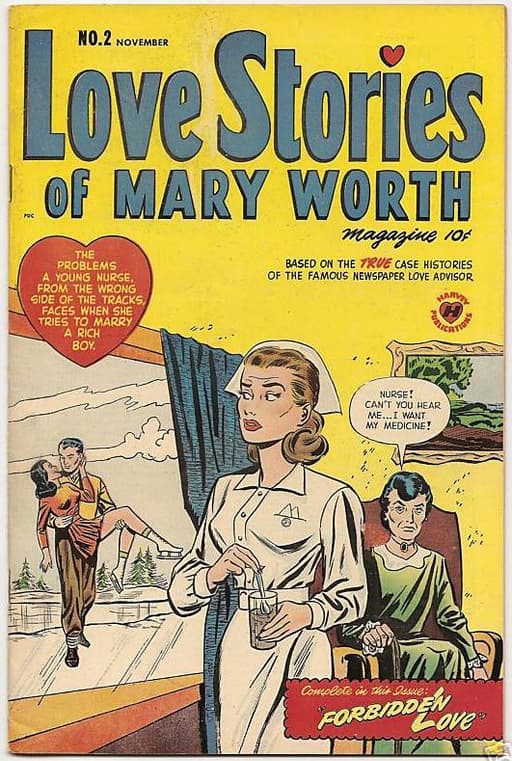
definition was “arousal of sexuality.” Lenny was performing that night at Town Hall. He asked me to hand out copies of The Realist, with the Ellis in- terview, in front of the theater. From then on, Lenny thought that his act would be protected, because it had redeem- able social value. But that’s not the way prosecutors felt about it. EP: Right. The conspiracy theory I’ve heard is that it’s because he took on the Catholic Church. PK: Oh, absolutely. Absolutely right. His “Religions, Inc” piece got him in a lot of trouble. The reason he got busted for obscenity was there wasn’t a law against blasphemy, but that’s what he was really arrested for. EP: You know when Scott Marshall and I were putting together the Lenny Bruce tribute in the Wilcock comic, we included John’s experience with Lenny. You’re in a few panels. It’s been fun to find op- portunities to include you in the comic -- you're in five scenes now. Ihave sort of a funny agreement with John: If he can’t recall the full story, or dialogue, I can fill in the details. PK: Oh (laughs) well that’s trusting. EP: You both are very trusting people! He couldn’t remember verbatim exchanges with you from 1961. So, we gave the joke from you to be “Lenny would be a big fan of your couch, John.” PK: That’s funny. When I saw that in your comic, I remembered saying it! I remem- bered something that didn’t happen. Now I have something in common with Kel- lyanne Conway. It’s something I would have done. You made up something real. EP: Thank you. I only do that in a few panels to keep everything glued together as a story. Otherwise it’s just a bunch of disconnected fragments. PK: Too close to reality, then. EP: How do you think Lenny would respond to Trump? PK: I think he would do it as a really high form of satire. He would make Trump a hero -- in the sense that he would take a different approach. ’m saying that because he did that about Adolf Eich- mann, the Nazi organizer. Lenny would say “He was doing his job!” He would just take an approach like that. Lenny would “appreciate” the defined tragedy. 1See The American Bystander #1, Dec. 2015. I think Bill Maher’s show, February 17, was terrific. Lenny would have really appreciated it. Just the same way Lenny got serious sometimes, and the audi- ence would say, “Hey, you’re honest!” instead of “Hey, you’re funny.” Maher’s monologue that night was really beauti- ful. Because he’s well informed, and he couldn’t just do jokes about it. He talked about the fascism. He talked about the dangers. It was just brilliant presentation of the seriousness of fascism in action. EP: What do you think Abbie Hoffman would do about Trump? PK: Oh, I think he would do the same thing as Maher. Abbie really had a sense of humor that was spontaneous. And it was based on being well informed. Bill Maher was doing that. He was rabble-rousing. He was trying to let people know how serious it was. EP: I can’t help but feel such sadness that Abbie is gone. You mentioned Shepherd as an influence, for me it’s Abbie, who I regret never knowing personally. You read his books and every page glows. He’s such a wonderful soul and gifted writer. Do you recall going to rallies with Abbie? PK: I remember we had taken some acid in his home, and got a call that some Puerto Rican kids had gotten busted for pot. Abbie said “Okay, we gotta go there.” Show them the hippies respected the kids who were busted. Because they were Puerto Rican kids. So, as we’re walking there Anita, Abbie’s wife at the time, men- tioned she was going to regurgitate from the acid. And I said to her, “You can just vomit over by the curb over there, and we'll stand around you.” That we’d hide her. Abbie said, “Now that’s community!” There were lots of things like that. We saw a police car, full of four cops, two in the front and two in the back, and Abbie yelled, “You guys on a double date?” I told him he reminded me of Lenny, and he said, “Oh really? He’s my God!” EP: That’s an amazing story, partly because there’s no way you can talk like that to police now without being con- fronted. I have this terrible habit where I thank cops. I got tackled once because a cop thought I was someone else, and, partly out of fear, I thanked him. I always feel like an asshole when I do it, too. PK: I did the same thing (laughs) when they frisked me. They frisked the report- ers because they didn’t want the reporters to have guns in court. EP: Was this for the Harvey Milk trial? PK: Yeah. EP: During that trial, you coined the phrase “The Twinkie Defense”. You’ve done this a couple of times, creating an expression or a term, that becomes a permanent part of the language. PK: I once started a list: Yippies, Twinkie Defense, jilling off — that’s a woman masturbating, instead of jacking off. EP: “Soft-core porn,” you coined that. PK: Yes. EP: What do you think Robert Anton Wilson would say about Trump? PK: He would be very analytical about him. You know, he would talk about the insanity of it. He would just get to the core of Trump. He’d be fascinated by it. EP: He does like “mind fuckers.” PK: Exactly, yeah. He would be a great analyst of how we all have some narcis- sism in us, but Trump is the king of — oh, you know I’m doing now what you did — when you made up what you think what I would have said, there. And now ’m saying what Robert ... what Bob Wilson would say. EP: But that’s totally correct, I think. PK: But he would, because — there was a European order of priests who got married, or something like that. And I gave Bob the assignment of writing about that convention of the priests, as if he was there. He loved doing that; he made it seem real. That was a very good form of his satire, because once again, it was not only pos- sible, it was probable. EP: What about Terry Southern? A lot of people see The Magie Christian hap- pening right now with Trump — Trump is living out that description of the book. He’s “making it hot for them.” PK: Terry Southern was — he put a lot of words in italics when he wrote. And he talked the same way. He talked with italics. EP: Maybe he’d italicize Trump. Finally, how do you think George Carlin would respond to Trump? PK: He might make a list. George loved to make lists. He could make a list of lies, of Trump’s lies. EP: Paul, this has been so good talking with you. Any closing advice to Donald Trump, if he’s reading? PK: | got my philosophy from [the comic strip] Mary Worth: “When in doubt, do the kindest thing.” B I — WwW HOUSE_OVERSIGHT_023643
Entities Mentioned
AB
Abbie
PERSON
First name reference to multiple individuals
Abbie Hoffman
PERSON
American activist (1936–1989)
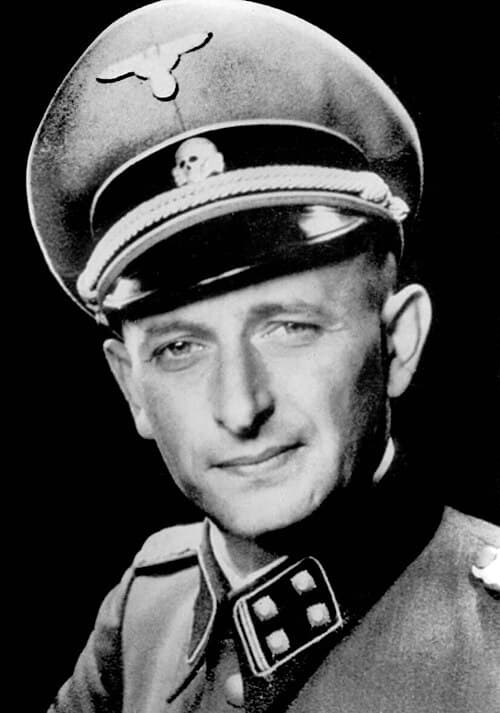
Adolf Eichmann
PERSON
German-Austrian SS officer and one of the major organizers of the Holocaust (1906–1962)
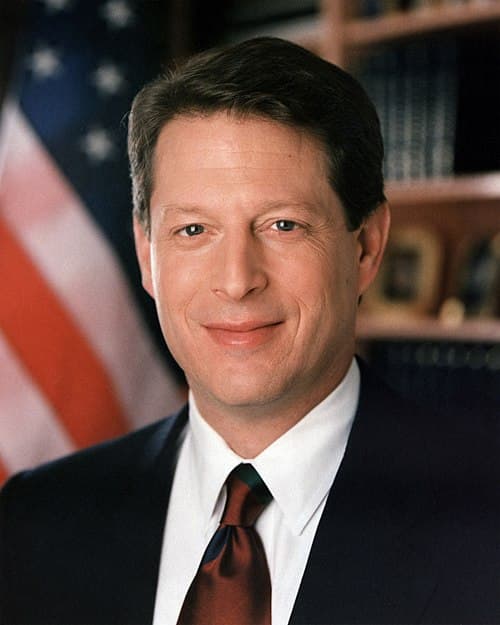
Al Gore
PERSON • 2 mentions
Vice President of the United States from 1993 to 2001 (born 1948)
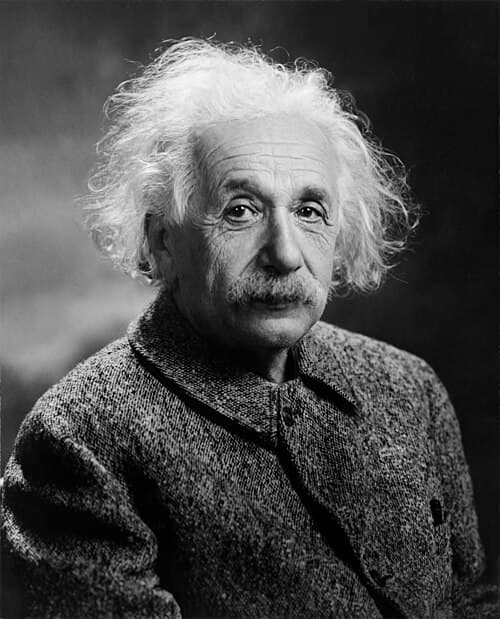
Albert Einstein
PERSON
German-born theoretical physicist (1879–1955)
Albert Ellis
PERSON
American psychologist (1913–2007)
Anderson
PERSON
Surname reference in Epstein documents
AN
Anita
PERSON
First name reference to multiple individuals in Epstein-related documents
Barack Obama
PERSON
President of the United States from 2009 to 2017
Bernie Sanders
PERSON
United States Senator from Vermont since 2007
Betsy DeVos
PERSON
American politician and philanthropist (born 1958)
Bill Clinton
PERSON
President of the United States from 1993 to 2001 (born 1946)
Bill Maher
PERSON • 2 mentions
American stand-up comedian and television host
Bob Dylan
PERSON • 2 mentions
American singer-songwriter (born 1941)
Bob Wilson
PERSON
American stage director and playwright (1941–2025)
Cynthia Nixon
PERSON
American actress and politician
Daniel Ellsberg
PERSON
American whistleblower (1931–2023)
Donald Trump
PERSON • 2 mentions
President of the United States (2017–2021, 2025–present)
E.O. Wilson
PERSON
American biologist, naturalist, and writer (1929–2021)
Eleanor Roosevelt
PERSON
First Lady of the United States from 1933 to 1945 (1884–1962)
EL
Ellis
PERSON
Ambiguous surname - refers to Fraser Ellis MP and also to Kirkland & Ellis law firm in Epstein documents
Ellsberg
PERSON
Surname reference in documents
ET
Ethan
PERSON
First name reference to multiple individuals in Epstein-related documents
EP
Ethan Persoff
PERSON
American cartoonist, archivist, and sound artist
Franklin D Roosevelt
PERSON
Name reference in documents
George Carlin
PERSON
American stand-up comedian (1937–2008)

George W. Bush
PERSON • 2 mentions
President of the United States from 2001 to 2009
Glenn Dubin
PERSON
American businessman
GU
Guindon
PERSON
Cartoonist
Harry Shearer
PERSON
American actor (born 1943)
Harvey Milk
PERSON
American politician and gay rights activist (1930–1978)
Harvey Weinstein
PERSON • 2 mentions
American film producer and sex offender (born 1952)
HE
Heller
PERSON
Surname reference in Epstein-related documents
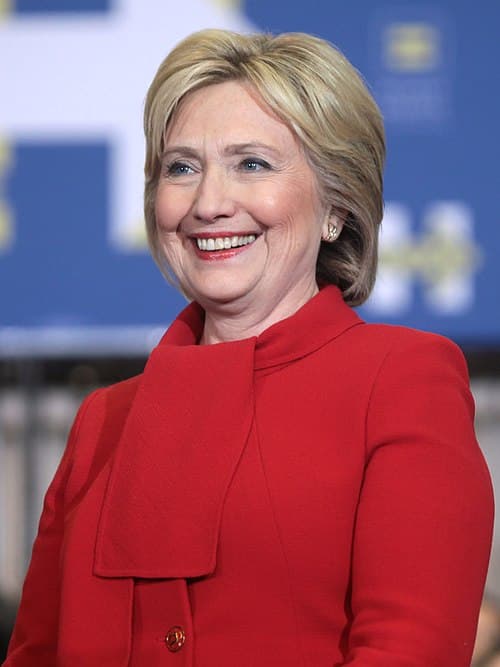
Hillary Clinton
PERSON
American politician and diplomat (born 1947)

Holly
PERSON
Surname reference in Epstein-related documents
Hoover
PERSON
Surname reference in Epstein-related documents
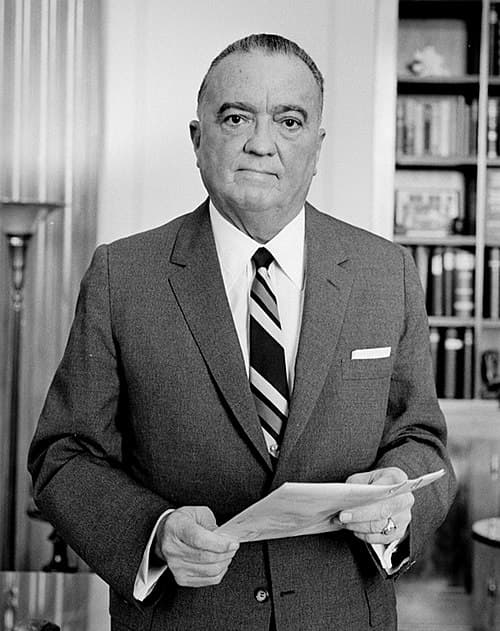
J. Edgar Hoover
PERSON
American law enforcement administrator (1895–1972)
Jean Shepherd
PERSON
American writer and radio host (1921–1999)
John F. Kennedy
PERSON • 2 mentions
President of the United States from 1961 to 1963 (1917–1963)
John Francis Putnam
PERSON
American comics writer
John Oliver
PERSON
British-American comedian and television host
Joseph Heller
PERSON
American writer
Karl Rove
PERSON
American political consultant and policy advisor
Kellyanne Conway
PERSON
Senior Counselor to the President of the United States from 2017 to 2020
Kurt Vonnegut
PERSON
American author (1922–2007)
L Ron Hubbard
PERSON
American writer and Scientology founder (1911–1986)
Lenny Bruce
PERSON
American comedian and social critic (1925–1966)
Les Moonves
PERSON
American television executive (born 1949)
Leslie Moonves
PERSON
American television executive (born 1949)
Lewis Black
PERSON
American comedian and actor
Marilyn Monroe
PERSON
American actress and model (1926–1962)
Mary Worth
PERSON
Name reference in documents
Michael Flynn
PERSON • 2 mentions
U.S. Army general and former U.S. National Security Advisor (born 1958)
Mike Pence
PERSON
Vice President of the United States from 2017 to 2021
Mort Gerberg
PERSON
Cartoonist, illustrator, artist
Paul Krassner
PERSON • 2 mentions
American writer and satirist (1932–2019)
Richard Nixon
PERSON
President of the United States from 1969 to 1974 (1913–1994)
Rick Perry
PERSON
14th United States Secretary of Energy
RA
Robert Anton
PERSON
Indonesian political candidate
Ronald Reagan
PERSON • 2 mentions
President of the United States from 1981 to 1989 and actor (1911–2004)
SM
Scott Marshall
PERSON
American film director
Scott Pruitt
PERSON
14th Administrator of the EPA; former Attorney General from Oklahoma
Shepherd
PERSON
Surname reference in Epstein-related documents
Spencer
PERSON
Town in Worcester County, Massachusetts, United States
Spiro Agnew
PERSON
Vice president of the United States from 1969 to 1973
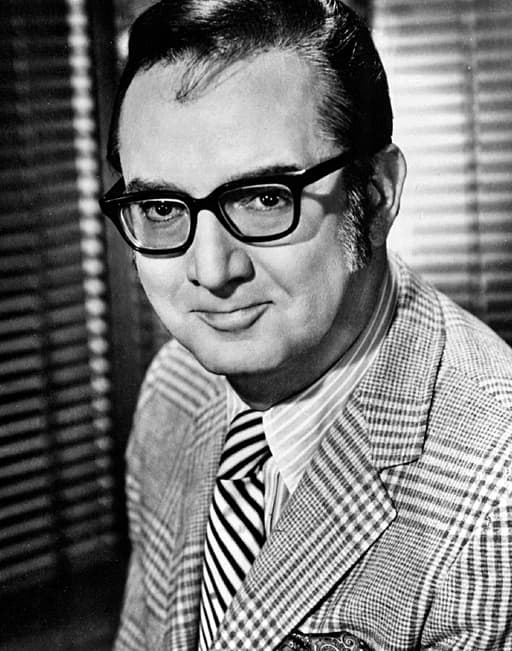
Steve Allen
PERSON
American actor, comedian, musician and presenter (1921–2000)
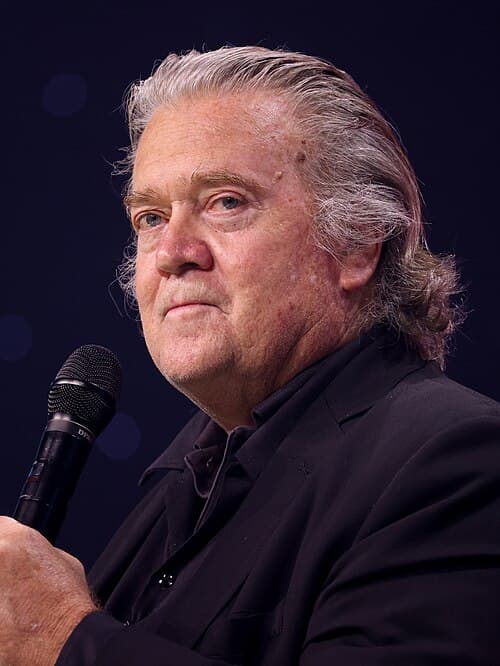
Steve Bannon
PERSON • 2 mentions
American media executive & political strategist (born 1953)

Steven Marcato
PERSON
Name reference in documents
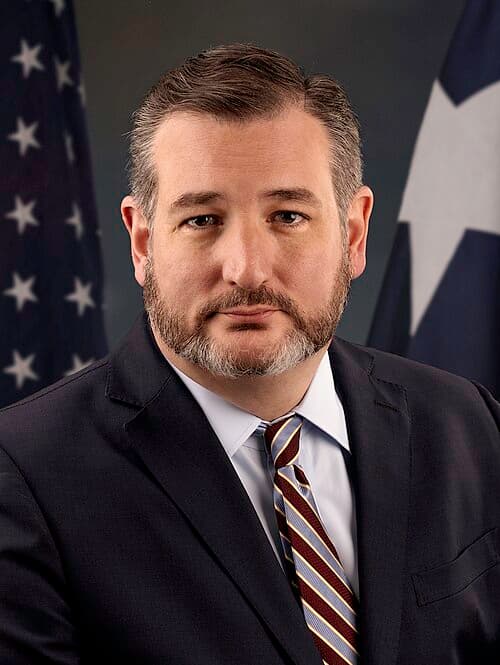
Ted Cruz
PERSON
American politician (born 1970)
Terry Southern
PERSON
American writer (1924–1995)
TE
Trumpo the Elephant
PERSON
Name reference in documents
Vladimir Lenin
PERSON
Founding leader of the Soviet Union from 1922 to 1924 (1870–1924)
Vladimir Putin
PERSON
2nd and 4th President of Russia (2000-2008, 2012-present), 7th and 11th Prime Minister of Russia (1999-2000, 2008-2012), Director of the Federal Security Service (1998-1999) and Deputy Mayor of Saint Petersburg (1994-1996)
WW
Wallace Wood
PERSON
American comic strip cartoonist and illustrator (1927–1981)
WI
Wilcock
PERSON
Surname or name fragment in documents
Dept of Energy
ORGANIZATION
Organization referenced in documents

Fantagraphics
ORGANIZATION
Comics publishing company
LOOK Magazine
ORGANIZATION
Organization referenced in documents
PBS News Hour
ORGANIZATION
Organization referenced in documents
Random House
ORGANIZATION
American general-interest trade book publisher
Reality
ORGANIZATION
Organization referenced in documents
Religions, Inc
ORGANIZATION
Organization referenced in documents
the Catholic Church
ORGANIZATION
Catholic Church
the New York Press
ORGANIZATION
Organization referenced in documents
The Realist
ORGANIZATION • 2 mentions
Organization referenced in documents
The Realist Archive Project
ORGANIZATION
Organization referenced in documents

The Washington Post
ORGANIZATION
Daily broadsheet newspaper in Washington, D.C.
Town Hall
ORGANIZATION
City hall and performance venue
Ashland
LOCATION
City in Jackson County, Oregon, United States
Earth
LOCATION
Third planet from the Sun in the Solar System
Hawaii
LOCATION
State of the United States of America

Puerto Rico
LOCATION
Unincorporated territory of the United States of America
San Fran-
LOCATION
Location referenced in documents
Washington, D.C.
LOCATION
Capital city of the United States of America
Statistics
Pages:6
Entities:94
Avg. OCR:94.3%
Sponsored