DOJ-COURT-266
DOJ-COURT-266 is a Plaintiff's Reply Memorandum in Support of Motion for Protective Order filed in the United States District Court Southern District of Florida, concerning the case of Jane Doe No. 2 vs. Jeffrey Epstein.
This document outlines the plaintiffs' argument against Jeffrey Epstein's private investigation into their claims, asserting that the investigation is intrusive and intended to reveal the plaintiffs' identities and details of their allegations to their acquaintances. It highlights concerns about the investigators' methods, which are described as aggressive and aimed at informing individuals about the case in a calculated manner. The document references declarations from Jane Doe No. 4 and discusses the investigators targeting individuals connected to the plaintiffs to gather or disseminate information about the case.
Key Highlights
- •The document is a reply memorandum in support of a motion for a protective order.
- •Jeffrey Epstein is the defendant in the case.
- •The plaintiffs argue that Epstein's private investigation is an attempt to harass and intimidate them.
Frequently Asked Questions
Books for Further Reading

Perversion of Justice
Julie K. Brown
Investigative journalism that broke the case open

Filthy Rich
James Patterson
Bestselling account of Epstein's crimes
Glenn M. Anderson, Lyle Cook, Jack Goldberger, et al., Appellants, v. Frank M. Jordan, as Secretary of State of the State of California. U.S. Supreme ... of Record with Supporting Pleadings
Document Information
Bates Range
DOJ-COURT-266
Pages
9
Source
DOJ First Production
Original Filename
266.pdf
Document Content
Page 1 - DOJ-COURT-266_p1
1 UNITED STATES DISTRICT COURT SOUTHERN DISTRICT OF FLORIDA CASE NO.: 08-CV-80119-MARRA/JOHNSON JANE DOE NO. 2, Plaintiff, vs. JEFFREY EPSTEIN, Defendant. ____________________________________/ Related Cases: 08-80232, 08-80380, 08-80381, 08-80994, 08-80993, 08-80811, 08-80893, 09-80469, 09-80591, 09-80656, 09-80802, 09-81092, ____________________________________/ PLAINTIFFS’ JANE DOES 2-7 REPLY MEMORANDUM IN SUPPORT OF MOTION FOR PROTECTIVE ORDER Summary of Argument in Reply Through hyperbole and grandiose statements, Defendant Epstein seeks to mask the true purpose and motive of his private “investigation” into the Plaintiffs’ claims. The private investigators’ activities, some of which have been documented through the Declarations of Jane Doe No. 4,1 1 Jane Doe No. 4 has submitted two Declarations, dated July 17, 2009 and August 14, 2009, respectively. Jane Doe No. 6, Jane Doe No. 7 and Jane Doe No. 4’s sister, Y.B., are not intended to receive information from relevant witnesses, but rather to give information about the Plaintiff to persons who are generally within the Plaintiff’s circle of friends, family and community, but who are unaware that she is a civil Plaintiff making claims of child sex abuse against Jeffrey Epstein. While the investigators may not be stating to these persons directly that the Plaintiff is Case 9:08-cv-80119-KAM Document 266 Entered on FLSD Docket 08/14/2009
Page 2 - DOJ-COURT-266_p2
Page 1 of 9 2 a “Jane Doe” who has brought a civil case against Jeffrey Epstein alleging particular facts of child sexual abuse, they are in a calculated manner through their questions offering information that makes these facts very clear to the persons contacted. They are doing so in an aggressive and obnoxious manner, harassing the persons contacted. These persons are otherwise marginal or peripheral as witnesses, whom one would not expect an investigator to personally contact in a typical case. The Plaintiffs have great fear and concern of their identities being disclosed as Epstein’s victims, and the resulting damage to their reputations. As set forth in the report of Gilbert Kliman, M.D., the release of this information “will foster an exacerbation and magnification of symptoms leading to increased risk of revictimization and retraumatization.” (Exh. A to Motion for Protective Order, DE 226, ¶ 21). By means of his investigators, Defendant Epstein seeks to release this information not publicly through court filings, but person-by-person to the individuals who are either close to Plaintiff or in a position to damage her reputation and who are otherwise unaware of the Plaintiff’s involvement with Epstein. In this manner, it is Defendant’s intent not to defend these cases on their merits, but to intimidate and shame the Plaintiffs into either dismissing their cases or settling them for a nominal sum. This illegitimate strategy can only be thwarted through an appropriate protective order under Fed.R.Civ.P. 26(c). Plaintiffs Have Not Delayed or Stonewalled Defendant in His Nonparty Discovery In support of his use of private investigators in these cases, Defendant falsely accuses Plaintiffs of unreasonably delaying discovery, particularly relating to “the Plaintiffs” medical, psychological, criminal and employment histories, as well as their general backgrounds.” The absurdity of this accusation is reflected in the Court’s recent Order dated August 7, 2009, on the Defendant’s Motion to Compel and/or Identify Jane Doe et al. (DE 253). The Defendant’s Case 9:08-cv-80119-KAM Document 266 Entered on FLSD Docket 08/14/2009
Page 3 - DOJ-COURT-266_p3
Page 2 of 9 3 Motion sought to disclose the Plaintiff’s names in the style of the case or, alternatively, in discovery subpoenas containing the captions of these cases. If the Defendant were allowed to proceed in this manner, anyone receiving a subpoena would readily discover that Plaintiff is a Jane Doe bringing a civil suit against Defendant Epstein. The Court struck a balance between the Plaintiffs’ concerns regarding such disclosure of their identities and the Defendant’s interest in obtaining nonparty discovery, holding that the Plaintiffs shall remain anonymous in the style of the cases and that any nonparty subpoenas must use the caption “In re [plaintiff’s legal name”], and not reference or identify Defendant by name. Accordingly, it was only Defendant’s insistence that standard nonparty subpoenas be issued in these cases without regard to the Plaintiffs’ anonymity that caused Defendant any delay in discovery. Defendant is now free to serve nonparty subpoenas in compliance with the Court’s Order. Plaintiffs have otherwise worked cooperatively with Defendant in providing relevant discovery. Plaintiffs’ counsel initiated a draft of a HIPAA compliant protective order, which was stipulated by the parties and entered by the Court on July 2, 2009. Additionally, Plaintiffs have provided Defendant with extensive discovery from Plaintiff’s forensic psychiatric expert, Dr. Kliman, including videotaped interviews of Plaintiffs, which have been provided to and used by the Defendant’s expert, Richard C.W. Hall, M.D.2 Defendant therefore is not by any stretch being unreasonably delayed or thwarted in obtaining nonparty discovery through the rules of civil procedure on the Plaintiffs’ medical, psychological, criminal and employment histories. The notion that information from private investigators is critical because Plaintiffs are otherwise preventing Defendant from obtaining 2 Plaintiffs have also provided Epstein’s counsel with signed authorizations for school records and Epstein’s counsel is currently requesting them. Case 9:08-cv-80119-KAM Document 266 Entered on FLSD Docket 08/14/2009
Sponsored
Page 4 - DOJ-COURT-266_p4
Page 3 of 9 4 non party discovery is false and misleading.3 • The private investigators are casting a wide net, making personal contacts with friends, acquaintances, employers, and even immediate family members of the Plaintiffs. (See Decls. of Jane Doe No. 7, Jane Doe No. 4 (dated 8-14-09), Jane Doe No. 4’s sister, Y.B.). Defendant is Not Using Investigators for Legitimate Purposes in Good Faith Defendant asserts that private investigators are “one of the most traditional methods [for discovery] in the justice system”, and a “common and well accepted method by which parties seek to obtain information not easily or otherwise obtainable about the claims asserted”. (Defendant’s Response, pp. 4, 6, DE 262). Plaintiffs do not contend that Defendant should be prohibited from using private investigators in good faith, as a defendant might ordinarily do in a case of this nature. The problem and concern raised by Plaintiffs in their Motion for Protective Order is that Defendant is not using private investigators in a good faith effort to obtain relevant evidence, but rather for the ulterior motive of intimidating and harassing the Plaintiffs. The Declarations filed in support of the Plaintiffs’ Motion for Protective Order demonstrate the following: • The private investigators are making personal contacts with employers, asking questions that extend beyond the scope of the Plaintiffs’ employment to the Plaintiffs’ personal and intimate lives, including identities of their current and former boyfriends. (See Decls. of Jane Doe No. 4 (dated 7-17-09) and Jane Doe No. 6). 3 Defendant within the same paragraph of his Response duplicitously discusses the detailed psychological information on Plaintiffs that Defendant has received in discovery, and then asserts that “Plaintiffs have objected to all meaningful discovery.” (Defendant’s Response, pp. 5-6, ¶ 5, DE 262). Case 9:08-cv-80119-KAM Document 266 Entered on FLSD Docket 08/14/2009
Page 5 - DOJ-COURT-266_p5
Page 4 of 9 5 • The private investigators are seeking out the Plaintiffs’ boyfriends apparently to ask intimate questions regarding the Plaintiffs’ sexual histories. (See Decls. of Jane Doe No. 7 and No. 4 (dated 7-17-09 and 8-14-09)). • The private investigators are aggressive and harassing to the persons they contact, including making multiple contacts with a person after being advised that he does not wish to talk to them. (Decl. of Jane Doe No. 4 (dated 8-14-09)). • The private investigators are asking questions of friends and acquaintances transparently designed not to obtain information but to destroy the Plaintiffs’ anonymity. (See Decl. of Jane Doe No. 7) (see also discussion below). Questions asked by one of Epstein’s investigators about Plaintiff Jane Doe No. 7, as set forth in her Declaration, demonstrate the private investigators’ ulterior motive. These questions were as follows: • Was [she] promiscuous in high school? • What was [her] reputation in high school? • How many guys [has she] been with? • Did [she] date older, rich guys? • Did [she] give massages for money? • Who were [her] friends in high school and what is their contact information? (DE 251). The activities of billionaire Epstein with underage girls which have resulted in a criminal conviction, jail sentence and require him to register as a sex offender, have been heavily publicized and are well known. References to “massages” and “older, rich guys” in the questions asked by the investigator effectively inform the person contacted that Jane Doe No. 7 alleges that she is a victim of Defendant Epstein. The investigator is at the same time informing Case 9:08-cv-80119-KAM Document 266 Entered on FLSD Docket 08/14/2009
Page 6 - DOJ-COURT-266_p6
Page 5 of 9 ----- 6 the person contacted that the Plaintiff has brought a civil suit. (See Declaration of Y.B.). The questions asked by the investigator are notable for the information they provide to the contact person. Any information that these individuals would provide in response to the investigator’s questions would be of little if any relevance. For instance, there is no legitimate purpose in asking a friend or acquaintance of the Plaintiff whether the Plaintiff dates “older, rich guys” or gives “massages” for money. Epstein’s plan and scheme of luring underage girls for “massages” was unique, the product of his apparent ingenious creativity in satisfying his perverse desires. No one can seriously contend in these cases that the high school girls who came to Epstein’s mansion were professional or even amateur masseuses who gave massages for money to anyone other than Jeffrey Epstein. Accordingly, the investigator’s questions about whether the Plaintiff provided “massages” to “older, rich guys” is disingenuous, and only serves to link the Plaintiff with Epstein in the mind of the person being questioned. The other questions asked about Jane Doe No. 7 – her reputation in high school, promiscuity, etc. – pertain to the Plaintiff’s sexual contacts with other men, which under Fed.R.Evid. 412 would not be admissible. Rule 412 has served as a basis for the courts to limit discovery of a sexual abuse victim’s sexual history for cogent policy reasons. (See Plaintiffs’ Memorandum in Opposition to Epstein’s Motion to Compel Answers to First Set of Interrogatories, pp. 3-6, DE 93, and cases cited therein).4 4 Epstein’s Motion to Compel Answers to Interrogatories et al., which raises issues concerning discovery of Plaintiffs’ sexual histories, has been briefed and is pending before the Court. It recognizes that the rules of liberal, broad discovery must yield to protect victims of sexual misconduct from unnecessary embarrassment and intrusion into their private lives. A defendant’s investigators should not be allowed to ask a Plaintiff’s friends, acquaintances and family about the Plaintiff’s sexual Case 9:08-cv-80119-KAM Document 266 Entered on FLSD Docket 08/14/2009
Sponsored
Page 7 - DOJ-COURT-266_p7
Page 6 of 9 7 history, thereby evading the limitations on discovery and admissibility found in Rule 412 for the only conceivable purpose of harassing the Plaintiff. Defendant asserts that he seeks to use investigators to ask ex-boyfriends and friends of the Plaintiff specific questions concerning the Plaintiff’s massages and contacts with Epstein, and “whether Plaintiff ever seemed disturbed or traumatized about her alleged experiences with Epstein.” (Defendants’ Response, p. 9, DE 262). Such questions are not reasonably calculated to lead to discoverable information, yet fully identify the Plaintiff to the purported witness as an alleged victim of Epstein bringing a civil case and inform that person of the specific allegations being made by the Plaintiff. Of course, a person who was previously unaware of a Plaintiff’s alleged experiences with Epstein would not be able to meaningfully comment on whether the Plaintiff ever seemed disturbed or traumatized about those experiences. Such questions of nonparties by investigators will, on the other hand, render the Plaintiffs’ anonymity as Jane Does’ meaningless, defeat the Court’s intent to strike an appropriate balance between the Defendant’s discovery and the Plaintiffs’ psychological well being, and otherwise cause the revictimization and retraumatization of the Plaintiffs. Conclusion Plaintiffs respectfully request that an order be entered imposing appropriate restrictions on the activities of the Defendants’ investigators, including without limitation, preventing ex parte contacts with persons not disclosed in Plaintiffs’ discovery responses as having been informed of the allegations made by Plaintiffs. Case 9:08-cv-80119-KAM Document 266 Entered on FLSD Docket 08/14/2009
Page 8 - DOJ-COURT-266_p8
Page 7 of 9 8 Dated: August 14, 2009. Respectfully submitted, By: s/ Stuart S. Mermelstein Stuart S. Mermelstein (FL Bar No. 947245) [email protected] Adam D. Horowitz (FL Bar No. 376980) [email protected] MERMELSTEIN & HOROWITZ, P.A. Attorneys for Plaintiffs 18205 Biscayne Blvd., Suite 2218 Miami, Florida 33160 Tel: (305) 931-2200 Fax: (305) 931-0877 CERTIFICATE OF SERVICE I hereby certify that on August 14, 2009, I electronically filed the foregoing document with the Clerk of the Court using CM/ECF. I also certify that the foregoing document is being served this day to all parties on the attached Service List in the manner specified, either via transmission of Notices of Electronic Filing generated by CM/ECF or in some other authorized manner for those parties who are not authorized to receive electronically Notices of Electronic Filing. /s/ Stuart S. Mermelstein Case 9:08-cv-80119-KAM Document 266 Entered on FLSD Docket 08/14/2009
Page 9 - DOJ-COURT-266_p9
Page 8 of 9 9 SERVICE LIST DOE vs. JEFFREY EPSTEIN United States District Court, Southern District of Florida Jack Alan Goldberger, Esq. [email protected] Robert D. Critton, Esq. [email protected] Bradley James Edwards [email protected] Isidro Manuel Garcia [email protected] Jack Patrick Hill [email protected] Katherine Warthen Ezell [email protected] Michael James Pike [email protected] Paul G. Cassell [email protected] Richard Horace Willits [email protected] Robert C. Josefsberg [email protected] Case 9:08-cv-80119-KAM Document 266 Entered on FLSD Docket 08/14/2009
Entities Mentioned
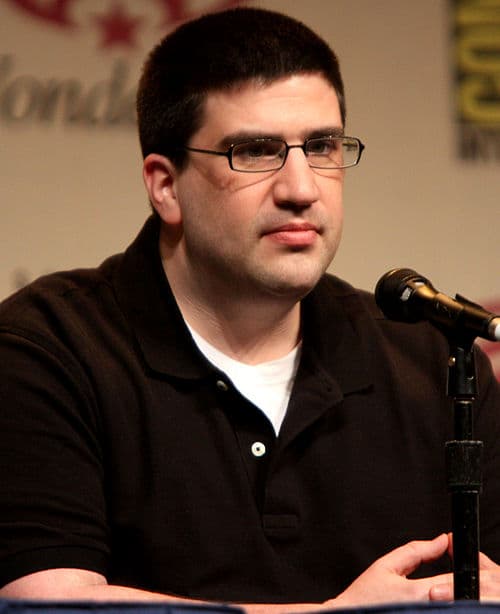
Adam D. Horowitz
PERSON
American attorney specializing in sexual abuse cases, represented multiple Epstein victims
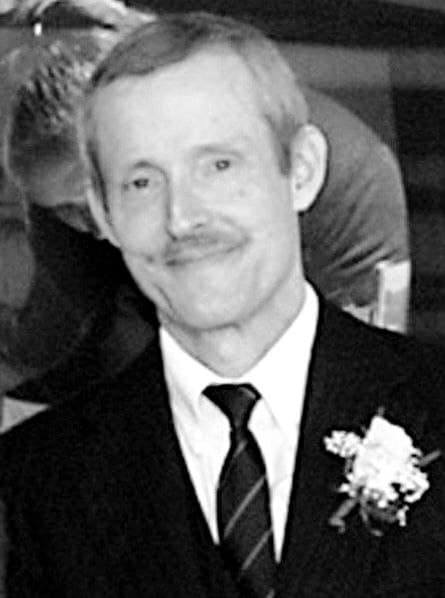
Bradley Edwards
PERSON
American attorney who represented Epstein victims, author of Relentless Pursuit
IG
Isidro Manuel Garcia
PERSON
Person referenced in documents
JG
Jack Goldberger
PERSON • 2 mentions
American criminal defense attorney who represented Jeffrey Epstein, partner at Goldberger Weiss P.A. in West Palm Beach, Florida
JH
Jack Patrick Hill
PERSON
Attorney at Searcy Denney law firm, appeared in Epstein-related legal proceedings
JD
Jane Doe
PERSON
Pseudonym for anonymous victims/witnesses in Epstein legal proceedings

Jeffrey Epstein
PERSON • 4 mentions
American sex offender and financier (1953–2019)
KE
Katherine W. Ezell
PERSON
Person referenced in documents
KW
Katherine Warthen
PERSON
Person referenced in documents
KL
Kliman
PERSON
Surname reference in Epstein-related documents
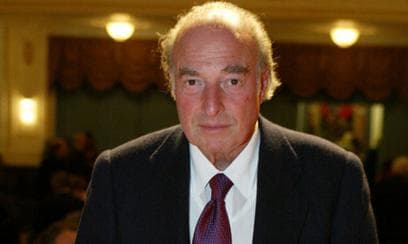
Marc Rich
PERSON
American commodities trader (1934–2013)
MP
Michael J. Pike
PERSON
Person referenced in Epstein-related documents

Paul Cassell
PERSON • 2 mentions
United States federal judge
RH
Richard C.W. Hall
PERSON
Person referenced in documents
RW
Richard Horace Willits
PERSON
Lawyer and former federal prosecutor, represented Epstein in NPA negotiations
RJ
Robert C. Josefsberg
PERSON
Florida criminal defense attorney, appeared in Epstein legal proceedings
RC
Robert D. Critton
PERSON
Individual referenced in Epstein legal documents
SM
Stuart S. Mermelstein
PERSON
Attorney involved in Jeffrey Epstein legal matters.
FL Bar
ORGANIZATION
Organization referenced in documents
Mermelstein & Horowitz
ORGANIZATION
Law firm (Mermelstein & Horowitz)
Statistics
Pages:9
Entities:20
Sponsored