DOJ-FL-HOLD-163
Document DOJ-FL-HOLD-163 is a legal document from the DOJ First Production, pertaining to a case involving the death of Anthony Allen James in Palm Beach County Jail.
This document concerns a petition denial in the case of Allen James, Jr., as the Personal Representative of the Estate of Anthony Allen James, against Richard P. Wille, Sheriff of Palm Beach County. It involves a dispute over a subpoena for deposition and duces tecum served to an assistant state attorney, seeking materials related to the Grand Jury presentation regarding James' death. The District Court of Appeal of Florida denied the petition, upholding a protective order that excluded the disclosure of grand jury materials, as the personal representative had not presented sufficient grounds to justify disclosure of the products of the grand jury’ presentation.
Key Highlights
- •The document relates to a legal dispute over access to Grand Jury materials concerning the death of Anthony Allen James in Palm Beach County Jail.
- •Richard P. Wille, the Sheriff of Palm Beach County, is a key figure in the case.
- •The District Court of Appeal denied the petition to access the Grand Jury materials.
Frequently Asked Questions
Books for Further Reading
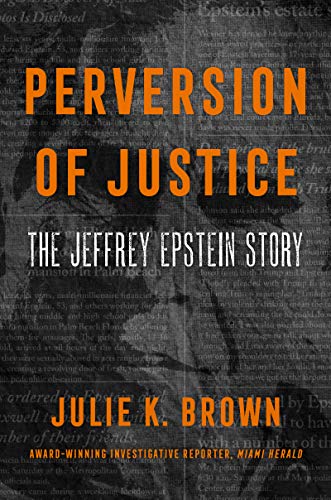
Perversion of Justice: The Jeffrey Epstein Story
Julie K. Brown
Investigative journalism that broke the Epstein case open

Filthy Rich: The Jeffrey Epstein Story
James Patterson
Bestselling account of Epstein's crimes and network
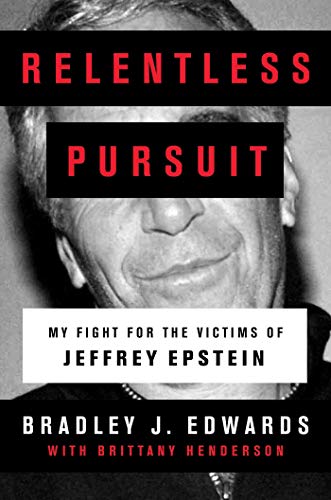
Relentless Pursuit: My Fight for the Victims of Jeffrey Epstein
Bradley J. Edwards
Victims' attorney's firsthand account
Document Information
Bates Range
DOJ-FL-HOLD-163
Pages
3
Source
DOJ First Production
Original Filename
163.pdf
Document Content
Page 1 - DOJ-FL-HOLD-163_p1
James v. Wille, 480 So.2d 253 (1985) 11 Fla. L. Weekly 93 480 So.2d 253 District Court of Appeal of Florida, Fourth District. Allen JAMES, Jr., as the Personal Representative of the Estate of Anthony Allen James, deceased on behalf of said Estate and as the lawful survivor of Anthony Allen James, Petitioner, v. Richard P. WILLE, individually, and as the Sheriff of Palm Beach County and as the Director of Corrections for the Palm Beach County Sheriffs Department, Respondents. No. 85-2259. I Dec. 31,1985. Synopsis Personal representative of decedent served assistant state attorney with subpoena for deposition and duces tecum, and attorney sought protective order to exclude notes, testimony and materials which were product of grand jury presentation regarding death of decedent in county jail. The Circuit Court, Palm Beach County, Mary E. Lupo, J., granted the protective order, and the personal representative petitioned for writ of common-law certiorari. The District Court of Appeal, Glickstein, J., held that the personal representative had not presented sufficient grounds to justify disclosure of the products of the grand jury' presentation. Petition denied. Attorneys and Law Firms duces tecum which recited: “Bring with you your entire investigative file and notes regarding the investigation and presentation to the Grand Jury of the death of ANTHONY ALLEN JAMES, deceased, who died at the Palm Beach County Jail on 7/15/84.” (Emphasis added.) The state sought a protective order, asserting: 3. The Plaintiff deposition duces tecum specifically requires movant to provide notes and materials regarding the presentation to the Grand Jury. Florida Statute 905.27 specifically prohibits testimony or other relevant evidence received by the Grand Jury shall not be disclosed by the Assistant State Attorney except when required by a court for a) ascertaining whether it is consistent with the testimony given by the witness before the Court; or b) determining whether the witness is guilty of perjury; or c) furthering justice. It is a criminal offense to do so without a court order. 4. There has been no showing that there is an exception to Florida Statute 905.27 disclosure that movant is aware of. 5. Personal notes of the Assistant State Attorney are work product and not discoverable. THEREFORE the State ofFlorida requests a Protective Order from this Honorable Court limiting the deposition and duces tecum to exclude notes, testimony, and materials which are a product of Grand Jury presentation, pursuant to Rule 1.280(c) (4). (Emphasis in original.) The trial court granted the motion, prompting the personal representative's present petition for certiorari, which we deny. In denying the petition, we discuss the point raised by the state before the trial court and not the additional point which was *254 Jeffrey M. Liggio, West Palm Beach, for petitioner. David H. Bludworth, State Atty., and Pablo Perhacs, Asst. State Atty., West Palm Beach, for respondent-Bludworth. Opinion GLICKSTEIN, Judge. The personal representative of the decedent, who hanged himself in the Palm Beach County Jail, brought an action against the sheriff. The assistant state attorney who presented the grandjury with evidence in connection with the decedent's death was served with a subpoena for deposition and not considered by the trial court and is raised here for the first time. Accordingly, our sole, present concern is with section 905.27, Florida Statutes (1983). Subsection (1) of the subject statute forbids an assistant state attorney, among others, to disclose the testimony of a witness before a grand jury or other evidence received by the grand jury unless a court requires him to disclose it for one ofthe three stated purposes. Subsection (2) makes it unlawful to publicize such testimony or its contents unless the testimony is or has been disclosed in a court proceeding, and goes on to say who may receive such information when a court has ordered disclosure. The statute states at subsection (3) that a client who testified before a grand jury may tell his lawyer about such testini r Party JOINT- WESTLAW @ 2022 Thomson Reuters. No claim to original U.S. Government Works.ip#. J36 EV#Jjk ’, ’ 'dateadmitted: q/fc/gbZZ. CA/Aronberg-001601 ny or Joint Exhibit J36 - FILED: PALM BEACH COUNTY, FL, JOSEPH ABRUZZO, CLERK. 3^^Q^^S^PM NOT A CERTIFIED COPY James v. Wille, 480 So.2d 253 (1985) 11 Fla. L. Weekly 93 480 So.2d 253 District Court of Appeal of Florida, Fourth District. Allen JAMES, Jr., as the Personal Representative of the Estate of Anthony Allen James, deceased on behalf of said Estate and as the lawful survivor of Anthony Allen James, Petitioner, V. Richard P. WILLE, individually, and as the Sheriff of Palm Beach County and as the Director of Corrections for the Palm Beach County Sheriffs Department, Respondents. No. 85-2259. I Dec. 31, 1985. Synopsis Personal representative of decedent served assistant state attorney with subpoena for deposition and duces tecum, and attorney sought protective order to exclude notes, testimony and materials which were product of grand jury presentation regarding death of decedent in county jail. The Circuit Court, Palm Beach County, Mary E. Lupo, J., granted the protective order, and the personal representative petitioned for writ of common-law certiorari. The District Court of Appeal, Glickstein, J., held that the personal representative had not presented sufficient grounds to justify disclosure of the products of the grand jury presentation. Petition denied. Attorneys and Law Firms *254 Jeffrey M. Liggio, West Palm Beach, for petitioner. David H. Bludworth, State Atty., and Pablo Perhacs, Asst. State Atty., West Palm Beach, for respondent-Bludworth. Opinion GLICKSTEIN, Judge. The personal representative of the decedent, who hanged himself in the Palm Beach County Jail, brought an action against the sheriff. The assistant state attorney who presented the grand jury with evidence in connection with the decedent's death was served with a subpoena for deposition and duces tecum which recited: i'Bring with you your entire investigative file and notes regarding the investigation and presentation to the Grand Ju~, of the death of ANTHONY ALLEN JAMES, deceased, who died at the Palm Beach County Jail on 7/15/84." (Emphasis added.) The state sought a protective order, asserting: 3. The Plaintiff deposition duces tecum specifically requires movant to provide notes and materials regarding the presentation to the Grand Jury. Florida Statute 905.27 specifically prohibits testimony or other relevant evidence received by the Grand Jury shall not be disclosed by the Assistant State Attorney except when required by a court for a) ascertaining whether it is consistent with the testimony given by the witness before the Court; or b) determining whether the witness is guilty of perjury; or c) furthering justice. It is a criminal offense to do so without a court order. 4. There has been no showing that there is an exception to Florida Statute 905.27 disclosure that movant is aware of. 5. Personal notes of the Assistant State Attorney are work product and not discoverable. THEREFORE the State ofFlorida requests a Protective Order from this Honorable Court limiting the deposition and duces tecum to exclude notes, testimony, and materials which are a product of Grand Jury presentation, pursuant to Rule l .280(c) (4). (Emphasis in original.) The trial court granted the motion, prompting the personal representative's present petition for certiorari, which we deny. In denying the petition, we discuss the point raised by the state before the trial court and not the additional point which was not considered by the trial court and is raised here for the first time. Accordingly, our sole, present concern is with section 905.27, Florida Statutes (1983). Subsection (I) of the subject statute forbids an assistant state attorney, among others, to disclose the testimony of a witness before a grand jury or other evidence received by the grand jury unless a court requires him to disclose it for one of the three stated purposes. Subsection (2) makes it uniaJfuI to publicize such testimony or its contents unless the testimony is or has been disclosed in a court proceeding, and goes on to say who may receive such information when a court has ordered disclosure. The statute states at subsection (3) that a client who testified before a grand jury may tell his la~er about such testimo~n.,.vo_r_.__....,. r Party JOINT Joint Exhibit WESTLAW @ 2022 Thomson Reuters. No claim to original U.S. Government Works.10#._llL EV#.JJ.h_ - CA/Aronberg-001601 • • • '□ATEAoMmEo: 9./"/a:il.2.. J36 FILED: PALM BEACH COUNTY, FL, JOSEPH ABRUZZO, CLERK. ~~/ef~~~~~~:l{~ 1PM James v. Wille, 480 So.2d 253 (1985) 11 Fla. L. Weekly 93 anything affecting the client that was discussed in his presence before the grand jury. The rest of the section discusses the criminal nature of the violation, and its penalties. It is true then, according to this statute, that the trial court in a civil case may order disclosure oftestimony or other evidence presented before a grand jury when, for example, it is in the furtherance ofjustice to do so. The statute does not require a trial court to order such disclosure, but only permits it to do so. Whether or not so to order must therefore be discretionary with the trial court. In Gonzalez v. State, 220 So.2d 393 (Fla. 3d DCA 1969), a convicted perjury defendant contended it was reversible error under *255 Brady v. Maryland, 373 U.S. 83, 83 S.Ct. 1194, 10 L.Ed.2d 215 (1963), for the trial court to refuse to compel the state to disclose to him certain testimony or evidence presented to the grand jury. The trial court apparently made an in camera examination of the testimony Gonzalez sought to have discovered, and refused to grant its discovery. The appellate court found no abuse of discretion, finding nothing to suggest the withholding of evidence material to the appellant's guilt or to his punishment. The court also expressed doubt that Brady was intended to apply to testimony before a grand jury. In Jackman v. State, 140 So.2d 627 (Fla. 3d DCA 1962), appellant Jackman contended the trial court erred when it denied his oral motion, grounded on section 905.27, to require the state to produce the testimony of a certain state's witness before the grand jury. The witness had admitted at Jackman's trial that he had lied under oath at an earlier trial. The Jackman appellate court stated the pertinent law as follows: Section 905.27, supra, prohibits disclosure by certain persons of testimony given before a grand jury “except when required by a court to disclose the testimony of a witness examined before the grand jury for the purpose of ascertaining whether it is consistent with that of the witness given before the court * * *.” Under this statute, and the decisions of our courts, it is settled that when the purposes of the secrecy rule are accomplished and a disclosure becomes essential to the attainment ofjustice, the secrecy rule may be relaxed, in the discretion of the court, upon the laying of a proper predicate. See Minton v. State, Fla. 1959, 113 So.2d 361; Trafficante v. State, Fla. 1957, 92 So.2d 811; State ex rel. Brown v. Dewell, 123 Fla. 785, 167 So. 687. The proper procedure in such a case is for the trial judge, once the proper predicate has been laid, to examine the grand jury testimony sought to be disclosed with a view to making a determination of its materiality. Minton v. State, supra; Trafficante v. State, sujjra; Vann v. State, Fla. 1956, 85 So.2d 133. The importance of laying the proper predicate was stressed in Minton v. State, supra, 113 So.2d p. 365, where the court said: “But it is crystal clear that something more than a mere surmise or speculation that a witness's testimony at the trial is inconsistent with that given before the grand jury must be made to appear in order to hold a trial judge in error for refusing to lift the veil of secrecy from the grand jury proceedings. While, in a given case, the reasons for secrecy may no longer obtain, the effect on subsequent grand jury proceedings-on jurors, on witnesses, on the privacy ofthe system itself-of indiscriminate disclosure has been said to be of‘greater moment.’ ” The effect of the cited cases is that it is within the sound judicial discretion of the trial judge to decide whether the proper predicate has been laid to warrant stopping the trial to examine the grandjury testimony to determine its materiality. The record in this case does not disclose an abuse of this discretion by the trial judge in denying appellant Jackman's motion which was predicated solely on the witness' admitted perjury in the trial of another case. Id. at 629. We think the law stated in Jackman is equally applicable in the present case. Although Jackman is a criminal case and the issue there was apparently whether a certain witness' testimony was consistent, and the present case is a civil suit where, hypothetically, discovery might affect the achievement of justice, we believe the party in either type of action must lay a proper predicate for obtaining court permission to examine evidence or testimony that came before a grand jury. When that has been done, the trial court would examine the grand jury evidence or testimony in camera to determine its materiality. WESTLAW @ 2022 Thomson Reuters. No claim to original U.S. Government Works. CA/Aronberg-001602 FILED: PALM BEACH COUNTY, FL, JOSEPH ABRUZZO, CLERK. 3/27/2023 4:20:48 PM NOT A CERTIFIED COPY James v. Wille, 480 So.2d 253 (1985) 11 Fla. L. Weekly 93 anything affecting the client that was discussed in his presence before the grand jury. The rest of the section discusses the criminal nature of the violation, and its penalties. It is true then, according to this statute, that the trial court in a civil case may order disclosure of testimony or other evidence presented before a grand jury when, for example, it is in the furtherance of justice to do so. The statute does not require a trial court to order such disclosure, but only permits it to do so. Whether or not so to order must therefore be discretionary with the trial court. In Gonzalez v. State, 220 So.2d 393 (Fla. 3d DCA 1969), a convicted perjury defendant contended it was reversible error under *255 Brady v. Maryland, 373 U.S. 83, 83 S.ct. 1194, IO L.Ed.2d 215 (1963), for the trial court to refuse to compel the state to disclose to him certain testimony or evidence presented to the grand jury. The trial court apparently made an in camera examination of the testimony Gonzalez sought to have discovered, and refused to grant its discovery. The appellate court found no abuse of discretion, finding nothing to suggest the withholding of evidence material to the appellant's guilt or to his punishment. The court also expressed doubt that Brady was intended to apply to testimony before a grand jury. In Jackman v. State, 140 So.2d 627 (Fla. 3d DCA 1962), appellant Jackman contended the trial court erred when it denied his oral motion, grounded on section 905.27, to require the state to produce the testimony of a certain state's witness before the grand jury. The witness had admitted at Jackman's trial that he had lied under oath at an earlier trial. The Jackman appellate court stated the pertinent law as follows: Section 905.27, supra, prohibits disclosure by certain persons of testimony given before a grand jury "except when required by a court to disclose the testimony of a witness examined before the grand jury for the purpose of ascertaining whether it is consistent with that of the witness given before the court * * * ." Under this statute, and the decisions of our courts, it is settled that when the purposes of the secrecy rule are accomplished and a disclosure becomes essential to the attainment of justice, the secrecy rule may be relaxed, in the discretion of the court, upon the laying of a prope_r predicate. See Minton v. State, Fla. I 959, 113 So.2d 361; Trajjicante v. State, Fla. I 957, 92 So.2d 811; State ex rel. Brown v. Dewell, 123 Fla. 785, 167 So. 687. The proper procedure in such a case is for the trial judge, once the proper predicate has been laid, to examine the grand jury testimony sought fo be disclosed with a view to making a determination of itk materiality. Minton v. State, I supra; Trajjicante v. State, supra; Vann v. State, Fla. I 956, 85 I So.2d 133. The importance of laying the proper predicate was stressed in Minton v. State, supra, 113 So.2d p. 365, where the court said: "But it is crystal clear that something more than a mere surmise or speculation that a witness's testimony at the trial is inconsistent with that given before the grand jury must be made to appear in order to hold a trial judge in error for refusing to lift the veil of secrecy from the grand jury proceedings. While, in a given case, the reasons for secrecy may no longer obtain, the effect on subsequent grand jury proceedings-on jurors, on witnesses, on the privacy of the system itself-of indiscriminate disclosure has been said to be of' greater moment.' " The effect of the cited cases is that it is within the sound judicial discretion of the trial judge to decide whether the proper predicate has been laid to warrant stopping the trial to examine the grand jury testimony to determine its materiality. The record in this case does not disclose an abuse of this discretion by the trial judge in denying appellant Jackman's motion which was predicated solely on the witness' admitted perjury in the trial of another case. Id. at 629. We think the law stated in Jackman is equally applicable in the present case. Although Jackman is a criminal case and the issue there was apparently whether a certain witness' testimony was consistent, and the present case is a civil suit where, hypothetically, discovery might affect the achievement of justice, we believe the party in either type of action must lay a proper predicate for obtaining court pem1ission to examine evidence or testimony that came before a grand jury. When that has been done, the trial court would examine the gran.d jury evidence or testimony in camera to determine its materiality. WESTLAW @ 2022 Thomson Reuters. No claim to original U.S. Government Works. 2 CNAronberg-001602 FILED: PALM BEACH COUNTY, FL, JOSEPH ABRUZZO, CLERK. 3/27/2023 4:20:48 PM James v. Wille, 480 So.2d 253 (1985) 11 Fla. L. Weekly 93 We do not see in the appendix or the petition anything that could be perceived as the laying of a proper predicate for whatever *256 the plaintiffsought to have disclosed that was put in evidence before the grand jury. It is by no means clear why the plaint iff/petitioner thinks he should be allowed access to the investigation information the assistant state attorney presented before the grand jury.1 DELL and WALDEN, JL, concur. All Citations 480 So.2d 253, 11 Fla. L. Weekly 93 Footnotes 1 Respondent observes that petitioner has not sought to ascertain whether the assistant district attorney has notes or other matter in the file or knows anything that was not presented to the grand jury; petitioner simply canceled the deposition. End of Document @ 2022 Thomson Reuters. No claim to original U.S. Government Works. WESTLAW @ 2022 Thomson Reuters. No claim to original U.S. Government Works/ 2 CA/Aronberg-001603 FILED: PALM BEACH COUNTY, FL, JOSEPH ABRUZZO, CLERK. 3/27/2023 4:20:48 PM NOT A CERTIFIED COPY James v. Wille, 480 So.2d 253 (1985) 11 Fla. L. Weekly 93 We do not see in the appendix or the petition anything that could be perceived as the laying of a proper predicate for whatever *256 the plaintiff sought to have disclosed that was put in evidence before the grand jury. It is by no means clear why the plaintiff/petitioner thinks he should be allowed access to the investigation information the assistant state attorney presented before the grand jury. 1 DELL and WALDEN, JJ., concur. I All Citations 480 So.2d 253, 11 Fla. L. Weekly 93 Footnotes -- 1 Respondent observes that petitioner has not sought to ascertain whether the assistant district attorney has notes or other matter in the file or knows anything that was not presented to the grand jury; petitioner simply canceled the deposition. End of Document @ 2022 Thomson Reuters. No claim to original U.S. Government Works. WESTLAW @ 2022 Thomson Reuters. No claim to original U.S. Government Works. 1 CA/Aronberg-001603 FILED: PALM BEACH COUNTY, FL, JOSEPH ABRUZZO, CLERK. 3/27/2023 4:20:48 PM 3
Page 2 - DOJ-FL-HOLD-163_p2
No text available for this page
Page 3 - DOJ-FL-HOLD-163_p3
No text available for this page
Entities Mentioned
BL
Bludworth
PERSON
Name reference in documents
Brady
PERSON
Surname reference in Epstein documents
DB
David H. Bludworth
PERSON
Name reference in documents
DE
Dewell
PERSON
Name reference in documents
Gonzalez
PERSON • 2 mentions
Colombian actor, songwriter, singer, dancer
Jackman
PERSON
Surname reference in Epstein-related documents
Jeffrey Epstein
PERSON
American sex offender and financier (1953–2019)
JL
Jeffrey M. Liggio
PERSON
Name reference in documents
Joseph Abruzzo
PERSON • 2 mentions
Person referenced in documents
MI
Minton
PERSON
Surname reference in documents

Pablo Perhacs
PERSON
Name reference in documents
TR
Trafficante
PERSON
Name reference in documents
TR
Trajjicante
PERSON
Name reference in documents
WI
Wille
PERSON
Surname or name fragment in documents
District Court of Appeal of Florida
ORGANIZATION
Organization referenced in documents
Fla. L. Weekly
ORGANIZATION
Organization referenced in documents
Grand Jury
ORGANIZATION • 2 mentions
Grand jury, legal body for criminal proceedings
U.S. Government
ORGANIZATION
Organization referenced in documents

Florida
LOCATION
State of the United States of America
Mary E. Lupo
LOCATION
Location referenced in documents

Palm Beach County
LOCATION
County in Florida, United States of America
Statistics
Pages:3
Entities:21
Sponsored