Back to Network














3
Shared Docs
3
Same-Page
6 / 3
Mentions
Document Mentions (3 shared documents)
3 mentions1 same-page
Page ?Same page
at a superintelligence will necessarily share any of the final values stereotypically associated with wisdom and intellectual development in humans,” Bostrom wrote. “It is no less possible—and probably technically easier—to build a superintelligence that places final value on nothing but calculating.” And
it has punched the entire world into paperclips. You had to hope someone had remembered to place a “halt” command into is logic somewhere. And though Bostrom’s messianic wire twister is unlikely - of course, no one is going to forget to tell a machine to stop making paperclips - the power of his example is
device that both served a purpose and sent a message. If there was an emotion it conveyed, a feeling that it tickled in the way Bernini’s Apollo and Daphne might inspire terror or joy or faith, it was meant to be awe. Stewart Brand, one of the supporters of the clock and an early member of the New Caste
3 mentions1 same-page
Page ?Same page
calling nuclear engineers “anti-physics.” The purpose of understanding and preventing the risks of AI is to ensure that we can realize the benefits. Bostrom, for example, writes that success in controlling AI will result in “a civilizational trajectory that leads to a compassionate and jubilant use of hum
l of checkmate; the same chessboard and pieces can be used for suicide chess, or indeed many other games still to be invented. Put another way: Where Bostrom imagines humans driven extinct by a putative robot that turns the planet into a sea of paper clips, we humans see this outcome as tragic, 4 Elon Mus
ke sense out of this rapidly emerging field. I asked the essayists to consider: (a) The Zen-like poem “Thirteen Ways of Looking at a Blackbird,” by Wallace Stevens, which he insisted was “not meant to be a collection of epigrams or of ideas, but of sensations.” It is an exercise in “perspectivism,” consi
Sponsored
Mutual Connections (426)
Entities connected to both Bostrom and Daphne Wallace
Jeffrey Epstein
PERSON2 w/ Bostrom·5,876 w/ Daphne
Marc Rich
PERSON3 w/ Bostrom·2,251 w/ Daphne
LB
Leon Black
PERSON3 w/ Bostrom·208 w/ Daphne
Prince Andrew
PERSON4 w/ Bostrom·160 w/ Daphne
Samantha Power
PERSON3 w/ Bostrom·153 w/ Daphne
Julie K. Brown
PERSON3 w/ Bostrom·127 w/ Daphne
George W. Bush
PERSON3 w/ Bostrom·118 w/ Daphne
Woody Allen
PERSON2 w/ Bostrom·119 w/ Daphne
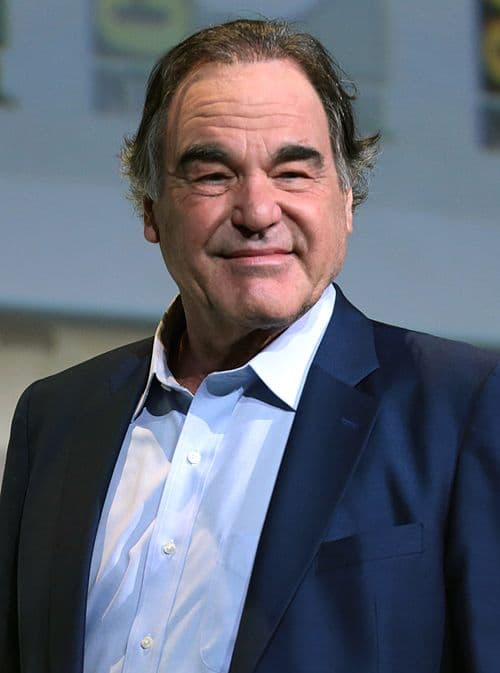
Oliver Stone
PERSON2 w/ Bostrom·110 w/ Daphne
Joe Biden
PERSON3 w/ Bostrom·108 w/ Daphne
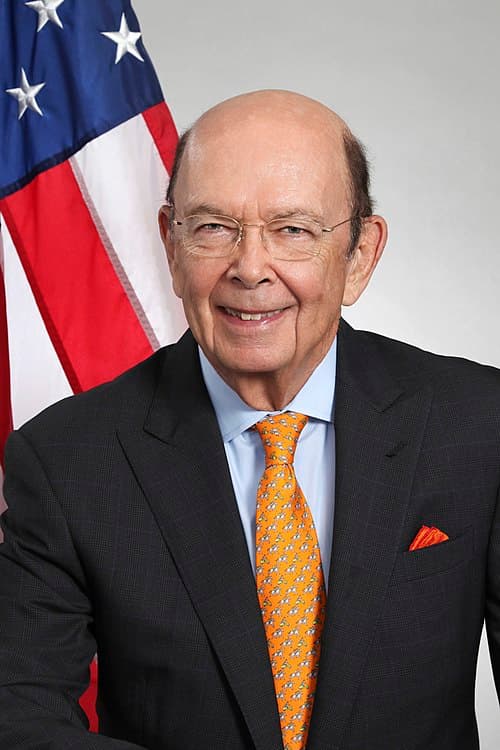
Wilbur Ross
PERSON2 w/ Bostrom·99 w/ Daphne
Donald Trump
PERSON4 w/ Bostrom·90 w/ Daphne
Eric Trump
PERSON3 w/ Bostrom·85 w/ Daphne
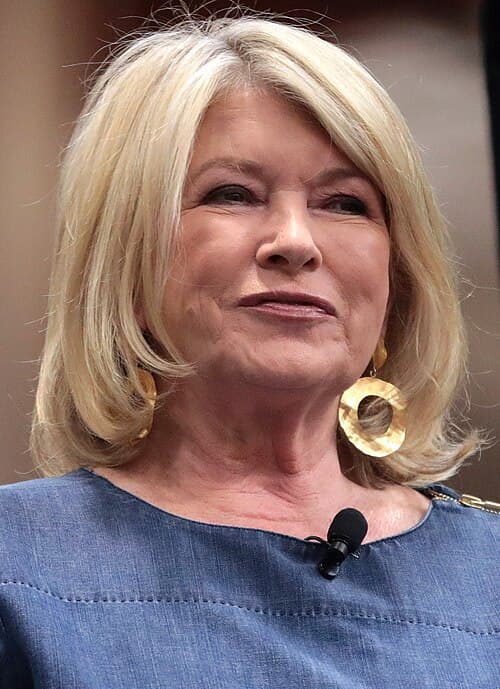
Martha Stewart
PERSON3 w/ Bostrom·85 w/ Daphne
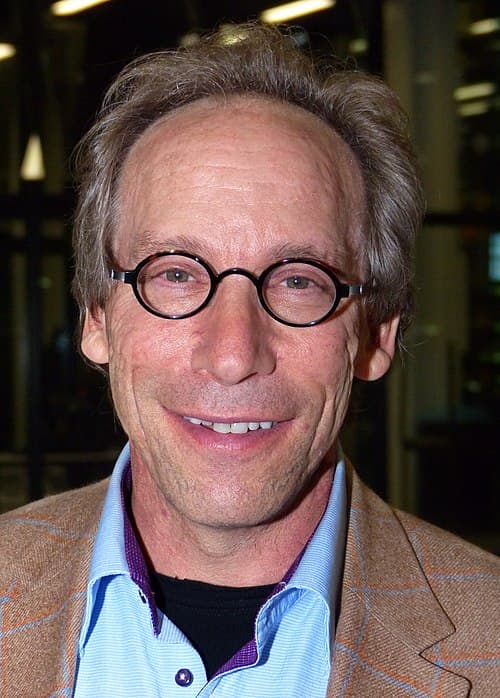
Lawrence Krauss
PERSON3 w/ Bostrom·81 w/ Daphne
Ghislaine Maxwell
PERSON2 w/ Bostrom·70 w/ Daphne
Stephen Hawking
PERSON3 w/ Bostrom·68 w/ Daphne
Barack Obama
PERSON2 w/ Bostrom·56 w/ Daphne
Bradley Cooper
PERSON2 w/ Bostrom·55 w/ Daphne
Alan Dershowitz
PERSON3 w/ Bostrom·54 w/ Daphne