Back to Network




3
Shared Docs
2
Same-Page
6 / 3
Mentions
Document Mentions (3 shared documents)
3 mentions1 same-page
Page HOUSE_OVERSIGHT_031460Same page
connections. The distinction is in the mind of the beholder. Mr. Brotherton offers a sample list of conspiracy theories, including ones alleging that Abraham Lincoln was assis is eden toe orderer rests vite preside ter goverment auspices as fed ident bama is a communist Muslim from Kenya. Such theories are meant t
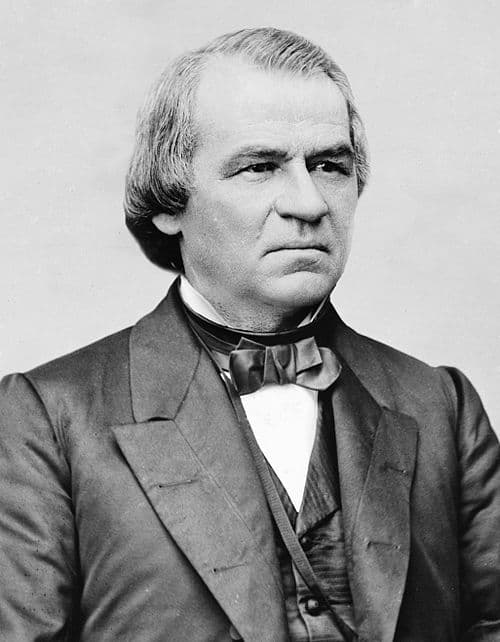
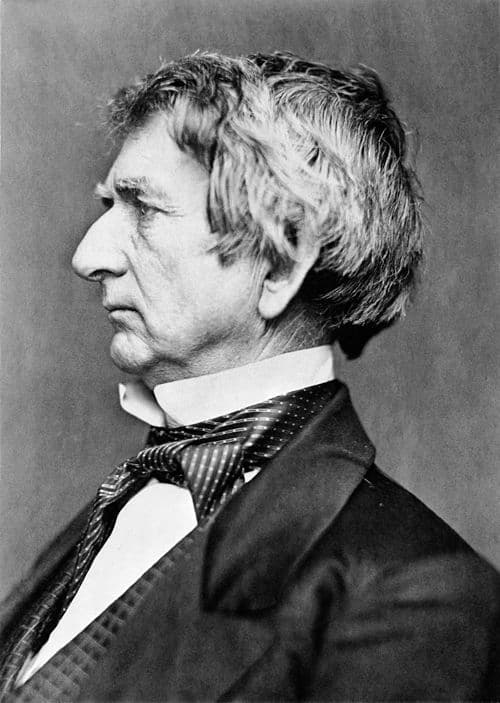
Page: HOUSE_OVERSIGHT_031460 →These are chosen because there is no evidence to support them. The picture changes, however, On April 14, 1865, at about he same time that Booth shot Lincoln, of his associates stabbed Secretary of State William Seward another stalked Vice President Andrew Johnson with a loaded gun. The military commission
Page: HOUSE_OVERSIGHT_031460 →mine a pre-adopted thesis. process evidence. He lucidly reviews studies showing common defects in the brain's wiring, what we expect to find," as Mr. Brotherton puts it. Relatedly, "biased assimilation" causes us to "interpret ambiguous events in light of what we already believe. Discussing Richard Hofstadter
Page: HOUSE_OVERSIGHT_031460 →3 mentions1 same-page
Page ?Same page
onnections. The distinction is in the mind of the beholder. Mr. Brotherton offers a sample list of conspiracy theories, including ones alleging that Abraham Lincoln was assassinated on the orders of his vice president; that the moon landing was faked; that Area 51 in New Mexico is home to extra-terrestrial tech
These are chosen because there is no evidence to support them. The picture changes, however, if we consider, for example, the theory claiming that Lincoln's assassin, John Wilkes Booth was part of a larger conspiracy backed by the Confederacy. On April 14, 1865, at about the same time that Booth shot
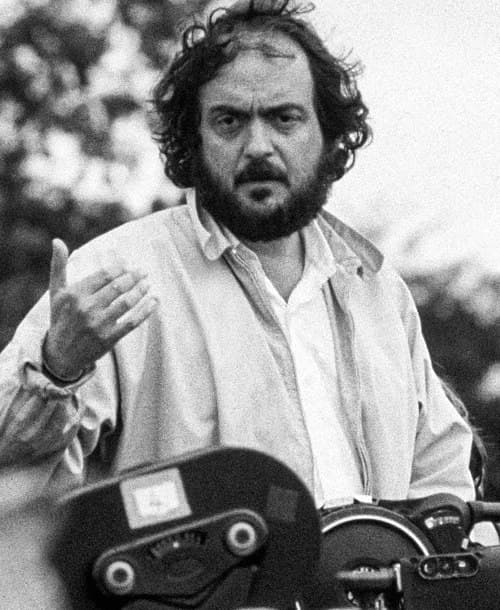
ing a fake Kubrick, was untrue. Why people believe in pseudo-conspiracies is the focus of Rob Brotherton's fascinating book "Suspicious Minds." Mr. Brotherton, an academic psychologist, advances the thesis that the belief in pseudo-conspiracies proceeds from the "quirks and foibles" in the way that the hum
Page HOUSE_OVERSIGHT_031607
uding a fake Kubrick, was untrue. Why people believe in pseudo-conspiracies is the focus of Rob Brotherton's fascinating book "Suspicious Minds." Mr. Brotherton, an academic psychologist, advances the thesis that the belief in pseudo-conspiracies proceeds from the "quirks and foibles" in the way that the huma
Page: HOUSE_OVERSIGHT_031607 →Page HOUSE_OVERSIGHT_031608
connections. The distinction is in the mind of the beholder. Mr. Brotherton offers a sample list of conspiracy theories, including ones alleging that Abraham Lincoln was These are chosen because there is no evidence to support them. The picture changes, however, if we consider, for example, the theory claiming tha
Page: HOUSE_OVERSIGHT_031608 →as These are chosen because there is no evidence to support them. The picture changes, however, if we consider, for example, the theory claiming that Lincoln's assassin, John Wilkes Booth was part of a larger conspiracy backed by the Confederacy. On April 14, 1865, at about the same time that Booth shot Li
Page: HOUSE_OVERSIGHT_031608 →Sponsored
Mutual Connections (20)
Entities connected to both Abraham Lincoln and Brotherton
Jeffrey Epstein
PERSON965 w/ Abraham·3 w/ Brotherton
George W. Bush
PERSON222 w/ Abraham·3 w/ Brotherton
Woody Allen
PERSON222 w/ Abraham·2 w/ Brotherton
John F. Kennedy
PERSON211 w/ Abraham·3 w/ Brotherton
Kenya
LOCATION26 w/ Abraham·2 w/ Brotherton
Edward Snowden
PERSON21 w/ Abraham·3 w/ Brotherton
University of Oxford
ORGANIZATION21 w/ Abraham·2 w/ Brotherton
BO
Booth
PERSON13 w/ Abraham·3 w/ Brotherton
Edward Jay Epstein
PERSON9 w/ Abraham·3 w/ Brotherton
Confederacy
ORGANIZATION9 w/ Abraham·2 w/ Brotherton
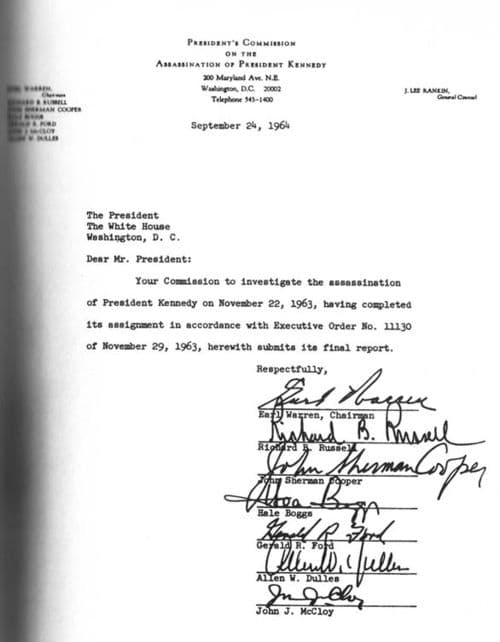
Earl Warren
PERSON5 w/ Abraham·3 w/ Brotherton
Andrew Johnson
PERSON5 w/ Abraham·3 w/ Brotherton
HO
Hofstadter
PERSON4 w/ Abraham·3 w/ Brotherton
the Warren Commission
ORGANIZATION4 w/ Abraham·3 w/ Brotherton
William Seward
PERSON3 w/ Abraham·3 w/ Brotherton
the Center on Law and Security
ORGANIZATION3 w/ Abraham·3 w/ Brotherton
Kubrick
PERSON3 w/ Abraham·3 w/ Brotherton
Brutus
PERSON2 w/ Abraham·2 w/ Brotherton
Cassius
PERSON2 w/ Abraham·2 w/ Brotherton
Julius Caesar
PERSON2 w/ Abraham·2 w/ Brotherton