Back to Network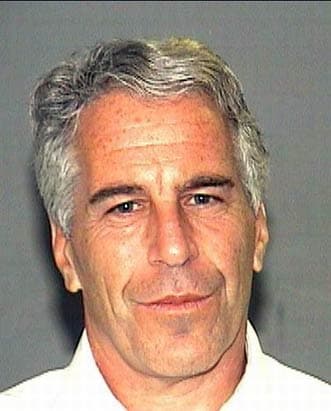
5
Shared Docs
4
Same-Page
5 / 5
Mentions
Document Mentions (5 shared documents)
2 mentions1 same-page
Page ?Same page
ctured around the world on the future of science and its role in society, including at the World Economic Forum, the National Academies of Science, the Royal Society, the National Institutes of Health, the State Department, NASA, the Chinese Ministry of Science and Technology, The Museum of Modern Art, and The
search. He has been featured in many publications world-wide including The New York Times, Nature, Science, The Financial Times, Time, Newsweek and Scientific American and has participated in television productions including Nova, National Geographic and the BBC. His work was selected as a breakthrough idea of 20
2 mentions1 same-page
Page ?Same page
he glass half empty or half full? Stanford Law Review, 34, 901-918. 1983 Loftus, E.F. (1983). Misfortunes of memory. Philosophical Transactions of the Royal Society. London, 302,413-421. Loftus, E.F. (1983). Silence is not golden. American Psychologist, 38, 564-572. Loftus, E.F. (1983). Whose shadow is crooked
ence: The Law and Science of Expert Testimony. St. Paul, MN: West Publishing, p. 535-550. Loftus, E. F. (1997, September). Creating false memories. Scientific American, 277, (3), 70-75. • Reprinted in Boyatzis, C. & Junn, E.N. (2000) Child Growth and Development. NY: McGraw Hill, Chapter 8. Loftus, E. F. (1997).
2 mentions1 same-page
Page ?Same page
edical Research Council Laboratory of Molecular Biology, Cambridge University; recipient of the Nobel Prize in Chemistry (2009); current president of the Royal Society; and the author of Gene Machine: The Race to Discover the Secrets of the Ribosome. HOUSE_OVERSIGHT_016806 Stuart Russell is a professor of computer
of 1988, I visited Heinz and Seth at the Aspen Center for Physics. Their joint work on the subject of complexity was featured in the current issue of Scientific American; they were ebullient. That was just two weeks before Heinz’s tragic death in a hiking accident while descending Pyramid Peak with Seth. They were tal
Sponsored
2 mentions1 same-page
Page ?Same page
edical Research Council Laboratory of Molecular Biology, Cambridge University; recipient of the Nobel Prize in Chemistry (2009); current president of the Royal Society; and the author of Gene Machine: The Race to Discover the Secrets of the Ribosome. HOUSE_OVERSIGHT_016223 Stuart Russell is a professor of computer
of 1988, I visited Heinz and Seth at the Aspen Center for Physics. Their joint work on the subject of complexity was featured in the current issue of Scientific American; they were ebullient. That was just two weeks before Heinz’s tragic death in a hiking accident while descending Pyramid Peak with Seth. They were tal
Page HOUSE_OVERSIGHT_017533
lectured around the world on the future of science and its role in society, including at the World Economic Forum, the National Academies of Science, the Royal Society, the National Institutes of Health, the State Department, NASA, the Chinese Ministry of Science and Technology, The Museum of Modern Art, and The Aca
Page: HOUSE_OVERSIGHT_017533 →Page HOUSE_OVERSIGHT_017561
research. He has been featured in many publications world-wide including The New York Times, Nature, Science, The Financial Times, Time, Newsweek and Scientific American and has participated in television productions including Nova, National Geographic and the BBC. His work was selected as a breakthrough idea of 2007
Page: HOUSE_OVERSIGHT_017561 →Sponsored
Mutual Connections (1,340)
Entities connected to both the Royal Society and Scientific American
Jeffrey Epstein
PERSON16 w/ the·30 w/ Scientific
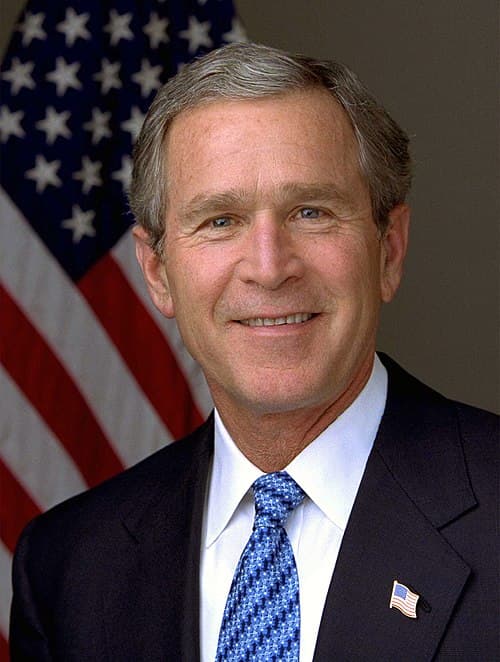
George W. Bush
PERSON12 w/ the·14 w/ Scientific
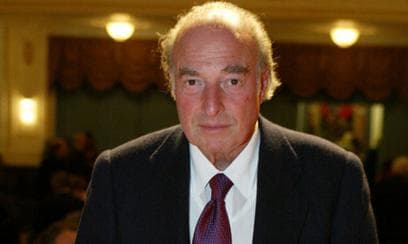
Marc Rich
PERSON10 w/ the·14 w/ Scientific
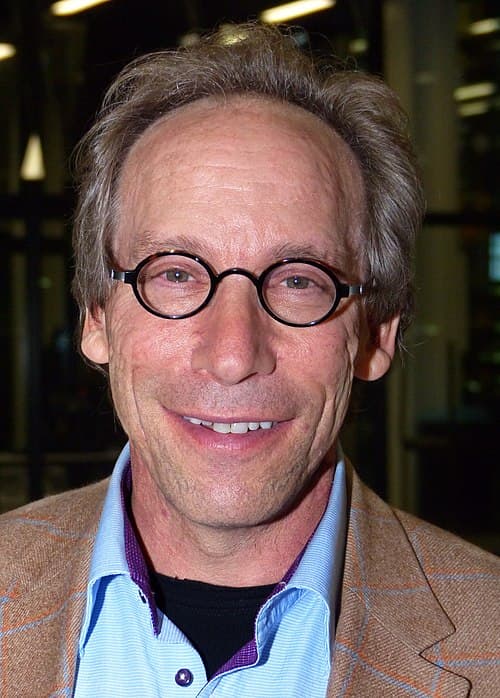
Lawrence Krauss
PERSON10 w/ the·12 w/ Scientific
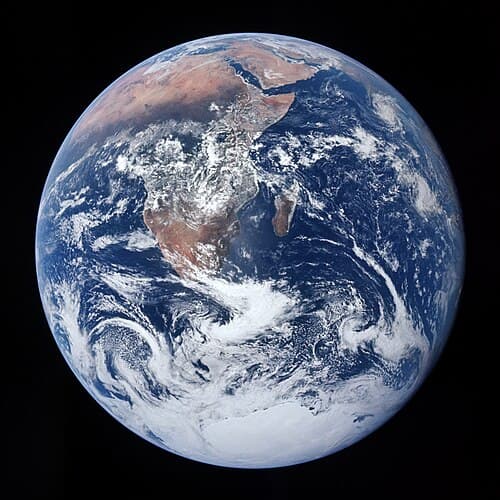
Earth
LOCATION5 w/ the·16 w/ Scientific
John Brockman
PERSON8 w/ the·11 w/ Scientific
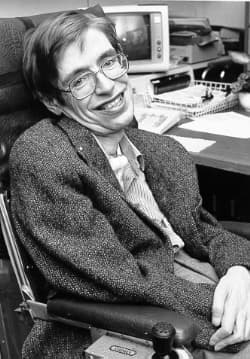
Stephen Hawking
PERSON9 w/ the·9 w/ Scientific
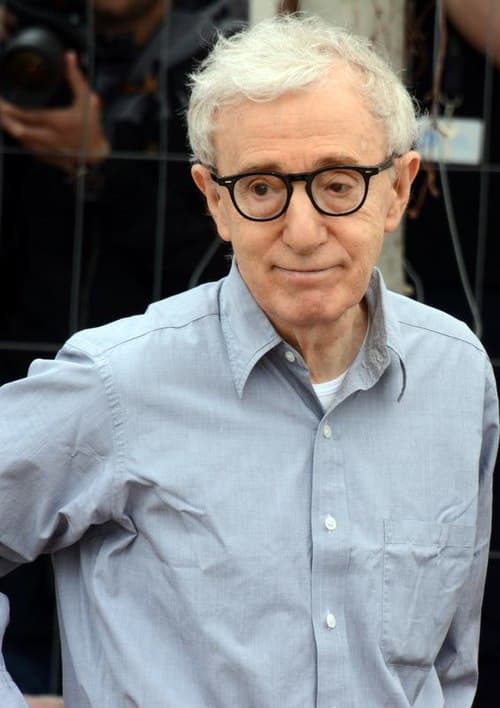
Woody Allen
PERSON13 w/ the·5 w/ Scientific
Julie K. Brown
PERSON7 w/ the·11 w/ Scientific
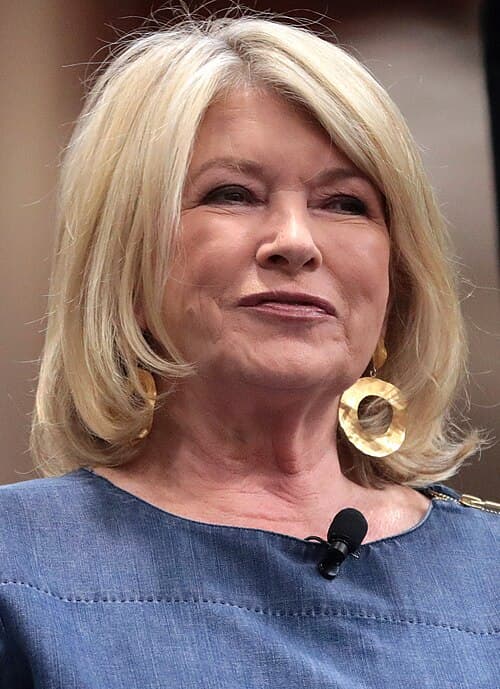
Martha Stewart
PERSON9 w/ the·8 w/ Scientific
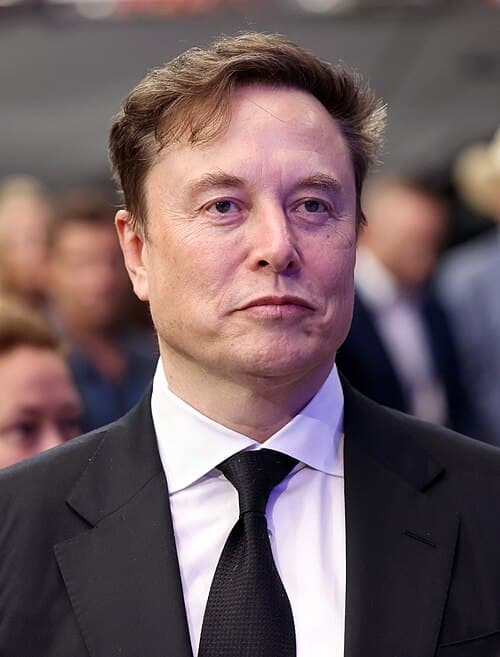
Elon Musk
PERSON11 w/ the·6 w/ Scientific
Harvard University
ORGANIZATION13 w/ the·4 w/ Scientific
LB
Leon Black
PERSON8 w/ the·8 w/ Scientific
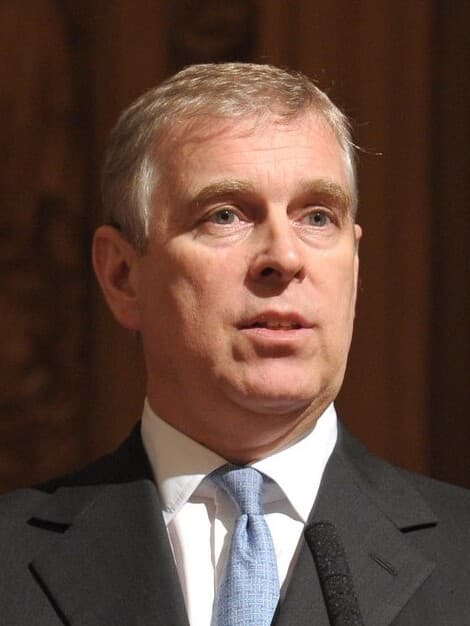
Prince Andrew
PERSON6 w/ the·10 w/ Scientific
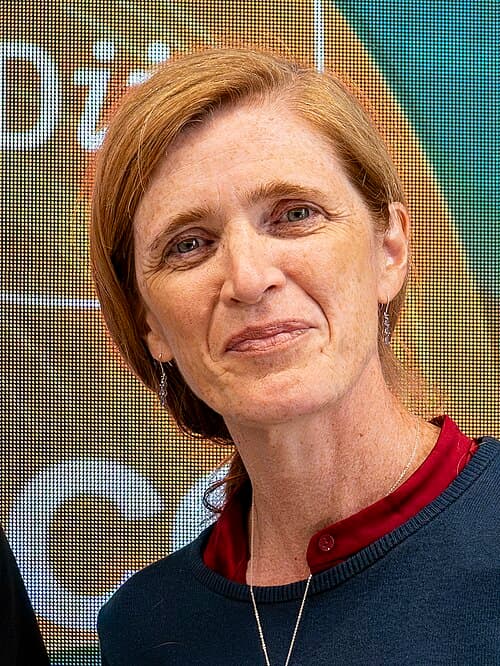
Samantha Power
PERSON6 w/ the·10 w/ Scientific
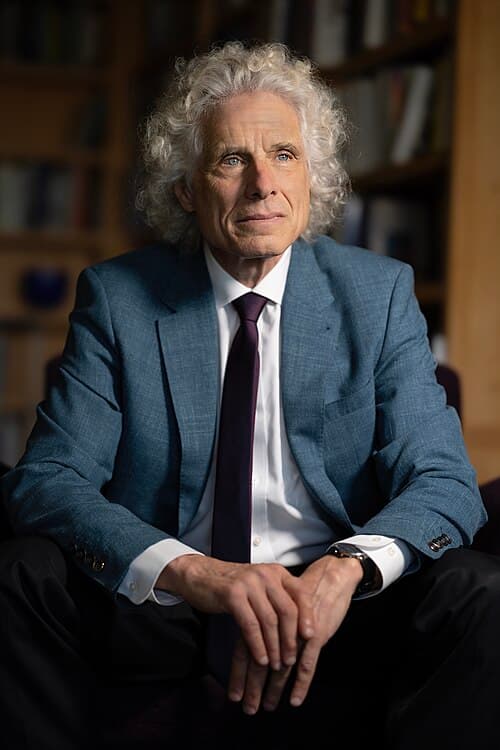
Steven Pinker
PERSON9 w/ the·7 w/ Scientific
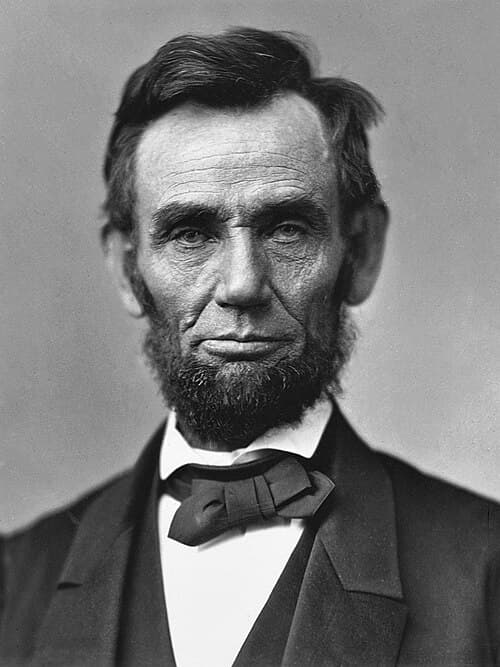
Abraham Lincoln
PERSON13 w/ the·3 w/ Scientific
Alan Dershowitz
PERSON7 w/ the·9 w/ Scientific
Philadelphia
LOCATION5 w/ the·11 w/ Scientific
Barack Obama
PERSON9 w/ the·7 w/ Scientific