Back to Network


5
Shared Docs
5
Same-Page
5 / 5
Mentions
Document Mentions (5 shared documents)
2 mentions1 same-page
Page ?Same page
rt in discussing how a court is to analyze the application of the privilege stated- ... It is for the court to say whether his silence is justified, Rogers v. United States, 1951, 340 U.S. 367, 71 S.Ct. 438, and to require him to answer if 'it clearly appears to the court that he is mistaken.' Temple v
testimonial aspect." United States v. Hubbell, 530 U.S. 27, 36, 120 S.Ct. 2037, 2043 (2000); see also Fisher v. United States, 425 U.S. 391 (1976); McCormick on Evidence, Title 6, Chap. 13. The Privilege Against Self-Incrimination, § 138 (6th Ed.). The privilege against self-incrimination may be asserted
2 mentions1 same-page
Page ?Same page
t in discussing how a court is to analyze the application of the privilege stated - ... It is for the court to say whether his silence is justified, Rogers v. United States, 1951, 340 U.S. 367, 71 S.Ct. 438, and to require him to answer if 'it clearly appears to the court that he is mistaken.' Temple v
testimonial aspect." United States v. Hubbell, 530 U.S. 27, 36, 120 S.Ct. 2037, 2043 (2000); see also Fisher v. United States, 425 U.S. 391 (1976); McCormick on Evidence, Case 9:08-cv-80119-KAM Document 63 Entered on FLSD Docket 03/25/2009 Page 7 of 37 Jane Doe No. 2 v. Epstein Page 7 Title 6, C
2 mentions1 same-page
Page ?Same page
in discussing how a court is to analyze the application of the privilege stated — ... It is for the court to say whether his silence is justified, Rogers v. United States 1951, 340 U.S. 367, 71 S.Ct. 438, and to require him to answer if 'it clearly appears to the court that he is mistaken.' Temple v.
testimonial aspect." United States v. Hubbell 530 U.S. 27, 36, 120 S.Ct. 2037, 2043 (2000); see also Fisher v. United States, 425 U.S. 391 (1976); McCormick on Evidence, Title 6, Chap. 13. The Privilege Against Self-Incrimination, §138 (61h Ed.). The privilege against self-incrimination may be asserted d
Sponsored
2 mentions1 same-page
Page ?Same page
in discussing how a court is to analyze the application of the privilege stated — ... It is for the court to say whether his silence is justified, Rogers v. United States, 1951, 340 U.S. 367, 71 S.Ct. 438, and to require him to answer if 'it clearly appears to the court that he is mistaken.' Temple v
testimonial aspect." United States v. Hubbell, 530 U.S. 27, 36, 120 S.Ct. 2037, 2043 (2000); see ado Fisher v. United States, 425 U.S. 391 (1976); McCormick on Evidence, Title 6, Chap. 13. The Privilege Against Self-Incrimination, §138 (6th Ed.). The privilege against self-incrimination may be asserted d
2 mentions1 same-page
Page ?Same page
in discussing how a court is to analyze the application of the privilege stated — ... It is for the court to say whether his silence is justified, Rogers v. United States 1951, 340 U.S. 367, 71 S.Ct. 438, and to require him to answer if 'it clearly appears to the court that he is mistaken.' Temple v.
testimonial aspect." United States v. Hubbell 530 U.S. 27, 36, 120 S.Ct. 2037, 2043 (2000); see also Fisher v. United States, 425 U.S. 391 (1976); McCormick on Evidence, Title 6, Chap. 13. The Privilege Against Self-Incrimination, §138 (61h Ed.). The privilege against self-incrimination may be asserted d
Sponsored
Mutual Connections (545)
Entities connected to both David Rodgers and McCormick
Jeffrey Epstein
PERSON1,492 w/ David·23 w/ McCormick
Ghislaine Maxwell
PERSON422 w/ David·5 w/ McCormick
FedEx
ORGANIZATION302 w/ David·2 w/ McCormick
LB
Leon Black
PERSON245 w/ David·8 w/ McCormick
Marc Rich
PERSON242 w/ David·8 w/ McCormick
Richard Kahn
PERSON243 w/ David·4 w/ McCormick
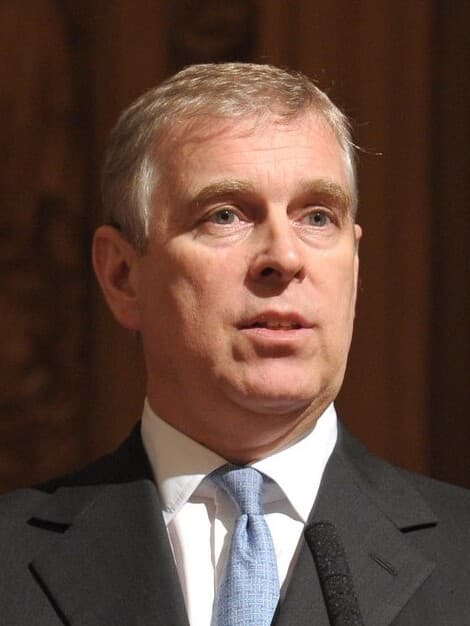
Prince Andrew
PERSON236 w/ David·9 w/ McCormick
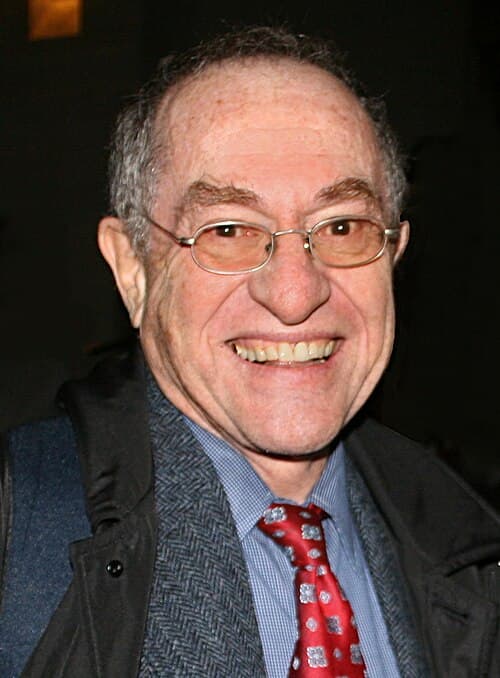
Alan Dershowitz
PERSON207 w/ David·11 w/ McCormick
Eric Trump
PERSON201 w/ David·6 w/ McCormick
United States
LOCATION179 w/ David·11 w/ McCormick
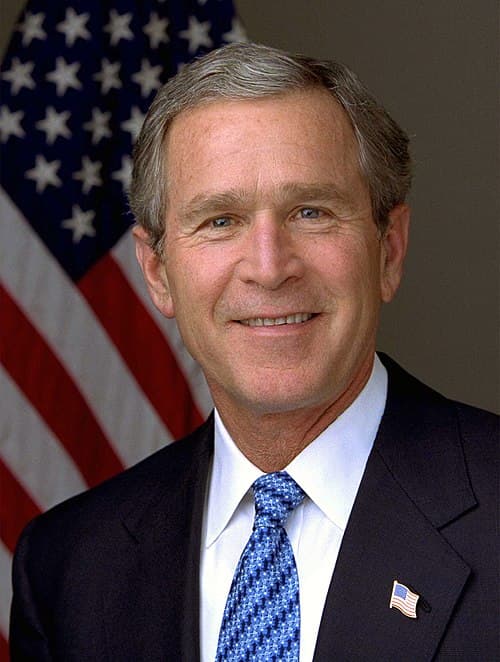
George W. Bush
PERSON175 w/ David·8 w/ McCormick
Donald Trump
PERSON170 w/ David·8 w/ McCormick
Woody Allen
PERSON155 w/ David·10 w/ McCormick
Bradley Edwards
PERSON146 w/ David·10 w/ McCormick
George Mitchell
PERSON144 w/ David·6 w/ McCormick
Virginia Giuffre
PERSON135 w/ David·9 w/ McCormick
MF
Maria Farmer
PERSON138 w/ David·5 w/ McCormick
Department of Justice
ORGANIZATION138 w/ David·5 w/ McCormick
John F. Kennedy
PERSON138 w/ David·4 w/ McCormick
Bill Clinton
PERSON138 w/ David·4 w/ McCormick