Back to Network







4
Shared Docs
4
Same-Page
4 / 6
Mentions
Document Mentions (4 shared documents)
3 mentions1 same-page
Page ?Same page
image or recording)—and see if you can extract patterns from them. This approach was carried further by such classic associationists as philosophers David Hume 152 HOUSE_OVERSIGHT_016955 and J. S. Mill and later by behavioral psychologists, like Pavlov and B. F. Skinner. On this view, the abstractness and
e first meeting (in Washington, Connecticut) that preceded the crafting of this book, he commented on the change in how “information” is viewed since Wiener’s time: the military-industrial, Cold War era. Back then, Wiener compared information, metaphorically, to entropy, in that it could not be conserved—
and directed the slaves as they mindlessly (mechanically) churned their oars. The Greek had already migrated into modern English via Latin, going 47 Wiener later had to admit the earlier coinage of the word in 1834 by André-Marie Ampére, who had intended it to mean the “science of government,” a concept
3 mentions1 same-page
Page ?Same page
image or recording)—and see if you can extract patterns from them. This approach was carried further by such classic associationists as philosophers David Hume 152 HOUSE_OVERSIGHT_016372 and J. S. Mill and later by behavioral psychologists, like Pavlov and B. F. Skinner. On this view, the abstractness and
e first meeting (in Washington, Connecticut) that preceded the crafting of this book, he commented on the change in how “information” is viewed since Wiener’s time: the military-industrial, Cold War era. Back then, Wiener compared information, metaphorically, to entropy, in that it could not be conserved—
and directed the slaves as they mindlessly (mechanically) churned their oars. The Greek had already migrated into modern English via Latin, going 47 Wiener later had to admit the earlier coinage of the word in 1834 by André-Marie Ampére, who had intended it to mean the “science of government,” a concept
2 mentions1 same-page
Page ?Same page
intelligence is not the product of an alien invasion. It is an artifact of a particular human culture and reflects the values of that culture.” 3. “David Hume's striking statement ‘Reason Is, and Ought only to Be, the Slave of the Passions’ was written in 1738 [and] was, of course, meant to apply to human rea
at our door.” In the wake of advances in unsupervised, self-improving machine learning, a small but influential community of thinkers is considering Wiener’s words again. In Deep Thinking, John Brockman gathers their disparate visions of where AI might be taking us. The fruit of the long history of Broc
Sponsored
2 mentions1 same-page
Page ?Same page
intelligence is not the product of an alien invasion. It is an artifact of a particular human culture and reflects the values of that culture.” 3. “David Hume's striking statement ‘Reason Is, and Ought only to Be, the Slave of the Passions’ was written in 1738 [and] was, of course, meant to apply to human rea
at our door.” In the wake of advances in unsupervised, self-improving machine learning, a small but influential community of thinkers is considering Wiener’s words again. In Deep Thinking, John Brockman gathers their disparate visions of where AI might be taking us. The fruit of the long history of Broc
Sponsored
Mutual Connections (762)
Entities connected to both David Hume and Wiener
Jeffrey Epstein
PERSON12 w/ David·32 w/ Wiener
George W. Bush
PERSON9 w/ David·23 w/ Wiener
Julie K. Brown
PERSON9 w/ David·15 w/ Wiener
Philadelphia
LOCATION12 w/ David·11 w/ Wiener
LB
Leon Black
PERSON9 w/ David·13 w/ Wiener
John Brockman
PERSON5 w/ David·15 w/ Wiener
Prince Andrew
PERSON8 w/ David·12 w/ Wiener
Virginia Giuffre
PERSON4 w/ David·14 w/ Wiener
DB
Doug Band
PERSON9 w/ David·8 w/ Wiener
Prince Charles
PERSON4 w/ David·13 w/ Wiener
Stephen Hawking
PERSON8 w/ David·8 w/ Wiener
Michael Jackson
PERSON6 w/ David·10 w/ Wiener
Eric Trump
PERSON7 w/ David·9 w/ Wiener
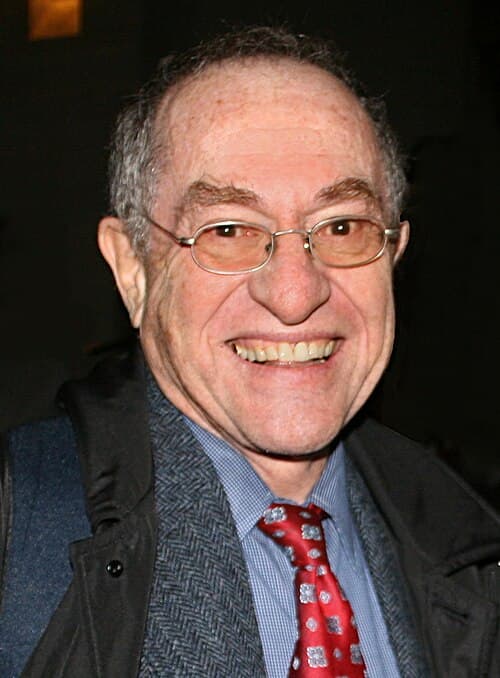
Alan Dershowitz
PERSON7 w/ David·8 w/ Wiener
Harvey Weinstein
PERSON7 w/ David·8 w/ Wiener
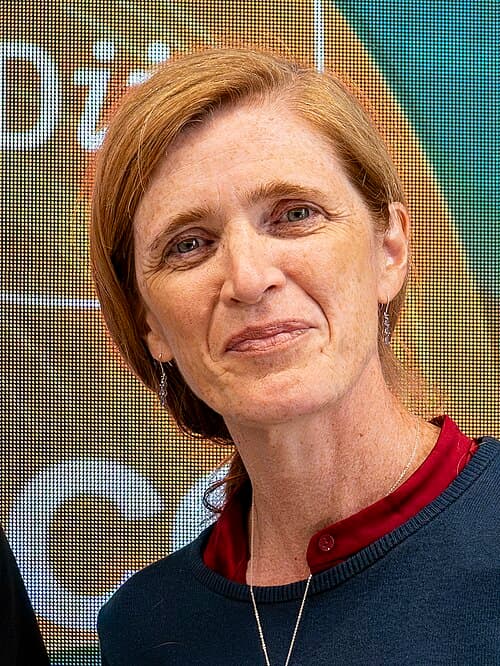
Samantha Power
PERSON7 w/ David·8 w/ Wiener
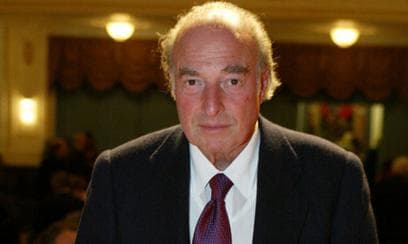
Marc Rich
PERSON10 w/ David·5 w/ Wiener
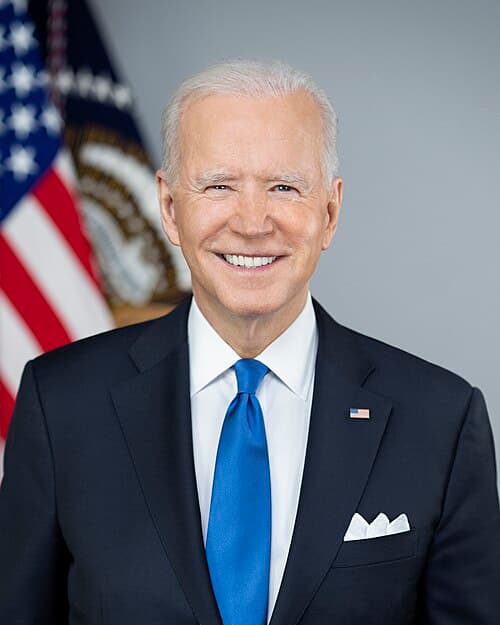
Joe Biden
PERSON6 w/ David·9 w/ Wiener
Daniel Dennett
PERSON5 w/ David·10 w/ Wiener
Martha Stewart
PERSON5 w/ David·10 w/ Wiener