Back to Network





7
Shared Docs
7
Same-Page
7 / 7
Mentions
Document Mentions (7 shared documents)
2 mentions1 same-page
Page ?Same page
ern monists among idealistic philosophers who are a) not materialists and b) not" Eastern". Since "monad" as a philosophical term is associated with Leibnitz, you'll see that it refers to an indivisible "substance," which may seem materialistic, until you discover that one order of this substance is the
ou might want to point out this mystery and also note that material monists must show the exact point when molecules exhibit mind-like behavior. 3. Freeman Dyson, among other physicists, cites the mind-like behavior of subatomic particles as they "choose" and "decide" what state in the wave-particle duality t
2 mentions1 same-page
Page ?Same page
rn monists among idealistic philosophers who are a) not materialists and b) not" Eastern". Since "monad" as a philosophical term is associated with Leibnitz, you'll see that it refers to an indivisible "substance," which may seem materialistic, until you discover that one order of this substance is the s
ou might want to point out this mystery and also note that material monists must show the exact point when molecules exhibit mind-like behavior. 3. Freeman Dyson, among other physicists, cites the mind-like behavior of subatomic particles as they "choose" and "decide" what state in the wave-particle duality t
2 mentions1 same-page
Page ?Same page
ern monists among idealistic philosophers =ho are a) not materialists and b) not" Eastern". Since "mon=d" as a philosophical term is associated with Leibnitz, you'll see that it refers to an indivisible "substance," which m=y seem materialistic, until you discover that one order of this substance =s the
ou might want to point out this mystery and also note that mat=rial monists must show the exact point when molecules exhibit mind-like be=avior. 3. Freeman Dyson, among other physicists, cites the mind-like behavior =f subatomic particles as they "choose" and "decide" wh=t state in the wave-particle duality t
Sponsored
2 mentions1 same-page
Page ?Same page
n monists among idealistic philosoph=rs who are a) not materialists and b) not" Eastern". Since "=monad" as a philosophical term is associated with Leibnitz, you'll see that it refers to an indivisible "substance," whi=h may seem materialistic, until you discover that one order of this substa=ce is the s
ou might want to point out this mystery and also note that mat=rial monists must show the exact point when molecules exhibit mind-like be=avior. 3. Freeman Dyson, among other physicists, cites the mind-like behavior =f subatomic particles as they "choose" and "decide" wh=t state in the wave-particle duality t
2 mentions1 same-page
Page ?Same page
n monists among idealistic philosoph=rs who are a) not materialists and b) not" Eastern". Since "=monad" as a philosophical term is associated with Leibnitz, you'll see that it refers to an indivisible "substance," whi=h may seem materialistic, until you discover that one order of this substa=ce is the s
ou might want to point out this mystery and also note that mat=rial monists must show the exact point when molecules exhibit mind-like be=avior. 3. Freeman Dyson, among other physicists, cites the mind-like behavior =f subatomic particles as they "choose" and "decide" wh=t state in the wave-particle duality t
2 mentions1 same-page
Page ?Same page
rn monists among idealistic philosophers who are a) not materialists and b) not" Eastern". Since "monad" as a philosophical term is associated with Leibnitz, you'll see that it refers to an indivisible "substance," which may seem materialistic, until you discover that one order of this substance is the s
u might want to point out this mystery and also note that material monists must show the exact point when molecules exhibit mind•like behavior. 3. Freeman Dyson, among other physicists, cites the mind-like behavior of subatomic particles as they "choose" and "decide" what state in the wave-particle duality t
Sponsored
2 mentions1 same-page
Page ?Same page
rn monists among idealistic philosophers who are a) not materialists and b) not" Eastern". Since "monad" as a philosophical term is associated with Leibnitz, you'll see that it refers to an indivisible "substance," which may seem materialistic, until you discover that one order of this substance is the s
ou might want to point out this mystery and also note that material monists must show the exact point when molecules exhibit mind-like behavior. 3. Freeman Dyson, among other physicists, cites the mind-like behavior of subatomic particles as they "choose" and "decide" what state in the wave-particle duality t
Sponsored
Mutual Connections (25)
Entities connected to both Leibnitz and Freeman Dyson
Jeffrey Epstein
PERSON7 w/ Leibnitz·39 w/ Freeman
George Dyson
PERSON7 w/ Leibnitz·27 w/ Freeman
Earth
LOCATION6 w/ Leibnitz·15 w/ Freeman
Samantha Power
PERSON7 w/ Leibnitz·10 w/ Freeman
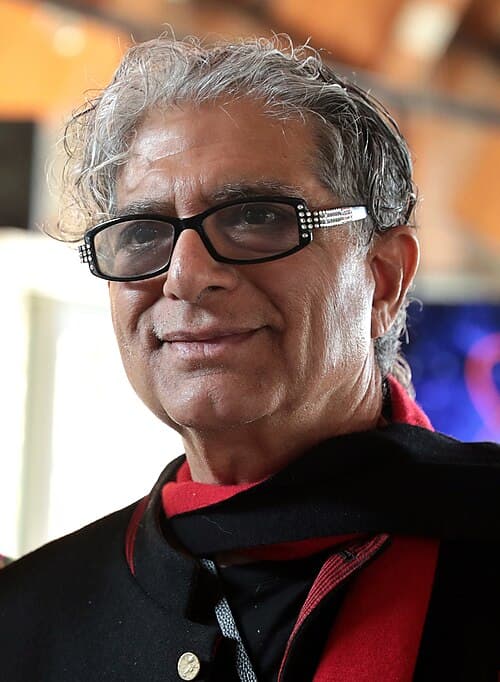
Deepak Chopra
PERSON7 w/ Leibnitz·8 w/ Freeman
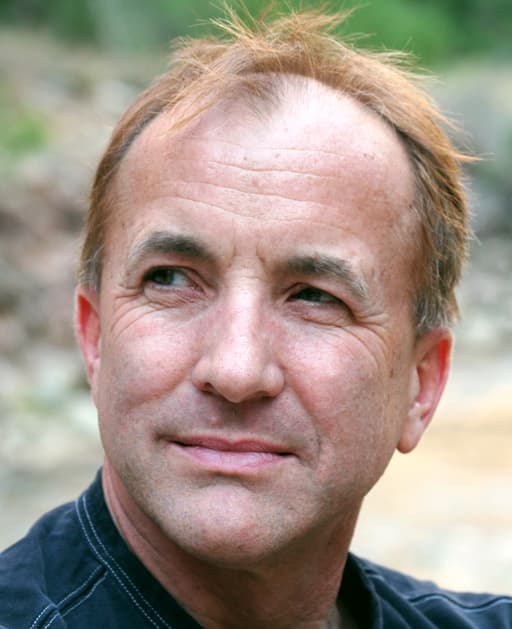
Michael Shermer
PERSON7 w/ Leibnitz·8 w/ Freeman
Deepak
ORGANIZATION7 w/ Leibnitz·7 w/ Freeman
Skeptic Magazine
ORGANIZATION7 w/ Leibnitz·7 w/ Freeman
The Chopra Foundation
ORGANIZATION6 w/ Leibnitz·6 w/ Freeman
Altadena
LOCATION6 w/ Leibnitz·6 w/ Freeman
the Eastern Wisdom Traditions
ORGANIZATION6 w/ Leibnitz·6 w/ Freeman
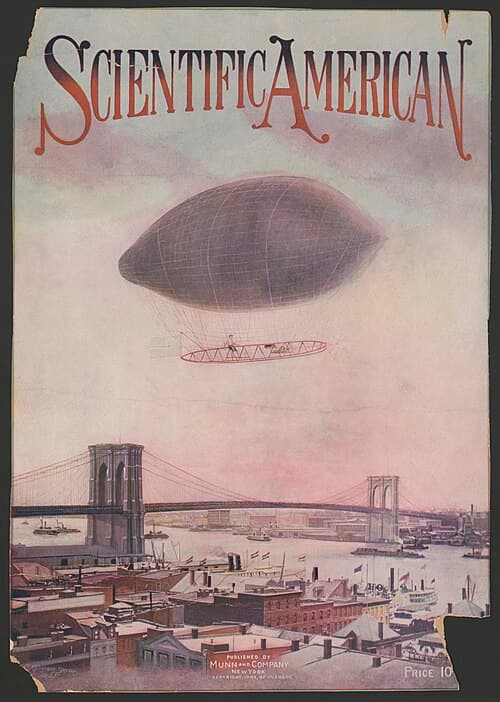
Scientific American
ORGANIZATION3 w/ Leibnitz·8 w/ Freeman
Alan Dershowitz
PERSON2 w/ Leibnitz·9 w/ Freeman
Spinoza
PERSON5 w/ Leibnitz·5 w/ Freeman
Hegel
PERSON5 w/ Leibnitz·5 w/ Freeman
SC
Schopenhauer
PERSON5 w/ Leibnitz·5 w/ Freeman
Carlsbad
LOCATION4 w/ Leibnitz·4 w/ Freeman
Harvey Weinstein
PERSON2 w/ Leibnitz·6 w/ Freeman
Scientific America=
ORGANIZATION3 w/ Leibnitz·3 w/ Freeman
Marc Rich
PERSON2 w/ Leibnitz·4 w/ Freeman