Back to Network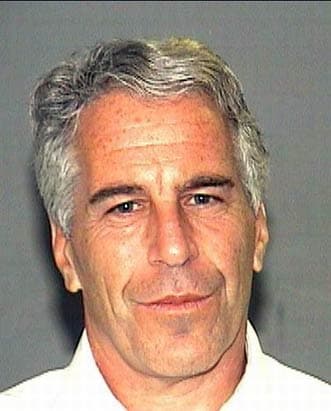










4
Shared Docs
4
Same-Page
4 / 4
Mentions
Document Mentions (4 shared documents)
2 mentions1 same-page
Page ?Same page
M., MRS Bulletin, 2005, 30, 736-742. 929. "Direct Patterning of Mammalian Cells onto Porous Tissue Engineering Substrates using Agarose Stamps", Stevens, M. M., Mayer, M., Anderson, D. G., Weibel, D. B., Whitesides, G. M. and Langer, R., Biomaterials, 2005, 26, 7636-7641. 928. "Imaging Patterns of
esis: A Comprehensive Handbook, K. Drauz and H. Waldmann, Eds., VCH, Weinhelm, 1995, 595-628. 431. "Self-Assembling Materials", Whitesides, G. M., Scientific American, 1995, 273, 146-149. 430. "Enzymes in Synthetic Organic Chemistry", Wong, C.-H. and Whitesides, G. M., Tetrahedron Organic Chemistry Series, J. E.
2 mentions1 same-page
Page ?Same page
de to forensic behavioral sciences (2nd ed.; pp. 199-228). Charles C. Thomas. Davis, D. & Loftus, E.F. (2018) Eyewitness Science in the 21' Century. Stevens' Handbook of Experimental Psychology and Cognitive Neuroscience. Vol 1: Learning and Memory. 4th Ed. Wiley 2019 Loftus, E.F. & Teitcher, J. (2019)
ence: The Law and Science of Expert Testimony. St. Paul, MN: West Publishing, p. 535-550. Loftus, E. F. (1997, September). Creating false memories. Scientific American, 277, (3), 70-75. • Reprinted in Boyatzis, C. & Junn, E.N. (2000) Child Growth and Development. NY: McGraw Hill, Chapter 8. Loftus, E. F. (1997).
2 mentions1 same-page
Page ?Same page
out of this rapidly emerging field. I asked the essayists to consider: (a) The Zen-like poem “Thirteen Ways of Looking at a Blackbird,” by Wallace Stevens, which he insisted was “not meant to be a collection of epigrams or of ideas, but of sensations.” It is an exercise in “perspectivism,” consisting of
of 1988, I visited Heinz and Seth at the Aspen Center for Physics. Their joint work on the subject of complexity was featured in the current issue of Scientific American; they were ebullient. That was just two weeks before Heinz’s tragic death in a hiking accident while descending Pyramid Peak with Seth. They were tal
Sponsored
2 mentions1 same-page
Page ?Same page
out of this rapidly emerging field. I asked the essayists to consider: (a) The Zen-like poem “Thirteen Ways of Looking at a Blackbird,” by Wallace Stevens, which he insisted was “not meant to be a collection of epigrams or of ideas, but of sensations.” It is an exercise in “perspectivism,” consisting of
of 1988, I visited Heinz and Seth at the Aspen Center for Physics. Their joint work on the subject of complexity was featured in the current issue of Scientific American; they were ebullient. That was just two weeks before Heinz’s tragic death in a hiking accident while descending Pyramid Peak with Seth. They were tal
Sponsored
Mutual Connections (687)
Entities connected to both Stevens and Scientific American
Jeffrey Epstein
PERSON67 w/ Stevens·30 w/ Scientific
George W. Bush
PERSON39 w/ Stevens·14 w/ Scientific
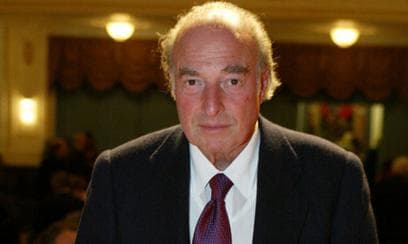
Marc Rich
PERSON32 w/ Stevens·14 w/ Scientific
Julie K. Brown
PERSON35 w/ Stevens·11 w/ Scientific
LB
Leon Black
PERSON35 w/ Stevens·8 w/ Scientific
United States
LOCATION34 w/ Stevens·8 w/ Scientific
Prince Andrew
PERSON27 w/ Stevens·10 w/ Scientific
Virginia Giuffre
PERSON30 w/ Stevens·6 w/ Scientific
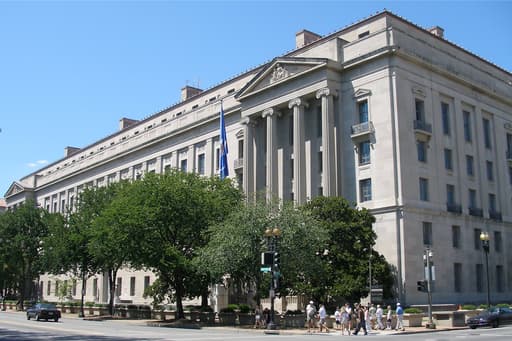
Department of Justice
ORGANIZATION33 w/ Stevens·3 w/ Scientific
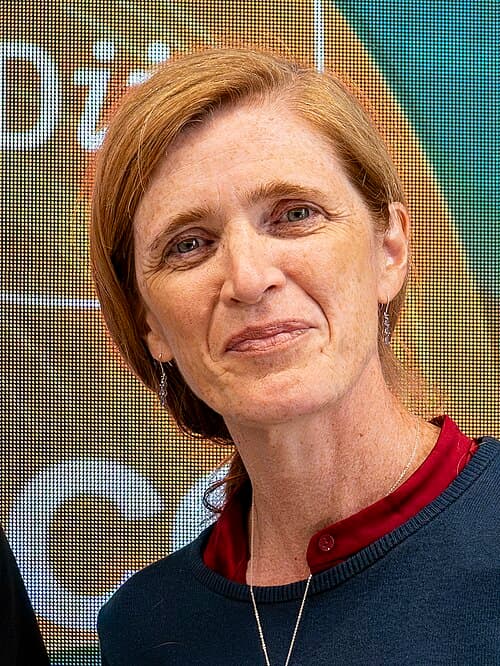
Samantha Power
PERSON24 w/ Stevens·10 w/ Scientific
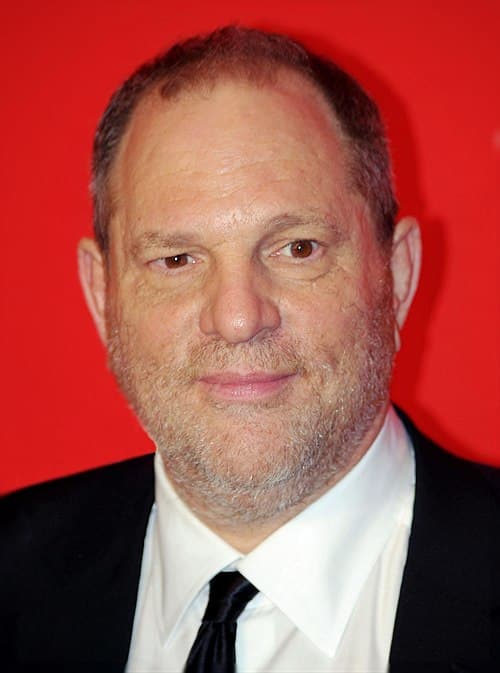
Harvey Weinstein
PERSON23 w/ Stevens·10 w/ Scientific
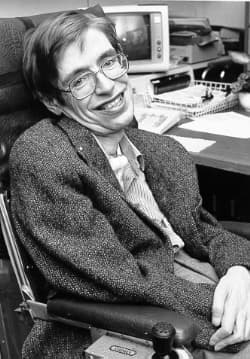
Stephen Hawking
PERSON24 w/ Stevens·9 w/ Scientific
Donald Trump
PERSON26 w/ Stevens·4 w/ Scientific
Martha Stewart
PERSON22 w/ Stevens·8 w/ Scientific
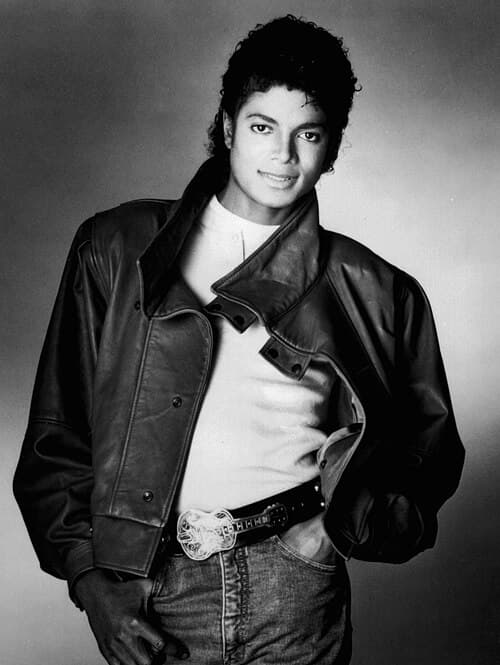
Michael Jackson
PERSON25 w/ Stevens·4 w/ Scientific
Woody Allen
PERSON23 w/ Stevens·5 w/ Scientific
CW
Courtney Wild
PERSON20 w/ Stevens·8 w/ Scientific
Eric Trump
PERSON22 w/ Stevens·6 w/ Scientific
Ghislaine Maxwell
PERSON24 w/ Stevens·3 w/ Scientific
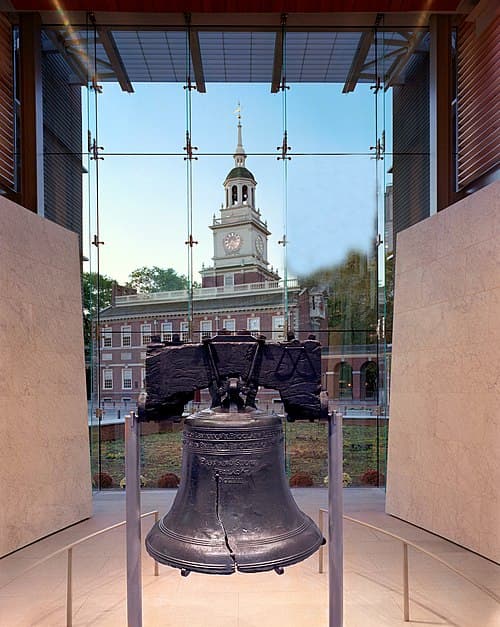
Philadelphia
LOCATION16 w/ Stevens·11 w/ Scientific