Back to Network














5
Shared Docs
5
Same-Page
5 / 5
Mentions
Document Mentions (5 shared documents)
2 mentions1 same-page
Page ?Same page
ich grammatical language, and I suspect that this is the primary enabler of our superior problem solving EFTA00652861 capabilities. > I disagree. Einstein claimed that his greatest discoveries came from mental imagery, and he later converted those thoughts to verbal expressions only with great difficul
WAIS is wrong! > How do you know for sure what the "basics" are? While the literal understanding of the Turing Test leads nowhere (or, well, to the Loebner prize), I think that he had the right idea. Intelligence is reflected in the ability to participate in meaningful discourse, which includes interpr
2 mentions1 same-page
Page ?Same page
ns can learn rich grammatical language, and I suspect that this is the primary enabler of our superior problem solving capabilities. > I disagree. Einstein claimed that his greatest discoveries came from mental imagery, and he later converted those thoughts to verbal expressions only with great difficul
WAIS is wrong! > How do you know for sure what the "basics" are? While the literal understanding of the Turing Test leads nowhere (or, well, to the Loebner prize), I think that he had the right idea. Intelligence is reflected in the ability to participate in meaningful discourse, which includes interpr
2 mentions1 same-page
Page ?Same page
ans can learn =ich grammatical language, and I suspect that this is the primary =nabler of our superior problem solving capabilities. > I disagree. Einstein claimed that his greatest discoveries came from =ental imagery, and he later converted those thoughts to verbal =xpressions only with great difficul
WAIS is wrong! > How do you know for sure what the "basics" are? While the literal understanding of the Turing Test leads nowhere (or, =ell, to the Loebner prize), I think that he had the right idea. =ntelligence is reflected in the ability to participate in meaningful =iscourse, which includes interpre
Sponsored
2 mentions1 same-page
Page ?Same page
ans can learn =ich grammatical language, and I suspect that this is the primary =nabler of our superior problem solving capabilities. » I disagree. Einstein claimed that his greatest discoveries came from =ental imagery, and he later converted those thoughts to verbal =xpressions only with great difficul
llenging) » How do you know for sure what the "basics" are? > While the literal understanding of the Turing Test leads nowhere (or, > =ell, to the Loebner prize), I think that he had the right idea. > =ntelligence is reflected in the ability to participate in meaningful > =iscourse, It may be reflect
2 mentions1 same-page
Page ?Same page
on to win Nobel Prizes for Physics in 1956 and 1968, respectively. There are many similar anecdotes: Apparently stupid people go on to great things. Einstein’s teacher famously stated he would never amount to anything and Sir John Gurdon’s school report said he was ‘too stupid’ for science. He went on to d
exercised free will! A computer cannot do these things. Each year a group of scientists enters a competition run by Cambridge University to win the Loebner prize, a competition to see how close a machine can come to passing the Turing Test. If you can beat the test you win $100,000. So far no one has com
Sponsored
Mutual Connections (59)
Entities connected to both Harvey Weinstein and Loebner
Jeffrey Epstein
PERSON1,137 w/ Harvey·6 w/ Loebner
Prince Andrew
PERSON439 w/ Harvey·2 w/ Loebner
Alan Dershowitz
PERSON272 w/ Harvey·2 w/ Loebner
LB
Leon Black
PERSON253 w/ Harvey·2 w/ Loebner
Marc Rich
PERSON213 w/ Harvey·4 w/ Loebner
Prince Charles
PERSON202 w/ Harvey·2 w/ Loebner
Stephen Hawking
PERSON180 w/ Harvey·6 w/ Loebner
Joe Biden
PERSON180 w/ Harvey·2 w/ Loebner
Virginia Giuffre
PERSON132 w/ Harvey·2 w/ Loebner
Michael Douglas
PERSON95 w/ Harvey·2 w/ Loebner
Supreme Court
ORGANIZATION75 w/ Harvey·2 w/ Loebner
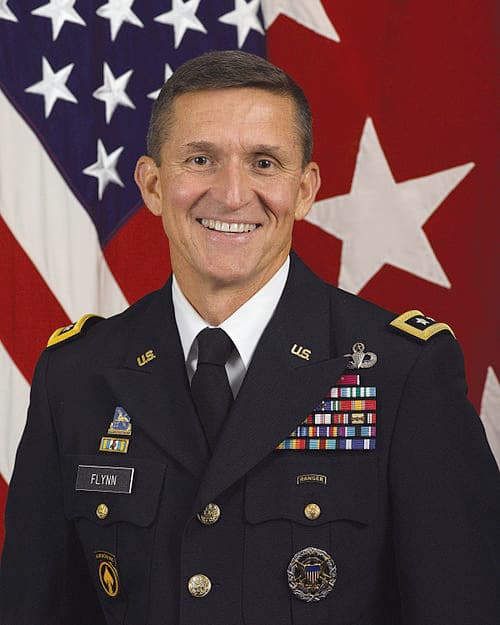
Michael Flynn
PERSON60 w/ Harvey·2 w/ Loebner
Ronald Reagan
PERSON40 w/ Harvey·2 w/ Loebner
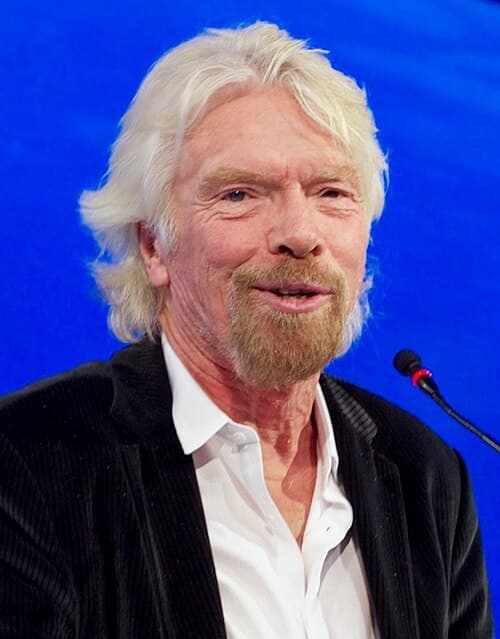
Richard Branson
PERSON33 w/ Harvey·2 w/ Loebner
William Shakespeare
PERSON31 w/ Harvey·2 w/ Loebner
Steven Pinker
PERSON23 w/ Harvey·4 w/ Loebner
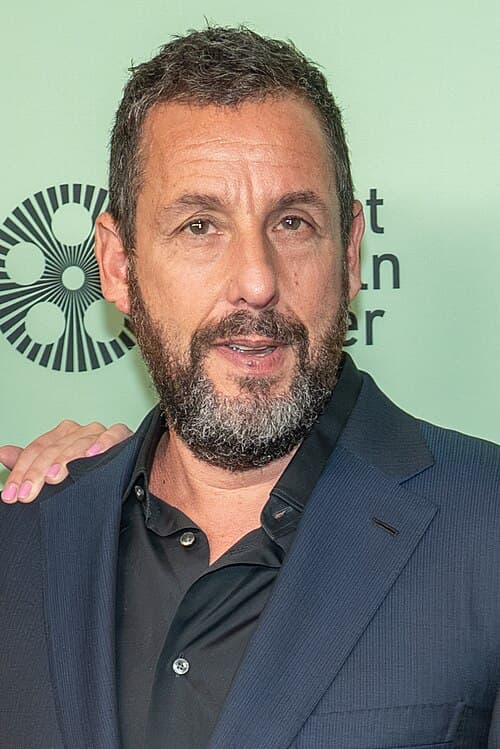
Adam Sandler
PERSON21 w/ Harvey·2 w/ Loebner
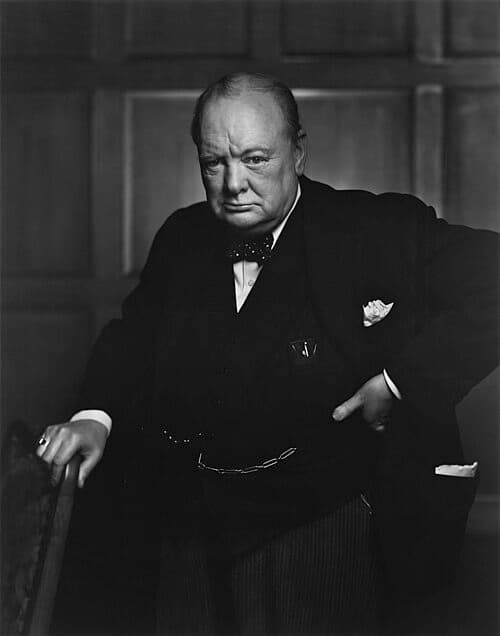
Winston Churchill
PERSON21 w/ Harvey·2 w/ Loebner
Quantum
ORGANIZATION16 w/ Harvey·2 w/ Loebner
Feynman
PERSON14 w/ Harvey·2 w/ Loebner