Back to Network








3
Shared Docs
3
Same-Page
3 / 6
Mentions
Document Mentions (3 shared documents)
3 mentions1 same-page
Page ?Same page
pirical evidence that you can get from there to religious beliefs," says social psychologist Ara Norenzayan of the University of British Columbia, Vancouver, in Canada. Indeed, even if more data are forthcom- ing, such models are a long way from explaining the complex systems of gods and rituals that
that children are predisposed to think that the mind persists even after the death of the body—something that approaches the idea of an afterlife. Bering showed children ages 4 through 12 years old a puppet show in which a crocodile ate a mouse. Then he asked the children questions about the mouse.
that children learn about 3 the afterlife from others. Working in Spain CI E and Madagascar, Harris and colleagues did studies somewhat similar to Bering's, asking g children about the physical and psychological ti states of a person who had died. Older chil- dren and adults were more likely than yo
3 mentions1 same-page
Page ?Same page
mpirical evidence that you can get from there to religious beliefs." says social psychologist Am Norenzayan of the University of British Columbia. Vancouver, in Canada. Indeed, even if more data are forthcom- ing, such models are a long way from explaining the complex systems of gods and rituals that
that children are predisposed to think that the mind persists even after the death of the body—something that approaches the idea of an afterlife. Bering showed children ages 4 through 12 years old a puppet show in which a crocodile ate a mouse. Then he asked the children questions about the mouse.
ty say that children learn about the afterlife from others. Working in Spain and Madagascar, Harris and colleagues did studies somewhat similar to Bering's, asking children about the physical and psychological states of a person who had died. Older chil- dren and adults were more likely than younger
Sponsored
Mutual Connections (59)
Entities connected to both Vancouver and Bering
Marc Rich
PERSON48 w/ Vancouver·4 w/ Bering
Prince Charles
PERSON39 w/ Vancouver·3 w/ Bering
Ghislaine Maxwell
PERSON31 w/ Vancouver·2 w/ Bering
CW
Courtney Wild
PERSON28 w/ Vancouver·3 w/ Bering
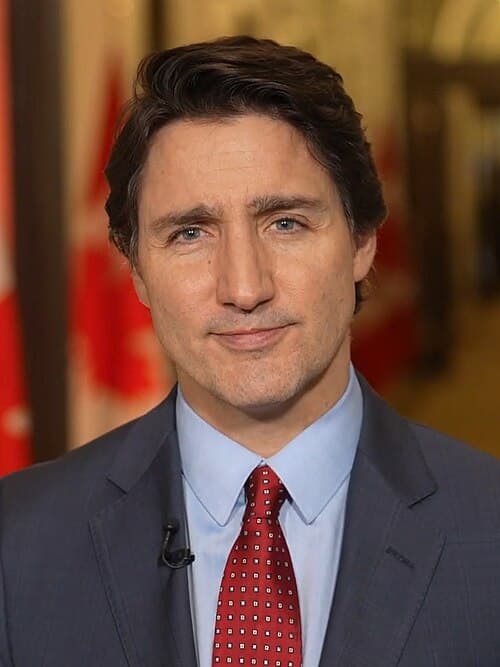
Justin Trudeau
PERSON20 w/ Vancouver·3 w/ Bering
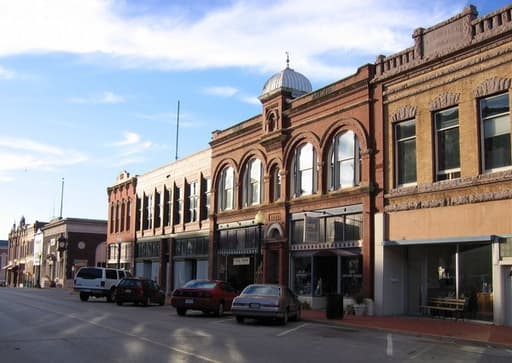
St. Louis
LOCATION15 w/ Vancouver·3 w/ Bering
BA
Barrett
PERSON12 w/ Vancouver·3 w/ Bering
Harvard University
ORGANIZATION12 w/ Vancouver·3 w/ Bering
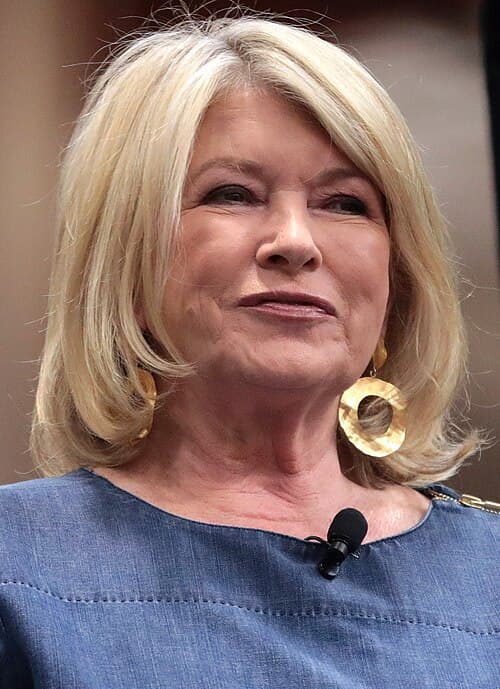
Martha Stewart
PERSON11 w/ Vancouver·3 w/ Bering
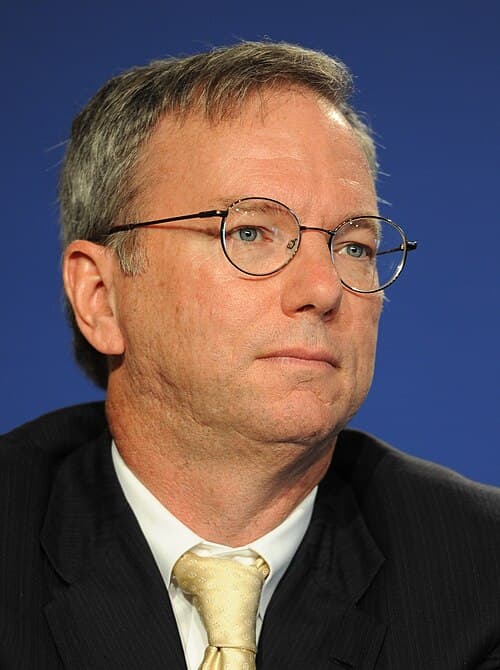
Eric Schmidt
PERSON10 w/ Vancouver·3 w/ Bering
Bethesda
LOCATION10 w/ Vancouver·3 w/ Bering
United Kingdom
LOCATION8 w/ Vancouver·3 w/ Bering
BO
Boyer
PERSON7 w/ Vancouver·3 w/ Bering
Pennsylvania
ORGANIZATION4 w/ Vancouver·3 w/ Bering
University of British Columbia
ORGANIZATION4 w/ Vancouver·3 w/ Bering
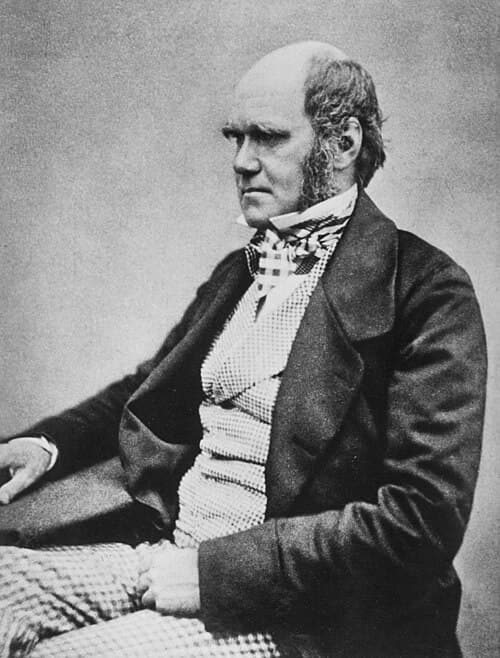
Charles Darwin
PERSON4 w/ Vancouver·3 w/ Bering
Guthrie
PERSON4 w/ Vancouver·3 w/ Bering
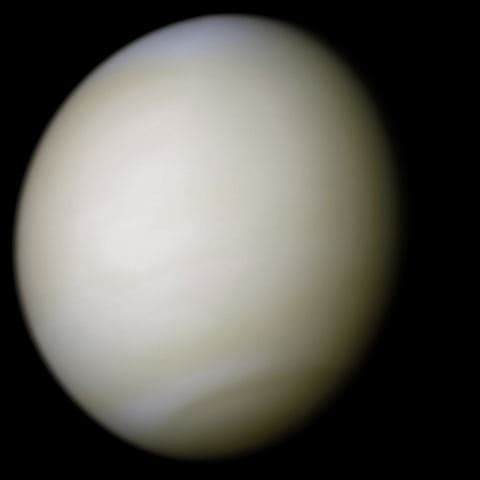
Venus
LOCATION4 w/ Vancouver·3 w/ Bering
Belfast
LOCATION4 w/ Vancouver·3 w/ Bering
the University of Reading
ORGANIZATION3 w/ Vancouver·3 w/ Bering