Back to Network






9
Shared Docs
9
Same-Page
9 / 9
Mentions
Document Mentions (9 shared documents)
2 mentions1 same-page
Page ?Same page
Martindell v. Intl Tel. and Tel Coup., 594 F.2d 291 (2d Cir. 1979) passim Martinez v. McAleenan, 385 F. Stipp. 3d 349 (S.D.N.Y. 2019) 150, 151 Michigan v. Tucker, 417 U.S. 433 (1974) 137 vii EFTA00099948 Miller v. Pate, 386 U.S. 1 (1967) 157, 174, 175 Mills v. Scully, 826 F.2d 1192 (2d Cir
nzburg v. Hayes, 408 U.S. 665 (1972) 110 Bridges v. United States, 346 U.S. 209 (1953) 53 Bronston v. United States, 409 U.S. 352 (1973) 181 Bryson v. United States, 396 U.S. 64 (1969) 147 Burgess v. United States, 552 U.S. 124 (2008) 51 Caplin & Drysdale, Chartered v. United States, 491 U.S. 617 (1989) 1
2 mentions1 same-page
Page ?Same page
Martindell v. Intl Tel. and Tel. Corp., 594 F.2d 291 (2d Cir. 1979) passim Martinez v. McAleenan, 385 F. Supp. 3d 349 (S.D.N.Y. 2019) 150, 151 Michigan v. Tucker, 417 U.S. 433 (1974) 137 vii EFTA00077613 Miller v. Pate, 386 U.S. 1 (1967) 157, 174, 175 Mills v. Scully, 826 F.2d 1192 (2d Cir.
nzburg v. Hayes, 408 U.S. 665 (1972) 110 Bridges v. United States, 346 U.S. 209 (1953) 53 Bronston v. United States, 409 U.S. 352 (1973) 181 Bryson v. United States, 396 U.S. 64 (1969) 147 Burgess v. United States, 552 U.S. 124 (2008) 51 Caplin & Drysdale, Chartered v. United States, 491 U.S. 617 (1989) 1
2 mentions1 same-page
Page ?Same page
ly desirable." Id. at 187. "[T]he Fifth Amendment proscribes only self-incrimination obtained by a `genuine compulsion of testimony.'" Id. (quoting Michigan v. Tucker, 417 U.S. 433, 440 (1974)); see also Washington, 431 U.S. at 187 ("Absent some officially coerced self-accusation, the Fifth Amendment pri
Government could, on pain of criminal sanctions, compel an answer to its incriminating questions, a citizen is not at liberty to answer falsely."); Bryson v. United States, 396 U.S. 64, 72, 90 (1969) (rejecting challenge to false statement prosecution; "[I]t cannot be thought that as a general principle of our law a ci
Sponsored
2 mentions1 same-page
Page ?Same page
Martindell v. Intl Tel. and Tel. Corp., 594 F.2d 291 (2d Cir. 1979) passim Martinez v. McAleenan, 385 F. Supp. 3d 349 (S.D.N.Y. 2019) 150, 151 Michigan v. Tucker, 417 U.S. 433 (1974) 137 vii EFTA00039428 Miller v. Pate, 386 U.S. 1 (1967) 157, 174, 175 Mills v. Scully, 826 F.2d 1192 (2d Cir.
nzburg v. Hayes, 408 U.S. 665 (1972) 110 Bridges v. United States, 346 U.S. 209 (1953) 53 Bronston v. United States, 409 U.S. 352 (1973) 181 Bryson v. United States, 396 U.S. 64 (1969) 147 Burgess v. United States, 552 U.S. 124 (2008) 51 Caplin & Drysdale, Chartered v. United States, 491 U.S. 617 (1989) 1
2 mentions1 same-page
Page ?Same page
ly desirable." Id. at 187. "[T]he Fifth Amendment proscribes only self-incrimination obtained by a `genuine compulsion of testimony.'" Id. (quoting Michigan v. Tucker, 417 U.S. 433, 440 (1974)); see also Washington, 431 U.S. at 187 ("Absent some officially coerced self-accusation, the Fifth Amendment pri
Government could, on pain of criminal sanctions, compel an answer to its incriminating questions, a citizen is not at liberty to answer falsely."); Bryson v. United States, 396 U.S. 64, 72, 90 (1969) (rejecting challenge to false statement prosecution; "[I]t cannot be thought that as a general principle of our law a ci
2 mentions1 same-page
Page ?Same page
l. Corp., 594 F.2d 291 (2d Cir. 1979) 59, 63, 77, 102 Martindell, 594 F.3d 79 Martinez v. McAleenan, 385 F. Supp. 3d 349 (S.D.N.Y. 2019) 104 Michigan v. Tucker, 417 U.S. 433 (1974) 96 Miller v. Pate, 386 U.S. 1 (1967) 108, 117, 118 Mills v. Scully, 826 F.2d 1192 (2d Cir. 1987) 108 Minnesot
anzburg v. Hayes, 408 U.S. 665 (1972) 78 Bridges v. United States, 346 U.S. 209 (1953) 38 Bronston v. United States, 409 U.S. 352 (1973) 121 Bryson v. United States, 396 U.S. 64 (1969) 101 Burgess v. United States, 552 U.S. 124 (2008) 37 Caplin & Drysdale, Chartered v. United States, 491 U.S. 617 (1989) 1
Sponsored
2 mentions1 same-page
Page ?Same page
ly desirable." Id. at 187. "[T]he Fifth Amendment proscribes only self-incrimination obtained by a `genuine compulsion of testimony.'" Id. (quoting Michigan v. Tucker, 417 U.S. 433, 440 (1974)); see also Washington, 431 U.S. at 187 ("Absent some officially coerced self-accusation, the Fifth Amendment pri
Government could, on pain of criminal sanctions, compel an answer to its incriminating questions, a citizen is not at liberty to answer falsely."); Bryson v. United States, 396 U.S. 64, 72, 90 (1969) (rejecting challenge to false statement prosecution; "[I]t cannot be thought that as a general principle of our law a ci
2 mentions1 same-page
Page ?Same page
Martindell v. Intl Tel. and Tel. Corp., 594 F.2d 291 (2d Cir. 1979) passim Martinez v. McAleenan, 385 F. Supp. 3d 349 (S.D.N.Y. 2019) 150, 151 Michigan v. Tucker, 417 U.S. 433 (1974) 137 vii EFTA00103006 Miller v. Pate, 386 U.S. 1 (1967) 157, 174, 175 Mills v. Scully, 826 F.2d 1192 (2d Cir
nzburg v. Hayes, 408 U.S. 665 (1972) 110 Bridges v. United States, 346 U.S. 209 (1953) 53 Bronston v. United States, 409 U.S. 352 (1973) 181 Bryson v. United States, 396 U.S. 64 (1969) 147 Burgess v. United States, 552 U.S. 124 (2008) 51 Caplin & Drysdale, Chartered v. United States, 491 U.S. 617 (1989) 1
2 mentions1 same-page
Page ?Same page
y desirable." Id. at 187. "[T]tle Fifth Amendment proscribes only self-incrimination obtained by a `genuine compulsion of testimony.'" Id. (quoting Michigan v. Tucker, 417 U.S. 433, 440 (1974)); see also Washington, 431 U.S. at 187 ("Absent some officially coerced self-accusation, the Fifth Amendment pri
Government could, on pain of criminal sanctions, compel an answer to its incriminating questions, a citizen is not at liberty to answer falsely."); Bryson v. United States, 396 U.S. 64, 72, 90 (1969) (rejecting challenge to false statement prosecution; "[I]t cannot be thought that as a general principle of our law a ci
Sponsored
Mutual Connections (490)
Entities connected to both Michigan and Bryson v. United States
Jeffrey Epstein
PERSON541 w/ Michigan·10 w/ Bryson
Prince Andrew
PERSON274 w/ Michigan·5 w/ Bryson
Virginia Giuffre
PERSON245 w/ Michigan·6 w/ Bryson
Department of Justice
ORGANIZATION230 w/ Michigan·5 w/ Bryson
Ghislaine Maxwell
PERSON208 w/ Michigan·10 w/ Bryson
Julie K. Brown
PERSON207 w/ Michigan·10 w/ Bryson
United States
LOCATION200 w/ Michigan·10 w/ Bryson
George W. Bush
PERSON201 w/ Michigan·5 w/ Bryson
Colorado
LOCATION187 w/ Michigan·10 w/ Bryson
Michael Jackson
PERSON179 w/ Michigan·10 w/ Bryson
Stephen Hawking
PERSON182 w/ Michigan·5 w/ Bryson
Minnesota
LOCATION157 w/ Michigan·10 w/ Bryson
George Mitchell
PERSON154 w/ Michigan·10 w/ Bryson
Scarlett Johansson
PERSON143 w/ Michigan·10 w/ Bryson
Louisiana
LOCATION145 w/ Michigan·5 w/ Bryson
ET
Emmy Taylor
PERSON144 w/ Michigan·5 w/ Bryson
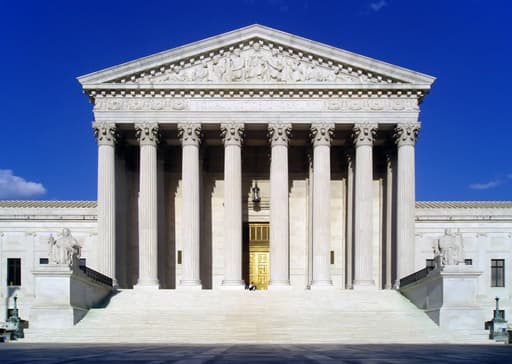
Supreme Court
ORGANIZATION135 w/ Michigan·10 w/ Bryson
North Carolina
LOCATION128 w/ Michigan·10 w/ Bryson
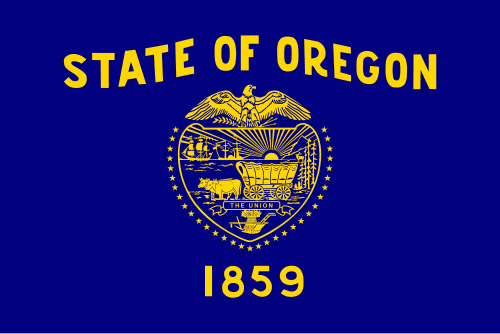
Oregon
LOCATION127 w/ Michigan·10 w/ Bryson
Chris Tucker
PERSON126 w/ Michigan·10 w/ Bryson