Back to Network








5
Shared Docs
5
Same-Page
5 / 5
Mentions
Document Mentions (5 shared documents)
2 mentions1 same-page
Page ?Same page
r 20 years, and in America for twenty years. But in 1960, after the success of Lolita, you moved to France and Switzerland and have not returned to the U. S. since. Does this mean, despite your self-identification as an American writer, that you consider your American period over? I am living in Switzerl
special type of critic, the ferrety, human-interest fiend, the jolly vulgarian. Someone, for instance, discovered telltale affinities between Humbert's boyhood romance on the Riviera and my own recollections about little Colette, with whom I built damp sand castles in Biarritz when I was ten. So
2 mentions1 same-page
Page ?Same page
r 20 years, and in America for twenty years. But in 1960, after the success of Lolita, you moved to France and Switzerland and have not returned to the U. S. since. Does this mean, despite your self-identification as an American writer, that you consider your American period over? I am living in Switzer
that special type of critic, the ferrety, human-interest fiend, the jolly vulgarian. Someone, for instance, discovered telltale affinities between Humbert's boyhood romance on the Riviera and my own recollections about little Colette, with whom I built damp sand castles in Biarritz when I was ten. So
2 mentions1 same-page
Page ?Same page
enty years. But in 1960, EFTA_R1_00451235 EFTA01969775 after the success of Lolita, you moved to France and Switzerland and have not returned to the U. S. since. Does this mean, despite your self-identification as an American writer, that you consider your American period over? I am living in Switzer
special type of critic, the ferrety, human-interest fiend, the jolly vulgarian. Someone, for instance, discovered telltale affinities between Humbert's boyhood romance on the Riviera and my own recollections about little Colette, with whom I built damp sand castles in Biarritz when I was ten. So
Sponsored
2 mentions1 same-page
Page ?Same page
r 20 years, and in America for twenty years. But in 1960, after the success of Lolita, you moved to France and Switzerland and have not returned to the U. S. since. Does this mean, despite your self-identification as an American writer, that you consider your American period over? I am living in Switzer
that special type of critic, the ferrety, human-interest fiend, the jolly vulgarian. Someone, for instance, discovered telltale affinities between Humbert's boyhood romance on the Riviera and my own recollections about little Colette, with whom I built damp sand castles in Biarritz when I was ten. So
2 mentions1 same-page
Page ?Same page
r 20 years, and in America for twenty years. But in 1960, after the success of Lolita, you moved to France and Switzerland and have not returned to the U. S. since. Does this mean, despite your self-identification as an American writer, that you consider your American period over? I am living in Switzer
that special type of critic, the ferrety, human-interest fiend, the jolly vulgarian. Someone, for instance, discovered telltale affinities between Humbert's boyhood romance on the Riviera and my own recollections about little Colette, with whom I built damp sand castles in Biarritz when I was ten. So
Sponsored
Mutual Connections (83)
Entities connected to both United States and Humbert
Marc Rich
PERSON626 w/ United·5 w/ Humbert
Michael Douglas
PERSON238 w/ United·5 w/ Humbert
Glenn Dubin
PERSON143 w/ United·5 w/ Humbert
Maine
LOCATION133 w/ United·5 w/ Humbert
Western Europe
LOCATION49 w/ United·5 w/ Humbert
St. Petersburg
LOCATION47 w/ United·5 w/ Humbert
Southwest
LOCATION27 w/ United·5 w/ Humbert
ME
Meese
PERSON24 w/ United·2 w/ Humbert
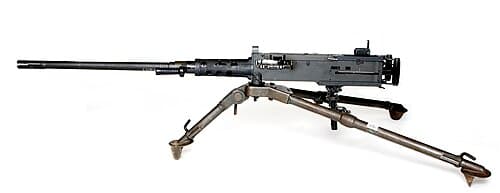
Browning
PERSON18 w/ United·5 w/ Humbert
Siberia
LOCATION18 w/ United·5 w/ Humbert
Eugene
PERSON15 w/ United·5 w/ Humbert
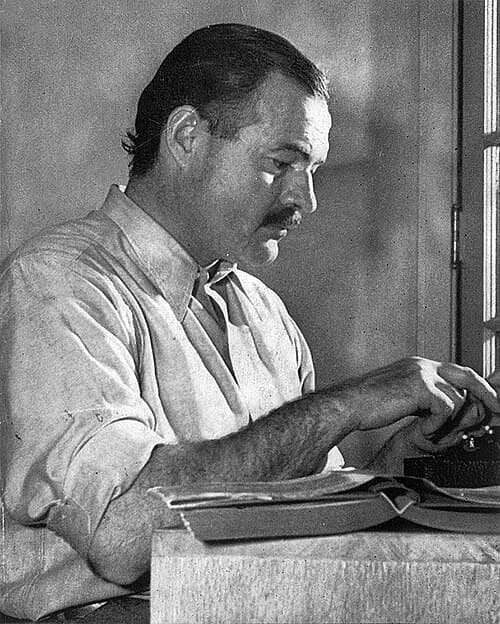
Hemingway
PERSON13 w/ United·5 w/ Humbert
MB
Matt Borges
PERSON13 w/ United·5 w/ Humbert
Riviera
ORGANIZATION13 w/ United·5 w/ Humbert
CO
Conrad
PERSON11 w/ United·5 w/ Humbert
Humble
ORGANIZATION9 w/ United·5 w/ Humbert
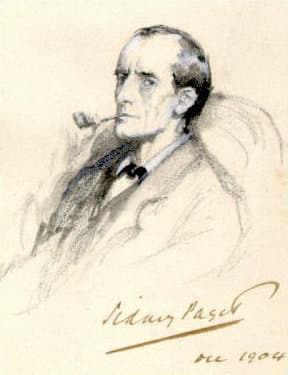
Sherlock Holmes
PERSON9 w/ United·5 w/ Humbert
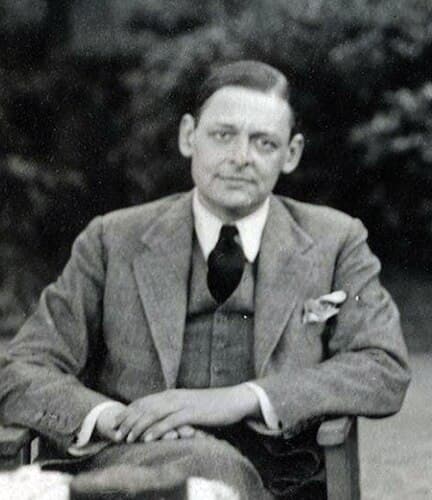
Eliot
PERSON8 w/ United·5 w/ Humbert
Dolly
PERSON8 w/ United·5 w/ Humbert
New Guinea
LOCATION8 w/ United·5 w/ Humbert