Back to Network













3
Shared Docs
2
Same-Page
8 / 3
Mentions
Document Mentions (3 shared documents)
4 mentions1 same-page
Page ?Same page
policies. But the internet in particular was seen as an irresistible force that could render censorship of any kind impossible. In 2000, President Bill Clinton compared China's efforts to control inter- net content to "trying to nail Jell-O to the wall." Third, a growing number of experts began to identify
atements by then secretary of state Hillary Clinton were meant as a signal to the opposition to launch a color revolution in Russia. (The theme of Clinton as the puppet master behind a plot aimed at regime change in Russia was revived during the 2016 U.S. presidential campaign, when the Russian media
ing the 2016 U.S. presidential campaign, when the Russian media displayed a clear preference for Republi- can candidate Donald Trump and disdain for Clinton.3) For Putin, the events of late 2011 and early 2012 were evidence of weakness and political incompetence. A ruling partywhose triumph requires that
and Methods of Modern Authoritarians 7. Military invasions: Russian forces poured into Georgia through its two breakaway territories, Abkhazia and South Ossetia, during a brief con- flict in 2008. In 2014, Russian troops occupied Crimea, oversaw a stage-managed referendum on annexation there, and unofficial
4 mentions1 same-page
Page ?Same page
late 1960s and again in the 1980s, young Europeans took to the streets by the millions to protest American foreign policy. Even in the 1990s, with Bill Clinton and Al Gore in office, the French foreign minister decried the American "hyperpower " while leading intellectual Samuel P. Huntington wrote of a "l
negative. Yet the situation in Syria was no more complex, and the efficacy of a military solution no less obvious, than in Kosovo, where President Clinton ordered U.S. participation in a NATO air campaign in 1999. The public did not support that action at first, either, but Clinton didn't seek a vote
solution no less obvious, than in Kosovo, where President Clinton ordered U.S. participation in a NATO air campaig
de by that promise is unclear. In 2008, he sent Russian forces into neighboring Georgia, ostensibly to protect the secessionist Georgian enclave of South Ossetia; the real goal was to weaken the pro-Western government in Tbilisi. Russia and the West both have legitimate interests in Ukraine and its future.
HOUSE_OVERSIGHT_019233 - HOUSE_OVERSIGHT_019296
FH_Authoritarians_Report_2017.indd
3 mentions
Page HOUSE_OVERSIGHT_019243
al policies. But the internet in particular was seen as an irresistible force that could render censorship of any kind impossible. In 2000, President Bill Clinton compared China's efforts to control inter- net content to “trying to nail Jell-O to the wall.”” Third, a growing number of experts began to identify
Page: HOUSE_OVERSIGHT_019243 →Page HOUSE_OVERSIGHT_019245
statements by then secretary of state Hillary Clinton were meant as a signal to the opposition to launch a color revolution in Russia. (The theme of Clinton as the puppet master behind a plot aimed at regime change in Russia was revived during the 2016 U.S. presidential campaign, when the Russian media d
Page: HOUSE_OVERSIGHT_019245 →Page HOUSE_OVERSIGHT_019282
, and Methods of Modern Authoritarians 7. Military invasions: Russian forces poured into Georgia through its two breakaway territories, Abkhazia and South Ossetia, during a brief con- flict in 2008. In 2014, Russian troops occupied Crimea, oversaw a stage-managed referendum on annexation there, and unofficially
Page: HOUSE_OVERSIGHT_019282 →Sponsored
Mutual Connections (404)
Entities connected to both Bill Clinton and South Ossetia
Jeffrey Epstein
PERSON2,372 w/ Bill·4 w/ South
Prince Andrew
PERSON997 w/ Bill·3 w/ South
Donald Trump
PERSON951 w/ Bill·2 w/ South
George W. Bush
PERSON800 w/ Bill·6 w/ South
Hillary Clinton
PERSON777 w/ Bill·3 w/ South
Barack Obama
PERSON648 w/ Bill·9 w/ South
Marc Rich
PERSON599 w/ Bill·5 w/ South
LB
Leon Black
PERSON566 w/ Bill·5 w/ South
United States
LOCATION528 w/ Bill·8 w/ South
Department of Justice
ORGANIZATION477 w/ Bill·4 w/ South
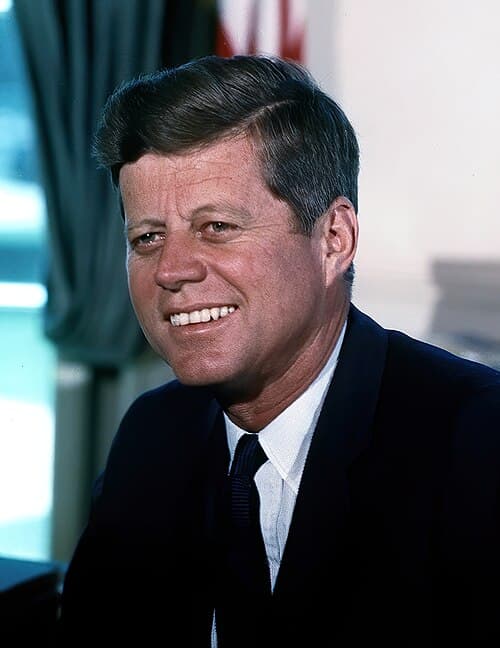
John F. Kennedy
PERSON337 w/ Bill·2 w/ South
Prince Charles
PERSON320 w/ Bill·2 w/ South
Stephen Hawking
PERSON311 w/ Bill·2 w/ South
Bloomberg L.P.
ORGANIZATION252 w/ Bill·2 w/ South
DB
Doug Band
PERSON246 w/ Bill·2 w/ South
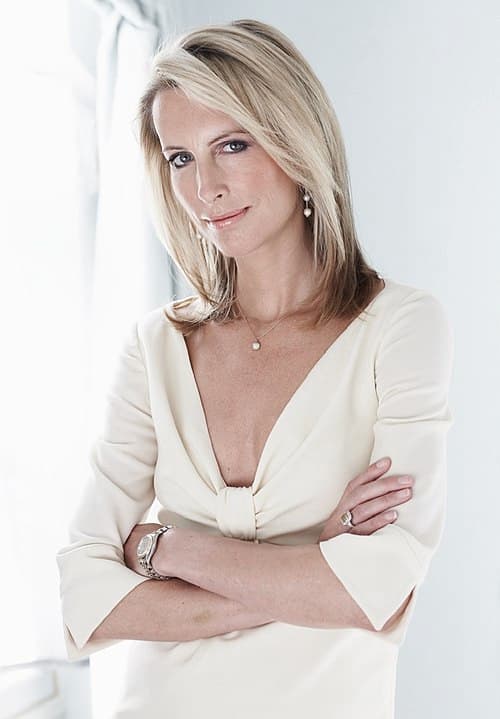
Vicky Ward
PERSON242 w/ Bill·2 w/ South
Vladimir Putin
PERSON231 w/ Bill·9 w/ South
Samantha Power
PERSON228 w/ Bill·3 w/ South
Alfredo Rodriguez
PERSON225 w/ Bill·2 w/ South
Ehud Barak
PERSON222 w/ Bill·2 w/ South