Back to Network

















6
Shared Docs
5
Same-Page
6 / 6
Mentions
Document Mentions (6 shared documents)
2 mentions1 same-page
Page ?Same page
elf remains in the top five of the annual Forbes Rich List, despite pledging to give away more than $3
ntral agents in the economy are humans—predictable, error-prone individuals. Traditional economics assumes rational actors. Early in his research, Thaler realized these Spock-like automatons were nothing like real people.Whether buying an alarm clock, selling football tickets, or applying for a mort
2 mentions1 same-page
Page ?Same page
orians and explorers who will report for us on a rich medley of places and cultures. Jonathan Keates o
entral agents in the economy are humans—predictable, error-prone individuals. Traditional economics assumes rational actors. Early in his research, Thaler realized these Spock-like automatons were nothing like real people. Whether buying an alarm clock, selling football tickets, or applying for a mort
2 mentions1 same-page
Page ?Same page
6-159. Csikszentmihalyi. M. (1999). If we are so rich, why aren't we happy? The American Psychologist.
P. A. (2005). Happiness and physical activity in special populations: Evidence from Korean survey data. Journal of Sports Economics. 11. 136-156. Thaler, R. (1985). Mental accounting and consumer choice. Marketing Science, 4(3), 199-214. Thaler, R. H. (1999). Mental accounting matters. Journal of Be
Sponsored
2 mentions1 same-page
Page ?Same page
that inequality isn't growing simply because the rich are getting richer; more people are moving into
ntral agents in the economy are humans—predictable, error-prone individuals. Traditional economics assumes rational actors. Early in his research, Thaler realized these Spock-like automatons were nothing like real people.Whether buying an alarm clock, selling football tickets, or applying for a mort
2 mentions1 same-page
Page ?Same page
elf remains in the top five of the annual Forbes Rich List, despite pledging to give away more than $3
ntral agents in the economy are humans—predictable, error-prone individuals. Traditional economics assumes rational actors. Early in his research, Thaler realized these Spock-like automatons were nothing like real people.Whether buying an alarm clock, selling football tickets, or applying for a mort
Page HOUSE_OVERSIGHT_015506
subsequently state that they are willing to sell the mug for much more than those who were not given the mug are willing to pay (Kahneman, Knetsch, & Thaler, 1990). In the behavioral economics literature, the endowment effect has sometimes been explained by loss aversion, which is when we are harmed more
Page: HOUSE_OVERSIGHT_015506 →Page HOUSE_OVERSIGHT_015507
many legal conflicts over property rights, and a rich legal tradi- tion has developed to assign precede
Page: HOUSE_OVERSIGHT_015507 →Sponsored
Mutual Connections (101)
Entities connected to both Marc Rich and Thaler
Jeffrey Epstein
PERSON22,722 w/ Marc·8 w/ Thaler
Lesley Groff
PERSON6,398 w/ Marc·2 w/ Thaler
Prince Andrew
PERSON1,327 w/ Marc·2 w/ Thaler
Martha Stewart
PERSON1,240 w/ Marc·2 w/ Thaler
Woody Allen
PERSON995 w/ Marc·4 w/ Thaler
George W. Bush
PERSON853 w/ Marc·3 w/ Thaler
United States
LOCATION626 w/ Marc·2 w/ Thaler
Michael Cohen
PERSON434 w/ Marc·3 w/ Thaler
Samantha Power
PERSON417 w/ Marc·3 w/ Thaler
Lawrence Krauss
PERSON372 w/ Marc·2 w/ Thaler
Justin Trudeau
PERSON363 w/ Marc·2 w/ Thaler
Oliver Stone
PERSON329 w/ Marc·2 w/ Thaler
Virginia Giuffre
PERSON323 w/ Marc·3 w/ Thaler
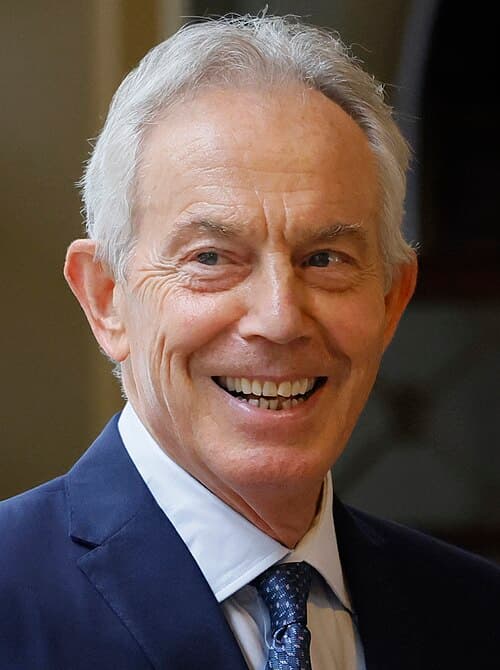
Tony Blair
PERSON164 w/ Marc·3 w/ Thaler
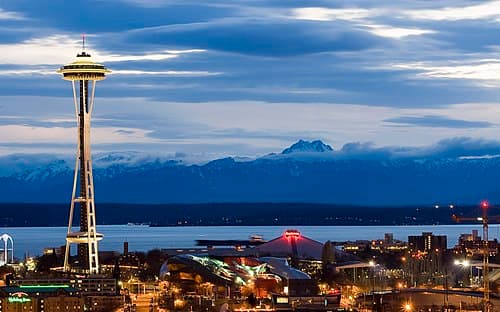
Seattle
LOCATION149 w/ Marc·3 w/ Thaler
James Baker
PERSON139 w/ Marc·3 w/ Thaler
John Brockman
PERSON107 w/ Marc·5 w/ Thaler
Cynthia Nixon
PERSON103 w/ Marc·2 w/ Thaler
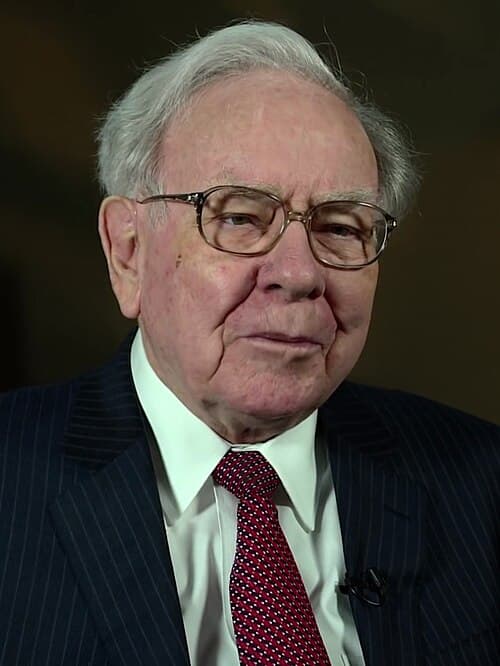
Warren Buffett
PERSON87 w/ Marc·2 w/ Thaler
Oregon
LOCATION86 w/ Marc·2 w/ Thaler