Back to Network




5
Shared Docs
5
Same-Page
10 / 5
Mentions
Document Mentions (5 shared documents)
3 mentions1 same-page
Page ?Same page
uthful answer might reasonably be calculated to lead to the discovery of evidence admissible at the trial of the underlying suit." United States v. Kross, 14 F.3d 751, 754 (2d Cir. 1994)); see United States v. Birrell, 470 F.2d 113, 115 n.1 (2d Cir. 1972) (explaining, in the context of a motion to pro
United States v. An Antique Platter of Gold, 184 F.3d 131, 135-36 (2d Cir. 1999) (distinguishing the "natural tendency test" from a but-for test); Kross, 14 F.3d at 754 (rejecting, in a civil forfeiture case, the argument that the defendant's true testimony would not itself have justified a forfeitur
s "are violated only when the challenged conduct invaded his legitimate expectation of privacy rather than that of a third party." United States v. Payner, 447 U.S. 727, 731 (1980) (emphasis in original); see also United States v. Villegas, 899 F.2d 1324, 1333 (2d Cir. 1990). Ultimately, the Fourth Ame
3 mentions1 same-page
Page ?Same page
uthful answer might reasonably be calculated to lead to the discovery of evidence admissible at the trial of the underlying suit." United States v. Kross, 14 F.3d 751, 754 (2d Cir. 1994)); see United States v. Birrell, 470 F.2d 113, 115 n.1 (2d Cir. 1972) (explaining, in the context of a motion to pro
United States v. An Antique Platter of Gold, 184 F.3d 131, 135-36 (2d Cir. 1999) (distinguishing the "natural tendency test" from a but-for test); Kross, 14 F.3d at 754 (rejecting, in a civil forfeiture case, the argument that the defendant's true testimony would not itself have justified a forfeitur
s "are violated only when the challenged conduct invaded his legitimate expectation of privacy rather than that of a third party." United States v. Payner, 447 U.S. 727, 731 (1980) (emphasis in original); see also United States v. Villegas, 899 F.2d 1324, 1333 (2d Cir. 1990). Ultimately, the Fourth Ame
3 mentions1 same-page
Page ?Same page
uthful answer might reasonably be calculated to lead to the discovery of evidence admissible at the trial of the underlying suit." United States v. Kross, 14 F.3d 751, 754 (2d Cir. 1994)); see United States v. Birrell, 470 F.2d 113, 115 n.1 (2d Cir. 1972) (explaining, in the context of a motion to pro
United States v. An Antique Platter of Gold, 184 F.3d 131, 135-36 (2d Cir. 1999) (distinguishing the "natural tendency test" from a but-for test); Kross, 14 F.3d at 754 (rejecting, in a civil forfeiture case, the argument that the defendant's true testimony would not itself have justified a forfeitur
s "are violated only when the challenged conduct invaded his legitimate expectation of privacy rather than that of a third party." United States v. Payner, 447 U.S. 727, 731 (1980) (emphasis in original); see also United States v. Villegas, 899 F.2d 1324, 1333 (2d Cir. 1990). Ultimately, the Fourth Ame
Sponsored
3 mentions1 same-page
Page ?Same page
uthful answer might reasonably be calculated to lead to the discovery of evidence admissible at the trial of the underlying suit." United States v. Kross, 14 F.3d 751, 754 (2d Cir. 1994)); see United States v. Birrell, 470 F.2d 113, 115 n.1 (2d Cir. 1972) (explaining, in the context of a motion to pro
United States v. An Antique Platter of Gold, 184 F.3d 131, 135-36 (2d Cir. 1999) (distinguishing the "natural tendency test" from a but-for test); Kross, 14 F.3d at 754 (rejecting, in a civil forfeiture case, the argument that the defendant's true testimony would not itself have justified a forfeitur
s "are violated only when the challenged conduct invaded his legitimate expectation of privacy rather than that of a third party." United States v. Payner, 447 U.S. 727, 731 (1980) (emphasis in original); see also United States v. Viliegas, 899 F.2d 1324, 1333 (2d Cir. 1990). Ultimately, the Fourth Ame
3 mentions1 same-page
Page ?Same page
uthful answer might reasonably be calculated to lead to the discovery of evidence admissible at the trial of the underlying suit." United States v. Kross, 14 F.3d 751, 754 (2d Cir. 1994)); see United States v. Bitrell, 470 F.2d 113, 115 n.1 (2d Cir. 1972) (explaining, in the context of a motion to pro
United States v. An Antique Platter of Gold, 184 F.3d 131, 135-36 (2d Cir. 1999) (distinguishing the "natural tendency test" from a but-for test); Kross, 14 F.3d at 754 (rejecting, in a civil forfeiture case, the argument that the defendant's true testimony would not itself have justified a forfeitur
s "are violated only when the challenged conduct invaded his legitimate expectation of privacy rather than that of a third party." United States v. Payner, 447 U.S. 727, 731 (1980) (emphasis in original); see also United States v. Villegas, 899 F.2d 1324, 1333 (2d Cir. 1990). Ultimately, the Fourth Ame
Sponsored
Mutual Connections (281)
Entities connected to both Adriana Ross and Payner
Jeffrey Epstein
PERSON257 w/ Adriana·13 w/ Payner
Ghislaine Maxwell
PERSON133 w/ Adriana·13 w/ Payner
United States
LOCATION117 w/ Adriana·11 w/ Payner
the Southern District
LOCATION77 w/ Adriana·11 w/ Payner
Julie K. Brown
PERSON71 w/ Adriana·12 w/ Payner
Bradley Edwards
PERSON68 w/ Adriana·8 w/ Payner
JD
Jane Doe
PERSON69 w/ Adriana·7 w/ Payner
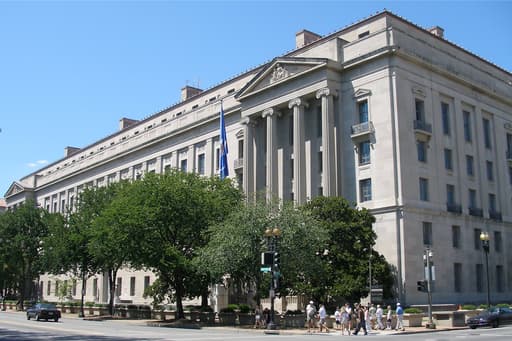
Department of Justice
ORGANIZATION72 w/ Adriana·2 w/ Payner
MF
Maria Farmer
PERSON65 w/ Adriana·4 w/ Payner
Scarlett Johansson
PERSON63 w/ Adriana·5 w/ Payner
Virginia Giuffre
PERSON64 w/ Adriana·3 w/ Payner
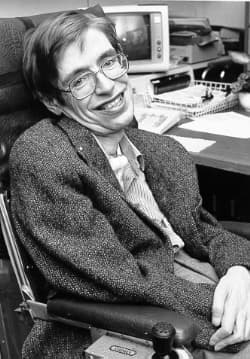
Stephen Hawking
PERSON59 w/ Adriana·8 w/ Payner
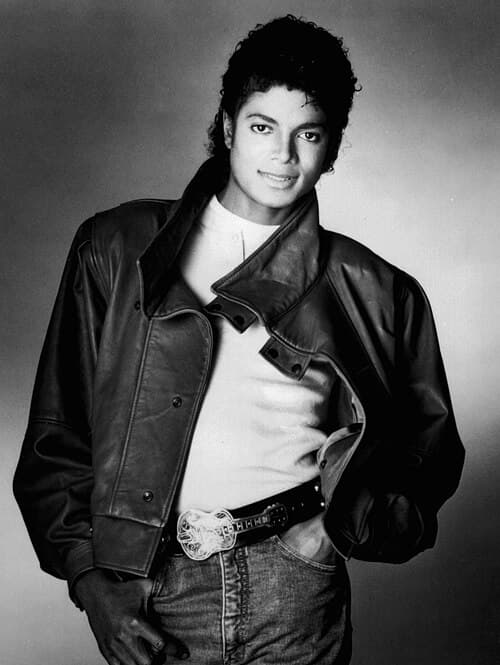
Michael Jackson
PERSON53 w/ Adriana·5 w/ Payner
MW
Martin Weinberg
PERSON50 w/ Adriana·5 w/ Payner
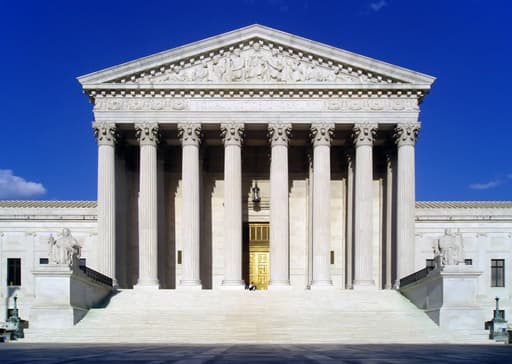
Supreme Court
ORGANIZATION44 w/ Adriana·10 w/ Payner
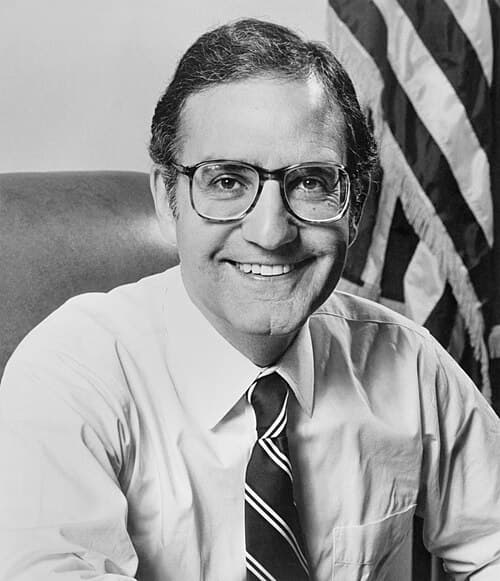
George Mitchell
PERSON44 w/ Adriana·5 w/ Payner
DB
Doug Band
PERSON42 w/ Adriana·5 w/ Payner
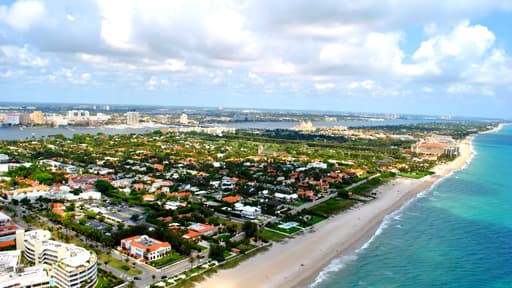
Palm Beach
LOCATION41 w/ Adriana·3 w/ Payner
Bill Richardson
PERSON37 w/ Adriana·5 w/ Payner
WE
Werner
PERSON33 w/ Adriana·5 w/ Payner