Back to Network






4
Shared Docs
4
Same-Page
4 / 4
Mentions
Document Mentions (4 shared documents)
2 mentions1 same-page
Page ?Same page
mbitions for cybernetic concepts, however, and in 7he Human Use of Human Beings he spells out his thoughts on its application to topics as diverse as Maxwell’s Demon, human language, the brain, insect metabolism, the legal system, the role of technological innovation in government, and religion. These broa
ing a place to begin. New Technologies=New Perceptions Before AI, there was Cybernetics—the idea of automatic, self-regulating control, laid out in Norbert Wiener’s foundational text of 1948. I can date my own serious exposure to it to 1966, when the composer John Cage invited me and four or five other young arts
2 mentions1 same-page
Page ?Same page
n around since the Enlightenment (boosted by the Industrial Revolution). The names in this lineage include Descartes, Leibniz, Sadi Carnot, Clausius, Maxwell, and Watt. Wiener’s coinage nonetheless had profound cultural effects.4”7 The ubiquity today of the prefix “cyber-” confirms the desire for a crisp s
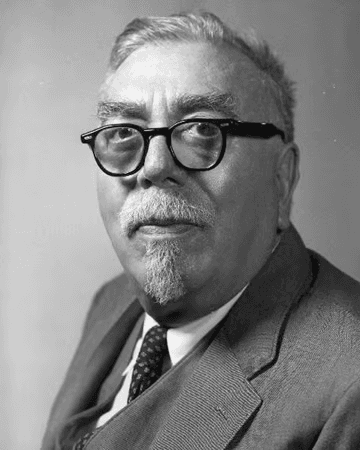
agic or mysticism of an earlier age— as by their modern-sounding insights. I detect that same doubleness—the zig-zag origami folds of old and new—in Norbert Wiener’s classic The Human Use of Human Beings. First published in 1950 and revised in 1954, the book is in many ways extraordinarily prescient. Wiener, the M
2 mentions1 same-page
Page ?Same page
mbitions for cybernetic concepts, however, and in 7he Human Use of Human Beings he spells out his thoughts on its application to topics as diverse as Maxwell’s Demon, human language, the brain, insect metabolism, the legal system, the role of technological innovation in government, and religion. These broa
ing a place to begin. New Technologies=New Perceptions Before AI, there was Cybernetics—the idea of automatic, self-regulating control, laid out in Norbert Wiener’s foundational text of 1948. I can date my own serious exposure to it to 1966, when the composer John Cage invited me and four or five other young arts
Sponsored
2 mentions1 same-page
Page ?Same page
n around since the Enlightenment (boosted by the Industrial Revolution). The names in this lineage include Descartes, Leibniz, Sadi Carnot, Clausius, Maxwell, and Watt. Wiener’s coinage nonetheless had profound cultural effects.4”7 The ubiquity today of the prefix “cyber-” confirms the desire for a crisp s
agic or mysticism of an earlier age— as by their modern-sounding insights. I detect that same doubleness—the zig-zag origami folds of old and new—in Norbert Wiener’s classic The Human Use of Human Beings. First published in 1950 and revised in 1954, the book is in many ways extraordinarily prescient. Wiener, the M
Sponsored
Mutual Connections (688)
Entities connected to both Ghislaine Maxwell and Norbert Wiener’s
Prince Andrew
PERSON2,544 w/ Ghislaine·4 w/ Norbert
George W. Bush
PERSON1,138 w/ Ghislaine·4 w/ Norbert
Alan Dershowitz
PERSON966 w/ Ghislaine·4 w/ Norbert
Marc Rich
PERSON898 w/ Ghislaine·4 w/ Norbert
LB
Leon Black
PERSON868 w/ Ghislaine·4 w/ Norbert
Eric Trump
PERSON732 w/ Ghislaine·4 w/ Norbert
Julie K. Brown
PERSON724 w/ Ghislaine·4 w/ Norbert
MF
Maria Farmer
PERSON627 w/ Ghislaine·2 w/ Norbert
DB
Doug Band
PERSON578 w/ Ghislaine·4 w/ Norbert
Joe Biden
PERSON495 w/ Ghislaine·2 w/ Norbert
Vicky Ward
PERSON458 w/ Ghislaine·2 w/ Norbert
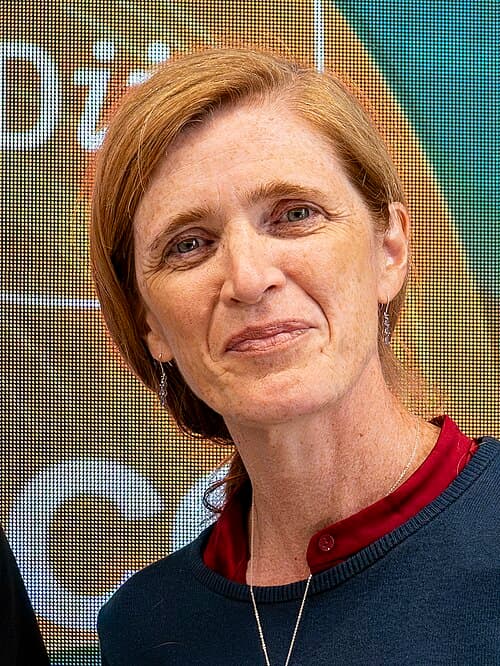
Samantha Power
PERSON445 w/ Ghislaine·4 w/ Norbert
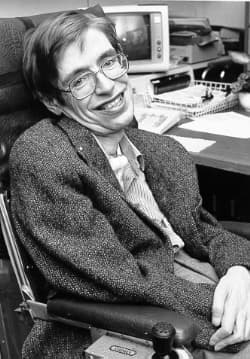
Stephen Hawking
PERSON421 w/ Ghislaine·4 w/ Norbert
John F. Kennedy
PERSON403 w/ Ghislaine·2 w/ Norbert
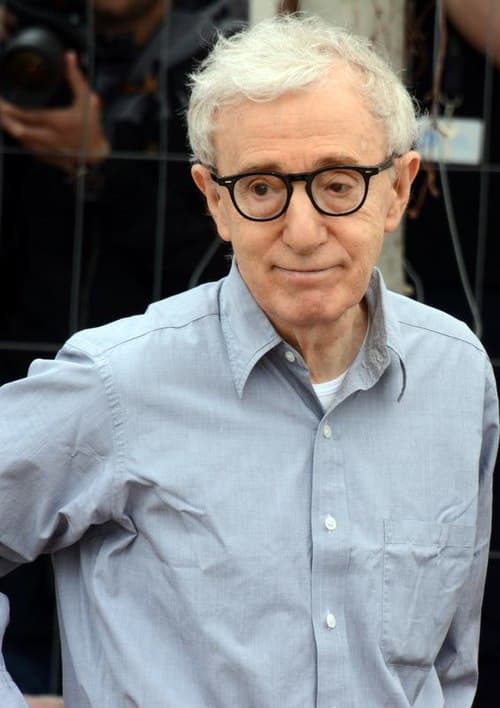
Woody Allen
PERSON367 w/ Ghislaine·2 w/ Norbert
CW
Courtney Wild
PERSON347 w/ Ghislaine·2 w/ Norbert
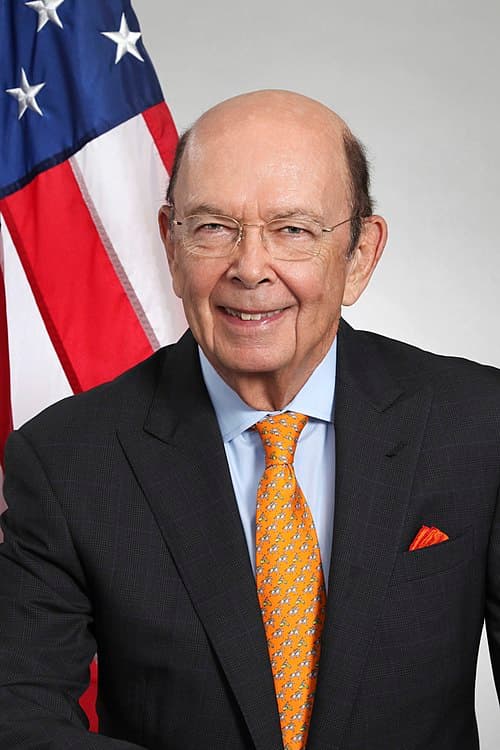
Wilbur Ross
PERSON308 w/ Ghislaine·4 w/ Norbert
Lawrence Krauss
PERSON285 w/ Ghislaine·2 w/ Norbert
Michael Douglas
PERSON259 w/ Ghislaine·2 w/ Norbert
Martha Stewart
PERSON255 w/ Ghislaine·4 w/ Norbert