Back to Network






5
Shared Docs
5
Same-Page
5 / 5
Mentions
Document Mentions (5 shared documents)
2 mentions1 same-page
Page ?Same page
urden of establishing that his own Fourth Amendment rights were violated by the challenged search or seizure." Rakas, 439 U.S. at 130, n.1; see also Rawlings v. Kentucky, 448 U.S. 98, 104 (1980). Under the third party doctrine, the Fourth Amendment "does not prohibit the obtaining of information reveale
he defendant] of the Fifth Amendment privilege barred use of his confession at trial"); United States v. Mitchell, 966 F.2d 92, 100 (2d Cir. 1992) ("Inculpatory statements are not involuntary when they result from a desire to cooperate, or from a defendant's ignorance of, or inattention to, his right to rem
Sponsored
2 mentions1 same-page
Page ?Same page
urden of establishing that his own Fourth Amendment rights were violated by the challenged search or seizure." Rakas, 439 U.S. at 130, n.1; see also Rawlings v. Kentucky, 448 U.S. 98, 104 (1980). Under the third party doctrine, the Fourth Amendment "does not prohibit the obtaining of information reveale
he defendant] of the Fifth Amendment privilege barred use of his confession at trial"); United States v. Mitchell, 966 F.2d 92, 100 (2d Cir. 1992) ("Inculpatory statements are not involuntary when they result from a desire to cooperate, or from a defendant's ignorance of, or inattention to, his right to rem
Sponsored
Mutual Connections (259)
Entities connected to both Rawlings and Inculpatory
Jeffrey Epstein
PERSON9 w/ Rawlings·5 w/ Inculpatory
United States
LOCATION7 w/ Rawlings·5 w/ Inculpatory
Julie K. Brown
PERSON6 w/ Rawlings·5 w/ Inculpatory
Scarlett Johansson
PERSON6 w/ Rawlings·5 w/ Inculpatory
Anderson
PERSON6 w/ Rawlings·5 w/ Inculpatory
Mason
ORGANIZATION6 w/ Rawlings·5 w/ Inculpatory
Michael Jackson
PERSON6 w/ Rawlings·5 w/ Inculpatory
TH
Thompson
PERSON6 w/ Rawlings·5 w/ Inculpatory
Murphy
PERSON6 w/ Rawlings·5 w/ Inculpatory
Ghislaine Maxwell
PERSON6 w/ Rawlings·5 w/ Inculpatory
United Kingdom
LOCATION6 w/ Rawlings·5 w/ Inculpatory
Kendall Coffey
PERSON5 w/ Rawlings·5 w/ Inculpatory
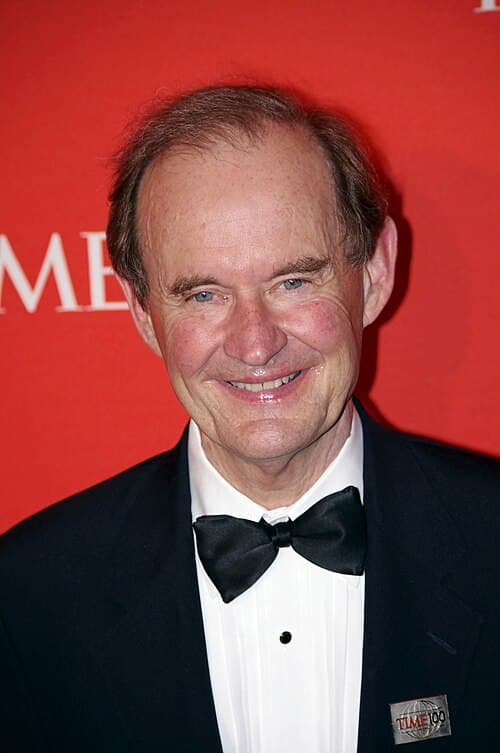
David Boies
PERSON5 w/ Rawlings·5 w/ Inculpatory
Colorado
LOCATION5 w/ Rawlings·5 w/ Inculpatory
Oregon
LOCATION5 w/ Rawlings·5 w/ Inculpatory
Hastings
PERSON5 w/ Rawlings·5 w/ Inculpatory
Figueroa
PERSON5 w/ Rawlings·5 w/ Inculpatory
Jennings
PERSON5 w/ Rawlings·5 w/ Inculpatory
Supreme Court
ORGANIZATION5 w/ Rawlings·5 w/ Inculpatory
North Carolina
LOCATION5 w/ Rawlings·5 w/ Inculpatory