Back to Network






5
Shared Docs
5
Same-Page
5 / 5
Mentions
Document Mentions (5 shared documents)
2 mentions1 same-page
Page ?Same page
urden of establishing that his own Fourth Amendment rights were violated by the challenged search or seizure." Rakas, 439 U.S. at 130, n.1; see also Rawlings v. Kentucky, 448 U.S. 98, 104 (1980). Under the third party doctrine, the Fourth Amendment "does not prohibit the obtaining of information reveale
e whether the defendant's statements would have tipped the scales in the defamation suit or would likely have led to the discovery of evidence. See Kungys v. United States, 485 U.S. 759, 771 (1988) ("It has never been the test of materiality that the misrepresentation or concealment would more likely t
Sponsored
2 mentions1 same-page
Page ?Same page
urden of establishing that his own Fourth Amendment rights were violated by the challenged search or seizure." Rakas, 439 U.S. at 130, n.1; see also Rawlings v. Kentucky, 448 U.S. 98, 104 (1980). Under the third party doctrine, the Fourth Amendment "does not prohibit the obtaining of information reveale
e whether the defendant's statements would have tipped the scales in the defamation suit or would likely have led to the discovery of evidence. See Kungys v. United States, 485 U.S. 759, 771 (1988) ("It has never been the test of materiality that the misrepresentation or concealment would more likely t
Sponsored
Mutual Connections (259)
Entities connected to both Rawlings and Kungys
Jeffrey Epstein
PERSON9 w/ Rawlings·5 w/ Kungys
United States
LOCATION7 w/ Rawlings·5 w/ Kungys
Julie K. Brown
PERSON6 w/ Rawlings·5 w/ Kungys
Scarlett Johansson
PERSON6 w/ Rawlings·5 w/ Kungys
Anderson
PERSON6 w/ Rawlings·5 w/ Kungys
Mason
ORGANIZATION6 w/ Rawlings·5 w/ Kungys
Michael Jackson
PERSON6 w/ Rawlings·5 w/ Kungys
TH
Thompson
PERSON6 w/ Rawlings·5 w/ Kungys
Murphy
PERSON6 w/ Rawlings·5 w/ Kungys
Ghislaine Maxwell
PERSON6 w/ Rawlings·5 w/ Kungys
United Kingdom
LOCATION6 w/ Rawlings·5 w/ Kungys
Kendall Coffey
PERSON5 w/ Rawlings·5 w/ Kungys
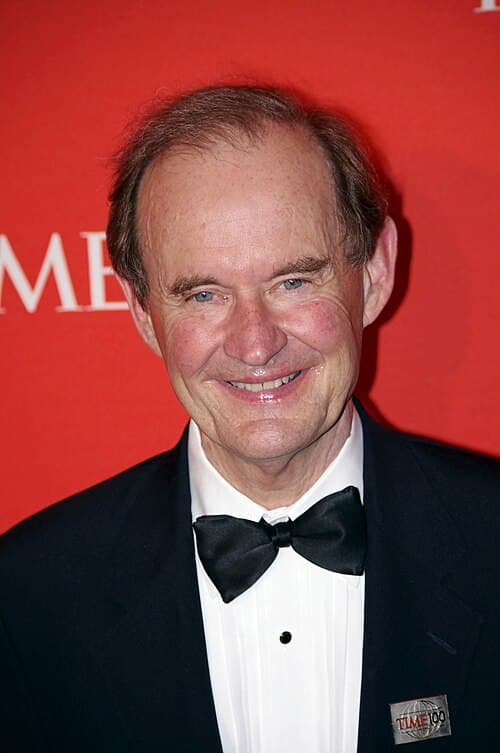
David Boies
PERSON5 w/ Rawlings·5 w/ Kungys
Colorado
LOCATION5 w/ Rawlings·5 w/ Kungys
Oregon
LOCATION5 w/ Rawlings·5 w/ Kungys
Hastings
PERSON5 w/ Rawlings·5 w/ Kungys
Figueroa
PERSON5 w/ Rawlings·5 w/ Kungys
Jennings
PERSON5 w/ Rawlings·5 w/ Kungys
Supreme Court
ORGANIZATION5 w/ Rawlings·5 w/ Kungys
North Carolina
LOCATION5 w/ Rawlings·5 w/ Kungys