Back to Network








5
Shared Docs
5
Same-Page
5 / 6
Mentions
Document Mentions (5 shared documents)
3 mentions1 same-page
Page ?Same page
urden of establishing that his own Fourth Amendment rights were violated by the challenged search or seizure." Rakas, 439 U.S. at 130, n.1; see also Rawlings v. Kentucky, 448 U.S. 98, 104 (1980). Under the third party doctrine, the Fourth Amendment "does not prohibit the obtaining of information reveale
tain a Franks hearing, a defendant must make a "substantial preliminary showing," United States v. Falso, 544 F.3d 110, 125 (2d Cir. 2008) (quoting Franks v. Delaware, 438 U.S. 154, 155-56 (1978)), that (i) there were "inaccuracies or omissions" in the affidavit, (ii) "the alleged falsehoods or omissions were nece
irectly rebutting the defendant's allegations, there is no material issue of fact sufficient to justify an evidentiary hearing. The defendant cites Franks v. Delaware, 438 U.S. 154 (1978), to suggest that a hearing is somehow warranted, but her motion falls far short of the Franks standard to obtain a hearing. "W
2 mentions1 same-page
Page ?Same page
urden of establishing that his own Fourth Amendment rights were violated by the challenged search or seizure." Rakas, 439 U.S. at 130, n.1; see also Rawlings v. Kentucky, 448 U.S. 98, 104 (1980). Under the third party doctrine, the Fourth Amendment "does not prohibit the obtaining of information reveale
tain a Franks hearing, a defendant must make a "substantial preliminary showing," United States v. Falso, 544 F.3d 110, 125 (2d Cir. 2008) (quoting Franks v. Delaware, 438 U.S. 154, 155-56 (1978)), that (i) there were "inaccuracies or omissions" in the affidavit, (ii) "the alleged falsehoods or omissions were nece
Sponsored
2 mentions1 same-page
Page ?Same page
urden of establishing that his own Fourth Amendment rights were violated by the challenged search or seizure." Rakas, 439 U.S. at 130, n.1; see also Rawlings v. Kentucky, 448 U.S. 98, 104 (1980). Under the third party doctrine, the Fourth Amendment "does not prohibit the obtaining of information reveale
tain a Franks hearing, a defendant must make a "substantial preliminary showing," United States v. Falso, 544 F.3d 110, 125 (2d Cir. 2008) (quoting Franks v. Delaware, 438 U.S. 154, 155-56 (1978)), that (i) there were "inaccuracies or omissions" in the affidavit, (ii) "the alleged falsehoods or omissions were nece
Sponsored
Mutual Connections (261)
Entities connected to both Rawlings and Franks v. Delaware
Jeffrey Epstein
PERSON9 w/ Rawlings·13 w/ Franks
United States
LOCATION7 w/ Rawlings·13 w/ Franks
Julie K. Brown
PERSON6 w/ Rawlings·12 w/ Franks
the Southern District
LOCATION5 w/ Rawlings·13 w/ Franks
Ghislaine Maxwell
PERSON6 w/ Rawlings·11 w/ Franks
Southern District of New York
ORGANIZATION5 w/ Rawlings·11 w/ Franks
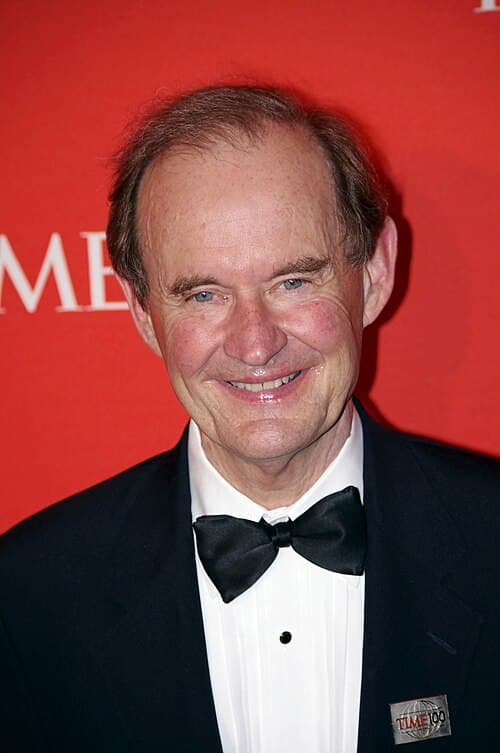
David Boies
PERSON5 w/ Rawlings·11 w/ Franks
CM
Colleen McMahon
PERSON5 w/ Rawlings·11 w/ Franks
Supreme Court
ORGANIZATION5 w/ Rawlings·10 w/ Franks
MA
Martindell
PERSON5 w/ Rawlings·10 w/ Franks
Scarlett Johansson
PERSON6 w/ Rawlings·9 w/ Franks
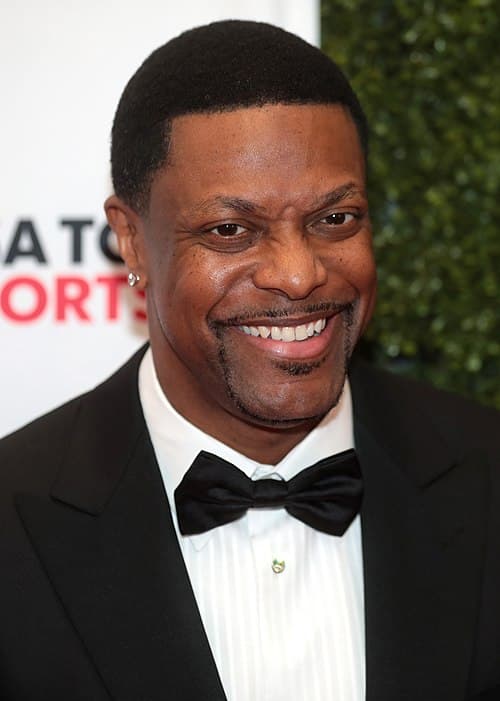
Chris Tucker
PERSON5 w/ Rawlings·10 w/ Franks
Michael Jackson
PERSON6 w/ Rawlings·9 w/ Franks
JD
Jane Doe
PERSON4 w/ Rawlings·11 w/ Franks
Valentine
PERSON5 w/ Rawlings·10 w/ Franks
Eric Schmidt
PERSON5 w/ Rawlings·10 w/ Franks
Anderson
PERSON6 w/ Rawlings·9 w/ Franks
TH
Thompson
PERSON6 w/ Rawlings·9 w/ Franks
Bradley Edwards
PERSON5 w/ Rawlings·10 w/ Franks
Mason
ORGANIZATION6 w/ Rawlings·9 w/ Franks