Back to Network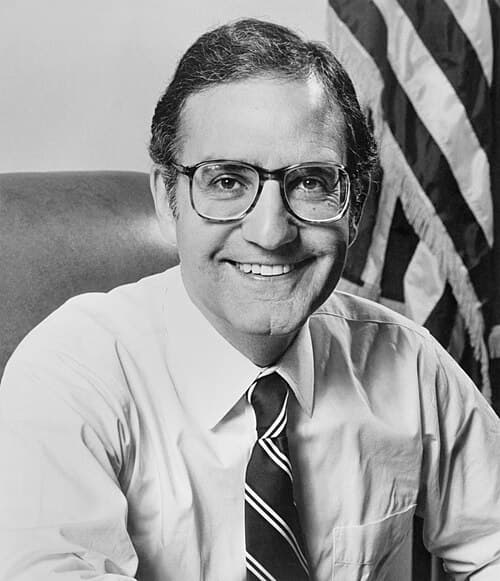





9
Shared Docs
9
Same-Page
9 / 9
Mentions
Document Mentions (9 shared documents)
2 mentions1 same-page
Page ?Same page
d Cir. 2017) United States v. Chen, 378 F.3d 151 (2d Cir. 2004) United States v. Cheung Kin Ping, 555 F.2d 1069 (2d Cir. 1977) United States v. Chuang, 183 271 68, 81 897 F.2d 646 (2d Cir. 1990) 115, 116 United States v. Coffey, 361 F. Supp. 2d 102 (E.D.N.Y. 2005) 228 United States v. Coke,
7) 274 United States v. Roberts, 660 F.3d 149 (2d Cir. 2011) 138 United States v. Roberts, 852 F.2d 671 (2d Cir. 1988) 132 United States v. Rolan-Zapata, 916 F.2d 795 (2d Cir. 1990) 256 United States v. Rosa, 11 F.3d 315 (2d Cir. 1993) 253 United States v. Rosa, 626 F.3d 56 (2d Cir. 2010) 123
2 mentions1 same-page
Page ?Same page
d Cir. 2017) United States v. Chen, 378 F.3d 151 (2d Cir. 2004) United States v. Cheung Kin Ping, 555 F.2d 1069 (2d Cir. 1977) United States v. Chuang, 183 271 68, 81 897 F.2d 646 (2d Cir. 1990) 115, 116 United States v. Coffey, 361 F. Supp. 2d 102 (E.D.N.Y. 2005) 228 United States v. Coke,
017) 274 United States v. Roberts, 660 F.3d 149 (2d Cir. 2011) 138 United States v. Roberts, 852 F.2d 671 (2d Cir. 1988) 132 United States v. Rolan-Zapata, 916 F.2d 795 (2d Cir. 1990) 256 United States v. Rosa, 11 F.3d 315 (2d Cir. 1993) 253 United States v. Rosa, 626 F.3d 56 (2d Cir. 2010) 123
2 mentions1 same-page
Page ?Same page
the Fourth Amendment inquiry is "whether [a] defendant has established a legitimate expectation of privacy in the area searched." United States v. Chuang, 897 F.2d 646, 649 (2d Cir. 1990) (citations omitted). This threshold question involves two separate inquiries: (1) whether a defendant has demonstr
nfairly prejudicial where it is not "any more sensational or disturbing than the crimes" with which the defendant has been charged. United States v. Rolan-Zapata, 916 F.2d 795, 804 (2d Cir. 1990). Here, as already discussed, evidence regarding Minor Victim-3's experiences with the defendant and Epstein are n
Sponsored
2 mentions1 same-page
Page ?Same page
d Cir. 2017) United States v. Chen, 378 F.3d 151 (2d Cir. 2004) United States v. Cheung Kin Ping, 555 F.2d 1069 (2d Cir. 1977) United States v. Chuang, 183 271 68, 81 897 F.2d 646 (2d Cir. 1990) 115, 116 United States v. Coffey, 361 F. Supp. 2d 102 (E.D.N.Y. 2005) 228 United States v. Coke,
017) 274 United States v. Roberts, 660 F.3d 149 (2d Cir. 2011) 138 United States v. Roberts, 852 F.2d 671 (2d Cir. 1988) 132 United States v. Rolan-Zapata, 916 F.2d 795 (2d Cir. 1990) 256 United States v. Rosa, 11 F.3d 315 (2d Cir. 1993) 253 United States v. Rosa, 626 F.3d 56 (2d Cir. 2010) 123
2 mentions1 same-page
Page ?Same page
the Fourth Amendment inquiry is "whether [a] defendant has established a legitimate expectation of privacy in the area searched." United States v. Chuang, 897 F.2d 646, 649 (2d Cir. 1990) (citations omitted). This threshold question involves two separate inquiries: (1) whether a defendant has demonstr
nfairly prejudicial where it is not "any more sensational or disturbing than the crimes" with which the defendant has been charged. United States v. Rolan-Zapata, 916 F.2d 795, 804 (2d Cir. 1990). Here, as already discussed, evidence regarding Minor Victim-3's experiences with the defendant and Epstein are n
2 mentions1 same-page
Page ?Same page
United States v. Chen, 378 F.3d 151 (2d Cir. 2004) 179 United States v. Cheung Kin Ping, 555 F.2d 1069 (2d Cir. 1977) 46, 55 United States v. Chuang, 897 F.2d 646 (2d Cir. 1990) 82 United States v. Coke, No. 07 Cr. 971 (RPP), 2011 WL 3738969 (S.D.N.Y. Aug. 22, 2011) 105, 109, 111 United Stat
8, 147, 149 United States v. Roberts, 660 F.3d 149 (2d Cir. 2011) 97 United States v. Roberts, 852 F.2d 671 (2d Cir. 1988) 93 United States v. Rolan-Zapata, 916 F.2d 795 (2d Cir. 1990) 167 United States v. Rosa, 11 F.3d 315 (2d Cir. 1993) 166 United States v. Rosa, 626 F.3d 56 (2d Cir. 2010) 87
Sponsored
2 mentions1 same-page
Page ?Same page
the Fourth Amendment inquiry is "whether [a] defendant has established a legitimate expectation of privacy in the area searched." United States v. Chuang, 897 F.2d 646, 649 (2d Cir. 1990) (citations omitted). This threshold question involves two separate inquiries: (1) whether a defendant has demonstr
nfairly prejudicial where it is not "any more sensational or disturbing than the crimes" with which the defendant has been charged. United States v. Rolan-Zapata, 916 F.2d 795, 804 (2d Cir. 1990). Here, as already discussed, evidence regarding Minor Victim-3's experiences with the defendant and Epstein are n
2 mentions1 same-page
Page ?Same page
d Cir. 2017) United States v. Chen, 378 F.3d 151 (2d Cir. 2004) United States v. Cheung Kin Ping, 555 F.2d 1069 (2d Cir. 1977) United States v. Chuang, 183 271 68, 81 897 F.2d 646 (2d Cir. 1990) 115, 116 United States v. Coffey, 361 F. Supp. 2d 102 (E.D.N.Y. 2005) 228 United States v. Coke,
7) 274 United States v. Roberts, 660 F.3d 149 (2d Cir. 2011) 138 United States v. Roberts, 852 F.2d 671 (2d Cir. 1988) 132 United States v. Rolan-Zapata, 916 F.2d 795 (2d Cir. 1990) 256 United States v. Rosa, 11 F.3d 315 (2d Cir. 1993) 253 United States v. Rosa, 626 F.3d 56 (2d Cir. 2010) 123
2 mentions1 same-page
Page ?Same page
the Fourth Amendment inquiry is "whether [a] defendant has established a legitimate expectation of privacy in the area searched." United States v. Chuang, 897 F.2d 646, 649 (2d Cir. 1990) (citations omitted). This threshold question involves two separate inquiries: (1) whether a defendant has demonstr
nfairly prejudicial where it is not "any more sensational or disturbing than the crimes" with which the defendant has been charged. United States v. Rolan-Zapata, 916 F.2d 795, 804 (2d Cir. 1990). Here, as already discussed, evidence regarding Minor Victim-3's experiences with the defendant and Epstein are n
Sponsored
Mutual Connections (489)
Entities connected to both Chuang and Rolan-Zapata
George Mitchell
PERSON13 w/ Chuang·9 w/ Rolan-Zapata
WE
Werner
PERSON13 w/ Chuang·9 w/ Rolan-Zapata
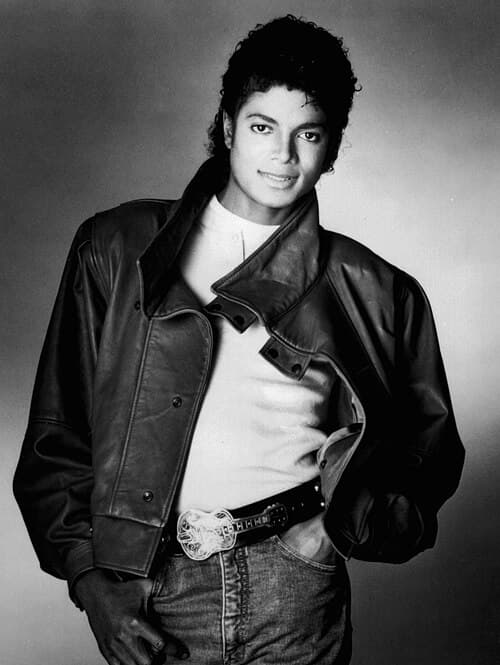
Michael Jackson
PERSON13 w/ Chuang·9 w/ Rolan-Zapata
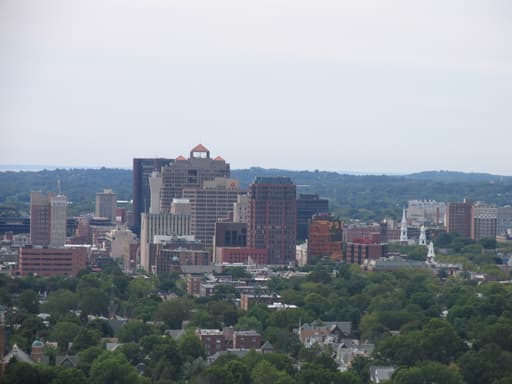
New Haven
LOCATION13 w/ Chuang·9 w/ Rolan-Zapata
Julie K. Brown
PERSON13 w/ Chuang·9 w/ Rolan-Zapata
Bill Richardson
PERSON13 w/ Chuang·9 w/ Rolan-Zapata
Mason
ORGANIZATION13 w/ Chuang·9 w/ Rolan-Zapata
Kaplan
PERSON13 w/ Chuang·9 w/ Rolan-Zapata
Jeffrey Epstein
PERSON13 w/ Chuang·9 w/ Rolan-Zapata
Butler
PERSON13 w/ Chuang·9 w/ Rolan-Zapata
Colorado
LOCATION13 w/ Chuang·9 w/ Rolan-Zapata
TH
Thompson
PERSON13 w/ Chuang·9 w/ Rolan-Zapata
Scarlett Johansson
PERSON13 w/ Chuang·9 w/ Rolan-Zapata
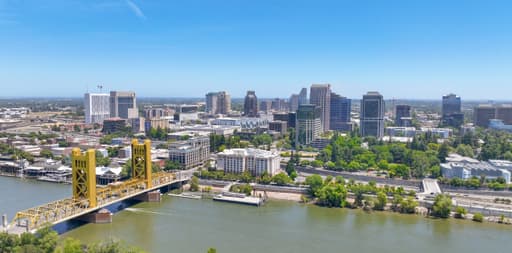
Sacramento
LOCATION13 w/ Chuang·9 w/ Rolan-Zapata
Minnesota
LOCATION13 w/ Chuang·9 w/ Rolan-Zapata
Hayes
PERSON13 w/ Chuang·9 w/ Rolan-Zapata
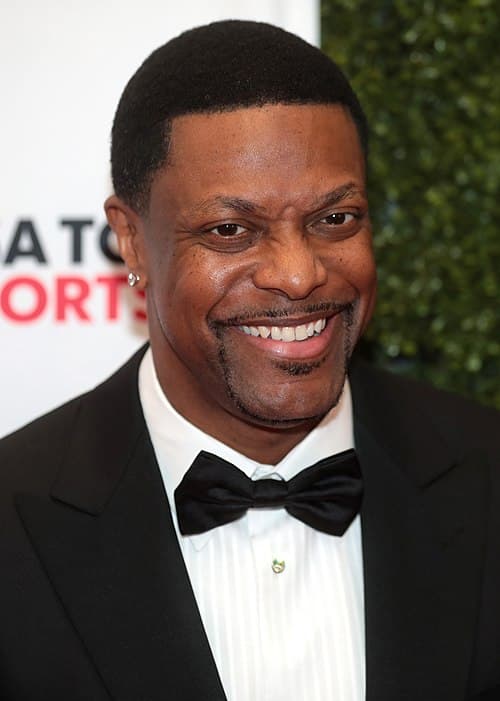
Chris Tucker
PERSON13 w/ Chuang·9 w/ Rolan-Zapata
North Carolina
LOCATION13 w/ Chuang·9 w/ Rolan-Zapata
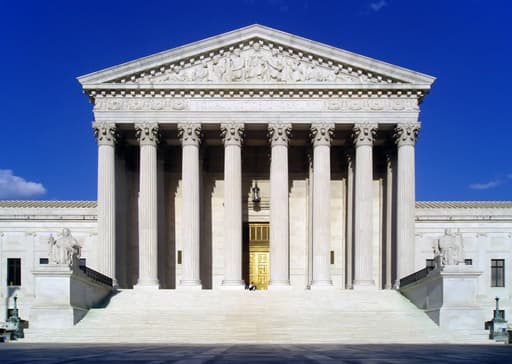
Supreme Court
ORGANIZATION12 w/ Chuang·9 w/ Rolan-Zapata
Michigan
LOCATION12 w/ Chuang·9 w/ Rolan-Zapata