Back to Network








5
Shared Docs
5
Same-Page
5 / 5
Mentions
Document Mentions (5 shared documents)
2 mentions1 same-page
Page ?Same page
17). The community population for purposes of assessing representativeness is the population eligible for jury service in the community. See, e.g., Taylor v. Louisiana, 419 U.S. 522,524 (1975) (focusing on population eligible for jury service); Rioux, 97 F.3d at 657 ("We conclude that the appropriate
re the offense is alleged to have occurred and where the case will be tried." (Def. Mot. 9 at 2). Because the offense is alleged to have occuned in the "Manhattan Division" and the defendant assumes that her jury trial will occur there too, she argues that the "appropriate comparison," for the purpose of her fair cross
2 mentions1 same-page
Page ?Same page
17). The community population for purposes of assessing representativeness is the population eligible for jury service in the community. See, e.g., Taylor v. Louisiana, 419 U.S. 522, 524 (1975) (focusing on population eligible for jury service); Rioux, 97 F.3d at 657 ("We conclude that the appropriate
e the offense is alleged to have occurred and where the case will be tried." (Def. Mot. 9 at 2). Because the offense is alleged to have occurred in the "Manhattan Division" and the defendant assumes that her jury trial will occur there too, she argues that the "appropriate comparison," for the purpose of her fair cross
2 mentions1 same-page
Page ?Same page
17). The community population for purposes of assessing representativeness is the population eligible for jury service in the community. See, e.g., Taylor v. Louisiana, 419 U.S. 522, 524 (1975) (focusing on population eligible for jury service); Rioux, 97 F.3d at 657 ("We conclude that the appropriate
e the offense is alleged to have occurred and where the case will be tried." (Def. Mot. 9 at 2). Because the offense is alleged to have occurred in the "Manhattan Division" and the defendant assumes that her jury trial will occur there too, she argues that the "appropriate comparison," for the purpose of her fair cross
Sponsored
2 mentions1 same-page
Page ?Same page
17). The community population for purposes of assessing representativeness is the population eligible for jury service in the community. See, e.g., Taylor v. Louisiana, 419 U.S. 522, 524 (1975) (focusing on population eligible for jury service); Rioux, 97 F.3d at 657 ("We conclude that the 69 The defe
e the offense is alleged to have occurred and where the case will be tried." (Def. Mot. 9 at 2). Because the offense is alleged to have occurred in the "Manhattan Division" and the defendant assumes that her jury trial will occur there too, she argues that the "appropriate comparison," for the purpose of her fair cross
2 mentions1 same-page
Page ?Same page
17). The community population for purposes of assessing representativeness is the population eligible for jury service in the community. See, e.g., Taylor v. Louisiana, 419 U.S. 522, 524 (1975) (focusing on population eligible for jury service); Biota, 97 F.3d at 657 ("We conclude that the appropriate
e the offense is alleged to have occurred and where the case will be tried." (Def. Mot. 9 at 2). Because the offense is alleged to have occurred in the "Manhattan Division" and the defendant assumes that her jury trial will occur there too, she argues that the "appropriate comparison," for the purpose of her fair cross
Sponsored
Mutual Connections (122)
Entities connected to both Emmy Taylor and the "Manhattan Division
Jeffrey Epstein
PERSON1,366 w/ Emmy·5 w/ the
Ghislaine Maxwell
PERSON512 w/ Emmy·5 w/ the
LB
Leon Black
PERSON297 w/ Emmy·5 w/ the
United States
LOCATION296 w/ Emmy·5 w/ the
Scarlett Johansson
PERSON234 w/ Emmy·5 w/ the
John F. Kennedy
PERSON168 w/ Emmy·5 w/ the
CO
Collins
PERSON113 w/ Emmy·5 w/ the
Louisiana
LOCATION93 w/ Emmy·5 w/ the
Bill Richardson
PERSON89 w/ Emmy·5 w/ the
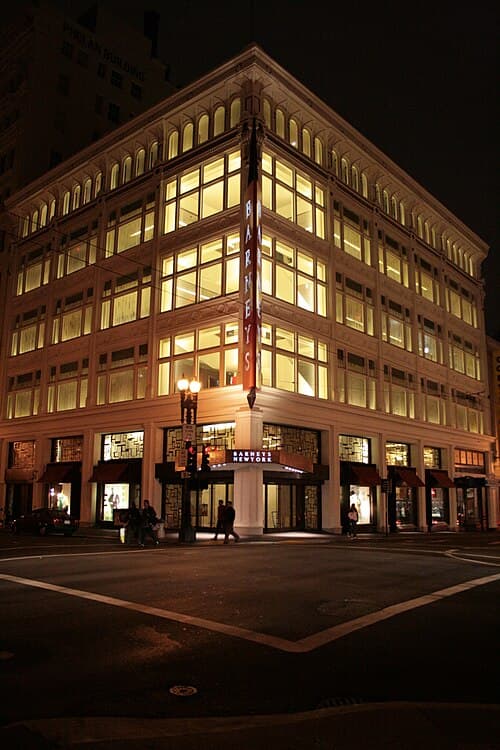
Barneys New York
ORGANIZATION89 w/ Emmy·5 w/ the
TH
Thompson
PERSON82 w/ Emmy·5 w/ the
SU
Sullivan
PERSON61 w/ Emmy·5 w/ the
Cynthia Nixon
PERSON60 w/ Emmy·5 w/ the
Southern District of New York
ORGANIZATION60 w/ Emmy·5 w/ the
PE
Perez
PERSON58 w/ Emmy·5 w/ the
Howell
PERSON56 w/ Emmy·5 w/ the
WA
Walker
PERSON53 w/ Emmy·5 w/ the
Richmond
LOCATION51 w/ Emmy·5 w/ the
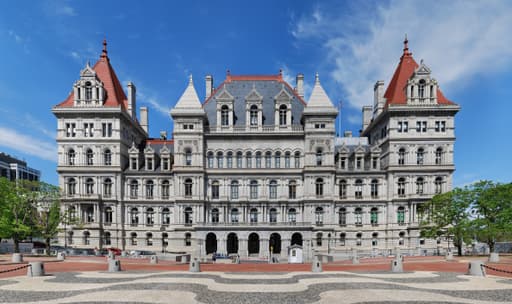
New York State
LOCATION50 w/ Emmy·5 w/ the
WA
Walsh
PERSON46 w/ Emmy·5 w/ the