Back to Network




5
Shared Docs
5
Same-Page
10 / 9
Mentions
Document Mentions (5 shared documents)
4 mentions1 same-page
Page ?Same page
ts' claims of Government Franks violations. To obtain a Franks hearing, a defendant must make a "substantial preliminary showing," United States v. Falso, 544 F.3d 110, 125 (2d Cir. 2008) (quoting Franks v. Delaware, 438 U.S. 154, 155-56 (1978)), that (i) there were "inaccuracies or omissions" in the
tantial preliminary showing" requirement explained above exists to "avoid fishing expeditions into affidavits that are otherwise presumed truthful." Falso, 544 F.3d at 125. "[C]onclusory allegations cannot support a Franks challenge as a matter of law." United States v. Pizarro, No. 17 Cr. 151 (AJN),
th Amendment rights are personal rights ... [that] may not be vicariously asserted."' United States v. Haqq, 278 F.3d 44, 47 (2d Cir. 2002) (quoting Rakas v. Illinois, 439 U.S. 128, 133-34 (1978)). Accordingly, a defendant's Fourth Amendment rights "are violated only when the challenged conduct invade
ent of a motion to suppress has the burden of establishing that his own Fourth Amendment rights were violated by the challenged search or seizure." Rakas, 439 U.S. at 130, n.1; see also Rawlings v. Kentucky, 448 U.S. 98, 104 (1980). Under the third party doctrine, the Fourth Amendment "does not prohi
4 mentions1 same-page
Page ?Same page
ts' claims of Government Franks violations. To obtain a Franks hearing, a defendant must make a "substantial preliminary showing," United States v. Falso, 544 F.3d 110, 125 (2d Cir. 2008) (quoting Franks v. Delaware, 438 U.S. 154, 155-56 (1978)), that (i) there were "inaccuracies or omissions" in the
tantial preliminary showing" requirement explained above exists to "avoid fishing expeditions into affidavits that are otherwise presumed truthful." Falso, 544 F.3d at 125. "[C]onclusory allegations cannot support a Franks challenge as a matter of law." United States v. Pizarro, No. 17 Cr. 151 (AJN),
th Amendment rights are personal rights ... [that] may not be vicariously asserted."' United States v. Haqq, 278 F.3d 44, 47 (2d Cir. 2002) (quoting Rakas v. Illinois, 439 U.S. 128, 133-34 (1978)). Accordingly, a defendant's Fourth Amendment rights "are violated only when the challenged conduct invade
ent of a motion to suppress has the burden of establishing that his own Fourth Amendment rights were violated by the challenged search or seizure." Rakas, 439 U.S. at 130, n.1; see also Rawlings v. Kentucky, 448 U.S. 98, 104 (1980). Under the third party doctrine, the Fourth Amendment "does not prohi
4 mentions1 same-page
Page ?Same page
ts' claims of Government Franks violations. To obtain a Franks hearing, a defendant must make a "substantial preliminary showing," United States v. Falso, 544 F.3d 110, 125 (2d Cir. 2008) (quoting Franks v. Delaware, 438 U.S. 154, 155-56 (1978)), that (i) there were "inaccuracies or omissions" in the
tantial preliminary showing" requirement explained above exists to "avoid fishing expeditions into affidavits that are otherwise presumed truthful." Falso, 544 F.3d at 125. "[C]onclusory allegations cannot support a Franks challenge as a matter of law." United States v. Pizarro, No. 17 Cr. 151 (AJN),
th Amendment rights are personal rights ... [that] may not be vicariously asserted."' United States v. Haqq, 278 F.3d 44, 47 (2d Cir. 2002) (quoting Rakas v. Illinois, 439 U.S. 128, 133-34 (1978)). Accordingly, a defendant's Fourth Amendment rights "are violated only when the challenged conduct invade
EFTA00095174 to suppress has the burden of establishing that his own Fourth Amendment rights were violated by the challenged search or seizure." Rakas, 439 U.S. at 130, n.1; see also Rawlings v. Kentucky, 448 U.S. 98, 104 (1980). Under the third party doctrine, the Fourth Amendment "does not prohi
Sponsored
4 mentions1 same-page
Page ?Same page
ts' claims of Government Franks violations. To obtain a Franks hearing, a defendant must make a "substantial preliminary showing," United States v. Falso, 544 F.3d 110, 125 (2d Cir. 2008) (quoting Franks v. Delaware, 438 U.S. 154, 155-56 (1978)), that (i) there were "inaccuracies or omissions" in the
tantial preliminary showing" requirement explained above exists to "avoid fishing expeditions into affidavits that are otherwise presumed truthful." Falso, 544 F.3d at 125. "[C]onclusory allegations cannot support a Franks challenge as a matter of law." United States v. Pizarro, No. 17 Cr. 151 (AJN),
th Amendment rights are personal rights ... [that] may not be vicariously asserted."' United States v. Haqq, 278 F.3d 44, 47 (2d Cir. 2002) (quoting Rakas v. Illinois, 439 U.S. 128, 133-34 (1978)). Accordingly, a defendant's Fourth Amendment rights "are violated only when the challenged conduct invade
ent of a motion to suppress has the burden of establishing that his own Fourth Amendment rights were violated by the challenged search or seizure." Rakas, 439 U.S. at 130, n.1; see also Rawlings v. Kentucky, 448 U.S. 98, 104 (1980). Under the third party doctrine, the Fourth Amendment "does not prohi
3 mentions1 same-page
Page ?Same page
ts' claims of Government Franks violations. To obtain a Franks hearing, a defendant must make a "substantial preliminary showing," United States v. Falso, 544 F.3d 110, 125 (2d Cir. 2008) (quoting Franks v. Delaware, 438 U.S. 154, 155-56 (1978)), that (i) there were "inaccuracies or omissions" in the
tantial preliminary showing" requirement explained above exists to "avoid fishing expeditions into affidavits that are otherwise presumed truthful." Falso, 544 F.3d at 125. "[C]onclusory allegations cannot support a Franks challenge as a matter of law." United States v. Pizarro, No. 17 Cr. 151 (AJN),
ent of a motion to suppress has the burden of establishing that his own Fourth Amendment rights were violated by the challenged search or seizure." Rakas, 439 U.S. at 130, n.1; see also Rawlings v. Kentucky, 448 U.S. 98, 104 (1980). Under the third party doctrine, the Fourth Amendment "does not prohi
Sponsored
Mutual Connections (259)
Entities connected to both Falso and Rakas
Bradley Edwards
PERSON10 w/ Falso·5 w/ Rakas
Jeffrey Epstein
PERSON10 w/ Falso·5 w/ Rakas
Eric Schmidt
PERSON10 w/ Falso·5 w/ Rakas
Julie K. Brown
PERSON9 w/ Falso·5 w/ Rakas
David Boies
PERSON8 w/ Falso·5 w/ Rakas
JP
Jeffrey Pagliuca
PERSON8 w/ Falso·5 w/ Rakas
Ghislaine Maxwell
PERSON8 w/ Falso·5 w/ Rakas
JD
Jane Doe
PERSON9 w/ Falso·4 w/ Rakas
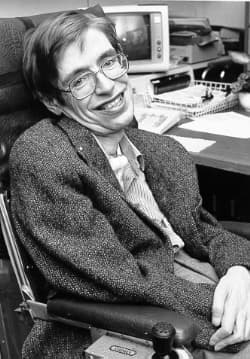
Stephen Hawking
PERSON8 w/ Falso·5 w/ Rakas
LP
Loretta A. Preska
PERSON8 w/ Falso·5 w/ Rakas
PA
Payner
PERSON8 w/ Falso·5 w/ Rakas
CM
Colleen McMahon
PERSON8 w/ Falso·5 w/ Rakas
United States
LOCATION8 w/ Falso·5 w/ Rakas
the Southern District
LOCATION7 w/ Falso·5 w/ Rakas
MH
Ming He
PERSON7 w/ Falso·5 w/ Rakas
SW
Sweet
PERSON7 w/ Falso·5 w/ Rakas
MA
Martindell
PERSON7 w/ Falso·5 w/ Rakas
SB
Stephen Rex Brown
PERSON7 w/ Falso·5 w/ Rakas
FD
Franks v. Delaware
PERSON6 w/ Falso·5 w/ Rakas
Colorado
LOCATION6 w/ Falso·5 w/ Rakas