Back to Network









3
Shared Docs
3
Same-Page
5 / 3
Mentions
Document Mentions (3 shared documents)
3 mentions1 same-page
Page EFTA00024193Same page
his, a few important studies examining critical sociocultural factors now exist for better understanding CSA disclosure within a cultural context (Brazelton, 2015; Fontes & Plummer, 2010). Among these important contributions, Brazelton's (2015) research has deli- neated CSA disclosure processes as "shape
Page: EFTA00024193 →g toward a holistic understanding of the complex interplay of individual, familial, contextual, and cultural fac- tors (Alaggia & Kirshenbaum, 2005; Brazelton, 2015; Fontes & Plummer, 2010). Where at one time factors examined and identified were predominantly of intrapersonal factors of child victims, kn
Page: EFTA00024193 →sonal factors of child victims, knowledge construction has shifted to fuller social— ecological, person-in-environment explanations (Alaggia, 2010; Collin-Vezina et al., 2015; Easton et al., 2014; Hunter, 2011; Ungar, Tutty, McConnell, Barter, & Fairholm, 2009b). Social-ecological explanations open up more opportun
Page: EFTA00024193 →3 mentions1 same-page
Page ?Same page
for better understanding CSA disclosure within a cultural context (Brazelton, 2015; Fontes & Plummer, 2010). Among these important contributions, Brazelton's (2015) research has deli- neated CSA disclosure processes as "shaped by relational, racial, socio-cultural, historical, and developmental factors"
g toward a holistic understanding of the complex interplay of individual, familial, contextual, and cultural fac- tors (Alaggia & Kirshenbaum, 2005; Brazelton, 2015; Fontes & Plummer, 2010). Where at one time factors examined and identified were predominantly of intrapersonal factors of child victims, kn
the current review. Given the persistence of delayed disclosures with research showing a large number of survivors only dis- closing in adulthood (Collin-Vezina et al., 2015; Easton, 2013; Hunter, 2011; McElvaney, 2015; Smith et al., 2000), these issues should be a concern for practitioners, policy makers, and th
2 mentions1 same-page
Page ?Same page
for better understanding CSA disclosure within a cultural context (Brazelton, 2015; Fontes & Plummer, 2010). Among these important contributions, Brazelton's (2015) research has deli- neated CSA disclosure processes as "shaped by relational, racial, sociocultural, historical, and developmental factors"
the current review. Given the persistence of delayed disclosures with research showing a large number of survivors only dis- closing in adulthood (Collin-Vezina et al., 2015; Easton, 2013; Ilunter, 2011; McElvaney, 2015; Smith et al., 2000), these issues should be a concern for practitioners, policy makers, and t
Sponsored
Mutual Connections (326)
Entities connected to both Brazelton and Collin-Vezina et al.
EU
Euser
PERSON3 w/ Brazelton·3 w/ Collin-Vezina
LB
Leon Black
PERSON3 w/ Brazelton·3 w/ Collin-Vezina
Toronto
LOCATION3 w/ Brazelton·3 w/ Collin-Vezina
Ontario
LOCATION3 w/ Brazelton·3 w/ Collin-Vezina
Montreal
LOCATION3 w/ Brazelton·3 w/ Collin-Vezina
Goldman Sachs
ORGANIZATION3 w/ Brazelton·3 w/ Collin-Vezina
HA
Hansen
PERSON3 w/ Brazelton·3 w/ Collin-Vezina
Mitch McConnell
PERSON3 w/ Brazelton·3 w/ Collin-Vezina
GR
Grossman
PERSON3 w/ Brazelton·3 w/ Collin-Vezina
Jensen
PERSON3 w/ Brazelton·3 w/ Collin-Vezina
Greene
PERSON3 w/ Brazelton·3 w/ Collin-Vezina
SA
Saltzman
PERSON3 w/ Brazelton·3 w/ Collin-Vezina
Braun
PERSON3 w/ Brazelton·3 w/ Collin-Vezina
Rosenthal
PERSON3 w/ Brazelton·3 w/ Collin-Vezina
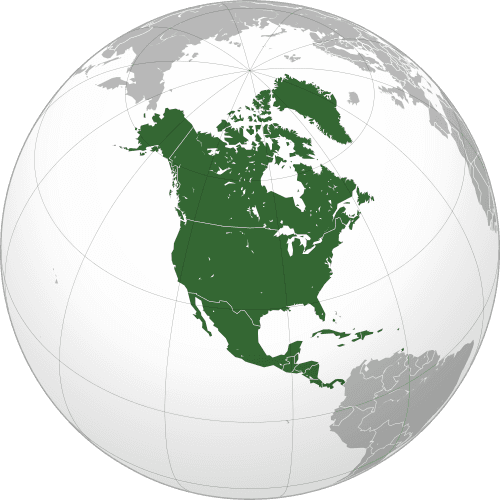
North America
LOCATION3 w/ Brazelton·3 w/ Collin-Vezina
Ottawa
LOCATION3 w/ Brazelton·3 w/ Collin-Vezina
CL
Clarke
PERSON3 w/ Brazelton·3 w/ Collin-Vezina
Browning
PERSON3 w/ Brazelton·3 w/ Collin-Vezina
PA
Paine
PERSON3 w/ Brazelton·3 w/ Collin-Vezina
UN
Ungar
PERSON3 w/ Brazelton·3 w/ Collin-Vezina